
Understanding Stainless Steel Wire & Mesh: A Global Perspective
In today’s interconnected world, materials like stainless steel wire & mesh quietly underpin countless industries, infrastructures, and innovations that sustain modern life. While it might sound technical or niche, this resilient and versatile material really matters on a global scale—fueling everything from construction to environmental protection. Understanding what stainless steel wire and mesh bring to the table is key to appreciating their huge impact on safety, durability, and sustainability worldwide.
Introduction: The Global Relevance of Stainless Steel Wire & Mesh
According to recent reports from the International Organization for Standardization (ISO) and manufacturing data, stainless steel production continues to grow steadily, especially the demand for fine wires and meshes. Why? Because these materials offer unmatched corrosion resistance and strength, essential in everything from industrial filtration in Asia and Europe to infrastructure reinforcement in Africa and the Americas.
Oddly enough, many challenges for rapidly developing countries—like water purification or disaster-resistant building materials—can be mitigated by deploying stainless steel wire & mesh solutions. This intersection of durability and adaptability makes it a global asset you don’t hear about at dinner tables but certainly feel when those products fail or succeed.
What Exactly Are Stainless Steel Wire & Mesh?
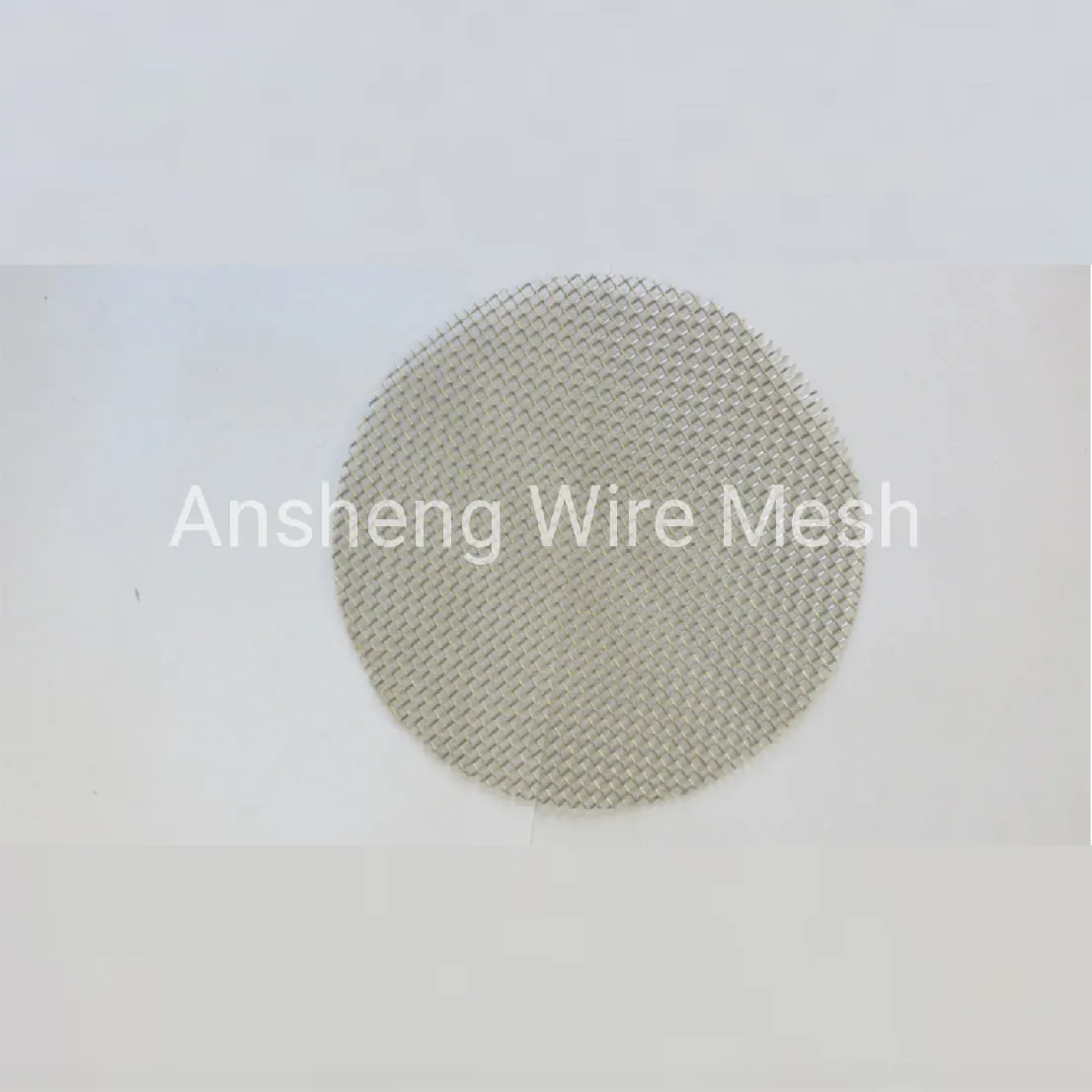
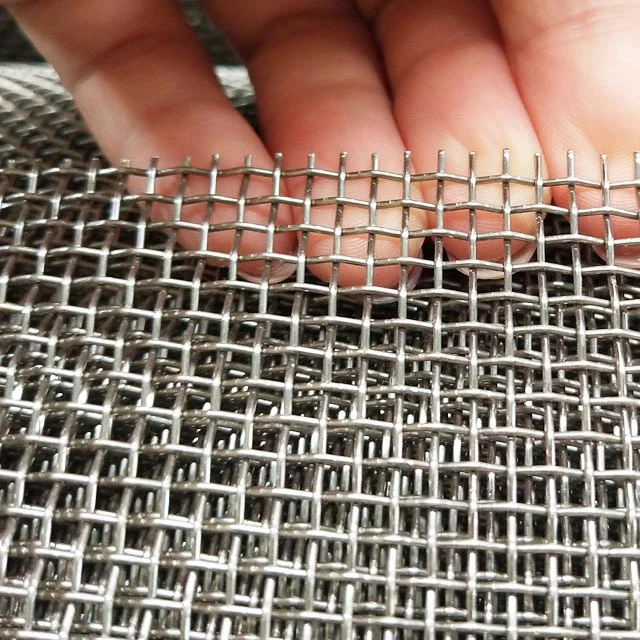
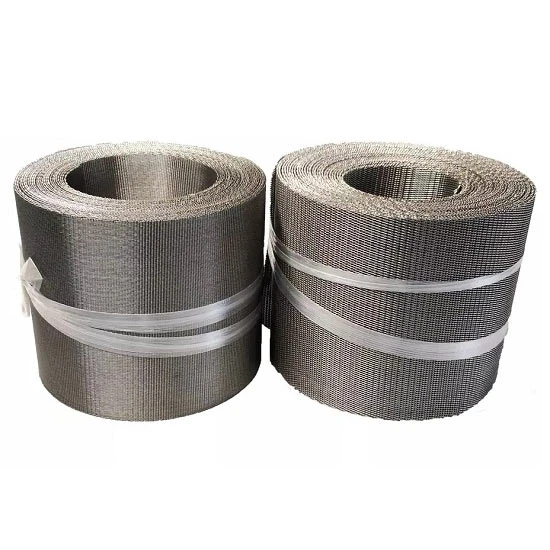
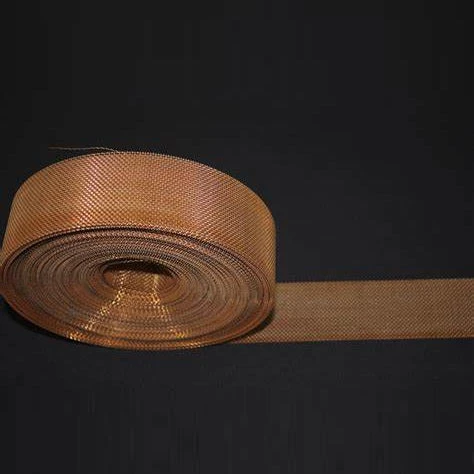
Simply put, stainless steel wire consists of strands of chromium-enriched steel, often spun into meshes—net-like structures with uniform openings. These meshes come in various sizes and thicknesses, serving filter screens, reinforcement panels, and even architectural features. The chromium inside ensures the steel doesn’t rust easily, which is a game-changer where exposure to moisture or chemicals is routine.
In humanitarian terms, those meshes provide safe water filtration in off-grid regions; in industry, they protect machinery and refine processes; in construction, they add resilience without extra weight. So the connection to modern industry and humanitarian needs is direct and vital.
Core Components & Key Factors of Stainless Steel Wire & Mesh
1. Durability
Stainless steel wire’s corrosion resistance means it can endure harsh environments—think salty coastal air or chemical plants—without degrading quickly. This longevity translates to lower maintenance costs over time, too.
2. Scalability
The manufacturing process allows scalable production—from tiny micron-scale mesh apertures for delicate filtration to thick, heavy-duty wire grid panels for structural reinforcement. This flexibility is crucial for diverse applications.
3. Cost Efficiency
While initial costs might be higher than alternatives, the long-term return on investment pays off through reduced replacements, downtime, and environmental savings—a real consideration in large infrastructure projects.
4. Chemical and Heat Resistance
Many grades can withstand extreme temperatures (up to around 870°C for some) and resist chemical exposure, making them ideal for industrial filtration or heat exchangers, often found in energy sectors.
5. Customizability
Manufacturers can tailor mesh sizes, wire thicknesses, and weave types to exact client needs. This bespoke approach means it fits perfectly into specific industrial processes or architectural designs.
Product Specification Table: Common Stainless Steel Wire & Mesh Grades and Types
| Grade | Wire Diameter (mm) | Mesh Opening (mm) | Typical Use | Temp Resistance (°C) |
|---|---|---|---|---|
| 304 | 0.2 - 5 | 0.1 - 10 | Food industry, architecture | 870 |
| 316 | 0.3 - 6 | 0.2 - 12 | Marine, chemical industry | 870 |
| 304L (Low Carbon) | 0.2 - 5 | 0.1 - 15 | Welding required areas | 870 |
Mini takeaway: The right stainless steel wire & mesh grade can be tuned depending on the environment or manufacturing needs, balancing durability, cost, and resistance.
Global Applications & Real-World Use Cases
It’s fascinating to see how stainless steel wire and mesh find roles in such varied sectors globally. In remote industrial zones in Canada and Australia, they serve as high-grade filtration media to keep water and air clean, preserving both human and equipment health. Post-disaster relief operations in South Asia have used stainless steel mesh water filters to provide immediate access to safe drinking water, radically improving outcomes in emergencies.
European architects utilize stainless steel wire mesh façades not only for decorative purposes but also for added structural stability against extreme weather. In agricultural zones across Africa, mesh supports for irrigation systems enhance water distribution efficiency.
One supplier, for example, recently helped an NGO in Southeast Asia by delivering customized stainless steel mesh kits for emergency water purification, highlighting how tailored engineering meets urgent humanitarian demands.
Vendor Comparison Table: Leading Stainless Steel Wire & Mesh Suppliers
| Supplier | Product Range | Customization | Global Reach | Lead Time |
|---|---|---|---|---|
| Ansheng Filterscreen | Wide (304, 316, custom meshes) | High - custom specs available | Global, especially Asia & Europe | 2-4 weeks |
| Global Mesh Co. | Medium variety, standard meshes | Moderate options | North America & Europe | 4-6 weeks |
| SteelNet Solutions | Basic product range | Limited customization | Local/regional | 1-2 weeks |
Mini takeaway: Selecting a vendor like Ansheng Filterscreen offers a strong blend of product range, customization, and prompt delivery — all factors that matter in technical applications.
Advantages & Long-Term Value of Stainless Steel Wire & Mesh
There’s a deep sense of trust that comes from using stainless steel wire & mesh—the kind born from knowing your materials will last and perform, often under the harshest conditions. They lower lifecycle costs because replacements are rare, saving money and headaches over decades. From a sustainability standpoint, these meshes can be recycled and don't release harmful residues, supporting greener practices.
Socially, this translates to safer working environments, cleaner water supplies, and more resilient infrastructure—restoring dignity and hope in vulnerable communities. It’s not just about the physical product but the ripple effects in innovation, safety, and peace of mind.
Future Trends & Innovations
Looking ahead, the industry is buzzing around integrating nanotechnology into stainless steel meshes, enhancing filtration efficiency at microscopic levels. Digital manufacturing such as 3D weaving and automated production lines promise better precision and scalability, making specialized meshes more affordable.
Furthermore, momentous shifts towards sustainability mean that suppliers are exploring greener steelmaking processes, reducing carbon footprints aligned with global climate goals. The advent of smart meshes equipped with sensors could revolutionize construction and industrial monitoring in years to come.
Challenges & Solutions in the Stainless Steel Wire & Mesh Industry
Of course, it’s not all seamless. The main challenges include high raw material costs and difficulties in rapid customization for emerging industries. Shipping delays and uneven global standards sometimes complicate procurement.
Industry experts advocate for stronger supply chain integration and standards harmonization internationally. Some innovative solutions include modular mesh systems that adapt on-site and collaborations between manufacturers and end-users fostering agile product development.
Frequently Asked Questions About Stainless Steel Wire & Mesh
- Q: What makes stainless steel wire mesh better than plastic or aluminum mesh?
A: Stainless steel offers superior durability, corrosion resistance, and heat tolerance. It lasts longer especially in harsh or chemically aggressive environments where plastic or aluminum might degrade quickly. - Q: How customizable are stainless steel meshes for specialized industries?
A: Very customizable. You can choose wire diameter, mesh aperture size, weave types, and steel grades depending on filtration needs, structural requirements, or even aesthetic purposes. - Q: Are stainless steel wire meshes recyclable?
A: Absolutely. Stainless steel is one of the most recycled materials globally, and meshes can be reclaimed and reprocessed, significantly benefiting environmental sustainability. - Q: How should I select a reputable vendor for stainless steel wire & mesh products?
A: Look for companies offering quality certifications, customization options, proven lead times, and global shipping capabilities—companies like Ansheng Filterscreen often meet these criteria well.
Conclusion: Why Stainless Steel Wire & Mesh Remain Vital
Whether reinforcing skyscrapers, filtering water in remote regions, or advancing medical tech, stainless steel wire & mesh aren’t just materials — they’re foundational enablers of progress globally. Their unmatched resilience, coupled with emerging tech, promises a future where these meshes become smarter, greener, and ever more indispensable.
To explore a wide range of stainless steel wire & mesh solutions tailored to your industry’s needs, visit https://www.anshengfilterscreen.com. It’s frankly worth a closer look — especially if you value precision, durability, and innovation.
Takeaway: Stainless steel wire & mesh quietly shape safe, sustainable, and cutting-edge industries worldwide — a material story worth knowing.
References
Post time: Dec . 02, 2025 13:00