
Unraveling the Potential of Flexible Stainless Steel Mesh
In today’s interconnected world, materials that combine strength, adaptability, and sustainable use are more critical than ever. Flexible stainless steel mesh checks these boxes, blending resilience and flexibility in ways that can transform industry, infrastructure, and even humanitarian relief. But why does this mesh matter globally? Well, as industries seek smarter materials for filtration, reinforcement, and protection, understanding the versatile properties of flexible stainless steel mesh offers new avenues for innovation and problem-solving worldwide.
Introduction: The Global Landscape of Flexible Stainless Steel Mesh
Globally, the demand for materials that withstand harsh environments but can flex to fit unique requirements is rising sharply. According to ISO standards on stainless steel grades and global market analytics (Statista, 2023), the flexible stainless steel mesh sector has grown by 12% annually over the past five years—driven largely by manufacturing, construction, and environmental sectors.
But there’s a problem—traditional rigid meshes can be brittle or unsuitable for irregular, dynamic applications. This is especially striking in emergency response scenarios where lightweight, adaptable, yet robust materials are mandatory. That’s the gap where flexible stainless steel mesh shines, helping industries reduce waste, enhance safety, and increase longevity of components.
What Exactly Is Flexible Stainless Steel Mesh?
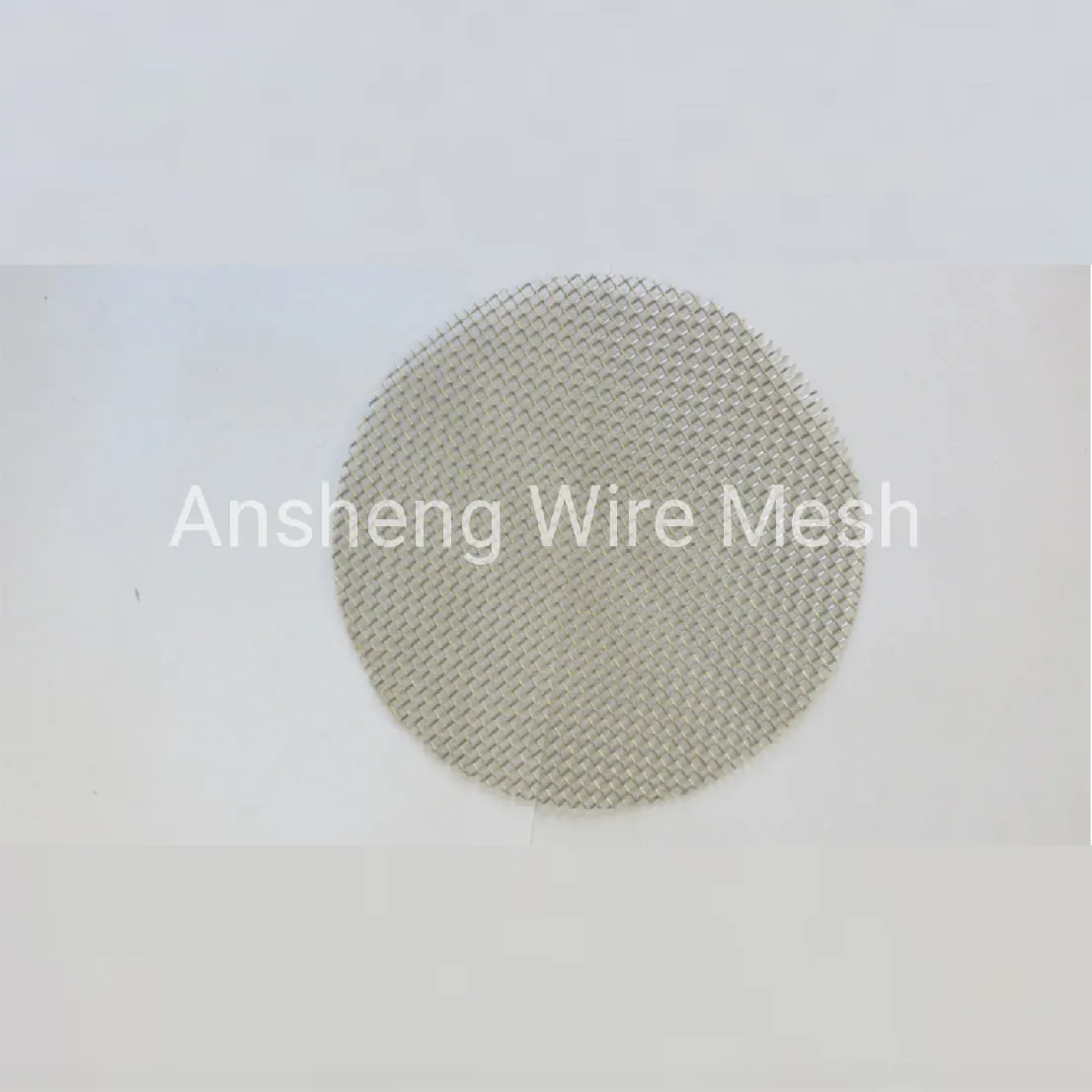
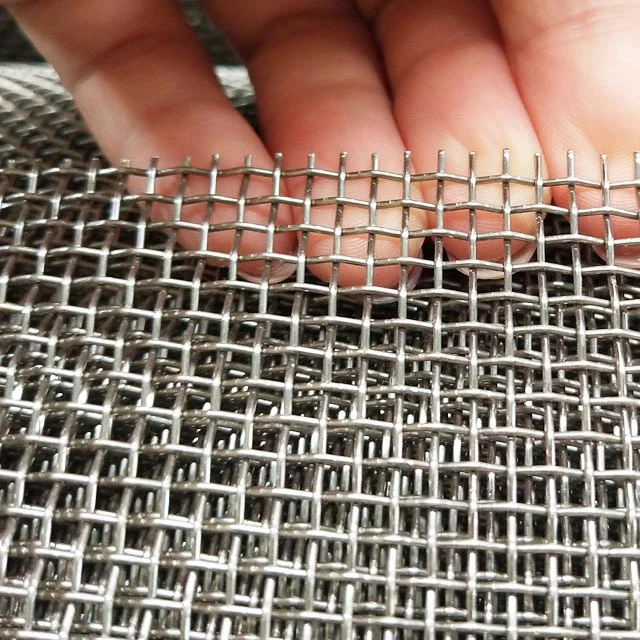
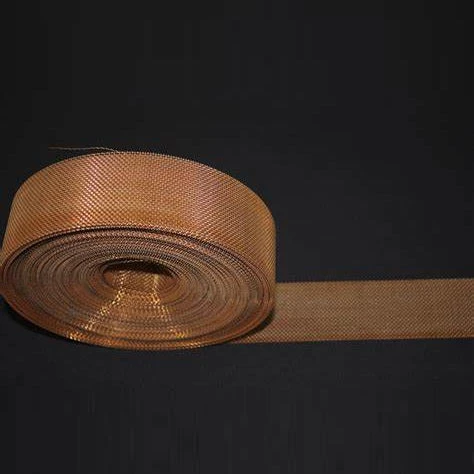
Simply put, flexible stainless steel mesh is a woven or knitted lattice made from stainless steel wires that maintain strength while allowing bending and twisting. Unlike rigid mesh panels, this kind of mesh can be shaped on-site, folded, rolled, or contoured without losing core structural properties.
Its relevance goes beyond mere industrial use; in humanitarian contexts—think earthquake zones or flood-prone areas—deploying a durable yet bendable material can make the difference in creating quick protective barriers, reinforcing infrastructure, or even filtering water safely.
Core Aspects of Flexible Stainless Steel Mesh
Durability
This mesh resists corrosion, heat, and wear far better than conventional materials. Thanks to stainless steel’s chromium content, it withstands exposure to harsh chemicals and moisture without rusting—a must for outdoor or industrial use.
Scalability
Manufacturers produce the mesh in various grades, thicknesses, and mesh counts, making it customizable for tiny filters or massive construction reinforcements. Scaling production and adapting mesh size allows tailored applications even in remote industrial zones.
Cost Efficiency
Although initial costs can be higher than some plastics or rigid metals, the lifespan and reduced maintenance make flexible stainless steel mesh cost-effective in the long run. Its durability means fewer replacements and less downtime—saving operational expenses.
Eco-Friendliness
Stainless steel is 100% recyclable, and flexible mesh fabrication often uses less material by weight than solid metal sheets, reducing environmental footprint—a critical factor as industries pivot towards sustainability.
Mini Takeaway
Flexible stainless steel mesh offers a resilient, adaptable material choice that balances cost, sustainability, and high performance—making it a global staple for industries and communities needing smart material solutions.
Global Applications & Use Cases
- Environmental Filtration: Used in water treatment plants globally, flexible stainless steel mesh filters out debris while resisting chemical corrosion.
- Construction & Infrastructure: In Japan and Europe, the mesh reinforces earthquake-resistant concrete structures, providing flexibility without compromising strength.
- Disaster Relief: NGOs use portable mesh barriers to stabilize damaged buildings or to create simple water filtration systems in flood-affected regions.
- Automotive & Aerospace: The mesh serves in exhaust systems and heat shields, tolerating high temperatures while adapting to complex geometries.
For a deeper dive, check out how flexible stainless steel mesh integrates into modern manufacturing.
Advantages & Long-Term Value
Reliability is at the heart of flexible stainless steel mesh’s value. Imagine a lightweight mesh in a flood zone that doesn’t rust after continuous water exposure—that’s safety and dignity for affected communities. The innovation it fosters gives engineers freedom to design better, more sustainable products. Plus, the cost benefits accumulate as fewer repairs are needed over time. These qualities collectively build social trust—people depend on materials that just work, without fail.
Flexible Stainless Steel Mesh Product Specifications
| Specification | Typical Range | Notes |
|---|---|---|
| Material Grade | 304, 316 | 316 preferred for corrosive environments |
| Wire Diameter | 0.1 mm - 1.2 mm | Thinner wires for filtration meshes |
| Mesh Count | 5 - 200 wires per inch | Higher count for fine filtration |
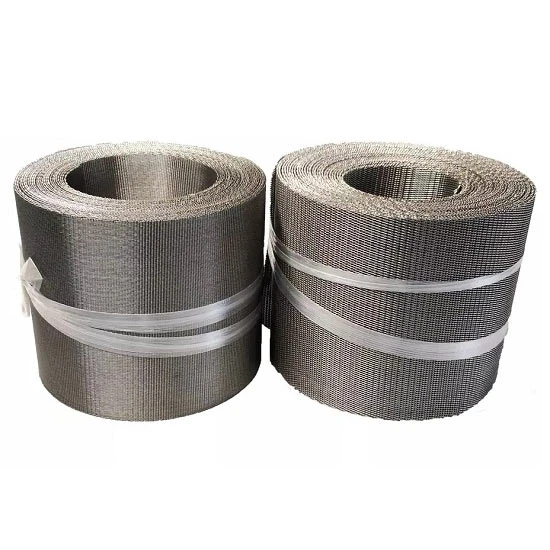
| Mesh Width (Rolled) | Max 2 meters | Custom widths available |
| Surface Treatment | Polished, Matte, Coated | Depends on end use |
Vendor Comparison: Flexible Stainless Steel Mesh Suppliers
| Supplier | Material Grades | Customization Options | Delivery Time | Typical Applications |
|---|---|---|---|---|
| Ansheng Filter Screen | 304, 316 | Custom mesh counts, widths, coatings | 2 - 4 weeks | Filtration, industrial filters, construction |
| MetalTech Fabrications | 304 only | Limited customization | 3 - 5 weeks | Automotive, aerospace |
| Global Mesh Solutions | 316, 304 | Wide range, including custom coatings | 1 - 3 weeks | Construction, filtration, protective screens |
Future Trends & Innovations in Flexible Stainless Steel Mesh
The future looks bright—and oddly flexible—for stainless steel mesh. With the rise of green technologies, expect materials optimized for renewable energy sectors such as solar panel shielding and wind turbine filtration. Digital transformation enables precision weaving that can embed sensors directly into mesh weaves, facilitating “smart” meshes that monitor structural health or environmental conditions in real time.
Automation and AI-driven manufacturing also promise faster lead times and lower costs, enabling supply chains to be more responsive and environmentally sustainable. Standards are evolving too, with ISO committees outlining eco-conscious production and disposal standards to minimize impact.
Challenges & Solutions
Despite its benefits, flexible stainless steel mesh faces challenges. Working with very thin wires can be tricky; quality control must ensure mesh integrity without added brittleness. Moreover, in extreme acidic environments, even 316 stainless steel can corrode after extended exposure.
Experts suggest combining stainless steel with protective polymer coatings or hybrid composites to extend lifespan in harshest conditions. Also, adopting stringent testing protocols based on ASTM or ISO standards helps maintain consistent quality. Finally, educating users about correct handling and installation prevents premature failures.
FAQs About Flexible Stainless Steel Mesh
- What industries commonly use flexible stainless steel mesh?
- Industries such as water treatment, construction, automotive, aerospace, and environmental protection use it extensively for filtration, reinforcement, and protective applications.
- Is flexible stainless steel mesh suitable for outdoor harsh environments?
- Yes, especially grades 316 and 304, which resist corrosion, moisture, and UV exposure, making them ideal for outdoor and marine settings.
- Can flexible stainless steel mesh be customized for specific projects?
- Absolutely. Vendors can customize wire diameters, mesh counts, widths, coatings, and even pattern weaves to suit precise project requirements.
- How do I maintain flexible stainless steel mesh to prolong its life?
- Regular cleaning, avoiding mechanical damage during installation, and ensuring it’s not exposed to corrosive chemicals beyond its tolerance will keep it lasting longer.
- Is flexible stainless steel mesh eco-friendly?
- Yes. Its recyclability and long lifespan reduce waste and environmental impact, making it a sustainable material choice in many applications.
Conclusion & Call to Action
To sum up, flexible stainless steel mesh is a remarkable material that balances durability, adaptability, and sustainability—a trifecta that’s increasingly vital in our evolving global industries and humanitarian efforts. Whether it’s filtering water efficiently or reinforcing resilient infrastructure, the mesh offers long-term benefits with a lower environmental footprint. If you’re considering integrating this material into your projects or supply chain, explore more at Ansheng Filter Screen—your go-to source for customizable, precision-engineered solutions.
Takeaway: Flexible stainless steel mesh isn’t just a product; it’s a forward-thinking solution for a flexible, resilient future.
Post time: Dec . 02, 2025 11:45