
Comprehensive Guide to 1 2 Inch Stainless Steel Wire Mesh – Uses, Specs & Suppliers

Understanding 1 2 Inch Stainless Steel Wire Mesh: A Vital Industrial Material

When you first hear “1 2 inch stainless steel wire mesh,” it might just sound like a technical term from an engineering manual. Yet, this material quietly underpins a range of critical industries worldwide. Whether it's environmental protection, food safety, or infrastructure, this mesh plays a surprisingly big role. Grasping what it is and why it matters is not just for pros — it's a window into global standards of safety, durability, and innovation that affect our daily lives. So let's unpack this material's story and its broad impact.

Introduction: The Global Context of Stainless Steel Wire Mesh

Globally, stainless steel wire meshes constitute a multi-billion-dollar market. According to recent ISO reports, their use in filtration, construction, and automotive industries continues to grow at a steady pace of about 4–6% annually. This growth correlates with rising quality standards and stricter regulations around health and safety. For example, the UN Environmental Program highlights the role of stainless steel filtration in reducing industrial pollutants.

But there’s a challenge: Many regions still face issues with local materials lacking the resilience to withstand extreme climates or corrosive environments. The 1 2 inch stainless steel wire mesh — referring to wire mesh with half-inch openings woven from stainless steel wire — is often the answer, striking a balance between strength, corrosion resistance, and filtering precision.

What Exactly Is 1 2 Inch Stainless Steel Wire Mesh?

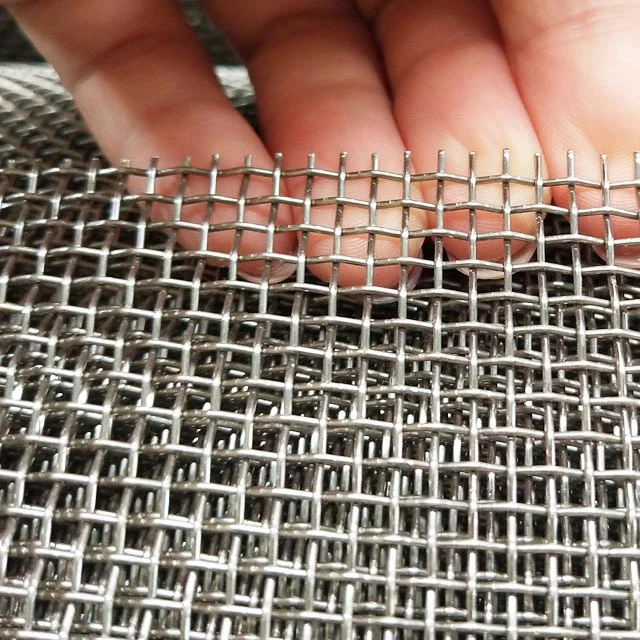
Simply put, it’s a grid-like fabric made by weaving stainless steel wires spaced so that the openings measure roughly 1/2 inch across. Stainless steel itself is an alloy prized for its corrosion resistance, strength, and longevity. Combine those properties with this mesh design, and you get a material that can serve as a durable barrier, a filter, or a reinforcement layer.

Industrially, this kind of wire mesh finds homes in protective screens, heavy-duty sieves, or even architectural accents. Humanitarian-wise, it’s used in water purification systems and safe enclosure solutions. As the world looks for materials that last longer and require less maintenance, the 1 2 inch stainless steel mesh fits neatly into that ideal.

Key Factors Making 1 2 Inch Stainless Steel Wire Mesh Essential

Durability

Its stainless steel composition ensures excellent resistance to rust and corrosion—even in wet or salty environments. This means it won’t easily degrade, making it reliable over years.

Strength and Flexibility

The woven structure balances rigidity with some give, allowing it to absorb impacts or natural movements without breaking.

Precision Filtration

The half-inch openings provide a middle ground — fine enough to block debris but large enough to allow fluid or airflow, important in industrial sieving or ventilation.

Cost Efficiency

While stainless steel isn’t cheap upfront, its long life and minimal upkeep reduce total costs over time. This makes it an investment rather than an expense.

Scalability and Customization

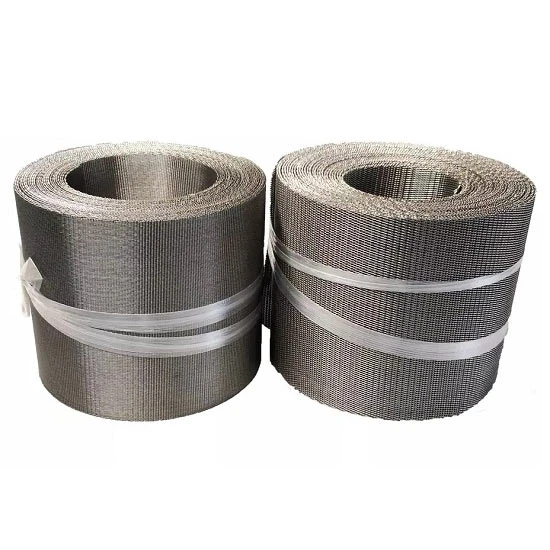
This mesh can be produced in rolls, sheets, or customized panels for various projects. Wire gauge and mesh size can also adapt based on specific needs.

Specifications at a Glance

Specification Details
Mesh Opening Size 0.5 inch (approx. 12.7 mm)
Material Stainless Steel (Grades 304, 316 common)
Wire Diameter Typically 0.018" to 0.035" (0.45 to 0.9 mm)
Finish Bright, Mill, or Polished
Typical Roll Size 1 m to 2 m width x 30 m length

Global Applications & Use Cases

Around the world, from bustling urban centers to remote industrial zones, this mesh is everywhere. In the Middle East’s oil and gas fields, the 1 2 inch stainless steel wire mesh serves as a filtration barrier, protecting equipment from abrasive sand particles. In Europe, local authorities employ it in water treatment plants to guard pumps and keep debris out of pipelines.

Post-disaster scenarios also benefit. After flooding, relief NGOs often use wire mesh panels for quick temporary fencing or sandbag reinforcements. They’re sturdy yet lightweight, easy to transport, and reusable — a mix that matters when resources are tight.

Industrially, manufacturers value it for conveyor belts, protective guarding around machinery, and even aesthetic facade elements.

Regions like Asia Pacific see rapidly growing demand too, with infrastructure projects requiring reliable materials that meet ISO quality benchmarks.

Advantages & Long-Term Value

  • Cost Saving: The long lifespan and low maintenance mean you replace it less often, saving money.
  • Safety & Dignity: When used in humanitarian contexts, reliable materials contribute to safer living conditions.
  • Sustainability: Stainless steel is 100% recyclable, aligning with circular economy goals.
  • Innovation Ready: Adapts easily to emerging needs like smart infrastructure.

On a personal note, having installed these meshes in a coastal facility, I noticed how they resisted rust far better than alternatives—proof that the investment pays off in real terms.

Future Trends & Innovations

Looking ahead, expect digital enhancements like embedded sensors to monitor mesh integrity in real time. New alloys and coatings will push corrosion resistance even further, important as climate challenges intensify. Automation in manufacturing means more precision and customization at lower costs. Plus, the drive towards green construction boosts the use of recyclable stainless steel products globally.

Challenges & How We Solve Them

Issues persist, of course. Sourcing high-grade stainless steel can be unpredictable amid global supply chain shifts. Also, cutting and shaping the wire mesh for complex designs requires skilled labor and equipment. Yet, advances in laser-cutting and robotic fabrication are helping, making customization faster and more affordable. Meanwhile, global standards like ASTM and ISO provide buying guides that improve quality assurance.

Vendor Comparison: Popular Suppliers of 1 2 Inch Stainless Steel Wire Mesh

Vendor Material Grades Customization Options Typical Lead Time Price Range
Ansheng Filter Screen 304, 316 Mesh size, wire gauge, panel cut 2-3 weeks Mid-range
Global Mesh Co. 304 only Standard rolls only 1-2 weeks Lower cost
SteelWeave Ltd. 304, 316L, Duplex Full customization, coatings 3-5 weeks Premium

FAQ: Frequently Asked Questions on 1 2 Inch Stainless Steel Wire Mesh

What industries most commonly use 1 2 inch stainless steel wire mesh?
Common industries include filtration and screening, construction (for reinforcement), food processing, and environmental protection sectors. Its balance of strength and open area makes it versatile.
How does stainless steel grade affect the mesh’s performance?
Grades 304 and 316 are most common: 316 offers higher corrosion resistance, critical in marine or chemical environments. Choosing the right grade ensures longevity under specific conditions.
Is this wire mesh customizable for different factors like wire gauge or panel size?
Yes, usually vendors offer customization in wire thickness, mesh size, roll dimensions, and sometimes coatings. This can tailor the mesh precisely to your project needs.
Can 1 2 inch stainless steel wire mesh be recycled?
Absolutely. Stainless steel is fully recyclable without loss of properties, aligning with sustainability and circular economy goals worldwide.
Where can I source reliable 1 2 inch stainless steel wire mesh globally?
There are multiple manufacturers worldwide; companies like Ansheng Filter Screen offer proven quality along with customization and reliable lead times.

Conclusion: Why 1 2 Inch Stainless Steel Wire Mesh Is an Investment Worth Making

Ultimately, the 1 2 inch stainless steel wire mesh isn’t just “wire mesh.” It’s a core building block for industries and humanitarian projects aiming for durability, efficiency, and safety. Its global uses—from industrial filters to disaster relief fencing—show just how adaptable and vital it is. Considering the total cost of ownership and sustainability factors, investing in quality stainless steel mesh pays dividends long term.

Curious to explore the right specifications and options for your project? Visit our website: https://www.anshengfilterscreen.com for expert guidance and OEM services tailored to your needs.

So, next time you think of stainless steel wire mesh, remember that seemingly simple half-inch grid is holding together much more than meets the eye.

References:
1. ISO – Stainless steel wire mesh standards
2. United Nations Environment Programme reports
3. Wikipedia – Stainless Steel Overview


Post time: Dec . 02, 2025 13:35
Related News
  • Discover precision engineering and durable solutions with Wire Mesh Discs from Anping County Ansheng. Combining cost-effective customization with advanced CNC machining, our discs ensure industrial excellence. Explore now: https://www.anshengfilterscreen.com/single-layer.html

  • Plain weave is one of the most basic and fundamental fabric weaves. Its simplicity doesn’t equate to limited use; on the contrary, it's incredibly versatile and found in countless applications. This article will explore the characteristics of plain weave, its advantages, and, most importantly, what is plain weave used for across various industries. Understanding this weave is crucial for anyone involved in textiles, filtration, or composite materials. It's a cornerstone of many modern manufacturing processes. The plain weave is characterized by its simple over-under pattern. Each weft yarn (horizontal) alternates crossing over and under each warp yarn (vertical). This creates a distinct checkerboard-like appearance. This seemingly simple structure gives the fabric excellent stability and a balanced texture. The density of the weave – the number of warp and weft yarns per inch – directly affects the fabric’s properties, such as its strength, permeability, and drape. It’s a remarkably efficient weave, making it cost-effective for large-scale production. The versatility of plain weave makes it a go-to choice in numerous industries. Here's a breakdown of some key applications: Apparel Fabrics: Cotton, linen, and polyester plain weaves are used extensively in clothing – think shirts, blouses, bedsheets, and linings. Filtration: Plain weave fabrics are a fundamental component of many filter screens, used for separating solids from liquids or gases.

  • Dutch wire mesh, renowned for its precision and versatility, is a crucial material across various industries, from filtration and screening to architectural applications. This article delves into the specifics of Dutch wire mesh, its properties, applications, and why Ansheng Filter Screen is a leading provider of high-quality Dutch wire mesh solutions. Whether you are in need of precise filtration, robust screening, or specialized weaving, understanding the nuances of this material is key to making informed decisions. Let's explore the world of Dutch wire mesh and uncover its many benefits. Dutch wire mesh isn’t a specific weave style but rather a term signifying a precise method of weaving wire, primarily focusing on achieving extremely consistent aperture sizes. It’s characterized by its tightly controlled weave and uniform openings, making it ideal for applications where precise filtration or screening is critical. Typically made from stainless steel (304, 316L, and others), the mesh is known for its durability, corrosion resistance, and ability to withstand high temperatures. The process involves weaving wires in both warp and weft directions, creating a stable and dimensionally accurate fabric.

  • Dutch weave is a versatile type of woven wire mesh known for its unique structure and diverse applications. It's characterized by alternating plain and twill weaves, resulting in a fabric with excellent strength, flexibility, and permeability. This makes it ideal for a range of uses in industries like filtration, screening, and reinforcement. Ansheng Filter Screen specializes in high-quality dutch weave mesh, catering to diverse industrial needs. Understanding the properties and applications of dutch weave is key to maximizing its benefits in various sectors. Dutch weave isn’t a single weave pattern but a combination. It’s created by alternately weaving plain and twill patterns. The twill weave creates a diagonal rib pattern which impacts the mesh’s properties. This unique construction results in a mesh that is more open in one direction than the other, providing excellent flow characteristics. This makes it superior for applications needing high permeability while maintaining good structural integrity.

  • Protecting crops, buildings, and infrastructure from bird damage is a significant concern for many industries. Galvanised bird mesh provides a robust and effective solution. This article will explore the benefits, applications, and key considerations when choosing galvanised bird mesh, offering a detailed overview for those seeking reliable bird control. From agricultural protection to industrial applications, we will cover everything you need to know about this versatile product. Galvanised bird mesh is a woven wire netting coated with a layer of zinc. This galvanisation process provides excellent corrosion resistance, making it suitable for outdoor applications and harsh environments. The mesh is typically made from steel wire, offering strength and durability. Different mesh sizes are available to cater to various bird species and protection needs.

  • When selecting materials for industrial filtration, construction, or agricultural applications, galvanized steel mesh screen stands out as a durable and cost-effective solution. This article will provide a detailed overview of galvanized steel mesh screen, covering its properties, applications, benefits, and important considerations when making a purchase. Understanding its characteristics can help you determine if it’s the ideal material for your specific needs. We will delve into the nuances of this versatile material and how Ansheng Filter Screen provides quality products. Galvanized steel mesh screen is a woven wire mesh manufactured from steel that has been coated with a layer of zinc. This zinc coating acts as a protective barrier against corrosion and rust, significantly extending the lifespan of the steel. The galvanization process can be hot-dip galvanizing or electro-galvanizing, each offering different levels of protection and cost. The mesh is typically available in various weave patterns, such as plain weave, twill weave, and dutch weave, each suited for different filtration and screening needs.

  • Galvanized netting is a versatile and cost-effective solution for a wide range of applications, from agricultural fencing to industrial safety barriers. Its durability and resistance to corrosion make it a popular choice across numerous industries. This article will delve into the properties of galvanized netting, exploring its benefits, common uses, different types available, and how to select the best netting for your specific needs. Understanding the nuances of galvanized netting will ensure you make an informed decision and maximize its lifespan and effectiveness. Galvanized netting is woven from steel wire that has been coated with a layer of zinc through a process called galvanization. This zinc coating acts as a barrier against corrosion, protecting the steel from rust and environmental damage. There are two primary galvanization methods: hot-dip galvanizing and electro-galvanizing. Hot-dip galvanizing involves immersing the steel wire in a bath of molten zinc, creating a thick and durable coating. Electro-galvanizing uses an electric current to deposit a thinner layer of zinc onto the wire.

  • Dutch weave mesh is a versatile and durable material used in a wide range of industrial and filtration applications. Known for its unique weaving pattern, it provides excellent strength and permeability. This article will explore the characteristics, applications, benefits, and considerations when choosing Dutch weave mesh, providing a thorough understanding for professionals and buyers. Understanding its properties is vital to selecting the right mesh for your needs. Dutch weave mesh is created by weaving two sets of wires – one heavier warp wire and one finer shute wire – in a specific pattern. This construction results in a mesh with larger openings in one direction and smaller openings in the other. The heavier warp wires provide strength and dimensional stability, while the finer shute wires create a greater open area for improved flow rates. This unique structure differentiates it from plain weave or twill weave meshes, making it ideal for applications requiring both filtration and structural integrity.

WE PROVIDE HIGH QUALITYEQUIPMENT
Recommend Products
  • Stainless Steel Plain Weave Wire Mesh

    Stainless steel plain weave wire mesh, also known as Stainless steel wire cloth, stainless steel screen, stainless steel gauze. Materials: Stainless steel 201, 304, 316, 316L, etc. Plain weave scope of Mesh : 1mesh-635mesh Plain weave scope of wire diameter: 1mm-0.001mm Plain weave scope of width: usually 0.915m-2meters, and special specifications can be customized according to customer requirements. Plain weave scope of length: generally 30 meters. Stainless steel wire mesh weave type: plain weave, twill weave, herringbone weave, dutch weave, reserve dutch weave

  • Stainless Steel Reverse Dutch Weave Wire Mesh

    Stainless steel reserve dutch weave wire mesh, also known as Stainless steel wire cloth, stainless steel screen, stainless steel gauze. Materials: Stainless steel 201, 304, 316, 316L, etc. Reserve dutch weave scope of Mesh : 72x15mesh-260x40mesh Reserve dutch weave scope of wire diameter: 0.55mm-0.15mm Reserve dutch weave scope of width: usually 60mm-300mm, and special specifications can be customized according to customer requirements. Reserve dutch weave scope of length: generally 10 meters, 20 meters, 30meters. Stainless steel wire mesh weave type: plain weave, twill weave, herringbone weave, dutch weave, reserve dutch weave

  • Iron Dutch Weave Wire Mesh

    Low-carbon steel dutch weave wire mesh, also known as iron wire filter mesh, black wire cloth. Materials: Low-carbon steel Scope of Mesh : 7x55mesh-40x200mesh Scope of wire diameter: 0.14mm-0.75mm Scope of width: usually 0.915m-1.3meters, and special specifications can be customized according to customer requirements. Scope of length: generally 30 meters. Weave: plain weave, herringbone weave, dutch weave

  • Phosphor Copper Wire Mesh

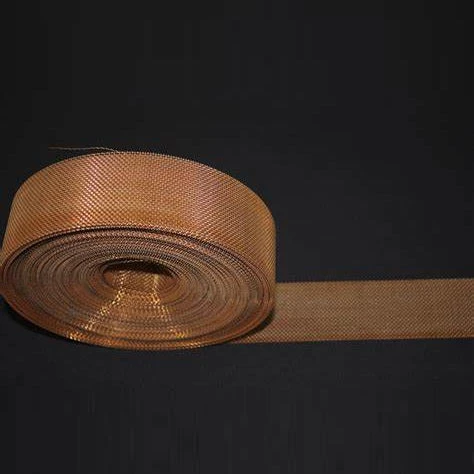
    Phosphor copper wire mesh, also known as copper wire mesh. Materials: QSn6.5-0.1,QSn6.5-0.4 Property: Non-magnetic, wear resistant, good ductility Scope of Mesh : 2-300mesh Scope of wire diameter: 0.08mm-0.8mm Scope of width: usually 1m-1.5meters, and special specifications can be customized according to customer requirements. Scope of length: generally 30 meters. Weave: plain weave, twill weave

tel email tel top

If you are interested in our products, you can choose to leave your information here, and we will be in touch with you shortly.