
Understanding 316 Stainless Steel Wire Mesh: Why It Matters Globally
When we talk about industrial materials that quietly shape everything from infrastructure to food safety, 316 stainless steel wire mesh is one such unsung hero. Perhaps you’ve seen them used as barriers, filtration layers, or even in architectural accents without realizing the technology behind the product. But why does this very specific grade of stainless steel wire mesh matter on a global scale? Well, its corrosion resistance, strength, and versatility literally keep billions of dollars’ worth of equipment and structures running smoothly in harsh environments — think chemical plants, seaside constructions, or even medical facilities.
Understanding what makes 316 stainless steel wire mesh special equips engineers, managers, and specifiers alike to choose the right materials that not only last but perform consistently in critical applications. That means lower maintenance, better safety margins, and less environmental impact — a triple win that makes anyone responsible for materials procurement nod in approval.
The Global Relevance of 316 Stainless Steel Wire Mesh
Globally, stainless steel usage has surged, with the World Steel Association reporting annual production exceeding 50 million metric tons in recent years, where type 316 holds a significant share in corrosive environment applications. What’s compelling is that the ISO standards for stainless steel categorize 316 as an austenitic grade notably containing molybdenum, providing higher resistance to chloride corrosion compared to 304 stainless.
As coastlines expand and industries grow, the demand for materials like 316 stainless steel wire mesh rises too. From wastewater treatment plants in Europe, where harsh chemicals challenge metal longevity, to shipbuilding yards in Asia that demand rust-proof nets, this mesh plays a pivotal role. The challenge it tackles? How to balance price, strength, and corrosion resistance without compromising on either — an issue many industrial sectors debate over endlessly.
What Exactly Is 316 Stainless Steel Wire Mesh?
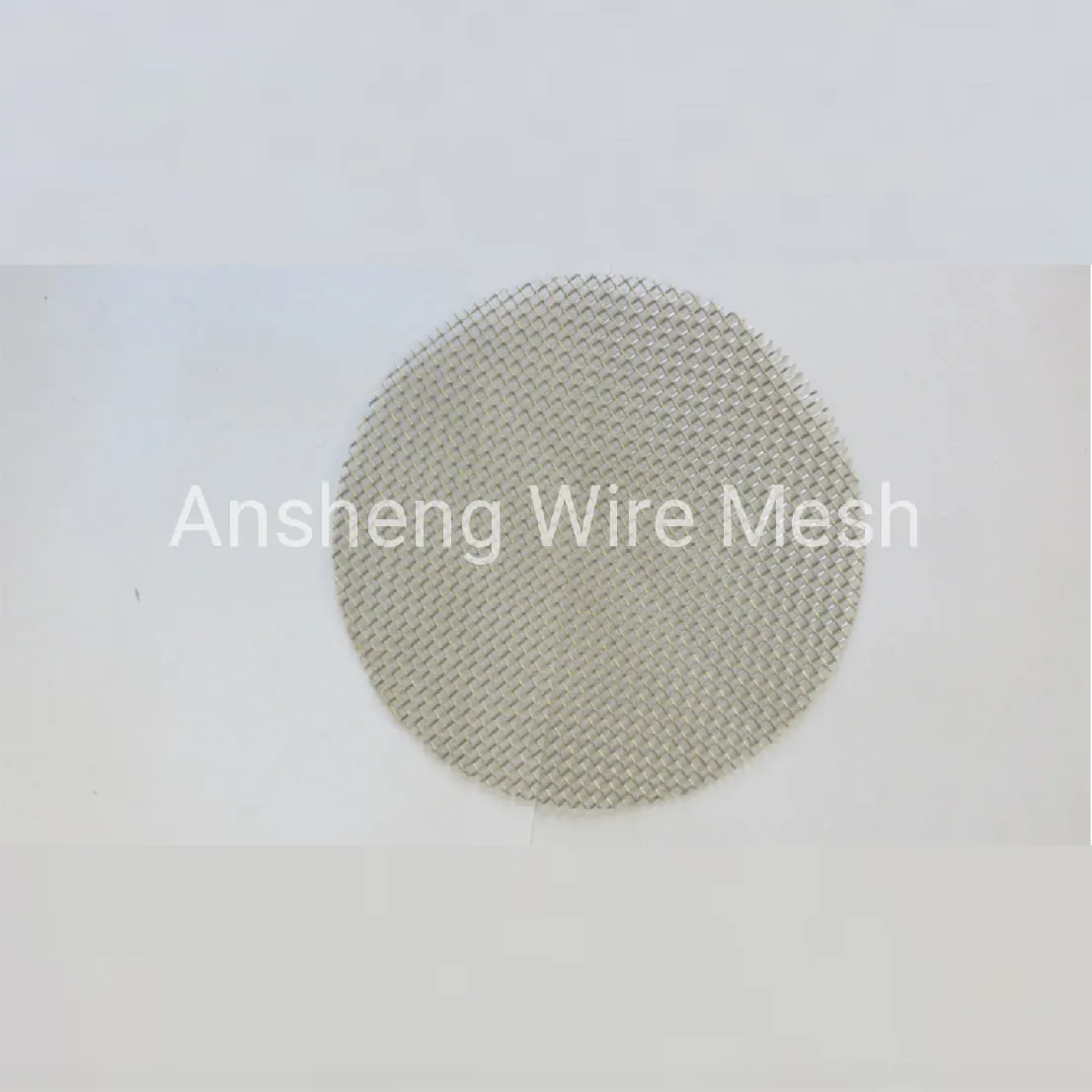
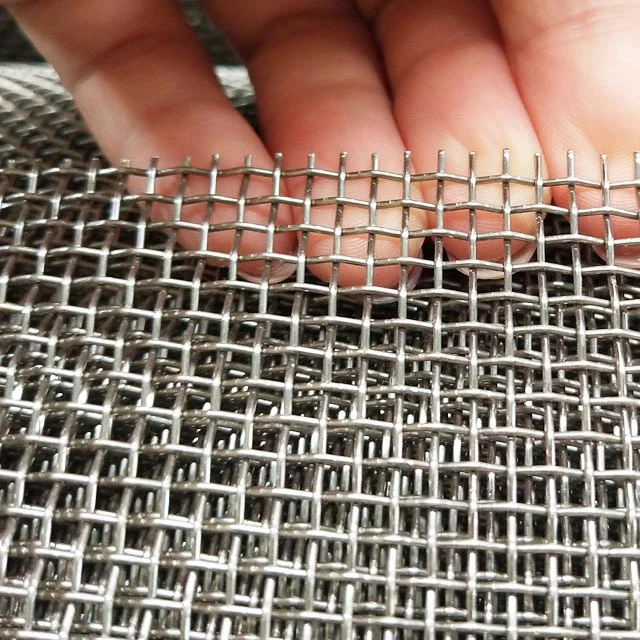
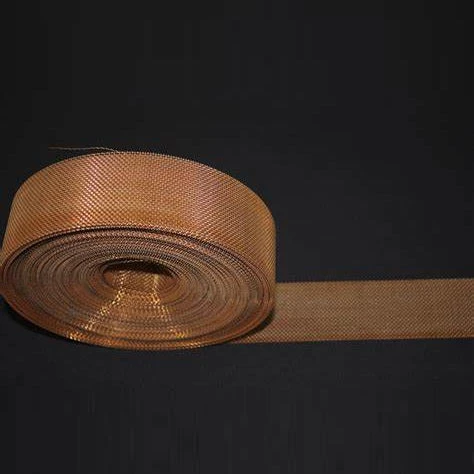
Simply put, it’s a woven or welded mesh made from stainless steel grade 316 wire. The term '316' refers to the steel’s chemical composition, particularly the extra molybdenum that elevates its corrosion resistance, especially against chlorides. These wire meshes come in various aperture sizes and wire diameters, depending on the intended use.
In modern industries — including food processing, chemical, pharmaceutical, and marine sectors — the mesh acts as a protective layer, filter, or reinforcement. Oddly enough, it also finds critical humanitarian applications, for example in building safer post-disaster shelters by reinforcing protective enclosures with lightweight but strong nets.
Core Factors Defining 316 Stainless Steel Wire Mesh
Durability
316 stainless steel wire mesh can withstand harsh conditions — saltwater, acids, high temperatures — without degrading quickly. Many engineers say it outperforms similar mesh grades in tough environments, which means fewer replacements and downtime.
Corrosion Resistance
This is the real game-changer. Thanks to its higher molybdenum content (roughly 2–3%), it offers superior resistance to chlorides and other industrial chemicals. This makes it ideal for coastal, chemical processing, and marine uses where corrosion can quickly ruin cheaper metals.
Cost Efficiency
While 316 mesh is pricier upfront compared to, say, common carbon steel or 304 stainless mesh, the extended lifespan and reduced maintenance translate into lower total ownership costs. It’s the classic “pay more now, save later” scenario.
Customization & Scalability
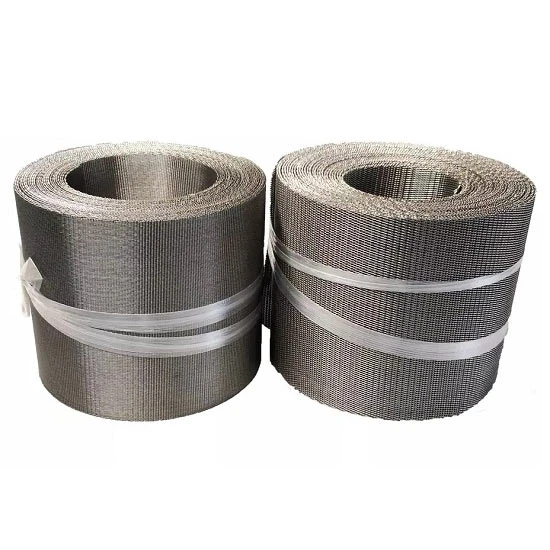
The mesh can be precisely woven or welded to suit project specs — varying apertures, wire thicknesses, roll lengths, and tensile strengths. This scalability makes it flexible for small filtration projects or large architectural panels.
Sustainability
Stainless steel is 100% recyclable without loss of quality. The environmental impact of reusing scrap in the steelmaking process helps industries meet evolving sustainability targets, fostering circular economies.
Mini takeaway:
316 stainless steel wire mesh combines durability, corrosion resistance, and versatility in a way few other materials can match — a blend that keeps industries functioning smoothly under pressure.
Where in the World Is 316 Stainless Steel Wire Mesh Making a Real Difference?
Its applications are literally everywhere but here are some notable examples:
- Marine and Offshore Industry: In the North Sea oil rigs or Japan’s coastal plants, the mesh is critical for preventing corrosion in harsh salty environments.
- Food & Beverage Processing: Extensive use in filters and sieves ensures compliance with hygiene standards, especially in Europe and North America.
- Construction: Used in protective screens and reinforcement meshes across Asia’s rapid urban infrastructure growth zones.
- Post-disaster Relief Operations: Lightweight mesh used in reinforced shelters or sanitation facilities in earthquake-prone areas.
Mini takeaway:
This mesh isn’t just a technical curiosity — it’s a practical solution securing industry, health, and safety all around the globe.
Product Specification Table: Typical 316 Stainless Steel Wire Mesh
| Parameter | Specification | Typical Units |
|---|---|---|
| Material Grade | 316 Austenitic Stainless Steel | N/A |
| Wire Diameter | 0.2 - 2.5 | mm |
| Mesh Count | 10 - 400 | wires per inch |
| Open Area | 15% - 70% | % |
| Tensile Strength | 520 - 750 | MPa |
| Corrosion Resistance | Excellent (Chlorides & Acids) | Qualitative |
Comparing Top Vendors for 316 Stainless Steel Wire Mesh
| Feature | Vendor A | Vendor B | Vendor C |
|---|---|---|---|
| Wire Diameter Range (mm) | 0.3 - 3.0 | 0.2 - 2.5 | 0.1 - 2.0 |
| Max Mesh Count | 400 wires/in. | 350 wires/in. | 500 wires/in. |
| Customization Options | High (custom apertures, roll length) | Medium (standard sizes, select customization) | Low (predefined sizes) |
| Delivery Time | 2-4 weeks | 3-5 weeks | 1-3 weeks |
| Certifications | ISO 9001, RoHS | ISO 9001 | None |
Advantages & Long-Term Value of Using 316 Stainless Steel Wire Mesh
Choosing 316 stainless steel wire mesh feels like an investment in peace of mind. Its durability means fewer replacement cycles, which directly reduces operational interruptions and labor costs. Industries from wastewater treatment to pharmaceuticals trust it because contamination risk decreases, and product quality stays consistent. Plus, there's an emotional side to it — safety and reliability build trust with consumers and communities alike. Medical facilities, for example, rely on the mesh’s resistance to bacterial growth to maintain sterile environments, something patients may never see but certainly benefit from.
Emerging Trends & Innovations
Interestingly, the future looks bright for 316 stainless steel wire mesh. With the rise of green energy, it’s increasingly used in filtration systems for hydrogen fuel production and solar panel protection. Digital transformation also impacts production with automated weaving machines ensuring precision and consistency, reducing waste. Sustainability pushes the envelope — vendors now offer product lines made from post-consumer recycled stainless steel, which is a subtle but crucial ecological win.
Challenges & Solutions
Of course, it’s not all smooth sailing. The main limits hinge on cost and fabrication difficulty at extremely fine mesh sizes. But companies innovate by hybridizing mesh with polymer coatings or combining materials to balance cost and performance. Suppliers now offer tailored solutions and improved lead times through smarter inventory management and advanced logistics, a somewhat underestimated factor in material procurement.
FAQ: Common Questions About 316 Stainless Steel Wire Mesh
-
Q: How long does 316 stainless steel wire mesh last in marine environments?
A: Typically, it can last over 20 years due to its superior corrosion resistance, especially compared to other stainless steels. Of course, environment severity impacts lifespan, but in general, 316 is chosen for its proven durability near saltwater.
-
Q: Can 316 stainless steel wire mesh be used for food-grade filtration?
A: Yes, it meets strict hygiene standards and is often used in food processing plants where corrosion and contamination resistance are critical.
-
Q: Is customization available for mesh aperture and roll size?
A: Absolutely. Most vendors offer a wide range of options to meet specific filtering or protective needs, including custom dimensions and wire gauges.
-
Q: How does 316 mesh compare price-wise to 304 mesh?
The upfront cost is roughly 20–50% higher due to molybdenum addition, but long-term value often outweighs this through better corrosion resistance and lower maintenance.
Conclusion: Why 316 Stainless Steel Wire Mesh Is a Wise Choice
From the demanding conditions of offshore oil rigs to sanitized food manufacturing facilities, the versatility and robustness of 316 stainless steel wire mesh keep it at the forefront of industrial and humanitarian solutions worldwide. Its balance of strength, corrosion resistance, and recyclability offers performance that lasts, costs that make sense, and ecological benefits critical for future operations.
If you’re considering 316 stainless steel wire mesh for your next project, rest assured you’re investing in a product engineered to meet the highest global standards and evolving industrial demands.
Ready to learn more or request a quote? Visit our website at Ansheng Filter Screen for detailed product lines and expert support.
References
Post time: Nov . 27, 2025 20:15