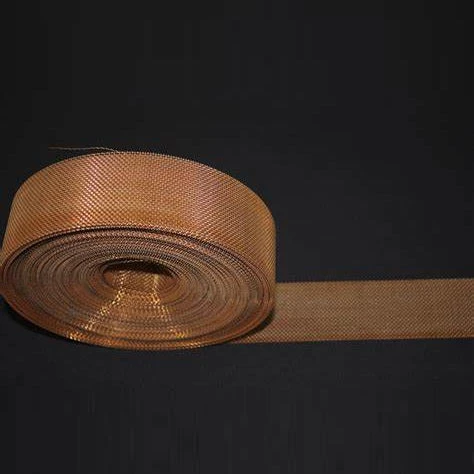

The Global Significance of 1 2 Stainless Steel Mesh
In a world leaning increasingly on reliable materials for critical applications — be it in construction, filtration, or protective gear — 1 2 stainless steel mesh stands out as a quietly essential player. While it might sound niche, understanding its role unlocks insights into everything from sustainable water treatment to safer infrastructure. Globally, nations pushing green technologies and modern industrial design depend on materials like this mesh, helping address challenges linked to durability, corrosion resistance, and efficiency.
Why does it matter? Well, as per data from the International Organization for Standardization (ISO), stainless steel’s use has rocketed in the last decade, largely due to its strength and adaptability. For industries facing harsh environments—think coastal regions prone to corrosion or factories handling aggressive chemicals—the 1 2 stainless steel mesh presents a solution that's both cost-effective and sustainable.
Mini takeaway: This mesh isn’t just wire; it’s a bridge between modern engineering demands and long-term economic, safety, and environmental goals.Understanding What 1 2 Stainless Steel Mesh Really Means
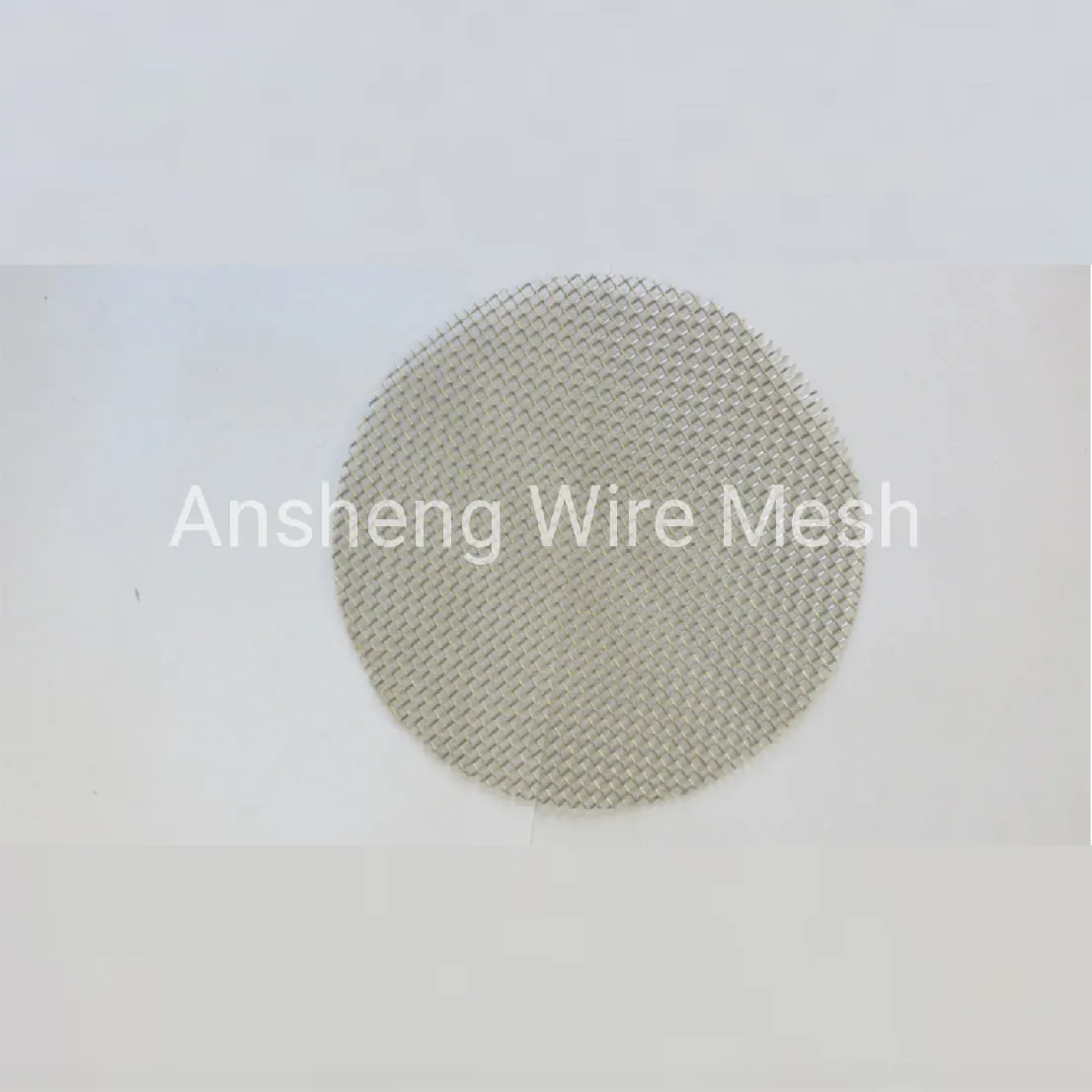
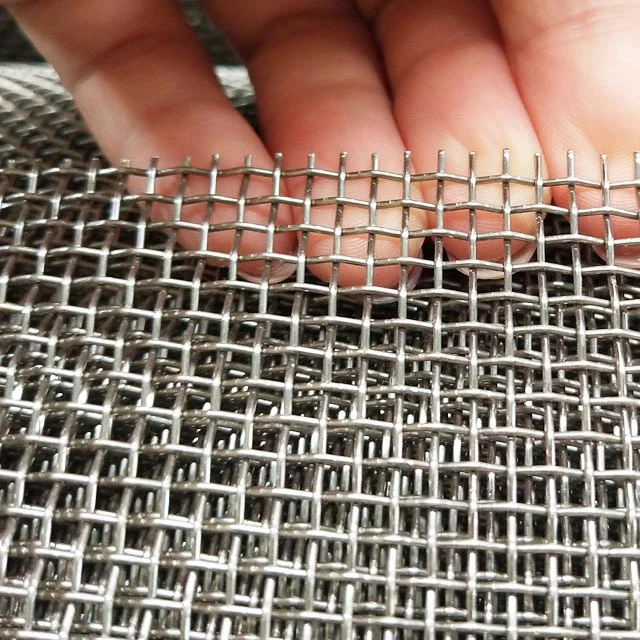
So, what exactly is this product? Simply put, the term refers to a stainless steel woven mesh with a weave comprising 1 strand per 2 units lengthwise (or a variation close to this nominal ratio), offering a particular density and strength. Stainless steel, in itself, is an alloy known for its chromium content which guards against rust and tarnishing.
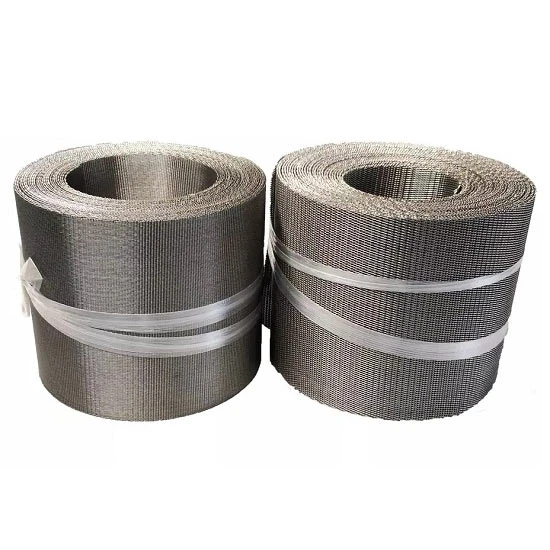
Think of it as a high-performance net that can be customized for varied industries. From the fine meshes used in filtration to the sturdier ones that form protective barriers in machinery, the 1 2 stainless steel mesh size offers a good balance of strength and permeability. This balance is especially critical in humanitarian contexts, such as water purification in refugee camps, where durability and hygiene cannot be compromised.
Core Components Driving The Value of Stainless Steel Mesh
1. Durability and Corrosion Resistance
By maintaining a minimum of 10.5% chromium, these meshes resist oxidizing elements, which is vital for longevity, especially outdoors or in chemically aggressive environments. You’ll often find this mesh surviving years where regular steel would decay quickly.
2. Scalability and Customization
Whether a company needs a tiny, delicate mesh for micro-filtration or a robust screen for industrial sieving, the 1 2 stainless steel mesh can be scaled and modified in weave patterns, strand thickness, and alloy types.
3. Cost Efficiency Over Time
It may appear pricier upfront compared to other materials, but the longevity, minimal maintenance, and recyclability offer a strong ROI. Many engineers say this is the “buy once, use forever” kind of deal.
4. Safety and Hygiene
Non-reactive surfaces ensure no contamination in food or pharmaceutical applications—critical for meeting strict global standards (WHO guidelines, for instance).
5. Versatile Mechanical Strength
The mesh's tensile strength and flexibility make it ideal for protective cages, conveyor belts, and architectural panels alike, absorbing shocks and stresses without deformation.
Mini takeaway: These core features explain its widespread industrial and humanitarian uptake worldwide—different problems solved with one flexible material.Global Applications: Where and How the Mesh Makes a Difference
In practice, 1 2 stainless steel mesh reaches far beyond factories. In Asia’s booming filtration markets, manufacturers depend on it for oil refining filters. European architects like it for ventilated facades that combine function and aesthetics. In Africa, NGOs use meshes to secure safe water sources against contamination.
Consider its use post-disaster: relief organizations leverage these meshes in quick-deploy sanitation units. In remote industrial areas, the material can cope with limited maintenance options, saving costly downtime. It’s a silent contributor to resilience and efficiency in hard-to-reach or under-resourced locations.
Advantages That Add Up Over Time
- Long-Term Cost Savings: Reduced replacements and repairs mean less budget strain.
- Environmental Impact: High recyclability aligns with circular economy goals.
- Safety and Trust: Operators feel secure using a material tested and proven globally.
- Innovation Potential: Compatible with automation technologies — meshes can be produced with smart sensors embedded.
It also plays a surprisingly emotional role — providing dignity and security in humanitarian setups, protecting livelihoods in manufacturing, and shaping livable urban spaces. Honestly, materials that do all this rarely get the spotlight.
Looking Ahead: Future Trends in Stainless Steel Mesh Technology
Innovations keep coming. Smart mesh solutions with embedded IoT sensors promise real-time condition monitoring—minimizing downtime and predicting maintenance needs. New eco-friendly alloys aim to reduce environmental footprints further while maintaining strength. And of course, digital manufacturing techniques like laser weaving add precision others can’t match.
With growing attention on climate resilience and sustainable building, 1 2 stainless steel mesh is likely to become part of more green infrastructure, combining traditional reliability with modern digital advantages.
Challenges and How Industry Leaders Are Facing Them
Not everything’s rosy — stainless steel production has a significant carbon footprint. Supply chain disruptions can impact availability and cost. Also, heavier gauges can reduce flexibility in some use cases. To tackle this, manufacturers optimize alloy compositions and partner with sustainable mining initiatives.
From a technical standpoint, combining materials (hybrids) or surface treatments helps extend the mesh’s utility, sometimes blending stainless steel with polymers or ceramics for specific environments. It’s a field in flux but moving towards smarter, greener outcomes.
Frequently Asked Questions About 1 2 Stainless Steel Mesh
- Q: What makes 1 2 stainless steel mesh a better choice than other metal meshes?
- A: Its balance of corrosion resistance, mechanical strength, and customizable sizing makes it suitable for diverse applications, outperforming cheaper meshes that may rust or degrade faster.
- Q: How long can 1 2 stainless steel mesh last in harsh outdoor environments?
- A: Typically, it can last decades—20 years or more—depending on the grade and maintenance, making it excellent for long-term infrastructure needs.
- Q: Is this type of mesh recyclable and eco-friendly?
- A: Yes, stainless steel is 100% recyclable without losing quality, supporting circular economy principles.
- Q: Can the mesh be customized for specific filtration requirements?
- A: Absolutely. Weave density, strand diameter, and alloy composition can be tailored per application.
- Q: How easy is it to source 1 2 stainless steel mesh internationally?
- A: Many reputable vendors support global shipping, and import regulations are generally straightforward if certifications comply with destination standards.
Product Specification Table: Typical 1 2 Stainless Steel Mesh Variants
| Parameter | Specification | Unit | Notes |
|---|---|---|---|
| Weave Size | 1x2 strands per inch | inches | Nominal mesh count |
| Material Grade | 304 / 316 Stainless Steel | - | 316 offers better corrosion resistance |
| Wire Diameter | 0.3 - 1.0 | mm | Adjustable per requirement |
| Open Area % | 35-50% | % | Depends on wire and weave |
| Tensile Strength | 520 - 750 | MPa | Varies by alloy and treatment |
Comparison of Leading Vendors for 1 2 Stainless Steel Mesh
| Vendor | Product Range | Customization | Lead Time | Global Shipping | Notable Clients |
|---|---|---|---|---|---|
| Ansheng Filter Screen | Wide: filtration, architectural, industrial meshes | Full, including custom alloys | 2-4 weeks | Yes | Major NGOs, industrial manufacturers |
| MetalMesh Co. | Standard meshes, less specialization | Limited | 1-3 weeks | Regional only | Small manufacturers |
| Global Weaves Ltd. | Industrial, heavy-duty meshes | Moderate | 3-6 weeks | Yes | Energy, mining sectors |
Frankly, if you’re shopping for reliable 1 2 stainless steel mesh, the choice often boils down to how nuanced your needs are and the speed of delivery required. 1 2 stainless steel mesh by Ansheng Filter Screen seems to hit that sweet spot for many.
Final Thoughts
It's odd how something as understated as stainless steel mesh can be so crucial across so many disciplines — from keeping industrial systems humming to ensuring safe water in crisis zones. The 1 2 stainless steel mesh typifies a practical innovation that quietly supports the world’s push for sustainability, resilience, and safety.
If you want to explore how this material could enhance your projects, whether industrial, architectural, or humanitarian, I’d strongly suggest starting with trusted suppliers, and why not take a look at Ansheng Filter Screen for a comprehensive preview? There’s quite a lot tucked into those woven wires.
References:
1. ISO Stainless Steel Standards
2. Wikipedia: Stainless Steel
3. WHO Water Sanitation Publications
Post time: Nov . 30, 2025 02:35