
Understanding the Fine Stainless Steel Mesh Screen: Why It Matters Worldwide
At first glance, a fine stainless steel mesh screen might not sound like the most riveting subject — but if you work in filtration, manufacturing, or even humanitarian aid, its role can’t be overstated. This seemingly simple product plays a vital part in improving safety, efficiency, and sustainability across countless industries. From making sure pharmaceuticals are contaminant-free to protecting water supplies in disaster zones, understanding its qualities helps unlock smarter applications worldwide.
Fine stainless steel mesh screens combine durability and precision, qualities increasingly demanded by a world reliant on clean, reliable materials. So why the fuss? Because when you consider global challenges like access to clean water, industrial pollution, and food safety, you realize these mesh solutions quietly underpin the infrastructure of modern life.
Mini takeaway: Don’t underestimate fine stainless steel mesh screens—they’re foundational to many global solutions spanning health, industry, and environmental stewardship.
Global Context: Why Fine Stainless Steel Mesh Screens are Essential Today
The global filtration and screening market—even beyond stainless steel—was valued at over $45 billion in 2022, according to industry analyses, and continues to grow roughly 6% annually. The International Organization for Standardization (ISO) stresses quality and precision in screening materials to help meet rising environmental and industrial standards worldwide.
Water scarcity and pollution affect about 2.2 billion people globally (WHO), and it turns out fine stainless steel mesh screens are crucial components in many portable filtration kits aimed at remote or disaster-affected populations. Likewise, industries from chemical processing to food production depend heavily on stainless steel mesh for reliable separation and sieving.
In real terms, if you consider how many lives rest on water filtration, chemical purity, or even food safety, a compass-less reliance on cheap or unreliable filters in the field can cause major issues. And here, fine stainless steel mesh screens step up.
Mini takeaway: Global health crises and industrial demands both intersect to increase reliance on fine stainless steel mesh, boosting innovation and quality requirements.
What Exactly is a Fine Stainless Steel Mesh Screen?
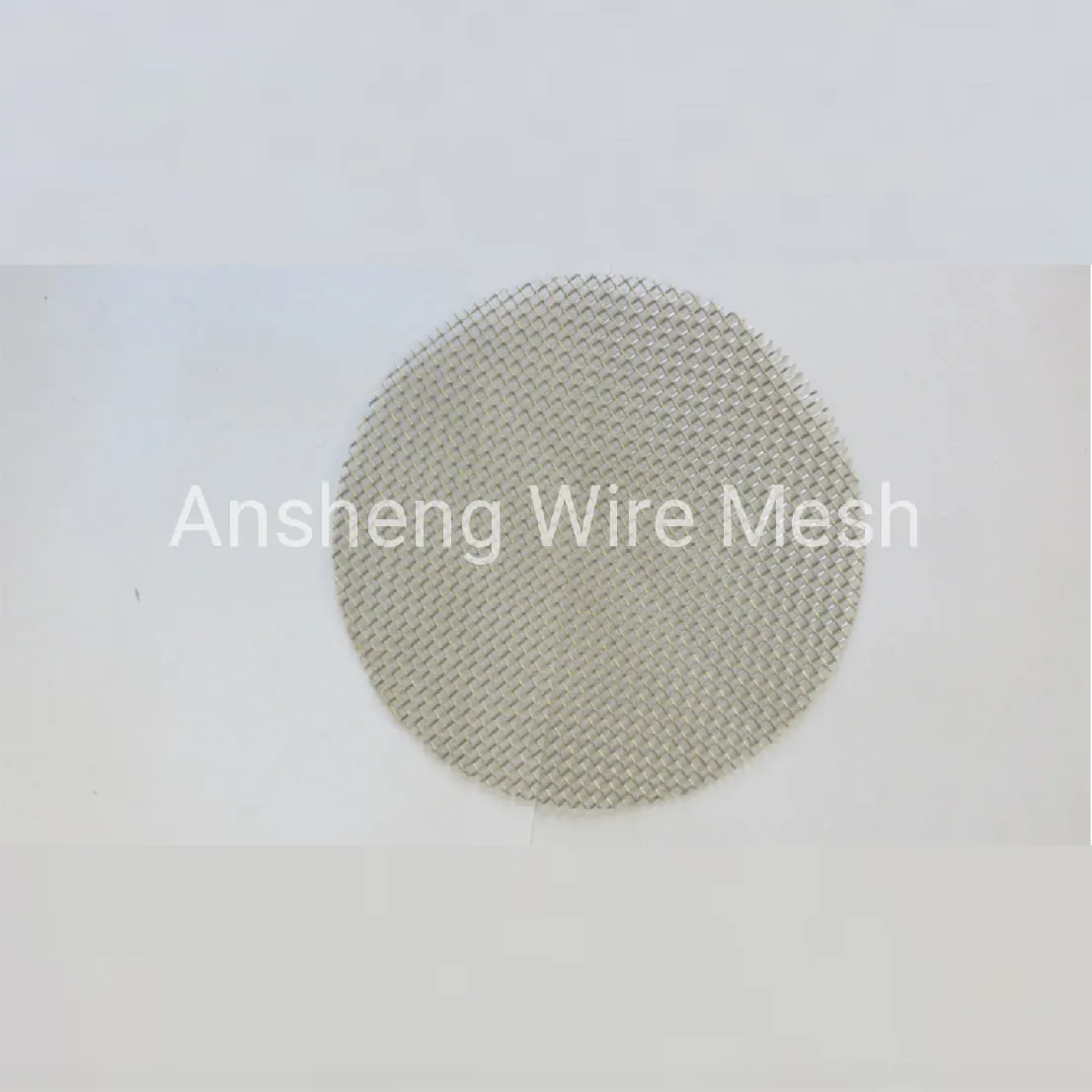
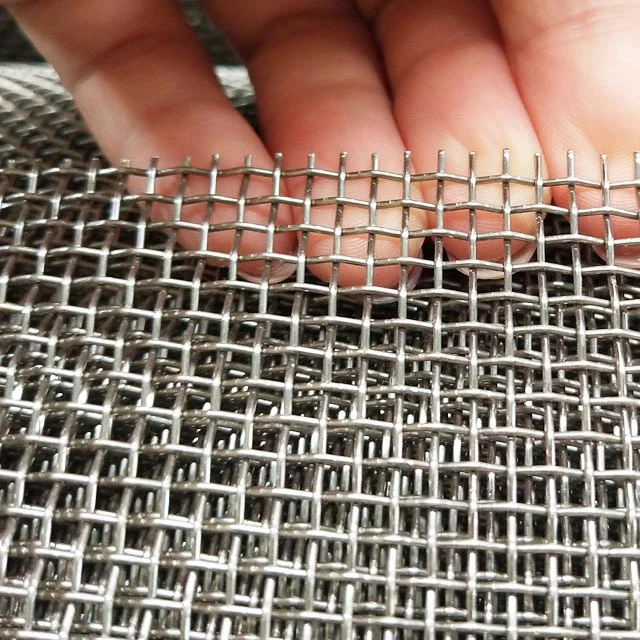
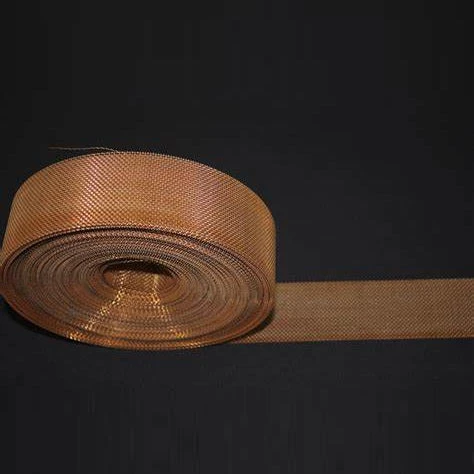
Put simply, a fine stainless steel mesh screen is a woven or welded metal fabric made from stainless steel wires, crafted with very tight apertures to allow precise filtration or screening. Stainless steel—the choice material here—is prized for its corrosion resistance, tensile strength, and longevity.
Think of it as a microscopic sieve: it lets fluids or gases through while blocking any unwanted particles or debris above a certain size. And unlike synthetic meshes, these stainless steel versions can withstand harsh chemicals, extreme temperatures, and mechanical stresses without degrading.
The “fine” qualifier means the mesh weave is tight, often with 100 or more openings per inch (measured in mesh counts), capable of filtering particles down to microns in size. It’s this precision that makes it indispensable in sectors like pharmaceuticals, aerospace fuel systems, and high-end water treatment.
Fine stainless steel mesh screens aren’t just industrial components—they also help meet growing humanitarian and environmental standards globally.
Mini takeaway: These finely woven stainless steel sheets may look simple but stand at the frontier of precision, strength, and reliability where it counts.
Essential Characteristics of Fine Stainless Steel Mesh Screens
1. Durability and Corrosion Resistance
The use of stainless steel alloys (commonly grades 304 or 316) means the mesh can survive harsh environments, from salty seawater to acidic solutions. This translates to longer service life and less downtime for replacements.
2. Precise Filtration Capability
The tight weave patterns enable filtering particles from sub-micron up to several hundred microns. As a result, industries can achieve exacting purity standards without sacrificing flow rates.
3. Heat and Chemical Tolerance
Whether in a refinery or a pharmaceutical cleanroom, these meshes can withstand extreme temperature cycles and exposure to chemicals without warping or rusting, unlike plastic or less robust metals.
4. Customizability
They come in various mesh sizes, wire diameters, and weave types (plain, twill, Dutch weave), tailored to specific filtration or screening needs.
5. Easy Maintenance
Many screens can be backwashed, cleaned with ultrasonic baths, or chemically sterilized, ensuring they remain effective over multiple uses.
| Specification | Typical Range | Notes |
|---|---|---|
| Material Grade | 304, 316 stainless steel | 316 better for marine/chemical resistance |
| Mesh Count | 50–400 mesh | Higher count means finer filtration |
| Wire Diameter | 0.02–0.2 mm | Affects strength & aperture size |
| Weave Type | Plain, twill, Dutch weave | Twill for better flow & strength, Dutch for ultra-fine |
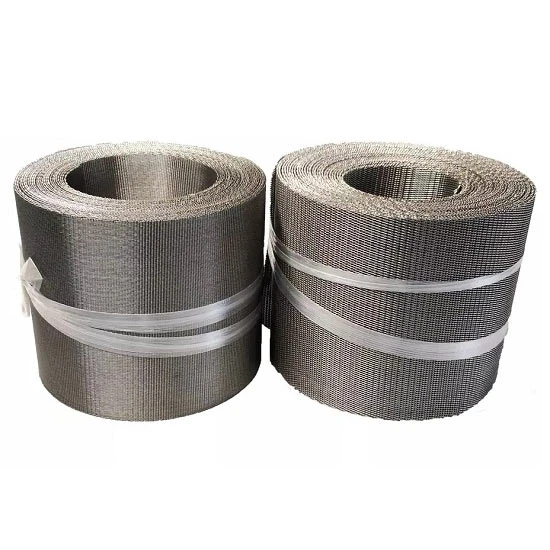
| Sheet Size | Customizable | Cut to fit machines or filters |
Mini takeaway: Durability and precision weave options make these meshes uniquely versatile and tailored to tough, precise jobs.
Applications Around the Globe: Where Fine Stainless Steel Mesh Screens Make a Difference
Water treatment plants worldwide use these meshes to block sediments and microorganisms, ensuring safe drinking water even in challenging environments. For example, in Southeast Asia, portable filtration systems employing such screens have been lifesavers in flood-affected regions.
In the chemical and pharmaceutical industries, precision filtration keeps products pure and compliant with regulations. Swiss and German manufacturers, known for their meticulous standards, depend on fine stainless steel mesh screens heavily.
Food processing uses these screens in sieves and sorting machines to remove debris or separate grains, nuts, and liquids while meeting stringent hygiene requirements.
Oddly enough, even space agencies rely on stainless steel mesh filters to manage fluids and gases in spacecraft systems, where failure is not an option.
One smaller but growing application is in remote disaster relief and field hospitals, where modular water treatment kits use these meshes to provide safe water rapidly and reliably.
Regionally, Asia-Pacific, Europe, and North America lead market demand, mainly due to industrial reliance and increasing environmental standards.
Mini takeaway: From local disaster zones to spacecraft, fine stainless steel mesh screens quietly enable many critical global operations.
Why Invest in Fine Stainless Steel Mesh Screens? The Long-Term Value
- Cost-efficiency: Their longevity and resistance to wear reduce replacement frequency.
- Sustainability: Fully recyclable and reducing waste compared to synthetic mesh alternatives.
- Reliability: Consistent performance in harsh environments, instilling trust in safety-critical applications.
- Social impact: Enhanced water and food safety improve quality of life and dignity.
- Innovation: Integration into smart filtration systems can optimize resource use.
Frankly, these benefits form a business case almost identical to investing in quality components elsewhere — a small premium upfront pays off in far fewer headaches down the road.
Mini takeaway: Fine stainless steel mesh screens save money, protect the environment, and contribute to social good all at once.
What’s Next? Trends & Innovations in Fine Stainless Steel Mesh Screen Technology
Emerging trends increasingly emphasize sustainability and digital integration. For example, coatings with nanomaterials may enable self-cleaning surfaces, reducing maintenance needs. Plus, sensors embedded near or within the mesh can provide real-time monitoring of clogging or chemical breaches — a neat step towards Industry 4.0.
In addition, there’s ongoing research into bio-resistant wirings to improve lifespan in medical or food environments where microbial growth can be an issue.
Green manufacturing processes for stainless steel alloys aim to reduce carbon footprints and ensure ethical material sourcing — all topics that customers increasingly ask about.
Mini takeaway: Expect fine stainless steel mesh screens to get smarter, cleaner, and greener in the coming years.
Challenges and How Experts Are Tackling Them
Of course, no product is perfect. Challenges with fine stainless steel mesh screens typically come down to cost (compared to synthetic options), weight, and sometimes difficulty in cleaning ultra-fine meshes.
Innovative solutions include:
- Hybrid meshes combining stainless steel with polymers to cut weight.
- Advanced ultrasonic or chemical cleaning routines to prolong operational cycles.
- Design tweaks like modular screen units for easier field replacement.
Many engineers emphasize preventative maintenance and proper selection at the design stage to avoid costly failures later.
Mini takeaway: Tackling these challenges is largely about smarter design, maintenance, and investing in new materials technology.
FAQ: Your Questions About Fine Stainless Steel Mesh Screens
- Q1: How do I choose the right mesh size for my filtration needs?
- A: Consider the particle size you need to filter, flow rates, and chemical exposure. Higher mesh counts filter smaller particles but reduce flow, so balance is key. Consulting with a filter specialist helps align specs to your exact application.
- Q2: Is stainless steel mesh reusable and easy to clean?
- A: Yes, most fine stainless steel meshes can be cleaned via backwashing, ultrasonic baths, or chemical sterilization, making them reusable. The cleaning method depends on the type of fouling and the mesh's weave.
- Q3: What environments are stainless steel meshes unsuitable for?
- A: Although very versatile, extreme alkali solutions (especially caustic soda at high concentrations) and certain strong acids can degrade some stainless steel grades. Specialized alloys or coatings may be needed.
- Q4: Can fine stainless steel mesh screens be customized?
- A: Absolutely. Vendor collaboration allows customization of mesh count, wire diameter, weave pattern, and sheet size to fit diverse industrial demands.
- Q5: How do I import these meshes for international projects?
- A: Most manufacturers comply with international standards for export. Ensure customs paperwork is in order and check for any relevant import tariffs or certifications needed in the destination country.
Comparing Leading Fine Stainless Steel Mesh Screen Vendors
| Vendor | Material Grades | Customization | Global Reach | Price Range |
|---|---|---|---|---|
| Ansheng Filter Screen | 304, 316, specialty alloys | Full custom specs | Worldwide | Mid to Premium |
| Global Mesh Solutions | 304, 316 | Standard sizes + some custom | Europe, Asia | Low to Mid |
| Precision Screen Tech | Specialty alloys & coatings | Highly customizable | North America | Premium |
Wrapping It Up: Why Fine Stainless Steel Mesh Screens Are a Solid Investment
Whether for industrial filtration, clean water projects in underserved regions, or cutting-edge aerospace applications, fine stainless steel mesh screens quietly hold up the best parts of our global infrastructure. Their blend of durability, precise filtration, and adaptability makes them essential in the face of growing environmental challenges and industrial complexity.
If you're looking to invest in quality and longevity, these mesh screens are hard to beat. Visit Ansheng Filter Screen to explore tailored options, expert advice, and proven product lines that fit your exact needs.
Oddly enough, the simpler the product appears, the more vital it really is. Here's to your next filtration project—may it run smoothly.
References
Post time: Nov . 30, 2025 04:15