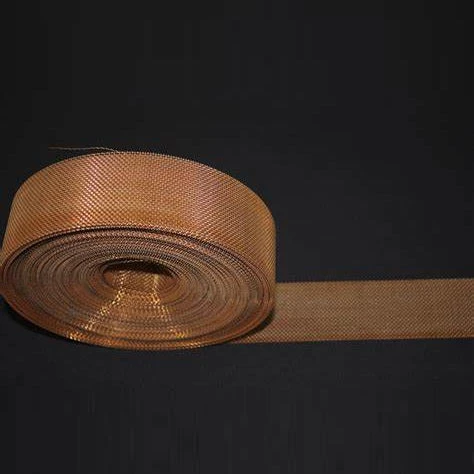

What Is Stainless Steel Security Screen Mesh and Why It Matters
Stainless steel security screen mesh — you might’ve seen it on windows, doors, or industrial barriers without giving it much thought. But this stuff is quietly solving some huge challenges globally, from safeguarding homes in cyclone-prone regions to securing hospitals in conflict zones. It’s not just about protection; it’s about longevity, sustainable safety, and a subtle kind of resilience that many communities rely on.
Understanding stainless steel security screen mesh unlocks a world where durability meets design and where critical infrastructure stays safe while still letting in light and air. So if you’re curious about materials that quietly marry technology and human ingenuity, this article is for you.
The Global Context: Why Stainless Steel Mesh Is More Relevant Than Ever
Here’s the big picture — according to the International Organization for Standardization (ISO) and United Nations, safety standards in building materials have grown significantly as urban populations balloon and climate change sparks more frequent extreme weather events. Around 55% of the world’s population currently lives in urban areas, and that’s only going up.1 With this densification, ensuring buildings are both secure and ventilated isn’t just a luxury but a necessity.
Stainless steel security screen mesh addresses this by providing lightweight but tough barriers that protect people and property without sacrificing airflow or visibility. It’s a smart answer to the conundrum of safety versus comfort.
What Exactly Is Stainless Steel Security Screen Mesh?
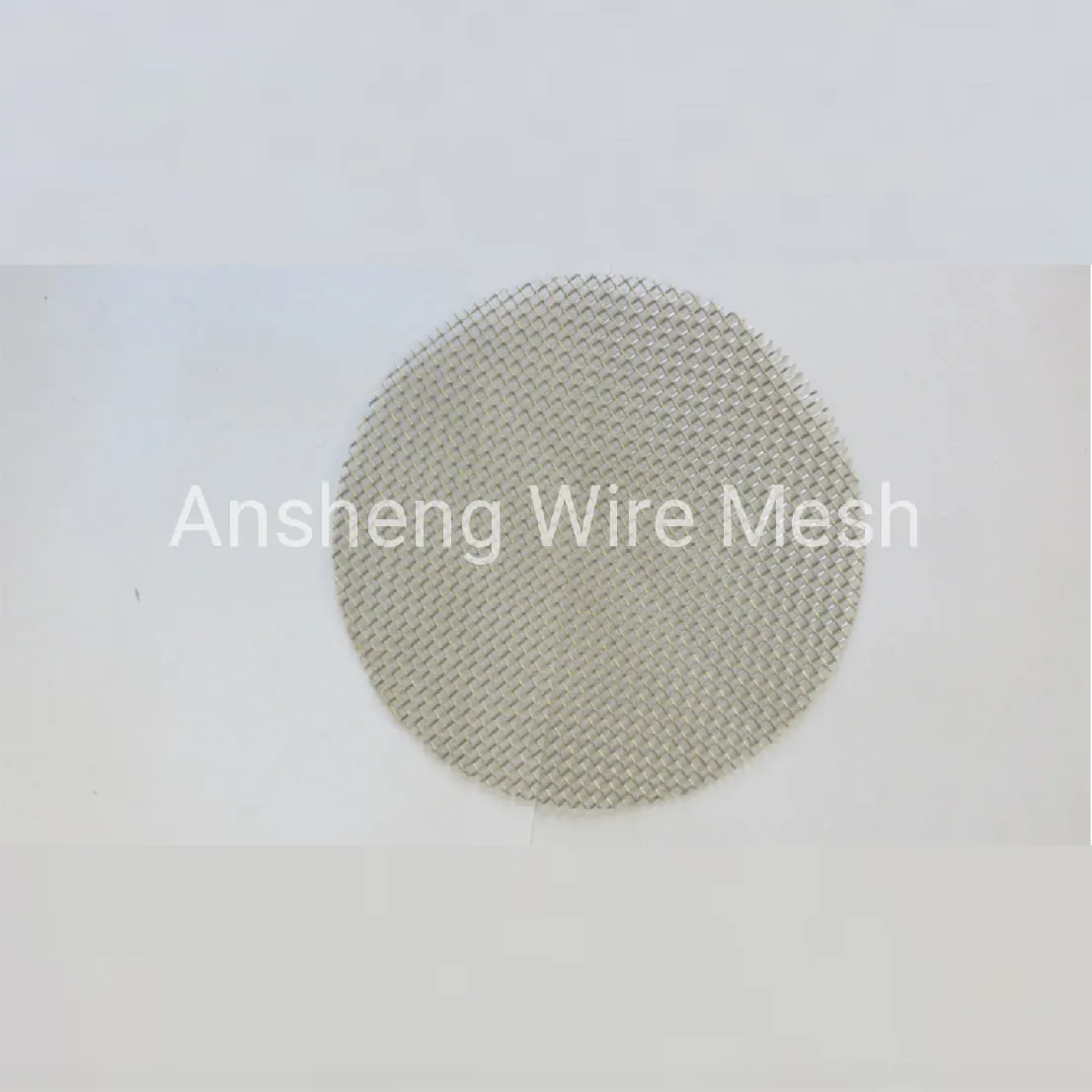
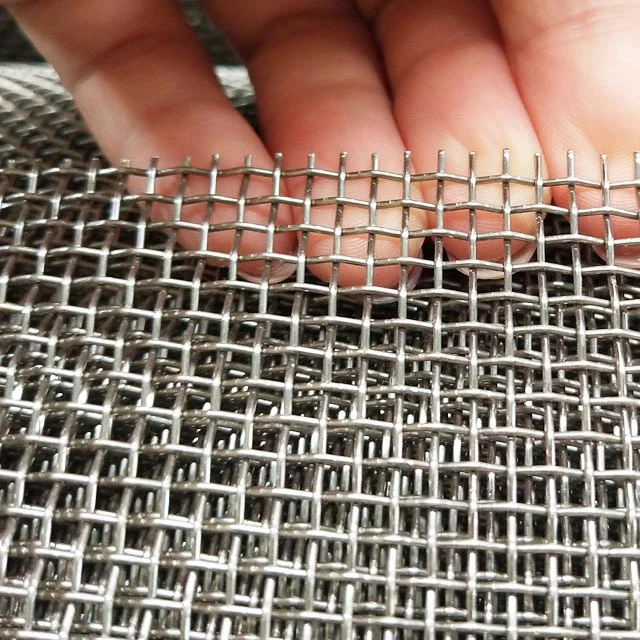
Simply put, stainless steel security screen mesh is a type of woven or welded metal mesh made from corrosion-resistant stainless steel. It’s designed primarily for security purposes — this means keeping intruders out, insects away, or debris from entering certain spaces — while still allowing air, light, and sometimes sound to pass through.
This mesh is a modern evolution of traditional window screens, but it’s engineered to meet rigorous industrial and commercial standards. Different grades of stainless steel and weave patterns make it highly adaptable to a variety of environments — from tropical climates where rust would kill other metals quickly, to heavy-duty industrial sites.
Key Characteristics That Make It Work
Durability and Corrosion Resistance
The stainless steel alloys used have chromium, nickel, and sometimes molybdenum added to fend off rust and corrosion. That’s critical in coastal areas or factories exposed to chemicals, where rust could quickly compromise security.
Strength & Impact Resistance
Depending on the wire diameter and mesh size, these screens can withstand quite a bit of impact — think blunt hits, aggressive tampering, or small tools. Engineers often test them against break-in attempts that mimic real-world risks.
Visibility and Airflow
Oddly enough, the challenge is often balancing protection and visibility. Too tight a weave, and you suffocate the space; too loose, and it’s a security risk. Manufacturers carefully design mesh aperture — the open spaces between wires — to optimize both.
Customization & Scalability
From custom sizes to powder coatings and special finishes, stainless steel security screen mesh is surprisingly adaptable. It’s used across small residential window screens, large industrial ventilation panels, and even security cages.
| Specification | Details |
|---|---|
| Material Grade | 304, 316L (Marine Grade) |
| Wire Diameter | 0.3 mm - 1.2 mm |
| Mesh Size | 5 mesh to 150 mesh |
| Tensile Strength | > 500 MPa |
| Finish | Mill, Polished, Powder Coated |
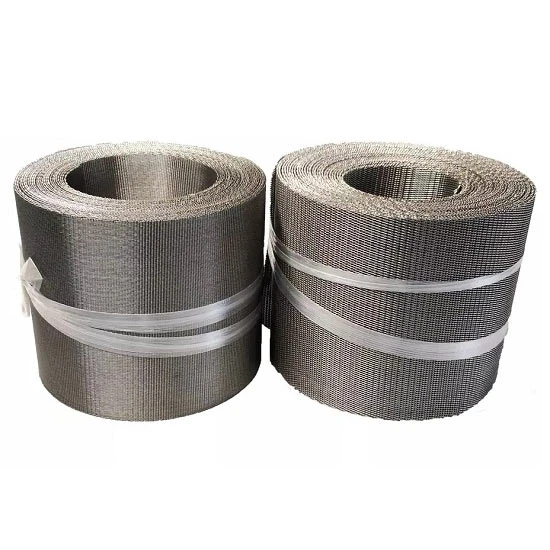
| Standard Sizes | 1m x 30m, 1.2m x 25m |
Mini takeaway: Durability and design precision are the backbone of stainless steel security screen mesh’s effectiveness — it’s no accident this mesh is the material of choice for many industries worldwide.
Where and How Is Stainless Steel Security Mesh Used Globally?
The versatility of this mesh makes it popular in many corners of the globe and sectors:
- Residential Security: In Australia and New Zealand, homeowners use stainless steel mesh for flyscreens that double as an intrusion barrier without compromising aesthetics.
- Industrial Settings: Foundries and chemical plants in Europe favor it due to its chemical resistance.
- Disaster Relief: NGO shelters in cyclone-affected regions of Southeast Asia utilize the mesh to keep living quarters safe and ventilated under harsh conditions.
- Healthcare Facilities: Hospitals in Africa integrate stainless steel mesh screens for infection control and safety around patient wards.
For a deep dive into specialty applications and installation tips, check out our stainless steel security screen mesh resource page.
Mini takeaway: Whether protecting homes or critical infrastructure, the mesh’s mix of strength and subtlety fits a wide array of practical needs worldwide.
The Advantages and Real Value of Stainless Steel Security Screen Mesh
When you think about investing in security infrastructure, you want solutions that last decades, not just a few years. That’s exactly where stainless steel security screen mesh shines.
- Longer Lifespan: Corrosion resistance means it doesn’t degrade or weaken quickly, minimizing replacements.
- Cost Efficiency: While the upfront cost may feel a touch higher than standard mesh, the durability and minimal maintenance quickly save money.
- Environmental Sustainability: Stainless steel is recyclable, and its longevity reduces material waste.
- Enhanced Security: Reliable physical protection creates peace of mind for residents and workers.
- Improved Comfort: Air and light flow freely, improving indoor environmental quality.
Many engineers note that the mesh feels like “the perfect silent guardian” — strong but unobtrusive. That kind of trust goes a long way.
Emerging Trends and Innovations in Security Screen Mesh
The future looks exciting. We’re seeing innovations like embedded digital sensors that detect breaches or damage and alert security teams instantly. Plus, manufacturers experiment with nano-coatings that enhance anti-bacterial properties — a clear plus for hospitals.
Sustainability continues to be a huge driver — using recycled stainless steel, reducing carbon footprint in production, and designing mesh that’s easier to recycle at end-of-life. For industrial users, integration with automated ventilation control systems is becoming more common.
Common Challenges and How Innovators Are Tackling Them
Stainless steel mesh isn’t perfect. Some challenges include higher initial costs, installation complexity in certain retrofit projects, and occasional over-specification leading to unnecessary expense.
To counter this, many vendors offer modular panels and easy-fit frames to speed up installation. Advances in customization software mean you can order precisely what you need without costly overages. Plus, educating customers on lifecycle cost benefits rather than just upfront pricing helps widely.
| Vendor | Material Grades Offered | Customization | Lead Time | Typical Use Cases |
|---|---|---|---|---|
| Ansheng Filter Screen | 304, 316L | High (custom sizes, coatings) | 2-3 weeks | Security windows, industrial filters |
| GlobalMesh Solutions | 304 only | Moderate (limited coatings) | 3-5 weeks | Residential screens, insect control |
| SecureWeave | 316L | High (mesh patterns, sensors) | 4 weeks | Industrial security, smart mesh |
FAQs About Stainless Steel Security Screen Mesh
1. Is stainless steel security screen mesh suitable for coastal environments?
Absolutely. The corrosion resistance of stainless steel, especially 316 marine grade, makes it ideal for salty, humid environments where other metals would quickly rust and fail.
2. How does stainless steel mesh compare to aluminum mesh in strength?
Stainless steel is generally stronger and more impact resistant than aluminum mesh. While aluminum is lighter and cheaper, it’s less durable in harsh or security-sensitive applications.
3. Can the mesh be powder coated for color customization?
Yes, many vendors offer powder coating options to match building aesthetics while adding an extra protective layer. This can enhance UV resistance and overall longevity.
4. How easy is it to clean stainless steel mesh? Does it require special care?
Cleaning is straightforward — usually just soap and water, or mild detergent. Stainless steel’s smooth surface resists dirt and bacterial buildup better than porous materials.
5. Are there regulations or standards to consider when purchasing security mesh?
Yes. ISO and ASTM standards cover mesh strength and composition. It’s wise to check local building codes and choose mesh that complies with relevant security and safety certifications.
Final Thoughts: Why Stainless Steel Security Screen Mesh Is a Wise Long-Term Investment
In real terms, choosing secure yet breathable barriers like stainless steel screen mesh extends well beyond simple protection. It’s about community safety, environmental responsibility, and ensuring infrastructure can handle whatever the future holds.
If you’re looking to explore options or customize a solution, I’d encourage you to visit Ansheng Filter Screen’s website — their range and expertise set a pretty high bar.
Mini takeaways: Durable, versatile, and sustainable — stainless steel security screen mesh isn’t just a product, it’s an investment in lasting protection.
References
- United Nations: Urbanization and sustainable development
- ISO Standards for stainless steel materials
- Wikipedia: Stainless Steel
Post time: Nov . 30, 2025 00:50