
Durable Copper Chicken Wire Mesh Solutions for Industrial Excellence | Ansheng Filter Screen

Copper Chicken Wire Mesh is a key solution in the industry, specifically within agricultural fencing, industrial safety applications, and architectural design. This article explores how https://www.anshengfilterscreen.com supports professionals with durable, high-performance products, and explains why this product is an ideal choice for businesses in these sectors.

Table of Contents

Copper Chicken Wire Mesh Overview

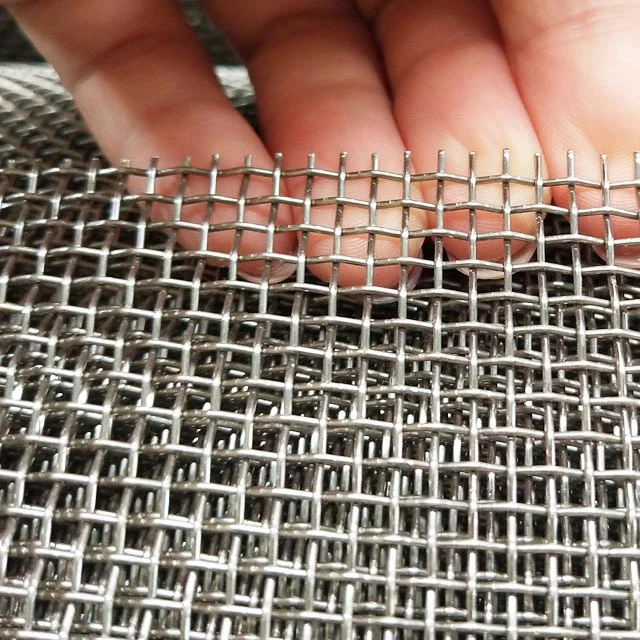
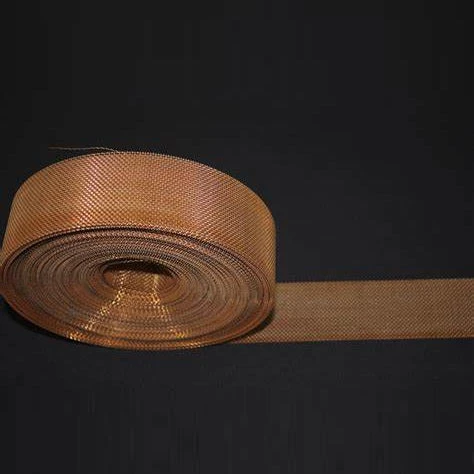
Copper Chicken Wire Mesh, at its core, is a woven mesh made from copper wire, typically arranged in a hexagonal pattern similar to traditional chicken wire. But what makes it stand out from the usual galvanized steel alternatives is its outstanding corrosion resistance and inherent antimicrobial properties—qualities that frankly make it a smart choice in demanding environments. This mesh is widely used for fencing, filtration, and even some specialized architectural applications.

Its technical specs usually include wire diameters ranging between 0.3 mm and 1.5 mm and mesh hole sizes from 6 mm to 25 mm. At Ansheng Filter Screen, products are crafted with precision ensuring uniform strength and flexibility—critical parameters that many engineers I've spoken with mention when selecting mesh for corrosion-heavy environments. A recent case saw their copper mesh used in preserving artifacts at a museum where preventing chemical contamination was a priority.

Specification Range / Value
Wire Diameter 0.3 mm - 1.5 mm
Mesh Opening Size 6 mm - 25 mm
Material Purity 99.9% Pure Copper
Finish Annealed / Untreated / Coated options
Standard Widths 0.5 m - 2 m rolls

Benefits & Use Cases of Copper Chicken Wire Mesh

When it comes to benefits, Copper Chicken Wire Mesh really shines in applications requiring longevity and resistance to the elements. For instance, in agricultural settings, copper mesh helps reduce bacterial and fungal growth around livestock—oddly enough, that antimicrobial property seems to reduce illness rates where regular steel mesh sometimes falls short. Many facilities also use copper mesh in ventilation systems and filtration stages because it doesn’t rust or degrade like steel alternatives.

From a functional standpoint, this wire mesh offers excellent flexibility without sacrificing strength, making installation easier and reducing breakage risk during handling. Engineers appreciate its excellent conductivity which, yes, can be beneficial in certain industrial applications like creating Faraday cages or EMI shielding inside equipment housings. Honestly, the versatility is impressive—and few materials can tick all these boxes at once.

Feature Copper Chicken Wire Mesh Galvanized Steel Wire Mesh
Corrosion Resistance Superior Moderate
Antimicrobial Properties Yes No
Flexibility High Medium
Electrical Conductivity Excellent Low
Maintenance Requirements Low Medium to High

Cost, Maintenance & User Experience

Now, if you’re wondering about the cost, naturally copper wire mesh prices tend to be higher than steel options—but frankly, when looking at total cost of ownership, many professionals tell me the investment pays off fast. Durability means fewer replacements, less downtime, and ultimately better ROI. Plus, the lower maintenance burden reduces labor costs over time. Anshen Filter Screen's copper mesh products often come up in user reviews praising their consistently high quality and uniformity, which eases installation challenges.

From real-world feedback, customers in chemical plants revealed that switching to copper mesh dropped their replacement frequency from annually to nearly once every five years. Oddly enough, the antimicrobial property also means less cleaning is needed, a small but welcomed bonus for some agricultural clients. User experience tends to highlight easy customization options offered by suppliers like Ansheng, who cater to unique specifications on dimensions and wire gauge.

Sustainability & Market Trends

Sustainability increasingly drives decisions in manufacturing and material sourcing, and copper meshes hold an edge here too. Copper is highly recyclable without loss of quality, which supports circular economy goals that many industrial clients are committed to. Regulations on environmental impact and worker health further encourage materials like copper that pose fewer hazards compared to galvanized coatings containing heavy metals or toxic elements.

Market forecasts show steady growth in copper mesh applications, especially as industries lean toward solutions that support long lifecycles and minimal environmental footprint. In real terms, you’ll often see these trends reflected in increased R&D investments in mesh engineering—where companies like Ansheng are innovating around surface treatments or hybrid composites, aiming to push the limits of performance even further.

Frequently Asked Questions about Copper Chicken Wire Mesh

What is Copper Chicken Wire Mesh and how does it work?
Copper Chicken Wire Mesh is a woven copper wire netting designed usually in hexagonal patterns. Its copper makeup resists corrosion and microbial build-up, making it suitable for fencing, filtration, and protective barriers. It works by allowing airflow and visibility while maintaining strength and resistive properties inherent to copper.
What are the main benefits of using Copper Chicken Wire Mesh in industrial applications?
The key benefits include outstanding corrosion resistance, natural antimicrobial features, excellent flexibility with strength, and reduced maintenance demands. These advantages collectively contribute to longer service life and reduced operational costs.
How does Copper Chicken Wire Mesh compare to traditional alternatives?
Compared to galvanized steel mesh, copper mesh resists rusting and microbial degradation far better. This leads to lower maintenance, longer life, and in some cases, added functional benefits like electrical conductivity and antimicrobial protection that steel cannot offer.
What industries can benefit most from Copper Chicken Wire Mesh implementation?
Industries such as agriculture, chemical processing, architectural design, and even electronics use copper mesh. Specific use cases include animal enclosures with hygiene priorities, filtration systems requiring corrosion resistance, and EMI shielding in sensitive electronics.

Conclusion on Copper Chicken Wire Mesh from china

To sum up, Copper Chicken Wire Mesh presents a compelling choice if you’re after durability, functionality, and sustainability in mesh products. Its unique properties make it well-suited for a variety of industrial challenges, turning out to be more cost-effective in the long run despite the initial premium. If you’re looking for quality and consistency, Ansheng Filter Screen offers a strong portfolio worth checking out.

1. Industry insights from the Copper Development Association.
2. Customer testimonials on Ansheng’s website, 2023.
3. Sustainability reports on metal usage in manufacturing, 2022.


Post time: Dec . 04, 2025 05:46
Related News
  • Dutch weave is a versatile type of woven wire mesh known for its unique structure and diverse applications. It's characterized by alternating plain and twill weaves, resulting in a fabric with excellent strength, flexibility, and permeability. This makes it ideal for a range of uses in industries like filtration, screening, and reinforcement. Ansheng Filter Screen specializes in high-quality dutch weave mesh, catering to diverse industrial needs. Understanding the properties and applications of dutch weave is key to maximizing its benefits in various sectors. Dutch weave isn’t a single weave pattern but a combination. It’s created by alternately weaving plain and twill patterns. The twill weave creates a diagonal rib pattern which impacts the mesh’s properties. This unique construction results in a mesh that is more open in one direction than the other, providing excellent flow characteristics. This makes it superior for applications needing high permeability while maintaining good structural integrity.

  • Protecting crops, buildings, and infrastructure from bird damage is a significant concern for many industries. Galvanised bird mesh provides a robust and effective solution. This article will explore the benefits, applications, and key considerations when choosing galvanised bird mesh, offering a detailed overview for those seeking reliable bird control. From agricultural protection to industrial applications, we will cover everything you need to know about this versatile product. Galvanised bird mesh is a woven wire netting coated with a layer of zinc. This galvanisation process provides excellent corrosion resistance, making it suitable for outdoor applications and harsh environments. The mesh is typically made from steel wire, offering strength and durability. Different mesh sizes are available to cater to various bird species and protection needs.

  • When selecting materials for industrial filtration, construction, or agricultural applications, galvanized steel mesh screen stands out as a durable and cost-effective solution. This article will provide a detailed overview of galvanized steel mesh screen, covering its properties, applications, benefits, and important considerations when making a purchase. Understanding its characteristics can help you determine if it’s the ideal material for your specific needs. We will delve into the nuances of this versatile material and how Ansheng Filter Screen provides quality products. Galvanized steel mesh screen is a woven wire mesh manufactured from steel that has been coated with a layer of zinc. This zinc coating acts as a protective barrier against corrosion and rust, significantly extending the lifespan of the steel. The galvanization process can be hot-dip galvanizing or electro-galvanizing, each offering different levels of protection and cost. The mesh is typically available in various weave patterns, such as plain weave, twill weave, and dutch weave, each suited for different filtration and screening needs.

  • Galvanized netting is a versatile and cost-effective solution for a wide range of applications, from agricultural fencing to industrial safety barriers. Its durability and resistance to corrosion make it a popular choice across numerous industries. This article will delve into the properties of galvanized netting, exploring its benefits, common uses, different types available, and how to select the best netting for your specific needs. Understanding the nuances of galvanized netting will ensure you make an informed decision and maximize its lifespan and effectiveness. Galvanized netting is woven from steel wire that has been coated with a layer of zinc through a process called galvanization. This zinc coating acts as a barrier against corrosion, protecting the steel from rust and environmental damage. There are two primary galvanization methods: hot-dip galvanizing and electro-galvanizing. Hot-dip galvanizing involves immersing the steel wire in a bath of molten zinc, creating a thick and durable coating. Electro-galvanizing uses an electric current to deposit a thinner layer of zinc onto the wire.

  • Dutch weave mesh is a versatile and durable material used in a wide range of industrial and filtration applications. Known for its unique weaving pattern, it provides excellent strength and permeability. This article will explore the characteristics, applications, benefits, and considerations when choosing Dutch weave mesh, providing a thorough understanding for professionals and buyers. Understanding its properties is vital to selecting the right mesh for your needs. Dutch weave mesh is created by weaving two sets of wires – one heavier warp wire and one finer shute wire – in a specific pattern. This construction results in a mesh with larger openings in one direction and smaller openings in the other. The heavier warp wires provide strength and dimensional stability, while the finer shute wires create a greater open area for improved flow rates. This unique structure differentiates it from plain weave or twill weave meshes, making it ideal for applications requiring both filtration and structural integrity.

  • Explore the benefits, applications, and vendors of Reverse Dutch Weave for industrial filtration systems. Learn how Ansheng Filter Screen delivers durable and high-performance filtration solutions.

  • Explore the benefits, applications, and vendor landscape of Reverse Dutch Weave Wire Mesh. Learn how Ansheng Filterscreen can help you optimize your filtration processes.

  • In today's industrial and commercial fields, super fine wire mesh has grown into a critical component thanks to its precision and efficiency. This mesh type, often used in air and liquid filtration, can trap incredibly small particles while allowing air or fluids to pass through.

WE PROVIDE HIGH QUALITYEQUIPMENT
Recommend Products
  • Stainless Steel Plain Weave Wire Mesh

    Stainless steel plain weave wire mesh, also known as Stainless steel wire cloth, stainless steel screen, stainless steel gauze. Materials: Stainless steel 201, 304, 316, 316L, etc. Plain weave scope of Mesh : 1mesh-635mesh Plain weave scope of wire diameter: 1mm-0.001mm Plain weave scope of width: usually 0.915m-2meters, and special specifications can be customized according to customer requirements. Plain weave scope of length: generally 30 meters. Stainless steel wire mesh weave type: plain weave, twill weave, herringbone weave, dutch weave, reserve dutch weave

  • Stainless Steel Reverse Dutch Weave Wire Mesh

    Stainless steel reserve dutch weave wire mesh, also known as Stainless steel wire cloth, stainless steel screen, stainless steel gauze. Materials: Stainless steel 201, 304, 316, 316L, etc. Reserve dutch weave scope of Mesh : 72x15mesh-260x40mesh Reserve dutch weave scope of wire diameter: 0.55mm-0.15mm Reserve dutch weave scope of width: usually 60mm-300mm, and special specifications can be customized according to customer requirements. Reserve dutch weave scope of length: generally 10 meters, 20 meters, 30meters. Stainless steel wire mesh weave type: plain weave, twill weave, herringbone weave, dutch weave, reserve dutch weave

  • Iron Dutch Weave Wire Mesh

    Low-carbon steel dutch weave wire mesh, also known as iron wire filter mesh, black wire cloth. Materials: Low-carbon steel Scope of Mesh : 7x55mesh-40x200mesh Scope of wire diameter: 0.14mm-0.75mm Scope of width: usually 0.915m-1.3meters, and special specifications can be customized according to customer requirements. Scope of length: generally 30 meters. Weave: plain weave, herringbone weave, dutch weave

  • Phosphor Copper Wire Mesh

    Phosphor copper wire mesh, also known as copper wire mesh. Materials: QSn6.5-0.1,QSn6.5-0.4 Property: Non-magnetic, wear resistant, good ductility Scope of Mesh : 2-300mesh Scope of wire diameter: 0.08mm-0.8mm Scope of width: usually 1m-1.5meters, and special specifications can be customized according to customer requirements. Scope of length: generally 30 meters. Weave: plain weave, twill weave

tel email tel top

If you are interested in our products, you can choose to leave your information here, and we will be in touch with you shortly.