
Copper Wire Mesh Supplier: What to Look For and Why It Matters
Having spent over a decade in the industrial equipment sector, I’ve come to appreciate just how crucial the right materials can be—especially when it comes to something like copper wire mesh. It’s not just wire woven together; it’s an engineered product with very specific uses, and frankly, choosing the right copper wire mesh supplier can make or break your application.
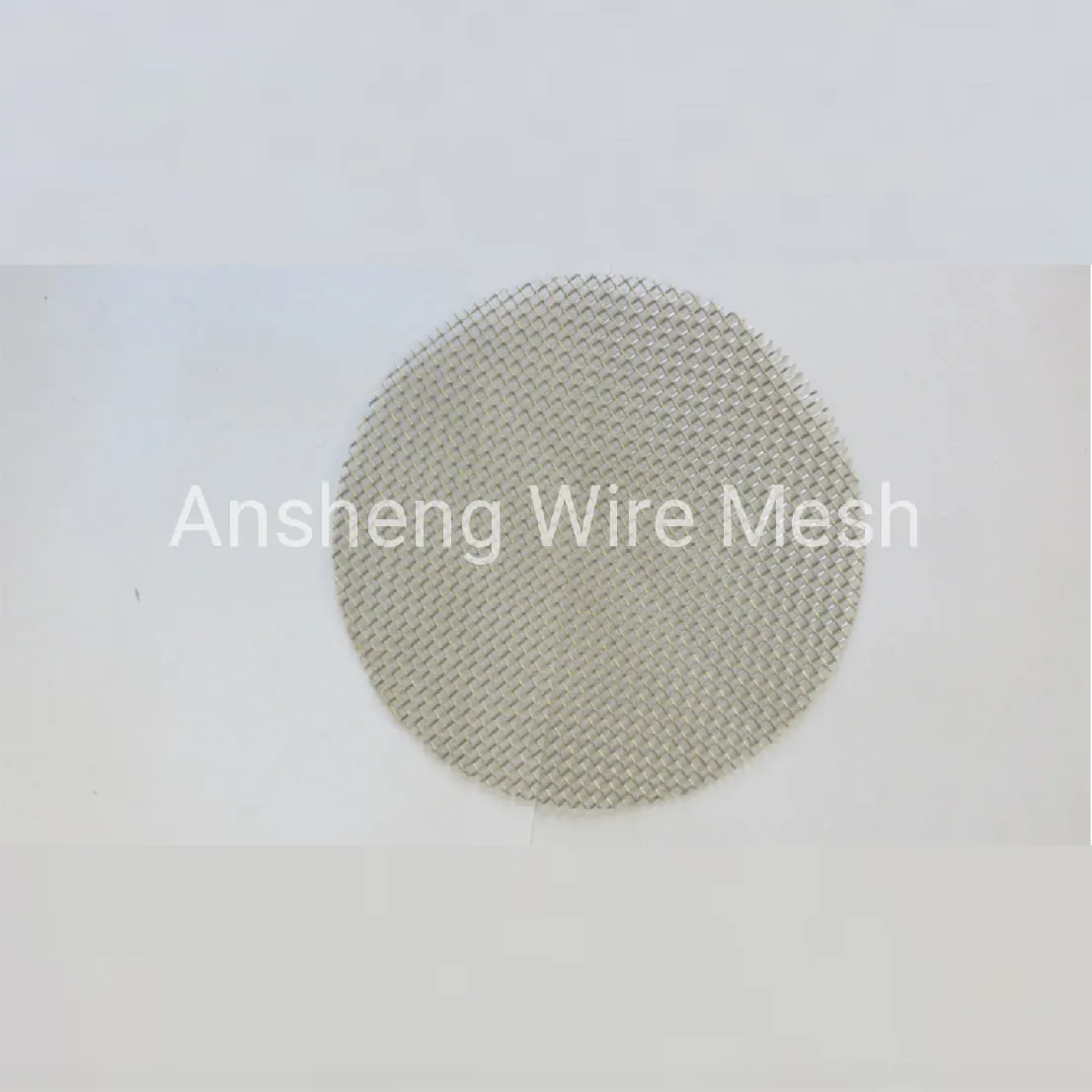
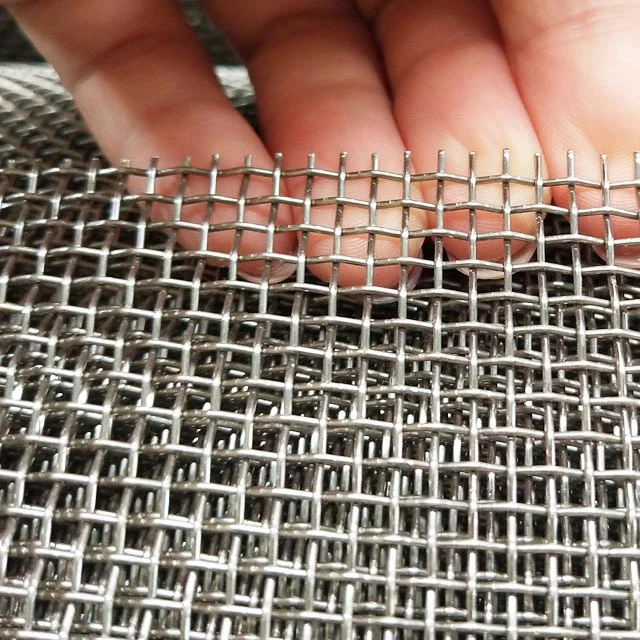
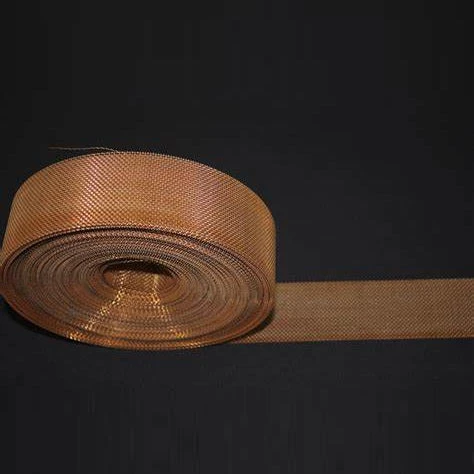
Copper wire mesh often comes up in filtration, EMI shielding, heat exchange, or even architectural applications. What’s fascinating is how its properties—like electrical conductivity, corrosion resistance, and malleability—make it so versatile. In practice, you want a mesh that’s consistent in weave tightness and thickness, otherwise, well... things simply don’t perform as expected.
I remember a job where the team switched suppliers mid-project due to inconsistency issues in mesh density. That small change saw the system’s filtration efficiency jump from 85% to over 95%. Oddly enough, even seemingly minor differences in weave patterns or copper purity can ripple through the entire process.
Why Copper Wire Mesh Quality Matters
Now, quality isn’t just about looking shiny or pure on paper. Verified quality specs, proper testing (think tensile strength, mesh count, and corrosion resistance), and reliable traceability are essential. Many engineers I’ve worked with say they can tell within minutes of inspection if a supplier is trustworthy. Sometimes it’s the attention to detail—like certifications or test reports—that separate the pros from the rest.
| Specification | Typical Range | Notes |
|---|---|---|
| Wire Diameter | 0.05 mm – 1.0 mm | Depending on application |
| Mesh Count | 10 – 200 mesh | Higher counts for finer filtration |
| Copper Purity | ≥ 99.9% (Industrial grade) | Impacts conductivity & corrosion resistance |
| Thickness (mm) | 0.1 – 3.0 mm | Varies by mesh weave and application |
| Tensile Strength | 200 – 350 MPa | Ensures durability under stress |
Choosing the Right Supplier: What I’ve Learned
From experience, suppliers differ not only in product quality but also in support, customization options, and delivery speed. For example, some vendors offer tailored weave patterns or proprietary anti-corrosion coatings, which can be a game-changer depending on your project's environment.
Here's a quick run-down of some traits I’ve noticed from several top suppliers – just to give you an idea of what to weigh before committing:
| Vendor | Product Range | Customization | Lead Time | Certifications |
|---|---|---|---|---|
| AnSheng Filter Screen | Wide (from 10 to 200 mesh) | Yes – Weave, diameter, & coatings | 2–4 weeks | ISO 9001, RoHS |
| CopperMesh Co. | Medium (20 to 150 mesh) | Limited | 4–6 weeks | ISO 14001 |
| MetalMESH Solutions | Narrow (50 to 120 mesh) | Yes, but costly | 3–5 weeks | None public |
In real terms, suppliers like AnSheng Filter Screen impressed me with their attention to detail, prompt customer service, and flexibility. For a recent client looking for a custom weave to fit a new filtration unit, they nailed the spec and delivery schedule without fuss. That kind of predictability is gold in this line of work.
To wrap it up: when sourcing copper wire mesh, prioritize proven quality, supplier transparency, and clear certifications. It feels like a lot of work upfront, but avoiding future headaches—and trust me, they come—makes it well worth the effort.
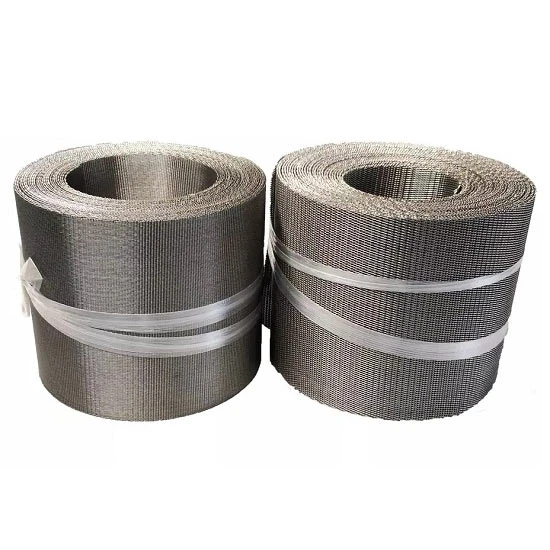
A quick takeaway: Don’t just buy copper mesh by the roll—make sure it’s fit for your purpose, and the supplier gets you.
- ANSI/ASTM Copper Wire Standards – understanding material properties.
- ISO 9001:2015 certifications as benchmarks for supplier quality.
- Industry case studies on filtration efficiency improvements with mesh upgrades.
Post time: Dec . 11, 2025 04:20