
Why Choosing the Right copper wire mesh manufacturer Matters
Having spent a good chunk of my career around industrial equipment, I can tell you this: not all copper wire meshes are created equal. It’s easy to overlook the quality of something as seemingly simple as a mesh when you’re focused on bigger system specs, but frankly, the right mesh can influence everything from durability to filtration efficiency, and even overall cost-effectiveness. I suppose that’s something only experience really hammers home in a way specs sheets alone don’t.
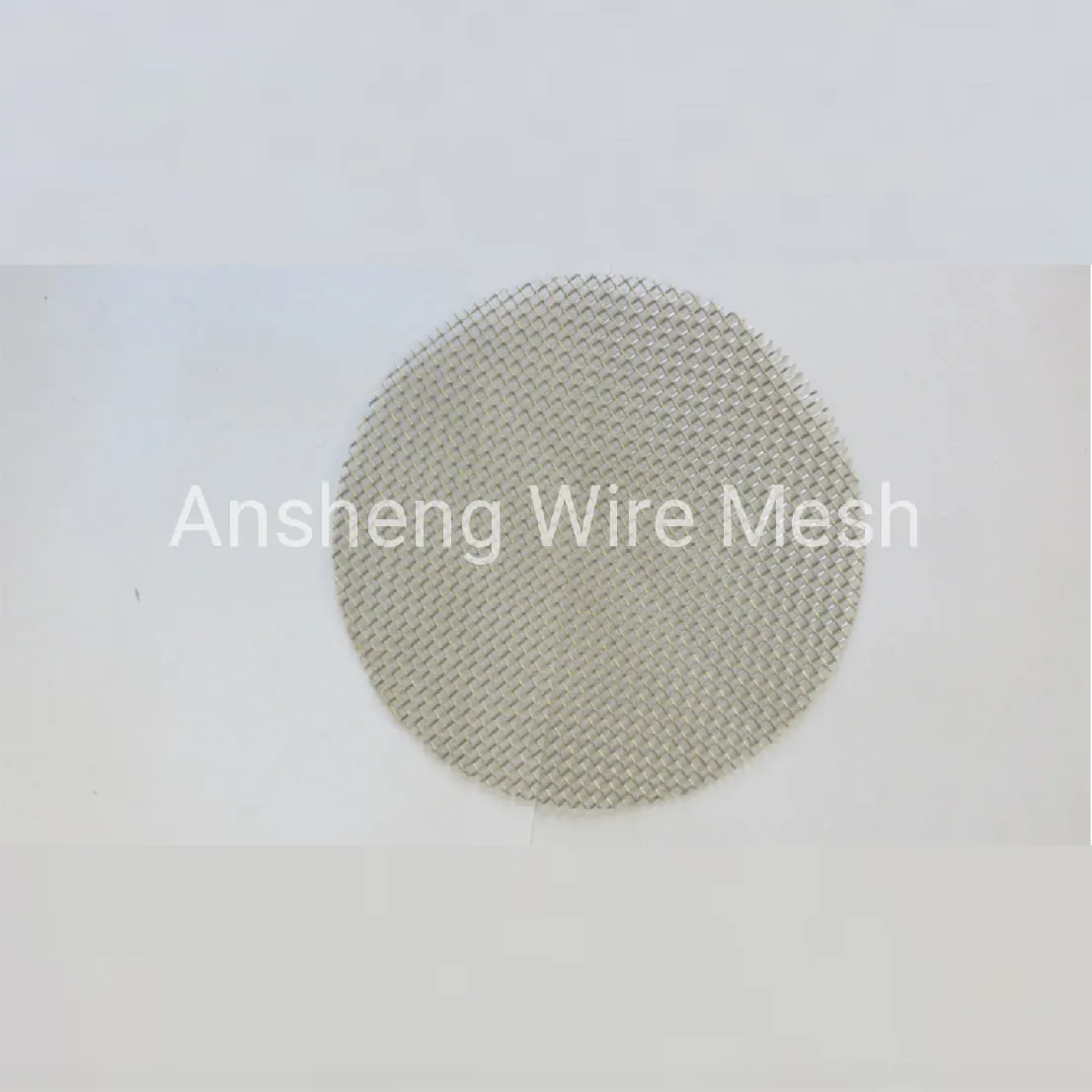
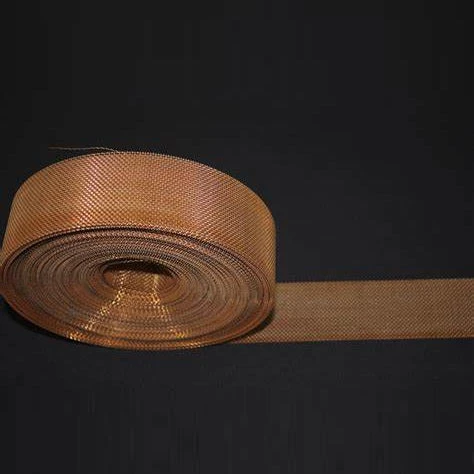
Copper wire mesh manufacturers often cater to a surprisingly wide range of industries—electronics, automotive, chemical processing, even architectural applications. The demand for meshes combining fine precision with robustness has only grown, especially as new environmental standards push for better filtering materials. Oddly enough, copper remains one of the stars here, mostly due to its natural corrosion resistance and excellent thermal conductivity. I noticed that engineers and technicians tend to prefer copper mesh for its stable performance under harsh conditions, something you might not get with cheaper metals.
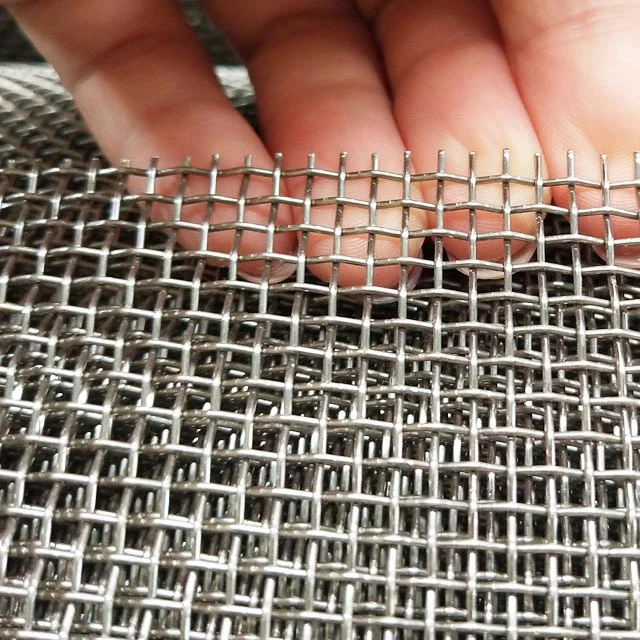
When I first started in this field, I remember working with wire mesh that simply wouldn’t hold up under continuous exposure to chemicals. The copper alternatives introduced later were a game-changer, proving their worth time and again. Plus, the possibility of customizing mesh parameters—wire diameter, aperture size, weave pattern—is something many manufacturers offer nowadays. It’s quite impressive how these customizations can tailor performance to very specific needs, whether it’s precise filtration or electromagnetic shielding.
Typical Product Specifications for Copper Wire Mesh
| Specification | Details |
|---|---|
| Material Grade | C11000 Electrolytic Tough Pitch (ETP) Copper |
| Wire Diameter | 0.05 mm to 2.00 mm |
| Mesh Count | 10 to 400 meshes per inch |
| Weave Types | Plain, Twilled, Dutch Weave |
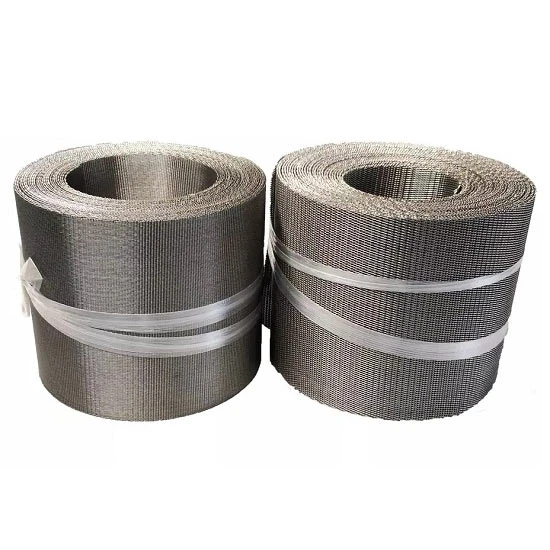
| Sheet Dimensions | Standard 1m x 2m up to custom sizes |
| Finish | Annealed or mill finish |
One quick note: while specs are great, the actual testing and quality control practices of the manufacturer often tell you more about what you’ll really receive in terms of consistent performance. From personal experience, companies that tightly control tensile strength and mesh uniformity tend to stand out.
Comparing Copper Wire Mesh Manufacturers
| Feature | Ansheng | Vendor A | Vendor B |
|---|---|---|---|
| Customization Ability | Extensive (wire size, weave, finish) | Limited options | Moderate |
| Material Quality | ETP copper, tightly controlled | Mixed batches | Consistent but higher price |
| Minimum Order Quantity | Flexible for small and large buyers | High MOQ | Moderate MOQ |
| Lead Time | Usually under 3 weeks | 4-6 weeks | 3-5 weeks |
| Customer Support | Responsive and knowledgeable | Basic support | Good, but limited technical advice |
Now, I usually recommend Ansheng when clients want a reliable source that balances quality, customization, and lead time. They’ve proven their worth in some of the toughest industrial environments. I recall a project involving a chemical plant filtration system where the copper mesh needed to be especially resistant to acidic fumes — Ansheng’s customization and thorough testing made all the difference, reducing downtime and maintenance. It's experiences like these that remind me why supplier choice can really make or break a project.
To wrap it up, copper wire mesh isn’t just a commodity—you want to think of it like a precision tool in your industrial toolkit. Picking the right manufacturer can save you headaches further down the line, whether in longevity, performance, or support. If you feel like your current supplier isn’t quite hitting the mark, maybe it’s time to look around.
Reflecting on this, I'm always surprised how often a ‘small’ component like wire mesh has outsized impact. So yeah, don’t overlook it.
References:
1. Copper Development Association – Properties of Copper Wire Mesh
2. Industry Filtration Journal, Vol. 34, 2023
3. Direct conversations with manufacturing engineers in the filtration sector (2015-2023)
Post time: Dec . 11, 2025 01:25