
Understanding Stainless Wire Cloth: Why It Matters Globally
Stainless wire cloth might sound like a niche product, but it quietly underpins a range of critical industries and humanitarian efforts worldwide. Put simply, it’s a woven mesh made from stainless steel wires, known for its incredible durability, corrosion resistance, and versatility. From filtering contaminants in water treatment plants to providing secure screens on windows in cyclone-prone regions, this material touches on safety, quality, and sustainability — on every inhabited continent.
Globally, the demand for durable and sustainable materials is soaring. According to the International Organization for Standardization, industries are under pressure to not only perform better but do so responsibly. Enter stainless wire cloth: a simple, effective solution that helps address pollution control, resource management, and structural safety simultaneously. Understanding this material is key for professionals in manufacturing, engineering, environmental management, and even disaster relief.
Mini takeaway: Stainless wire cloth is a small piece of metal with big global impact, acting as a silent hero in sustainability and safety.
The Global Context: Why Stainless Wire Cloth Is More Relevant Than Ever
Picture this: as of 2024, over 2 billion people worldwide lack access to safe drinking water (UN Water). In industries, rising regulations push for better filtration and contamination control. Stainless wire cloth, a seemingly simple net of metal wires, answers directly to this by enabling efficient filtering solutions critical to water purification, food processing, and pharmaceuticals.
But beyond industrial use, the material also plays a role in durable construction in regions grappling with harsh environments—from cyclone-hit South Asia to desert winds in the Middle East. The corrosion resistance of stainless steel means these woven meshes hold up where cheaper alternatives fall apart, extending lifespan and reducing waste.
Admittedly, sourcing quality stainless mesh can sometimes be a challenge due to global supply chain issues and differing standards, but its necessity keeps the market evolving fast.
What Exactly Is Stainless Wire Cloth?
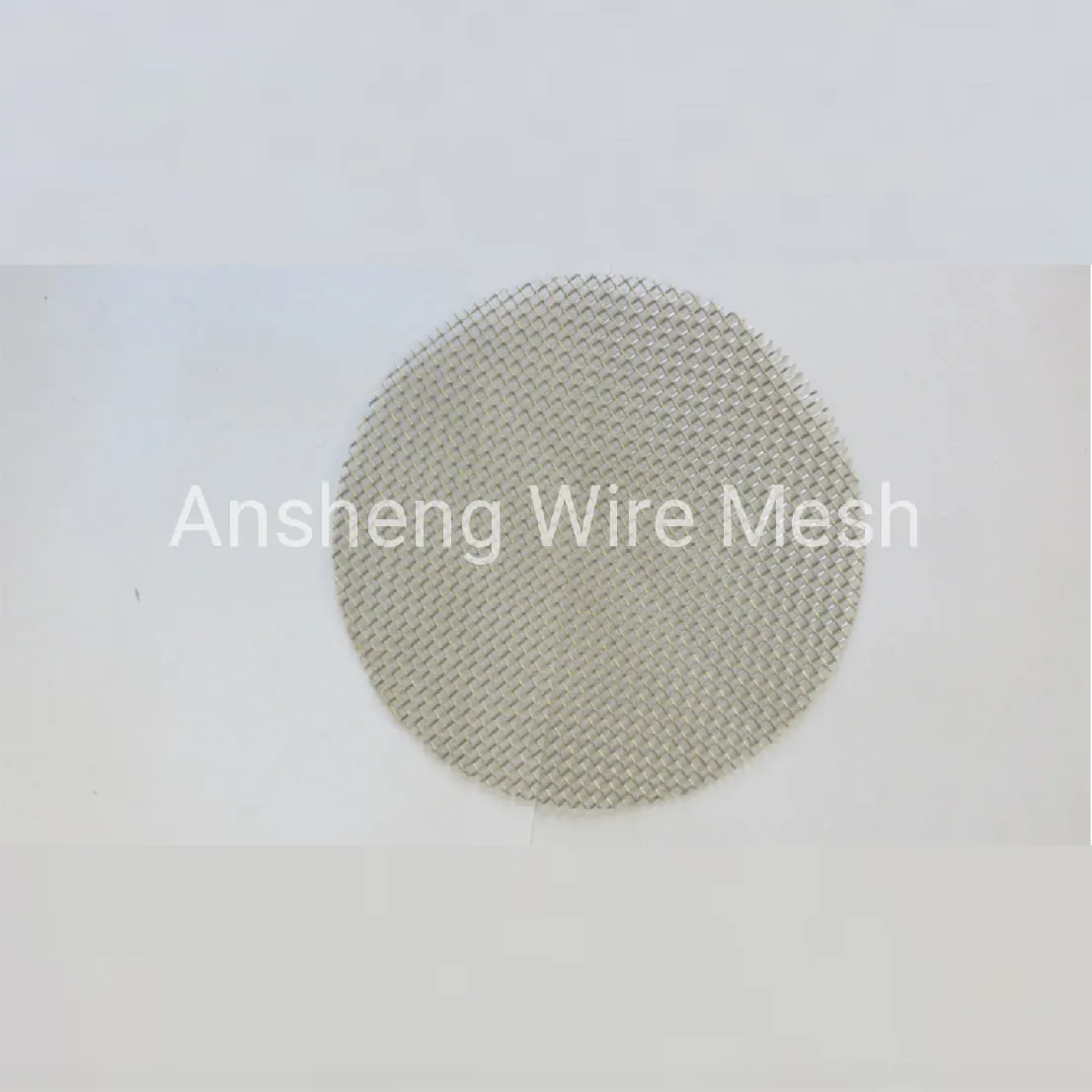
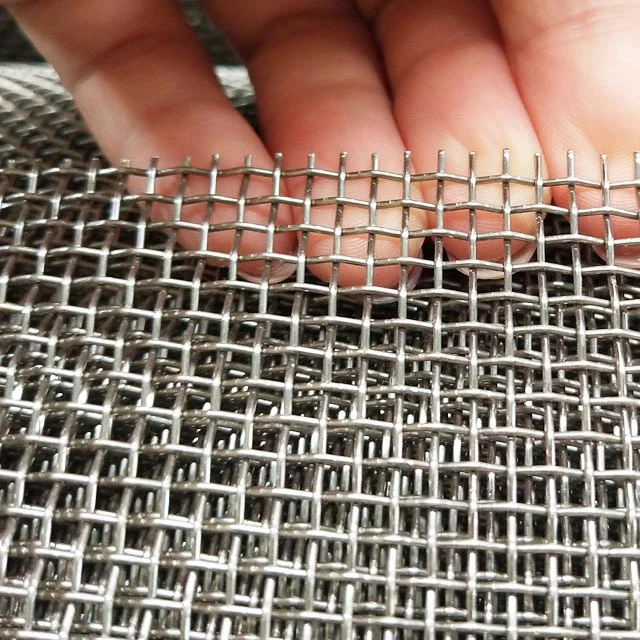
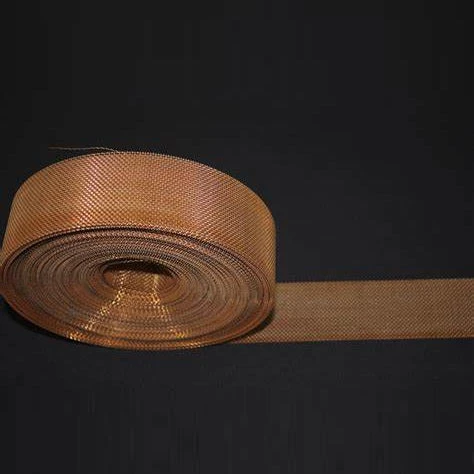
Stainless wire cloth is essentially a woven fabric made from incredibly fine stainless steel wires. Imagine standard fabric weaving—but instead of cotton, every thread is a metal wire, woven in intricate patterns that regulate how much or how little passes through the mesh.
Because stainless steel naturally resists rust and chemical damage, wire cloth made from it is particularly valuable for filtering, screening, and protective applications.
In the modern industrial or humanitarian context, this mesh serves as a barrier that’s both flexible and strong—perfect for filtering sediments in water treatment, screening grain in agriculture, or protecting against insect-borne diseases in shelters.
Key Components That Make Stainless Wire Cloth Essential
1. Durability and Corrosion Resistance
One of the biggest selling points is how stainless wire cloth doesn't degrade in harsh environments. Whether exposed to salty ocean air or industrial chemicals, it retains structural integrity, sparing companies and organizations costly replacements.
2. Precision and Customization
The weave pattern, wire diameter, and mesh size can be customized to fit specific needs. Some applications require ultra-fine filtration; others need large openings for airflow or drainage. The versatility here is impressive.
3. Cost Efficiency Over Time
While higher upfront costs exist compared to non-stainless alternatives, the longevity and low maintenance actually save money—fewer repairs, less downtime, and reduced waste.
4. Environmental Sustainability
Recyclable and energy-efficient to produce in many cases, stainless wire cloth aligns with international sustainability goals, including ISO 14001 standards.
5. Safety and Protection
Many industries use stainless wire cloth to create protective barriers that prevent injury or contamination. From construction scaffolding nets to protective screens in food processing, it assures compliance with health and safety requirements.
6. Scalability and Availability
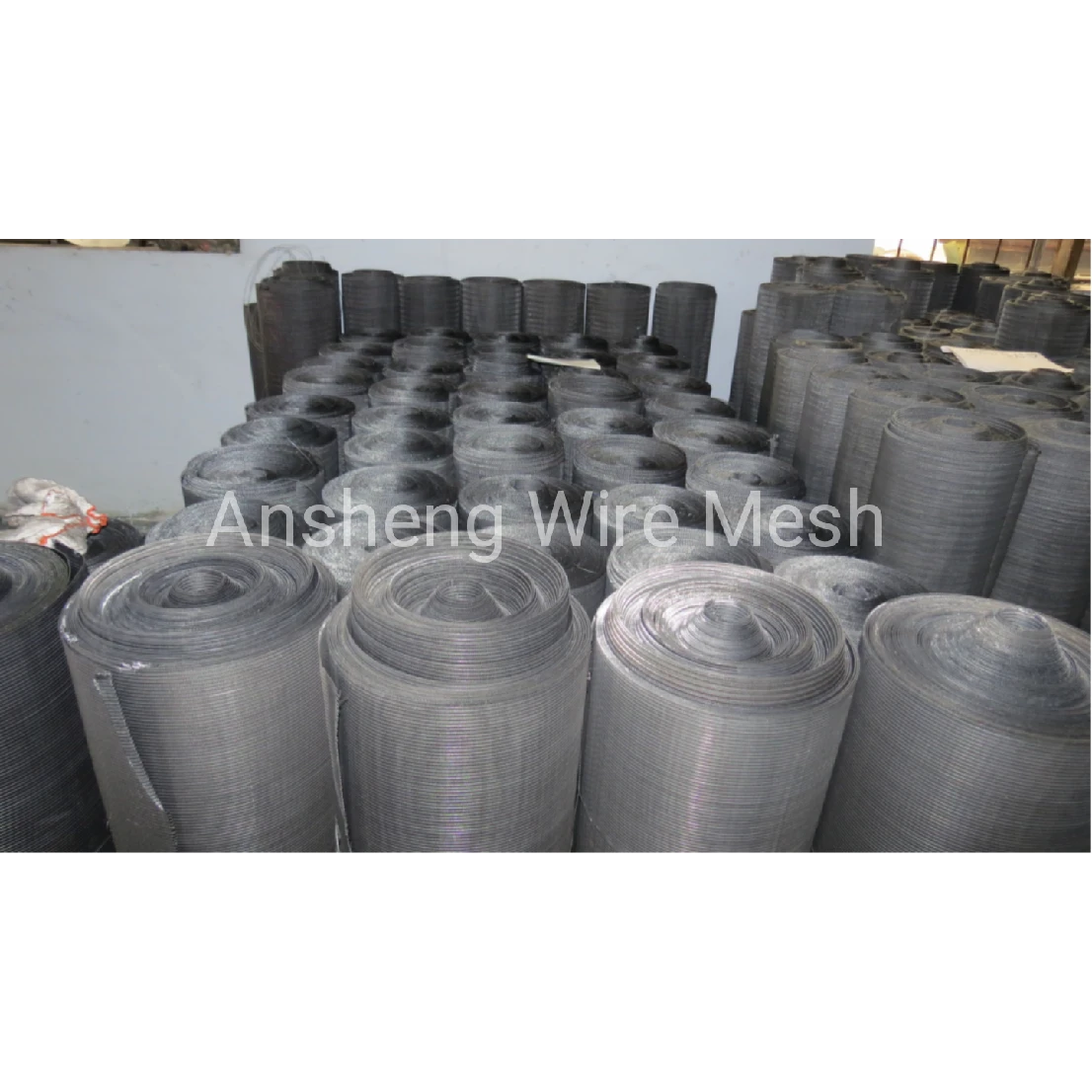
Thanks to industrial-scale manufacturing and global supply chains, stainless wire cloth can be sourced in various sizes and quantities — suitable for everything from small lab filters to massive mining screens.
Mini takeaway: Stainless wire cloth is a blend of strength, adaptability, and smart design—a fabric of steel that meets modern demands.
Global Applications and Real-World Use Cases
Industries around the world rely on stainless wire cloth daily. In water treatment plants across Europe and North America, it's used to filter impurities with remarkable precision. In agricultural nations like India and Brazil, it's essential for sieving grains and seeds, significantly reducing post-harvest losses.
In the humanitarian sector, organizations utilize stainless wire cloth in emergency sheltering — aiding in mosquito netting and security screening, especially in malaria- and dengue-prone areas.
For example, after cyclone Idai struck Mozambique in 2019, relief groups quickly sourced durable stainless steel meshes to replace damaged protective screens, ensuring safe drinking water for thousands.
Mini takeaway: Whether industry or relief, stainless wire cloth’s role is multidimensional and cross-border.
Advantages and the Tangible Value of Stainless Wire Cloth
- Cost savings: Fewer replacements and repairs over a product’s life cycle.
- Environmental benefits: Recyclability and compliance with green standards reduce footprints.
- Reliability: Proven resistance to corrosion means less downtime.
- Social impact: Safety filters protect communities, ensuring dignity and health.
- Innovation potential: Customizable weaves spur product development in niche fields.
It’s odd how something that feels so simple can inspire trust across sectors — engineers and aid workers alike swear by it. The emotional reassurance that your equipment or shelter won’t rust away in weeks is more valuable than it appears.
Future Trends & Innovations: What’s Next for Stainless Wire Cloth?
Looking ahead, several exciting trends are reshaping the stainless wire cloth landscape:
- Green manufacturing: New processes reduce energy and waste during production.
- Smart meshes: Integration of sensors into wire cloth for real-time monitoring in critical filtration systems.
- Hybrid materials: Composites combining stainless steel with polymers for enhanced flexibility.
- Automation and robotics: Precision weaving machines improve customization and reduce costs further.
- Regulatory tightening: Stricter discharge rules globally will increase use in environmental applications.
It’s like stainless wire cloth is quietly evolving into a material not just for today but fit for the smart factories and eco-conscious societies of tomorrow.
Common Challenges and How Experts Are Overcoming Them
Like all materials, stainless wire cloth has hurdles. Supply chain disruptions occasionally delay deliveries, especially amid geopolitical tensions. Also, for ultra-fine meshes, production precision is critical — tiny flaws compromise filtration.
Fortunately, many manufacturers are investing heavily in quality control, using AI-powered inspection systems to spot defects early. Innovations in alloy formulations also help make wire cloth more cost-effective without sacrificing durability.
Finally, some industries still resist switching from cheaper non-stainless options due to budget constraints. Education around total cost of ownership is key to shifting preferences.
Frequently Asked Questions About Stainless Wire Cloth
Q1: What makes stainless wire cloth better than regular wire mesh?
A: Stainless wire cloth offers superior corrosion resistance, longevity, and strength compared to regular wire mesh. It withstands harsh environments without rusting, making it ideal for filtration, security screens, and industrial use.
Q2: Can stainless wire cloth be customized for specific filtration needs?
A: Absolutely. Manufacturers can adjust wire diameter, mesh size, and weave pattern to meet precise filtration specs, from coarse debris screening to ultra-fine particle filtration.
Q3: How long does stainless wire cloth typically last in outdoor applications?
A: With proper installation, it can last 10 to 20 years or more, even in environments prone to moisture, salt, or chemical exposure.
Q4: Is stainless wire cloth recyclable?
A: Yes, since it’s made of stainless steel, it is fully recyclable, supporting circular economy goals in industries worldwide.
Q5: How can international NGOs source stainless wire cloth reliably?
A: NGOs should partner with reputable suppliers who follow international standards and maintain consistent quality assurance. Websites like stainless wire cloth offer global shipping and product certification.
Product Specification Table
| Specification | Typical Value | Notes |
|---|---|---|
| Wire Diameter | 0.1 - 3.0 mm | Varies by filtration need |
| Mesh Count | 10 - 400 mesh | Mesh openings per inch |
| Material Grade | 304, 316 Stainless Steel | 316 preferred for marine use |
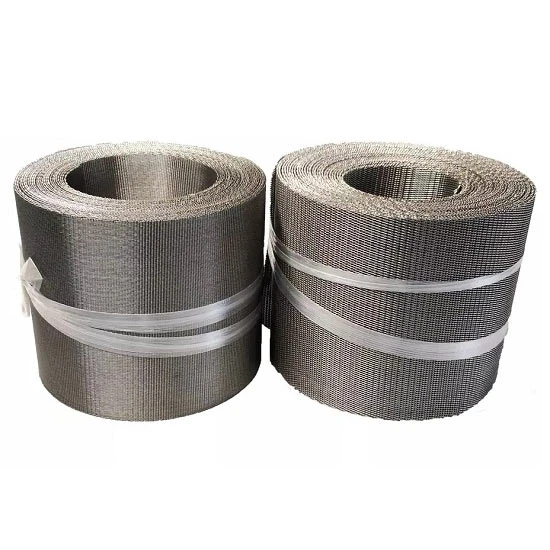
| Width | Up to 2000 mm | Standard rolls or cut sheets |
| Finish | Polished or matte | Depends on application |
| Tensile Strength | 500 - 750 MPa | Ensures mesh integrity |
Vendor Comparison Table
| Vendor | Product Range | Customization | Pricing | Global Shipping |
|---|---|---|---|---|
| Ansheng Filter Screen | Wide (10-400 mesh) | High (custom wire sizes & finishes) | Competitive | Yes (worldwide) |
| Global Mesh Ltd. | Medium (20-200 mesh) | Moderate | Higher Range | Mostly regional |
| Steel Weaves Inc. | Narrow (50-150 mesh) | Low | Affordable | Limited |
Conclusion: The Lasting Impact of Stainless Wire Cloth
After all is said and done, stainless wire cloth remains a quietly essential product that keeps many industries and humanitarian missions moving forward. Its strength, adaptability, and durability not only fulfill present-day demands but also set the stage for future innovation and sustainability commitments.
If you’re considering reliable, long-term, and customizable mesh solutions, it doesn’t hurt to explore what stainless wire cloth can offer at scale — especially at stainless wire cloth. The future of filtration, protection, and industrial resilience might just be woven here.
Mini takeaway: Stainless wire cloth is more than just mesh — it’s a legacy of trust, protection, and smart design for generations to come.
References
Post time: Nov . 28, 2025 21:30