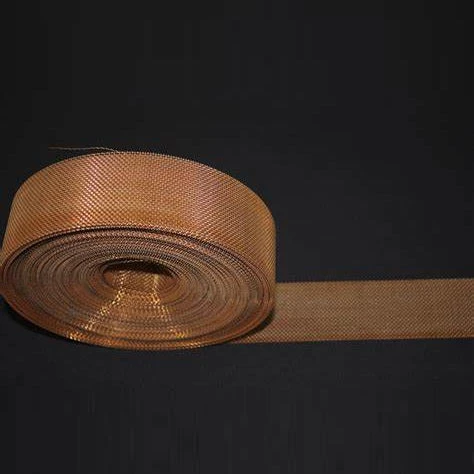

Understanding 100 Micron Stainless Steel Mesh: Why It Matters in Today's World
When it comes to precision filtering and sieving in industrial and humanitarian contexts, 100 micron stainless steel mesh stands out as a quietly indispensable material. It’s one of those things many don’t notice until it’s missing or malfunctioning — but trust me, the impact it has on water treatment, food safety, and even disaster relief can't be overstated. Grasping what this mesh is, how it’s used across continents, and why it matters globally will give you a new appreciation for the tiny openings that make a huge difference.
The Global Significance of 100 Micron Stainless Steel Mesh
Here’s a snapshot of why this material matters worldwide. According to the World Bank, over 2 billion people still lack safely managed drinking water. Filtering and purification technologies often rely on mesh materials capable of removing harmful particulates. That’s where the 100-micron stainless steel mesh comes in.
In a manufacturing sense, ISO standards emphasize durability and chemical resistance, which stainless steel meshes deliver reliably — keeping machinery safe and industrial processes clean. But the challenges aren’t just industrial; they’re humanitarian. Think about post-disaster relief zones where clean water, free from microbiological and particulate contamination, is life-saving.
The problem the mesh addresses is universal: effective filtration of fine particles while ensuring structural robustness in harsh environments. And oddly enough, despite its global importance, many don’t get why 100 micron size is a sweet spot for balancing flow rate and filtration accuracy.
What Exactly is 100 Micron Stainless Steel Mesh?
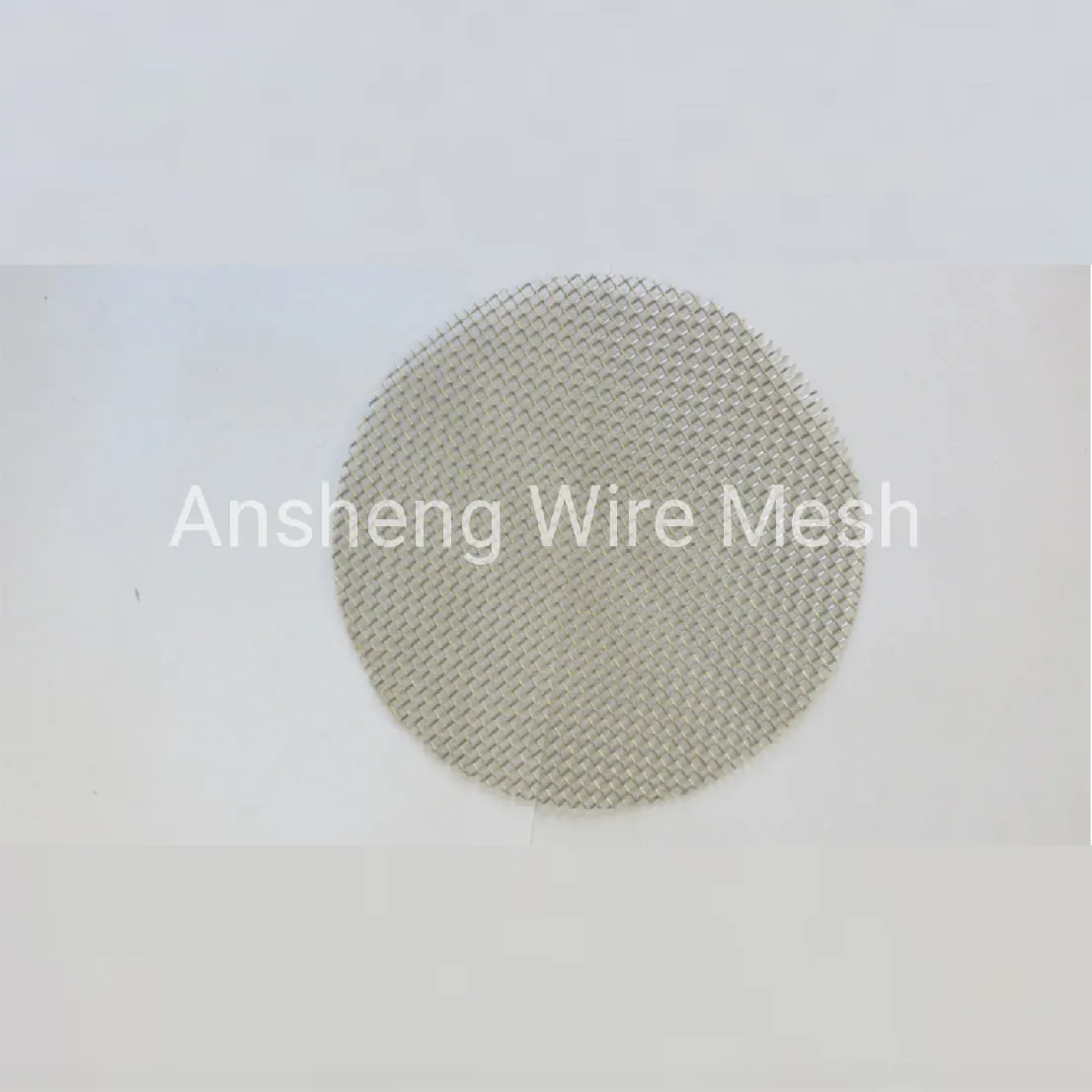
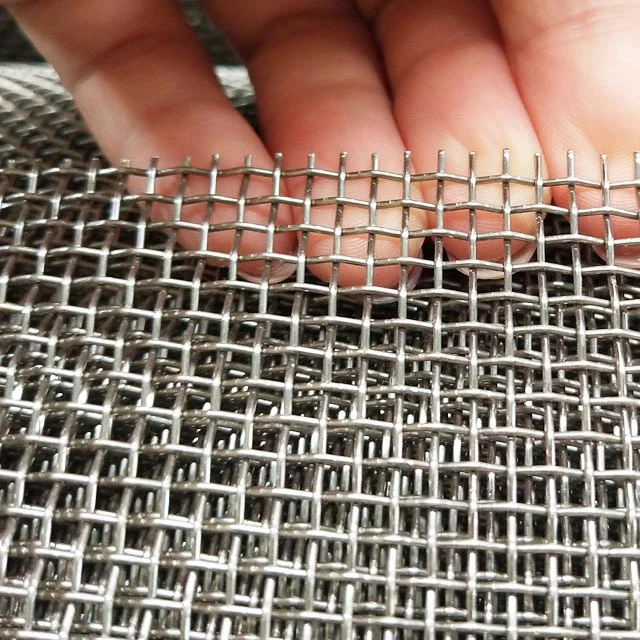
Put simply, this mesh is a woven or perforated sheet made of stainless steel wires with openings roughly 100 microns wide — that’s about one-tenth of a millimeter, or roughly the thickness of a human hair. The "stainless" bit means it resists rust and corrosion, which really extends its service life.
From filtering contaminants in pharmaceuticals to protecting sensitive instruments in remote industrial setups, this mesh is a versatile filter medium. It combines physical durability with precision— a rare mix ensuring that tiny impurities don’t slip through but that fluids or air can flow relatively unimpeded. It’s a kind of unsung hero in water purification systems, food processing, mining, and even in rocket fuel filtration.
Core Components of 100 Micron Stainless Steel Mesh
Durability and Corrosion Resistance
Stainless steel resists oxidation and harsh chemicals, crucial when the mesh faces acid or alkaline fluids. It lasts years beyond what plastic or other metal meshes often can. Engineers I’ve talked with often highlight this as a key reason they select this mesh — it “just won’t fail when it counts.”
Mesh Opening Size & Precision
Getting the micron size right is about balancing filtration with flow. Too tight? You choke your system. Too loose? Contaminants slip through. At 100 microns, you have a mesh capable of filtering out most sand particles, some bacteria clusters, and industrial dust without blocking fluid movement aggressively.
Scalability of Usage
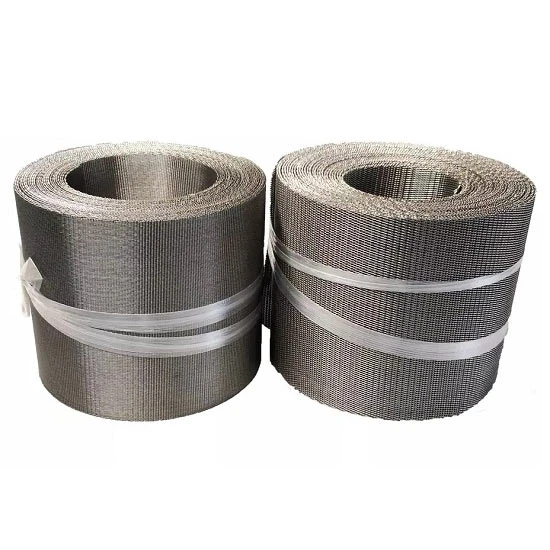
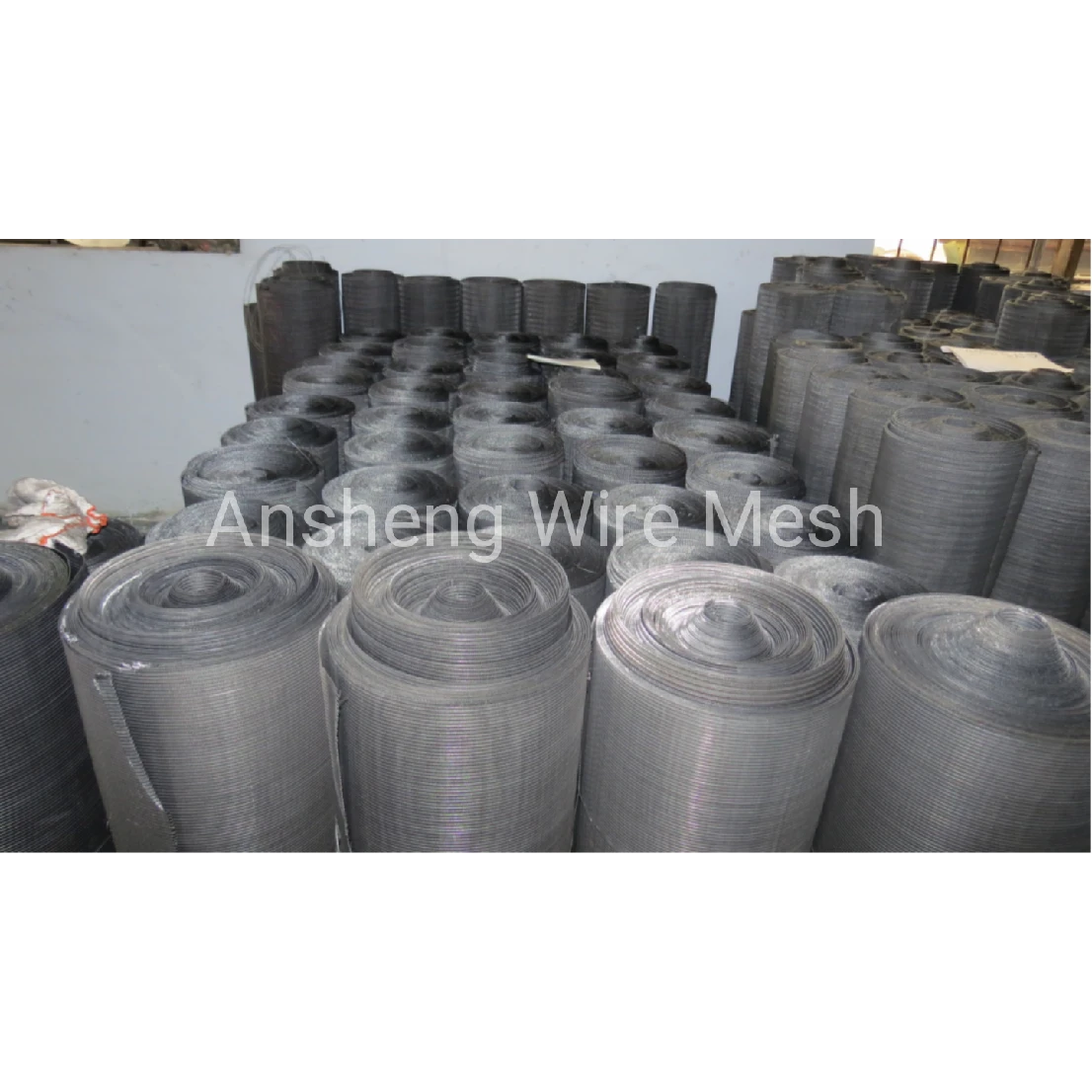
This mesh comes in varying sizes — from tiny patches for instruments to rolls wide enough to mesh-filter entire plant stages. Manufacturers offer customization that fits specific industries or processes, facilitating scalability from laboratory to industrial production.
Cost Efficiency Over Time
Though the upfront cost is higher than plastic filters, stainless steel mesh’s long life and easy cleaning make it budget-friendly in the grand scheme. Reusable filters reduce waste, which matches well with corporate sustainability trends.
Compatibility with Industry Standards
Many industries, including food & beverage and pharmaceuticals, require strict adherence to ISO and ASTM standards. 100 micron stainless steel meshes usually meet or exceed these, easing regulatory headaches.
Real-World Applications of 100 Micron Stainless Steel Mesh
- Water Purification: Used in municipal and portable water treatment plants worldwide, especially in regions with limited infrastructure. In rural Africa and Asia, NGO-operated filtration systems often rely on this mesh to separate particulate matter from drinking water.
- Food Processing: Filtering juices, oils, and extracts where metal durability and non-contamination are critical. European and North American processors trust stainless steel for food-grade compliance.
- Pharmaceutical Industry: Filtering solutions in sterile environments, preventing contamination of medicines.
- Mining & Minerals: Separating fine particles in slurry and tailings so that the recovery process is more efficient.
- Post-Disaster Relief Operations: Temporary water filtration stations after floods or earthquakes often use modular units that rely heavily on 100 micron mesh filters to ensure basic water safety.
For more on application-specific stainless steel mesh products, check out 100 micron stainless steel mesh.
Mini Takeaway
From rural wells to pharma labs, the 100 micron stainless steel mesh quietly ensures that filtration processes are efficient, reliable, and safe. Its adaptable nature fits countless global needs.
Advantages and Long-Term Benefits of Using 100 Micron Stainless Steel Mesh
- Cost Savings: Durable and washable, lowering replacement frequency.
- Sustainability: Reusability reduces industrial waste and environmental footprint.
- Reliability and Safety: Prevents contamination with dependable filtration performance.
- Emotional & Social Impacts: Providing safe water is tied to dignity and health — no small thing in tough regions.
- Innovation Driver: The mesh’s precision and toughness enable emerging technologies in filtration and materials engineering.
Technical Specifications at a Glance
| Specification | Details |
|---|---|
| Mesh Opening Size | 100 microns (±5 microns tolerance) |
| Material Grade | 304 or 316 Stainless Steel (Food Grade & Anti-Corrosive) |
| Wire Diameter | 50 - 80 microns, depending on weave |
| Woven Type | Plain or twill weave for specific applications |
| Max Operating Temperature | up to 850°C (varies by alloy) |
| Standard Roll Width | 1000 mm typical; customization available |
Vendor Comparison: What to Consider When Choosing Mesh Providers
| Feature | Vendor A | Vendor B | Vendor C |
|---|---|---|---|
| Grade of Stainless Steel | 304 & 316 | 316 Specialty | 304 Only |
| Customization Options | Available (width, weave) | Limited to standard widths | Custom orders upon request |
| Pricing | Mid-range | Premium | Budget-friendly |
| Lead Time | 2–4 weeks | 4–6 weeks | 1–3 weeks |
| Certifications | ISO 9001, FDA | ISO 9001, FDA, RoHS | ISO 9001 |
Looking Forward: Innovations and Trends in Stainless Steel Mesh
It feels like the material world is evolving rapidly, and mesh manufacturers aren’t left behind. Green energy initiatives are driving interest in corrosion-resistant meshes for renewable energy sectors — think solar panel cleaning or filters in hydrogen fuel production. Digital transformation means better testing and quality assurance through AI-powered inspection, so the 100 micron stainless steel mesh you get is ever more reliable.
As automation in manufacturing expands, demand increases for mesh that can perform under extreme cycles without losing form or function. There’s also buzz around nano-coatings enhancing mesh properties, making them even harder to foul or clog — a crucial upgrade in harsh environments.
Challenges: What Holds Back Wider Use?
Despite strengths, stainless steel mesh isn’t perfect. High initial costs and the need for specialized cleaning can deter some smaller organizations. Also, in corrosive environments with chlorides or extreme pH, even stainless steel can degrade over time.
Innovations like hybrid mesh composites and better alloy blends are emerging as solutions. In practice, preventive maintenance and thorough testing protocols are widely recommended to avoid unexpected failures.
Mini Takeaway
The technology is improving, but understanding the specific needs and environment remains key to getting real long-term benefits from a 100 micron stainless steel mesh.
FAQ: Quick Answers About 100 Micron Stainless Steel Mesh
- What industries benefit the most from 100 micron stainless steel mesh?
- Industries like water treatment, food and beverage processing, pharmaceuticals, and mining find this mesh ideal for its balance of filtration precision and durability.
- How does 100 micron mesh compare to plastic filters?
- While plastic filters can be cheaper upfront, stainless steel meshes offer far superior lifespan, heat resistance, and chemical durability — making them more cost-effective over time.
- Is the mesh washable and reusable?
- Absolutely. One of the major benefits is that these meshes can be cleaned and reused multiple times without loss of performance, reducing waste.
- Can the mesh be cut or shaped for specific applications?
- Yes, vendors usually provide customization services like cutting, shaping, or welding to fit specific industrial equipment or filter housings.
Closing Thoughts: Why Invest in 100 Micron Stainless Steel Mesh?
Summing it up, the 100 micron stainless steel mesh is a robust, versatile, and increasingly essential material across global industries. Its ability to withstand harsh environments, combined with precise particle filtration, helps ensure safety, efficiency, and sustainability. Whether for large-scale municipal water systems or compact pharmaceutical filters, this mesh acts as a quiet sentinel guarding quality and performance.
If you want reliable mesh solutions backed by quality and experience, I’d recommend exploring options directly at https://www.anshengfilterscreen.com. They offer excellent customization and proven results worldwide.
Quick Takeaway
Understanding the role and potential of 100 micron stainless steel mesh can provide significant improvements not just in product quality but also in environmental impact and operational costs — worth thinking about, right?
References:
1. WHO - Drinking Water Facts
2. Wikipedia - Stainless Steel
3. ISO Standards for Filtration
Post time: Nov . 28, 2025 19:55