
Understanding Stainless Steel Aviary Mesh: What It Is and Why It Matters
Stainless steel aviary mesh might sound niche, but it’s surprisingly crucial in many corners of global industry and humanitarian efforts. In essence, it’s a strong, corrosion-resistant wire mesh designed primarily to enclose birds safely while allowing optimal airflow and visibility.
Why does it matter worldwide? Well, aviary mesh plays a big role beyond just ornamental bird habitats: it helps protect wildlife, supports sustainable farming, and even aids disaster relief and ecological projects by securing environments. Grasping what this product offers opens doors to smarter design choices across industries from agriculture to conservation.
Mini takeaway: Stainless steel aviary mesh is more than just “wire” — it connects animal welfare, ecosystem protection, and industrial durability in one tidy weave.
Global Context: Why Stainless Steel Aviary Mesh is Becoming Indispensable
You might be surprised to learn global demand for corrosion-proof mesh products has surged, partially driven by increased urban wildlife management and the growing pet industry. According to ISO standards on stainless steel durability, this material outperforms many alternatives when exposed to harsh climates or chemical agents.
Data from the Food and Agriculture Organization (FAO) shows poultry farming doubling in parts of Southeast Asia and Africa, where using durable aviary mesh means better biosecurity, fewer escapes or predator break-ins, and less disease spread.
However, the challenge is balancing strength with ventilation, plus cost-effectiveness. Traditional alternatives like galvanized steel or PVC-coated wire often rust quickly or break down under UV light, causing costly replacement cycles. Here, stainless steel aviary mesh steps in as a sustainable solution that practitioners increasingly rely on.
What Exactly is Stainless Steel Aviary Mesh?
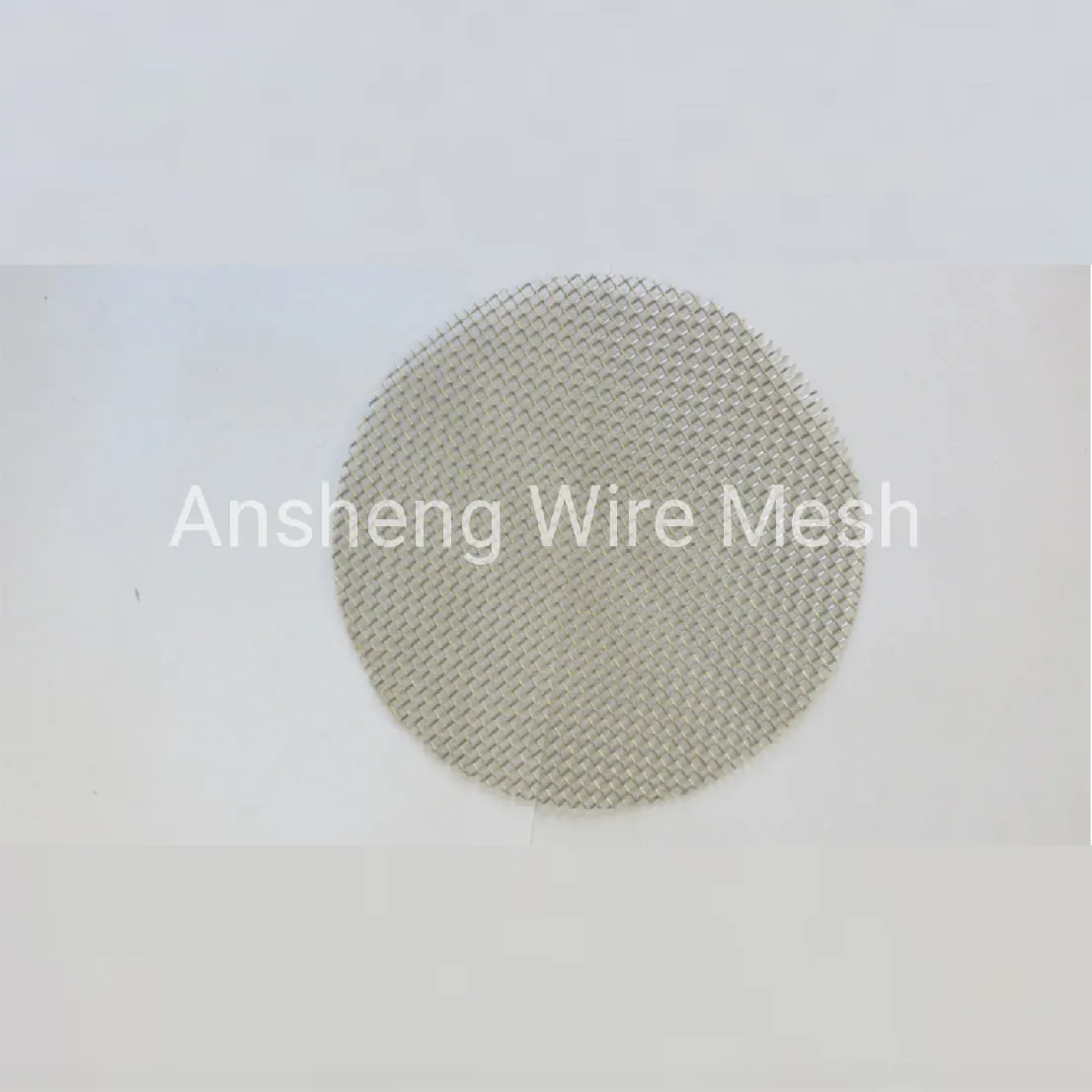
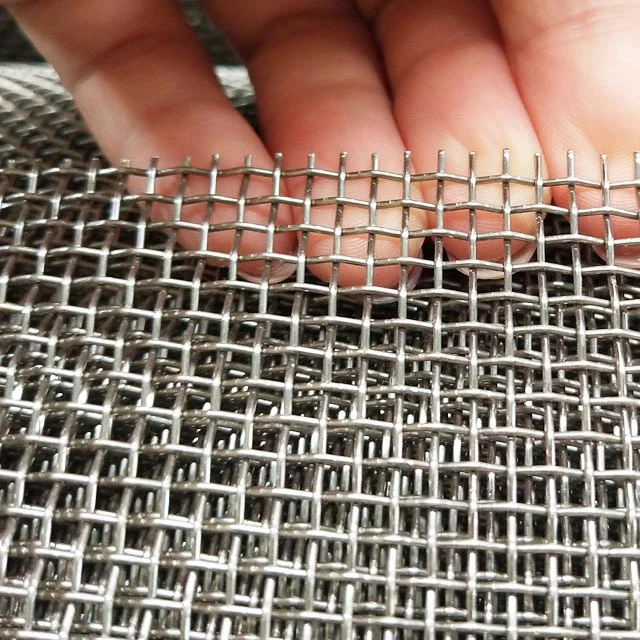
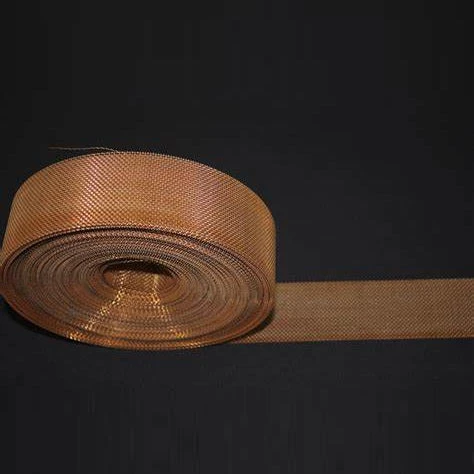
In simple terms, stainless steel aviary mesh is a woven or welded wire mesh constructed from stainless steel, typically grades like 304 or 316 to resist corrosion. The mesh’s wire diameter, aperture (opening size), and weave style can be customized to suit various bird species and environmental conditions.
This product finds itself tethered not only to modern agriculture but also to zoo management, wildlife conservation projects, and scientific research facilities. The stainless quality ensures longevity even in coastal or saline environments, where lesser metals would fail quickly.
Mini takeaway: Stainless steel aviary mesh is essentially a tailor-made fence for birds — durable, safe, and built for delicate ecosystems or tough industrial zones.
Core Components That Make Stainless Steel Aviary Mesh Stand Out
Durability
Probably the biggest selling point. Rust and corrosion resistance mean the mesh lasts decades without degradation. Unlike iron or galvanized steel, stainless steel retains tensile strength even exposed continuously to moisture, chemicals, or fluctuating temperatures.
Safety & Bird Welfare
The precise mesh aperture supports bird comfort by allowing free air circulation and daylight penetration but keeps predators out. The wire’s smooth surface reduces injury risk to paws, feathers, or beaks—something many aviary enthusiasts stress as crucial.
Customization Flexibility
The mesh can be woven with varying wire thicknesses and aperture sizes. Whether you’re protecting small finches or larger parrots, a specific weave pattern suits the requirement. This means the mesh can adapt from small backyard aviaries to large-scale commercial poultry farms.
Cost Efficiency
Though the upfront cost might be higher than PVC or galvanized alternatives, the extended life cycle results in fewer replacements. Additionally, stainless steel often means less maintenance — a subtle benefit not to overlook for large projects.
Sustainability
Unlike single-use or short-lived materials, stainless steel aviary mesh is recyclable. Its robust lifecycle means fewer resources wasted, supporting global sustainability initiatives like those outlined in the UN’s Sustainable Development Goals.
Global Applications & Use Cases: Where Does Stainless Steel Aviary Mesh Really Shine?
- Agriculture: Poultry farming all over Asia and Africa relies on these meshes to safeguard high-density enclosures from pests and climatic damage.
- Wildlife Conservation: Protected species enclosures in zoos or sanctuaries in Europe use stainless steel mesh to simulate natural habitats safely.
- Post-Disaster Relief: Temporary aviary setups for rescued birds or research sites use quick-deploy stainless steel mesh structures for reliability and hygiene.
- Architectural Features: Urban green projects in North America incorporate the mesh for bird-friendly façades or aviary installations.
For instance, a conservation NGO in Kenya employed stainless steel aviary mesh in a rehabilitation center for endangered bird species, where traditional wood and wire enclosures faced rapid decay under intense sun and seasonal rain.
Mini takeaway: From remote conservation outposts to urban aviaries, stainless steel aviary mesh offers a versatile, trusted solution for animal enclosure needs globally.
Advantages and Long-Term Value: Why Invest in Stainless Steel Aviary Mesh?
First off, it’s all about reliability. The mesh doesn’t sag, rust or become brittle after years, which builds emotional confidence in caretakers responsible for fragile bird species.
On the practical side, you get longevity and low maintenance costs—something commercial poultry farmers especially appreciate when margins are tight.
Socially, using high-quality mesh conveys a respect for animal dignity and environmental care, which is increasingly important in eco-conscious markets and fundraising efforts for NGOs.
It’s also worth noting that investing upfront in stainless steel aviary mesh reduces waste and pollution from frequent replacements or failed enclosures. Kind of a win-win in terms of both ethics and economics.
Emerging Trends in Stainless Steel Aviary Mesh Design and Use
The future is green and smart, even for something as “classic” as aviary mesh. Innovations like integrating antimicrobial coatings reduce pathogens on wire surfaces, aiding hygiene in commercial breeding environments.
Meanwhile, advances in digital manufacturing and automation enable more precise, custom-sized mesh panels, reducing material waste and speeding installation.
Developers are also exploring hybrid meshes with biodegradable polymers bonded to stainless steel, blending strength and eco-friendliness for sensitive natural reserves.
Challenges and Innovative Solutions
Cost remains a limiting factor for some low-budget operations. Stainless steel aviary mesh is pricier upfront, so adoption lags where tight capital restricts investments.
Yet, modular designs now allow easier shipping and assembly, bringing costs down somewhat. Also, local stainless steel sourcing and partnerships with mesh manufacturers help reduce transportation emissions and expenses.
Finally, customer education about total cost of ownership versus cheaper alternatives is essential. Many engineers say that once you account for frequent replacements, stainless steels actually offer the better economic value.
FAQ: Common Questions About Stainless Steel Aviary Mesh
- Q1: How long does stainless steel aviary mesh typically last outdoors?
- A: Usually, 15 to 30 years depending on the grade and environmental conditions. Marine or industrial zones may shorten lifespan without proper grade selection.
- Q2: Can stainless steel aviary mesh be customized for bird species of different sizes?
- A: Absolutely. Wire thickness and mesh aperture can be tailored from fine mesh for small finches to larger grid sizes for parrots or pheasants.
- Q3: Is stainless steel mesh maintenance-free?
- A: Almost. Occasional cleaning to remove dirt or organic buildup is recommended, but it won’t rust or degrade like alternative metals.
- Q4: How does stainless steel aviary mesh compare environmentally with plastic-coated wire mesh?
- A: Stainless steel is recyclable and more durable, generating less waste over decades. Plastic coatings can degrade into microplastics—so steel tends to be more sustainable long term.
- Q5: Can this mesh be used in automated poultry farms?
- A: Yes, its consistency and strength suit mechanized installation and integration with automated feeding or cleaning systems.
Specification Table: Typical Stainless Steel Aviary Mesh Features
| Specification | Details |
|---|---|
| Material Grade | 304 / 316 Stainless Steel |
| Wire Diameter | 0.5mm to 2.5mm |
| Mesh Aperture | 5mm to 50mm (varies by bird size) |
| Weave Style | Woven, Welded, or Knotted |
| Corrosion Resistance | Excellent (ASTM A240 compliant) |
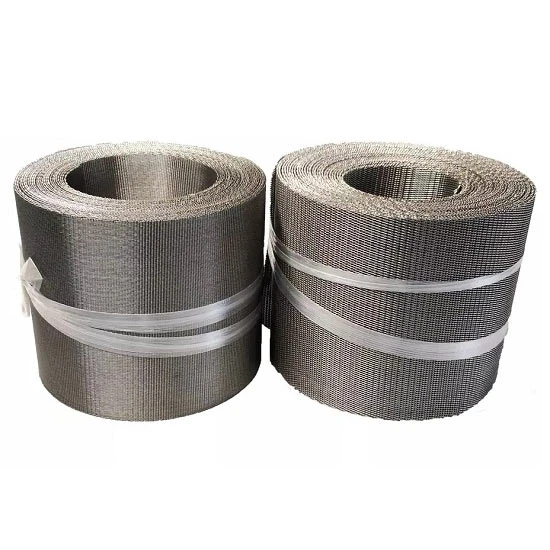
| Typical Roll Size | 1m x 30m or custom panels |
Vendor Comparison: Leading Stainless Steel Aviary Mesh Suppliers
| Vendor | Material Quality | Customization Options | Delivery Times | Price Range |
|---|---|---|---|---|
| Ansheng Filter Screen Co. | Grade 304, 316 | Full custom aperture, wire diameters | 3-5 weeks (depending on order size) | Mid-range |
| Global Wire Mesh Ltd. | Grade 304 standard | Limited to standard mesh sizes | 2-4 weeks | Lower |
| EcoMesh Supplies | Combined steel-polymer blends | Good, especially for green projects | 4-6 weeks | Higher |
Wrapping Up
Stainless steel aviary mesh isn’t just a material; it’s a small but essential piece in a bigger puzzle of sustainability, animal welfare, and industrial innovation. From zookeepers needing reliable habitats to poultry farmers aiming at better biosecurity, this mesh’s advantages are clear: it’s durable, safe, adaptable, and increasingly affordable.
Thinking about your next project or enclosure? Visit Ansheng Filter Screen Co. to explore custom stainless steel aviary mesh options that suit your exact needs. It’s a decision that, oddly enough, feels like an investment in something much bigger than wire.
References
Post time: Nov . 20, 2025 23:00