
Stainless Hardware Cloth: Durable Solutions for Global Industry & Agriculture

Understanding Stainless Hardware Cloth: Why It Matters Worldwide

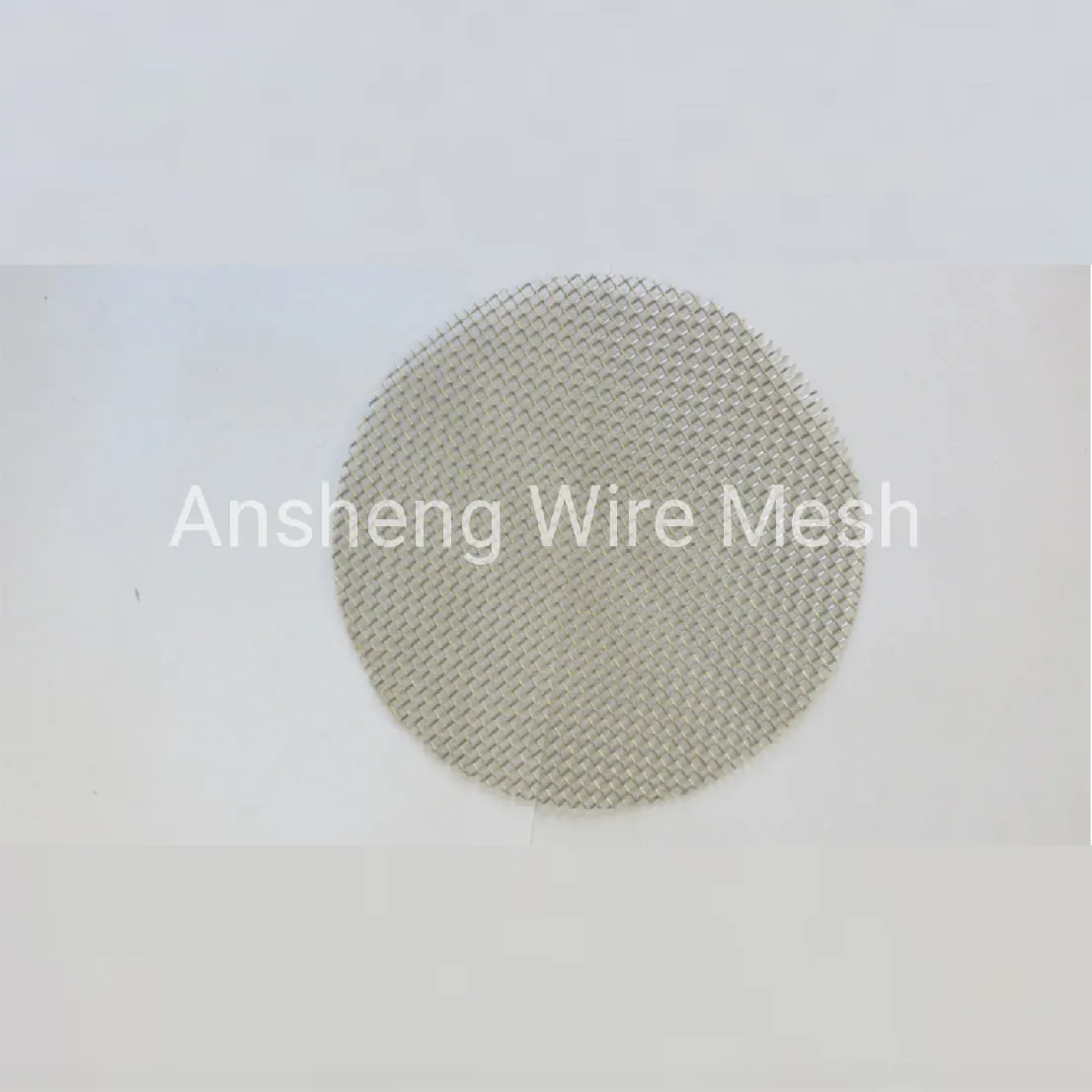
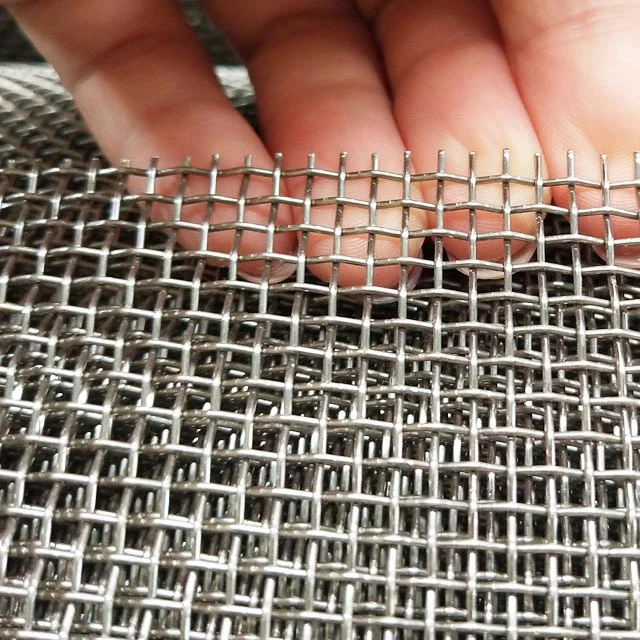
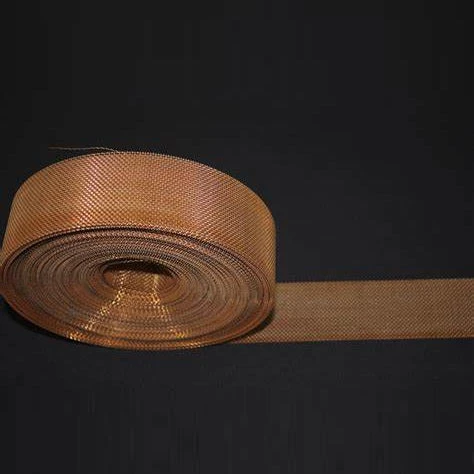
Stainless hardware cloth might sound like another industrial jargon, but its importance is far-reaching—from safeguarding vital infrastructure to empowering humanitarian efforts globally. In an era where durability, resistance to corrosion, and multi-functionality drive material choices, this mesh fabric rises above the noise. Fundamentally, stainless hardware cloth is a woven mesh made from stainless steel wires, offering exceptional strength, durability, and versatility.

Whether it’s protecting crops from pests in rural farming communities or acting as a bedrock in filtration and safety screens across industries, understanding stainless hardware cloth leads to smarter decisions in design, sustainability, and cost-efficiency worldwide.

Mini takeaway: Stainless hardware cloth is a surprisingly pivotal material that supports various industries—from agriculture to aviation—making it an unsung hero of modern resilience.

Why Stainless Hardware Cloth Is a Global Game-Changer

According to the ISO standard ISO 9044, stainless steel mesh products like hardware cloth enable exceptional longevity and performance under harsh conditions. The UN FAO notes that durable materials significantly improve storage and crop protection, reducing wastage for millions of farmers worldwide. That’s just the start — stainless hardware cloth is also essential in industrial filtration, safety barriers, and environmental control systems across continents.

However, one challenge remains: many regions struggle to balance cost with performance, often settling for inferior materials that quickly degrade or fail. The rise of stainless hardware cloth solutions offers a pathway to tackling this challenge head-on with reliable, scalable products.

Mini takeaway: On a global scale, stainless hardware cloth addresses durability challenges, cutting waste and improving safety in industries prone to harsh environments.

What Exactly Is Stainless Hardware Cloth?

At its core, stainless hardware cloth is a grid-like fabric formed from thin yet sturdy stainless steel wires woven tightly together. Unlike common wire mesh—which may corrode or break easily—this cloth boasts intrinsic resistance to rust, heat, and chemical attacks thanks to the chromium content in stainless steel alloys.

It’s widely used in agriculture (think pest barriers), construction (reinforcement meshes), filtration industries, and wildlife protection. Its lightweight but high-tensile nature makes it perfect for applications requiring strength without bulk.

Mini takeaway: Stainless hardware cloth is a corrosion-resistant, strong mesh material weaving durability into everyday industry needs.

Key Features That Make Stainless Hardware Cloth So Effective

Durability & Corrosion Resistance

Unlike traditional wire meshes, stainless hardware cloth resists rust and degradation. This property ensures longevity in coastal environments, chemical plants, and outdoor installations—places where mild steel would quickly fail. Many engineers appreciate this because it minimizes maintenance cycles.

Flexibility & Scalability

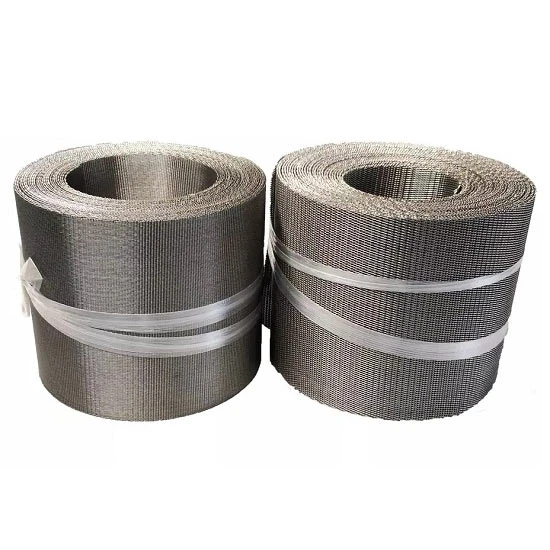
The mesh can be produced in various weave patterns and wire gauges, tailoring it to anything from fine pest screening to heavy-duty reinforcement. This flexibility means one material can serve a wide range of jobs, simplifying procurement and stock management.

Cost Efficiency Over Time

While initial outlay may be higher than cheaper alternatives, the extended lifespan reduces replacement and repair costs. Organizations focused on sustainability also benefit by generating less waste in the long run.

Multipurpose Applications

Because stainless hardware cloth’s structure allows airflow and water passage while blocking unwanted elements, it fits roles from air filtration in critical factories to animal enclosure protection.

Easy Installation and Maintenance

The lightweight properties allow faster deployment and easier handling—even in challenging field conditions, such as refugee camps or remote infrastructure projects.

Mini takeaway: Durability, adaptability, and long-term savings make stainless hardware cloth a practical choice for engineers and planners worldwide.

How Stainless Hardware Cloth Is Used Around the World

Somewhat surprisingly, stainless hardware cloth pops up in some very critical settings across continents:

  • Agriculture in Sub-Saharan Africa: Farmers rely on it to protect crops from rodents and birds, boosting harvest yields and food security.
  • Industrial Filtration in Europe & North America: Factories use it in HVAC systems and water treatment plants to maintain hygiene and machinery uptime.
  • Post-Disaster Relief Efforts: In Southeast Asia’s cyclone-prone areas, temporary shelters equipped with stainless mesh provide both ventilation and animal-proof security.
  • Wildlife Conservation in South America: Reserves use stainless cloth to create humane animal enclosures, enhancing protection and limiting environmental disruption.
  • Construction in the Middle East: The harsh desert climate requires hardened materials; stainless hardware cloth offers reinforcing support in concrete structures that last.

It’s interesting how one material threads through so many applications. I suppose it affirms the power of engineering basic materials right.

Mini takeaway: From farms to factories, remote zones to urban infrastructure, stainless hardware cloth proves a versatile, trusted solution worldwide.

Specifications of a Typical Stainless Hardware Cloth Product

Feature Specification Unit
Material Grade304 Stainless Steel
Wire Diameter0.5–1.2mm
Mesh Size1/8", 1/4", 1/2", 1"inches
Tensile Strength520MPa
Sheet Width1.0–2.0meters
Sheet Length30meters

Comparing Leading Stainless Hardware Cloth Vendors

Vendor Material Grades Customization Options Typical Lead Time Key Industries Served
Ansheng Filter & Screen 304, 316, 310 Mesh size, wire gauge, roll lengths 2-3 weeks Agriculture, Industrial Filtration, Construction
Global Mesh Corp 304, 317L Pre-cut sheets, custom packaging 3-4 weeks Oil & Gas, Chemical Processing
SteelWeave Inc. 316, 309 Custom wire alloy, mechanical treatment 1-2 weeks Food Processing, HVAC, Environmental

Advantages and Long-Term Benefits of Stainless Hardware Cloth

It’s not just about durability or price. Stainless hardware cloth offers peace of mind. In practical terms, it reduces replacement cycles and downtime, but emotionally, it anchors safety — for workers, crops, and endangered wildlife alike. The material’s sustainability credentials also make it a forward-thinking choice: less landfill waste, and lower overall resource consumption.

Companies adopting stainless hardware cloth often report improved supply chain reliability and customer trust, which in the end builds brand equity beyond mere numbers. Oddly enough, sometimes the most unglamorous materials carry enormous social and environmental benefits.

Mini takeaway: Stainless hardware cloth balances functionality with sustainability and builds trust through proven reliability.

What’s Next? Trends & Innovations in Stainless Hardware Cloth

In the near future, expect to see stainless hardware cloth integrated with smart coatings for anti-bacterial or self-cleaning properties — critical for hospitals, food processing, and water treatment plants. Digital transformation is creeping in: suppliers now offer more online customization platforms, enabling quicker adjustments according to exact client needs.

Material researchers are exploring ultra-fine mesh variants made with advanced steel alloys that reduce weight but keep strength. These improvements dovetail well with global sustainability goals, including ISO 14001 environmental management objectives.

Overcoming Challenges: Practical Solutions in Stainless Hardware Cloth Use

Of course, stainless hardware cloth isn’t magic. The initial cost sometimes deters small-scale users, and improper installation can reduce its effectiveness abruptly. But tailored education efforts and modular design options help simplify use. For example, NGOs working in disaster relief have partnered with manufacturers for ready-to-deploy kits that include installation guides and tools.

Moreover, recycling old stainless hardware cloth maintains resource flow without environmental harm—a small but valuable step toward circular industry.

FAQ About Stainless Hardware Cloth

What makes stainless hardware cloth better than regular wire mesh?
Stainless hardware cloth uses corrosion-resistant stainless steel wires which significantly boost durability, prevent rusting, and reduce maintenance—ideal for long-term outdoor or industrial use.
Can stainless hardware cloth be customized for specific applications?
Yes. Vendors typically offer various mesh sizes, wire thicknesses, and stainless grades to tailor products for agricultural, filtration, or construction needs.
How do I ensure the stainless hardware cloth lasts longer in harsh environments?
Proper installation, regular cleaning, and selecting the right steel grade (like 316 for marine exposure) extend longevity even in corrosive conditions.
Is stainless hardware cloth eco-friendly?
Compared to other materials, it’s very sustainable due to its long lifespan, recyclability, and reduced material wastage over time.
Where can I buy high-quality stainless hardware cloth?
Reliable suppliers such as Ansheng Filter & Screen specialize in customizable, certified stainless hardware cloth suitable for diverse needs worldwide.

Conclusion: Why Stainless Hardware Cloth Is a Wise Investment for the Future

If there’s one takeaway here, it's that stainless hardware cloth combines practicality with sustainability in a way few materials can match. It bolsters resilience for industries and communities alike, helping everyone sleep a bit easier knowing their infrastructure or crops are protected.

Interested in exploring stainless hardware cloth for your next project? Visit our website: Ansheng Filter & Screen for detailed info and personalized service. You might just find that the humble stainless mesh is what you’ve been missing.


References

  1. ISO 9044: Stainless steel mesh standards
  2. UN Food and Agriculture Organization Reports
  3. Wikipedia: Stainless steel

Post time: Nov . 21, 2025 10:30
Related News
  • Discover precision engineering and durable solutions with Wire Mesh Discs from Anping County Ansheng. Combining cost-effective customization with advanced CNC machining, our discs ensure industrial excellence. Explore now: https://www.anshengfilterscreen.com/single-layer.html

  • Plain weave is one of the most basic and fundamental fabric weaves. Its simplicity doesn’t equate to limited use; on the contrary, it's incredibly versatile and found in countless applications. This article will explore the characteristics of plain weave, its advantages, and, most importantly, what is plain weave used for across various industries. Understanding this weave is crucial for anyone involved in textiles, filtration, or composite materials. It's a cornerstone of many modern manufacturing processes. The plain weave is characterized by its simple over-under pattern. Each weft yarn (horizontal) alternates crossing over and under each warp yarn (vertical). This creates a distinct checkerboard-like appearance. This seemingly simple structure gives the fabric excellent stability and a balanced texture. The density of the weave – the number of warp and weft yarns per inch – directly affects the fabric’s properties, such as its strength, permeability, and drape. It’s a remarkably efficient weave, making it cost-effective for large-scale production. The versatility of plain weave makes it a go-to choice in numerous industries. Here's a breakdown of some key applications: Apparel Fabrics: Cotton, linen, and polyester plain weaves are used extensively in clothing – think shirts, blouses, bedsheets, and linings. Filtration: Plain weave fabrics are a fundamental component of many filter screens, used for separating solids from liquids or gases.

  • Dutch wire mesh, renowned for its precision and versatility, is a crucial material across various industries, from filtration and screening to architectural applications. This article delves into the specifics of Dutch wire mesh, its properties, applications, and why Ansheng Filter Screen is a leading provider of high-quality Dutch wire mesh solutions. Whether you are in need of precise filtration, robust screening, or specialized weaving, understanding the nuances of this material is key to making informed decisions. Let's explore the world of Dutch wire mesh and uncover its many benefits. Dutch wire mesh isn’t a specific weave style but rather a term signifying a precise method of weaving wire, primarily focusing on achieving extremely consistent aperture sizes. It’s characterized by its tightly controlled weave and uniform openings, making it ideal for applications where precise filtration or screening is critical. Typically made from stainless steel (304, 316L, and others), the mesh is known for its durability, corrosion resistance, and ability to withstand high temperatures. The process involves weaving wires in both warp and weft directions, creating a stable and dimensionally accurate fabric.

  • Dutch weave is a versatile type of woven wire mesh known for its unique structure and diverse applications. It's characterized by alternating plain and twill weaves, resulting in a fabric with excellent strength, flexibility, and permeability. This makes it ideal for a range of uses in industries like filtration, screening, and reinforcement. Ansheng Filter Screen specializes in high-quality dutch weave mesh, catering to diverse industrial needs. Understanding the properties and applications of dutch weave is key to maximizing its benefits in various sectors. Dutch weave isn’t a single weave pattern but a combination. It’s created by alternately weaving plain and twill patterns. The twill weave creates a diagonal rib pattern which impacts the mesh’s properties. This unique construction results in a mesh that is more open in one direction than the other, providing excellent flow characteristics. This makes it superior for applications needing high permeability while maintaining good structural integrity.

  • Protecting crops, buildings, and infrastructure from bird damage is a significant concern for many industries. Galvanised bird mesh provides a robust and effective solution. This article will explore the benefits, applications, and key considerations when choosing galvanised bird mesh, offering a detailed overview for those seeking reliable bird control. From agricultural protection to industrial applications, we will cover everything you need to know about this versatile product. Galvanised bird mesh is a woven wire netting coated with a layer of zinc. This galvanisation process provides excellent corrosion resistance, making it suitable for outdoor applications and harsh environments. The mesh is typically made from steel wire, offering strength and durability. Different mesh sizes are available to cater to various bird species and protection needs.

  • When selecting materials for industrial filtration, construction, or agricultural applications, galvanized steel mesh screen stands out as a durable and cost-effective solution. This article will provide a detailed overview of galvanized steel mesh screen, covering its properties, applications, benefits, and important considerations when making a purchase. Understanding its characteristics can help you determine if it’s the ideal material for your specific needs. We will delve into the nuances of this versatile material and how Ansheng Filter Screen provides quality products. Galvanized steel mesh screen is a woven wire mesh manufactured from steel that has been coated with a layer of zinc. This zinc coating acts as a protective barrier against corrosion and rust, significantly extending the lifespan of the steel. The galvanization process can be hot-dip galvanizing or electro-galvanizing, each offering different levels of protection and cost. The mesh is typically available in various weave patterns, such as plain weave, twill weave, and dutch weave, each suited for different filtration and screening needs.

  • Galvanized netting is a versatile and cost-effective solution for a wide range of applications, from agricultural fencing to industrial safety barriers. Its durability and resistance to corrosion make it a popular choice across numerous industries. This article will delve into the properties of galvanized netting, exploring its benefits, common uses, different types available, and how to select the best netting for your specific needs. Understanding the nuances of galvanized netting will ensure you make an informed decision and maximize its lifespan and effectiveness. Galvanized netting is woven from steel wire that has been coated with a layer of zinc through a process called galvanization. This zinc coating acts as a barrier against corrosion, protecting the steel from rust and environmental damage. There are two primary galvanization methods: hot-dip galvanizing and electro-galvanizing. Hot-dip galvanizing involves immersing the steel wire in a bath of molten zinc, creating a thick and durable coating. Electro-galvanizing uses an electric current to deposit a thinner layer of zinc onto the wire.

  • Dutch weave mesh is a versatile and durable material used in a wide range of industrial and filtration applications. Known for its unique weaving pattern, it provides excellent strength and permeability. This article will explore the characteristics, applications, benefits, and considerations when choosing Dutch weave mesh, providing a thorough understanding for professionals and buyers. Understanding its properties is vital to selecting the right mesh for your needs. Dutch weave mesh is created by weaving two sets of wires – one heavier warp wire and one finer shute wire – in a specific pattern. This construction results in a mesh with larger openings in one direction and smaller openings in the other. The heavier warp wires provide strength and dimensional stability, while the finer shute wires create a greater open area for improved flow rates. This unique structure differentiates it from plain weave or twill weave meshes, making it ideal for applications requiring both filtration and structural integrity.

WE PROVIDE HIGH QUALITYEQUIPMENT
Recommend Products
  • Stainless Steel Plain Weave Wire Mesh

    Stainless steel plain weave wire mesh, also known as Stainless steel wire cloth, stainless steel screen, stainless steel gauze. Materials: Stainless steel 201, 304, 316, 316L, etc. Plain weave scope of Mesh : 1mesh-635mesh Plain weave scope of wire diameter: 1mm-0.001mm Plain weave scope of width: usually 0.915m-2meters, and special specifications can be customized according to customer requirements. Plain weave scope of length: generally 30 meters. Stainless steel wire mesh weave type: plain weave, twill weave, herringbone weave, dutch weave, reserve dutch weave

  • Stainless Steel Reverse Dutch Weave Wire Mesh

    Stainless steel reserve dutch weave wire mesh, also known as Stainless steel wire cloth, stainless steel screen, stainless steel gauze. Materials: Stainless steel 201, 304, 316, 316L, etc. Reserve dutch weave scope of Mesh : 72x15mesh-260x40mesh Reserve dutch weave scope of wire diameter: 0.55mm-0.15mm Reserve dutch weave scope of width: usually 60mm-300mm, and special specifications can be customized according to customer requirements. Reserve dutch weave scope of length: generally 10 meters, 20 meters, 30meters. Stainless steel wire mesh weave type: plain weave, twill weave, herringbone weave, dutch weave, reserve dutch weave

  • Iron Dutch Weave Wire Mesh

    Low-carbon steel dutch weave wire mesh, also known as iron wire filter mesh, black wire cloth. Materials: Low-carbon steel Scope of Mesh : 7x55mesh-40x200mesh Scope of wire diameter: 0.14mm-0.75mm Scope of width: usually 0.915m-1.3meters, and special specifications can be customized according to customer requirements. Scope of length: generally 30 meters. Weave: plain weave, herringbone weave, dutch weave

  • Phosphor Copper Wire Mesh

    Phosphor copper wire mesh, also known as copper wire mesh. Materials: QSn6.5-0.1,QSn6.5-0.4 Property: Non-magnetic, wear resistant, good ductility Scope of Mesh : 2-300mesh Scope of wire diameter: 0.08mm-0.8mm Scope of width: usually 1m-1.5meters, and special specifications can be customized according to customer requirements. Scope of length: generally 30 meters. Weave: plain weave, twill weave

tel email tel top

If you are interested in our products, you can choose to leave your information here, and we will be in touch with you shortly.