
Stainless Security Mesh: Durable, Sustainable Solutions for Global Safety

Understanding Stainless Security Mesh: Durable Protection in a Complex World

Stainless security mesh might sound like technical jargon, but it’s really a vital material quietly making a huge impact in industries and communities worldwide. Essentially, it’s a woven or welded metal fabric made of stainless steel that protects, secures, and sometimes beautifies spaces. Why does it matter so much on a global scale? Because with rising concerns about safety, infrastructure longevity, and sustainability, stainless security mesh offers an elegant solution to multiple challenges—whether we’re talking about safeguarding urban centers, supporting humanitarian efforts, or securing critical facilities.

Over the next several paragraphs, we’ll dive into what stainless security mesh is, why it’s become a go-to choice in many sectors, and how its global applications reveal broader trends in safety and technology. Plus, we'll peek at specs and some vendor options to make it practical.

Global Context: Why Stainless Security Mesh Is Increasingly Relevant

To grasp the importance of stainless security mesh, we might start by looking at global data. The International Organization for Standardization (ISO) notes that infrastructure resilience and security are ever-growing priorities worldwide. According to the World Bank, investments in urban safety measures have increased over 20% in the past decade, reflecting rising concern over crime, terrorism, and natural disasters.

But here’s the kicker—traditional security measures can be costly, unsightly, or unsustainable. Stainless security mesh steps in as a flexible, robust, and often cost-effective answer. It addresses the challenge of creating secure environments without compromising aesthetics or environmental responsibility.

What Is Stainless Security Mesh?

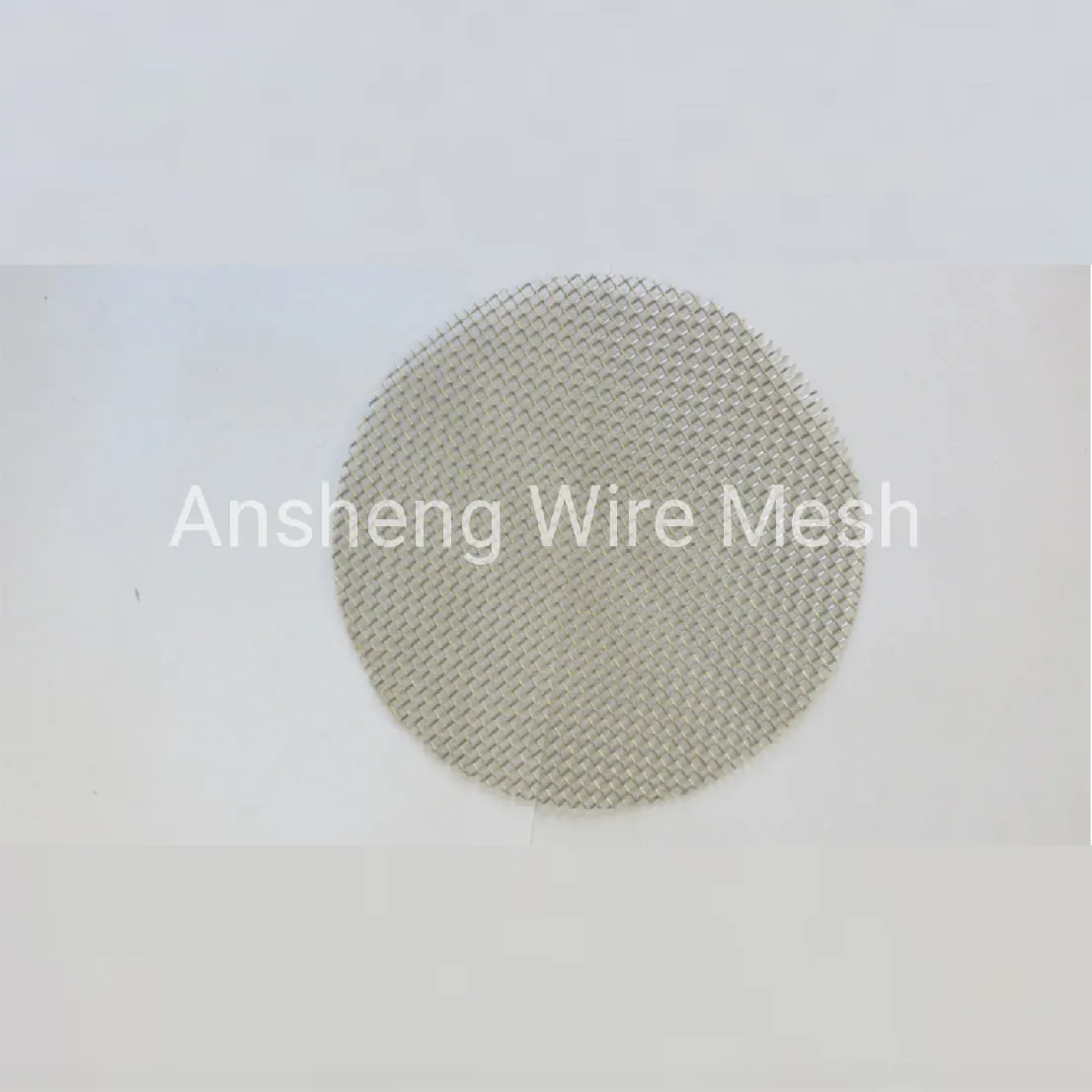
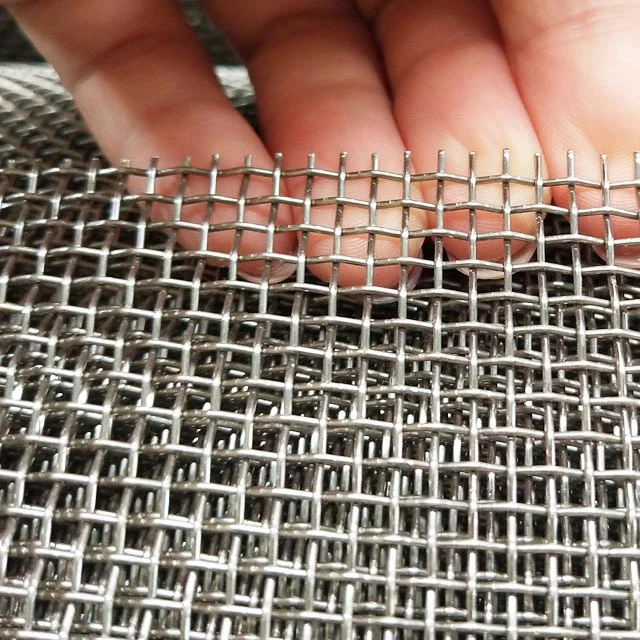
At its core, stainless security mesh is metal mesh crafted from stainless steel wires woven or welded together to form a strong grid or network. It’s corrosion-resistant, hard to breach, and adaptable to diverse forms—walls, windows, fences, or even ceilings. Think of it as a barrier that’s as tough as it is versatile. In modern industry and humanitarian contexts—whether protecting critical infrastructure or providing safe environments for refugees—this mesh acts as a silent guardian.

Key Components and Features of Stainless Security Mesh

1. Durability

One of the defining features is the use of stainless steel, often grades like 304 or 316, which resist rust and wear. This enhances lifespan even in harsh environments such as coastal or industrial zones.

2. Strength & Security

The mesh's design resists cutting, bending, and impact attempts. Higher gauge wires and tight mesh patterns increase this resistance, preventing unauthorized access without needing bulky reinforcements.

3. Versatility

It can be fabricated in different patterns—welded, woven, or knitted—and sizes, fitting various applications from small window inserts to large perimeter fences.

4. Aesthetic Appeal

Unlike traditional bars or wire fences, stainless security mesh can provide clear visibility and a sleek, modern look, important for buildings requiring security without looking fortress-like.

5. Sustainability

Being stainless steel, it’s recyclable and often made with recycled materials, aligning with greener building standards worldwide.

6. Ease of Maintenance

Due to corrosion resistance, maintenance is minimal compared to other materials prone to decay, lowering long-term costs.

Product Specification Table: Typical Stainless Security Mesh

Specification Details
Material 304 or 316 Stainless Steel
Wire Diameter 0.5 mm to 3.0 mm
Mesh Aperture 1 mm to 50 mm (varies by application)
Finish Electropolished or brushed
Maximum Panel Width Up to 2 meters (custom sizes available)

Global Applications & Use Cases of Stainless Security Mesh

Across the world, stainless security mesh weaves quietly into many industries and situations:

  • Urban Security: In European cities, mesh is often used in windows and balconies to prevent break-ins without blocking views.
  • Correctional Facilities: In North America, stainless mesh offers secure but ventilated fencing that reduces sharp edges or harmful projections.
  • Post-Disaster Relief: NGOs in Asia employ mesh panels to create safe zones quickly in temporary shelters, balancing protection with airflow and daylight.
  • Industrial Sites: Oil refineries and factories in the Middle East use it for perimeter fencing that needs to withstand harsh weather and potential sabotage.
  • Wildlife Conservation: African parks utilize stainless mesh to safely enclose animal habitats without harmful bars or cages, maintaining open visibility.

It’s this mix of security and adaptability that makes stainless security mesh a practically universal asset.

Advantages & Long-Term Value

On a practical level, stainless security mesh helps organizations save money over time since it rarely needs replacement or intensive maintenance. Its corrosion resistance means fewer repairs in humid or coastal environments—less downtime, fewer unexpected costs.

But beyond dollars and cents, there’s the emotional aspect: providing safety without creating fortress-like barriers humanizes spaces, fostering trust between communities. The mesh's transparency can symbolize openness while maintaining security—an important balance in modern society.

Plus, from a sustainability angle, stainless steel meshes often contain recycled steel and are fully recyclable at their end of life, helping reduce resource depletion.

Vendor Comparison Table

Vendor Mesh Types Lead Time Price Range Customization
Ansheng Filter Screen Woven, Welded, Knitted 2-3 weeks Moderate High, custom sizes and finishes
Global Mesh Co. Welded only 3-5 weeks Higher Limited
Secure Mesh Inc. Woven, Knitted 1-2 weeks Lower Moderate

Future Trends & Innovations

The field of stainless security mesh is evolving, often propelled by tech advances and environmental priorities.

  • Smart Mesh: Integration of sensors that detect cutting or intrusion attempts is gaining traction, allowing real-time security alerts.
  • Green Manufacturing: New production methods reduce energy usage and waste, aligning with international sustainability goals like the UN Sustainable Development Goals.
  • Hybrid Materials: Experimental mesh combining stainless steel with polymers aims to reduce weight while maintaining strength.
  • Digital Customization: Software-driven tailoring of mesh patterns to address specific regional or industry needs is increasingly common.

Challenges & Solutions

No material is perfect—stainless security mesh does have hurdles, including higher upfront cost compared to some alternatives and sometimes complex installation requiring skilled labor.

However, expert manufacturers, like Ansheng Filter Screen, mitigate this by offering consultancy, training, and scalable custom options that can actually reduce total cost over a facility’s lifecycle.

FAQ: Your Stainless Security Mesh Questions Answered

Q1: How does stainless security mesh compare to traditional bar fencing for security?
Stainless security mesh offers similar or better protection but allows visibility and airflow, making it less visually obstructive and more versatile in design and applications.
Q2: Can stainless security mesh withstand coastal environments?
Yes, grades like 316 stainless steel specifically resist corrosion from salt spray, making this mesh ideal for harsh coastal or marine settings.
Q3: Is stainless security mesh customizable to fit unique architectural designs?
Absolutely. Vendors offer various mesh weaves, finishes, and panel sizes, making it easy to integrate seamlessly with bespoke building aesthetics.
Q4: What is the typical lifespan of stainless security mesh outdoors?
With proper installation, it can last 20 years or more, often outlasting other fencing materials due to its corrosion resistance and durability.

Conclusion: Investing in Stainless Security Mesh for the Long Haul

In real terms, stainless security mesh isn’t just a protective barrier; it’s a smart, sustainable investment in safety and aesthetics that suits many global sectors. Its adaptability, longevity, and the forward-thinking improvements entering this market underscore why it’s becoming a first-choice security material worldwide.

To explore how stainless security mesh can elevate your projects, I suggest visiting Ansheng Filter Screen for detailed product information and expert guidance.

Oddly enough, once you see stainless security mesh in action, it feels like it’s quietly at the heart of modern safety solutions, quietly but firmly holding the line.

Mini Takeaway: Stainless security mesh balances durability, visibility, and sustainability, making it an increasingly vital security component worldwide.

References

  1. ISO standards for stainless steel materials
  2. World Bank: Urban Development overview
  3. Wikipedia: Stainless Steel

Post time: Dec . 02, 2025 05:40
Related News
  • Plain weave is one of the most basic and fundamental fabric weaves. Its simplicity doesn’t equate to limited use; on the contrary, it's incredibly versatile and found in countless applications. This article will explore the characteristics of plain weave, its advantages, and, most importantly, what is plain weave used for across various industries. Understanding this weave is crucial for anyone involved in textiles, filtration, or composite materials. It's a cornerstone of many modern manufacturing processes. The plain weave is characterized by its simple over-under pattern. Each weft yarn (horizontal) alternates crossing over and under each warp yarn (vertical). This creates a distinct checkerboard-like appearance. This seemingly simple structure gives the fabric excellent stability and a balanced texture. The density of the weave – the number of warp and weft yarns per inch – directly affects the fabric’s properties, such as its strength, permeability, and drape. It’s a remarkably efficient weave, making it cost-effective for large-scale production. The versatility of plain weave makes it a go-to choice in numerous industries. Here's a breakdown of some key applications: Apparel Fabrics: Cotton, linen, and polyester plain weaves are used extensively in clothing – think shirts, blouses, bedsheets, and linings. Filtration: Plain weave fabrics are a fundamental component of many filter screens, used for separating solids from liquids or gases.

  • Dutch wire mesh, renowned for its precision and versatility, is a crucial material across various industries, from filtration and screening to architectural applications. This article delves into the specifics of Dutch wire mesh, its properties, applications, and why Ansheng Filter Screen is a leading provider of high-quality Dutch wire mesh solutions. Whether you are in need of precise filtration, robust screening, or specialized weaving, understanding the nuances of this material is key to making informed decisions. Let's explore the world of Dutch wire mesh and uncover its many benefits. Dutch wire mesh isn’t a specific weave style but rather a term signifying a precise method of weaving wire, primarily focusing on achieving extremely consistent aperture sizes. It’s characterized by its tightly controlled weave and uniform openings, making it ideal for applications where precise filtration or screening is critical. Typically made from stainless steel (304, 316L, and others), the mesh is known for its durability, corrosion resistance, and ability to withstand high temperatures. The process involves weaving wires in both warp and weft directions, creating a stable and dimensionally accurate fabric.

  • Dutch weave is a versatile type of woven wire mesh known for its unique structure and diverse applications. It's characterized by alternating plain and twill weaves, resulting in a fabric with excellent strength, flexibility, and permeability. This makes it ideal for a range of uses in industries like filtration, screening, and reinforcement. Ansheng Filter Screen specializes in high-quality dutch weave mesh, catering to diverse industrial needs. Understanding the properties and applications of dutch weave is key to maximizing its benefits in various sectors. Dutch weave isn’t a single weave pattern but a combination. It’s created by alternately weaving plain and twill patterns. The twill weave creates a diagonal rib pattern which impacts the mesh’s properties. This unique construction results in a mesh that is more open in one direction than the other, providing excellent flow characteristics. This makes it superior for applications needing high permeability while maintaining good structural integrity.

  • Protecting crops, buildings, and infrastructure from bird damage is a significant concern for many industries. Galvanised bird mesh provides a robust and effective solution. This article will explore the benefits, applications, and key considerations when choosing galvanised bird mesh, offering a detailed overview for those seeking reliable bird control. From agricultural protection to industrial applications, we will cover everything you need to know about this versatile product. Galvanised bird mesh is a woven wire netting coated with a layer of zinc. This galvanisation process provides excellent corrosion resistance, making it suitable for outdoor applications and harsh environments. The mesh is typically made from steel wire, offering strength and durability. Different mesh sizes are available to cater to various bird species and protection needs.

  • When selecting materials for industrial filtration, construction, or agricultural applications, galvanized steel mesh screen stands out as a durable and cost-effective solution. This article will provide a detailed overview of galvanized steel mesh screen, covering its properties, applications, benefits, and important considerations when making a purchase. Understanding its characteristics can help you determine if it’s the ideal material for your specific needs. We will delve into the nuances of this versatile material and how Ansheng Filter Screen provides quality products. Galvanized steel mesh screen is a woven wire mesh manufactured from steel that has been coated with a layer of zinc. This zinc coating acts as a protective barrier against corrosion and rust, significantly extending the lifespan of the steel. The galvanization process can be hot-dip galvanizing or electro-galvanizing, each offering different levels of protection and cost. The mesh is typically available in various weave patterns, such as plain weave, twill weave, and dutch weave, each suited for different filtration and screening needs.

  • Galvanized netting is a versatile and cost-effective solution for a wide range of applications, from agricultural fencing to industrial safety barriers. Its durability and resistance to corrosion make it a popular choice across numerous industries. This article will delve into the properties of galvanized netting, exploring its benefits, common uses, different types available, and how to select the best netting for your specific needs. Understanding the nuances of galvanized netting will ensure you make an informed decision and maximize its lifespan and effectiveness. Galvanized netting is woven from steel wire that has been coated with a layer of zinc through a process called galvanization. This zinc coating acts as a barrier against corrosion, protecting the steel from rust and environmental damage. There are two primary galvanization methods: hot-dip galvanizing and electro-galvanizing. Hot-dip galvanizing involves immersing the steel wire in a bath of molten zinc, creating a thick and durable coating. Electro-galvanizing uses an electric current to deposit a thinner layer of zinc onto the wire.

  • Dutch weave mesh is a versatile and durable material used in a wide range of industrial and filtration applications. Known for its unique weaving pattern, it provides excellent strength and permeability. This article will explore the characteristics, applications, benefits, and considerations when choosing Dutch weave mesh, providing a thorough understanding for professionals and buyers. Understanding its properties is vital to selecting the right mesh for your needs. Dutch weave mesh is created by weaving two sets of wires – one heavier warp wire and one finer shute wire – in a specific pattern. This construction results in a mesh with larger openings in one direction and smaller openings in the other. The heavier warp wires provide strength and dimensional stability, while the finer shute wires create a greater open area for improved flow rates. This unique structure differentiates it from plain weave or twill weave meshes, making it ideal for applications requiring both filtration and structural integrity.

  • Explore the benefits, applications, and vendors of Reverse Dutch Weave for industrial filtration systems. Learn how Ansheng Filter Screen delivers durable and high-performance filtration solutions.

WE PROVIDE HIGH QUALITYEQUIPMENT
Recommend Products
  • Stainless Steel Plain Weave Wire Mesh

    Stainless steel plain weave wire mesh, also known as Stainless steel wire cloth, stainless steel screen, stainless steel gauze. Materials: Stainless steel 201, 304, 316, 316L, etc. Plain weave scope of Mesh : 1mesh-635mesh Plain weave scope of wire diameter: 1mm-0.001mm Plain weave scope of width: usually 0.915m-2meters, and special specifications can be customized according to customer requirements. Plain weave scope of length: generally 30 meters. Stainless steel wire mesh weave type: plain weave, twill weave, herringbone weave, dutch weave, reserve dutch weave

  • Stainless Steel Reverse Dutch Weave Wire Mesh

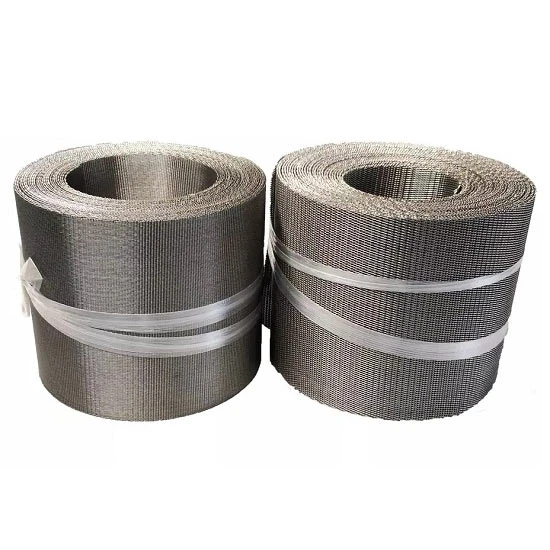
    Stainless steel reserve dutch weave wire mesh, also known as Stainless steel wire cloth, stainless steel screen, stainless steel gauze. Materials: Stainless steel 201, 304, 316, 316L, etc. Reserve dutch weave scope of Mesh : 72x15mesh-260x40mesh Reserve dutch weave scope of wire diameter: 0.55mm-0.15mm Reserve dutch weave scope of width: usually 60mm-300mm, and special specifications can be customized according to customer requirements. Reserve dutch weave scope of length: generally 10 meters, 20 meters, 30meters. Stainless steel wire mesh weave type: plain weave, twill weave, herringbone weave, dutch weave, reserve dutch weave

  • Iron Dutch Weave Wire Mesh

    Low-carbon steel dutch weave wire mesh, also known as iron wire filter mesh, black wire cloth. Materials: Low-carbon steel Scope of Mesh : 7x55mesh-40x200mesh Scope of wire diameter: 0.14mm-0.75mm Scope of width: usually 0.915m-1.3meters, and special specifications can be customized according to customer requirements. Scope of length: generally 30 meters. Weave: plain weave, herringbone weave, dutch weave

  • Phosphor Copper Wire Mesh

    Phosphor copper wire mesh, also known as copper wire mesh. Materials: QSn6.5-0.1,QSn6.5-0.4 Property: Non-magnetic, wear resistant, good ductility Scope of Mesh : 2-300mesh Scope of wire diameter: 0.08mm-0.8mm Scope of width: usually 1m-1.5meters, and special specifications can be customized according to customer requirements. Scope of length: generally 30 meters. Weave: plain weave, twill weave

tel email tel top

If you are interested in our products, you can choose to leave your information here, and we will be in touch with you shortly.