
Understanding SS304 Wire Mesh: A Global Industrial Essential
At its core, ss304 wire mesh is a seemingly simple steel woven mesh, but its significance spans far beyond just raw material. In fact, in industries ranging from construction and food processing to mining and filtration, understanding the properties and applications of ss304 wire mesh is crucial for operational success worldwide. Why? Because it’s about durability, efficiency, and adaptability—qualities industries desperately need especially as supply chain reliability and sustainability become focal points globally.
Honestly, if you’ve worked around stainless steel products you’d recognize that ss304 wire mesh isn’t just “mesh”. It’s a fine balance of chemistry and engineering, offering robust performance across vastly different environments. This matters—whether you’re filtering contaminants, protecting machinery, or creating structural barriers. The stakes are high: imagine the difference between a fragile wire mesh that fails mid-shift versus a reliable one helping keep critical industrial processes humming.
Global Context: Why SS304 Wire Mesh Matters Worldwide
To put it in context, stainless steel production worldwide exceeded 60 million metric tons in recent years, and ss304 grades make up a healthy chunk of that, thanks to their corrosion resistance and versatility.[1] The United Nations Industrial Development Organization (UNIDO) emphasizes industrial materials that marry longevity with functionality — ss304 wire mesh fits that bill perfectly, being a material that can withstand decades of exposure to harsh conditions without significant degradation.[2]
However, one persistent problem globally is contamination and safety in industrial settings—especially in food and pharmaceutical sectors, plus environmental controls. The demand for strong, hygienic filtering materials that resist rust and chemical wear to perfection is rising. SS304 wire mesh answers that demand. So it’s not just a product, but a solution to pressing challenges across continents.
What Exactly Is SS304 Wire Mesh?
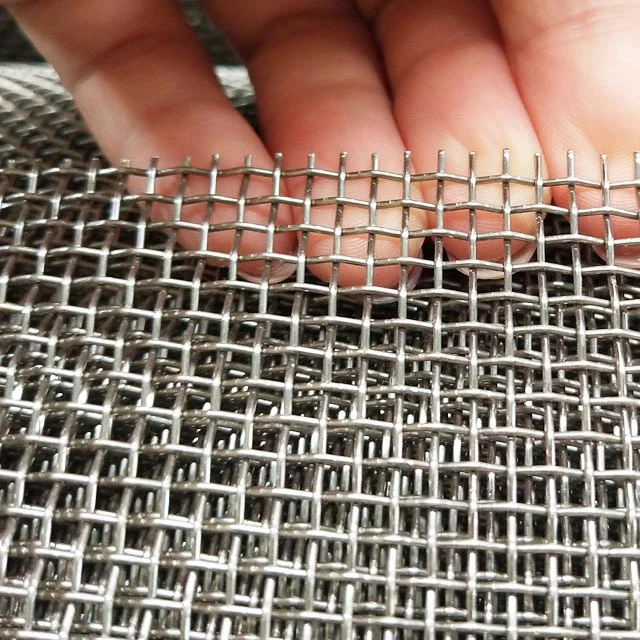
Simply put, ss304 wire mesh is a woven or welded mesh made from stainless steel grade 304, which is an alloy of iron, chromium (about 18-20%), and nickel (8-10.5%). This particular chemical makeup lends the steel excellent corrosion resistance and mechanical strength.
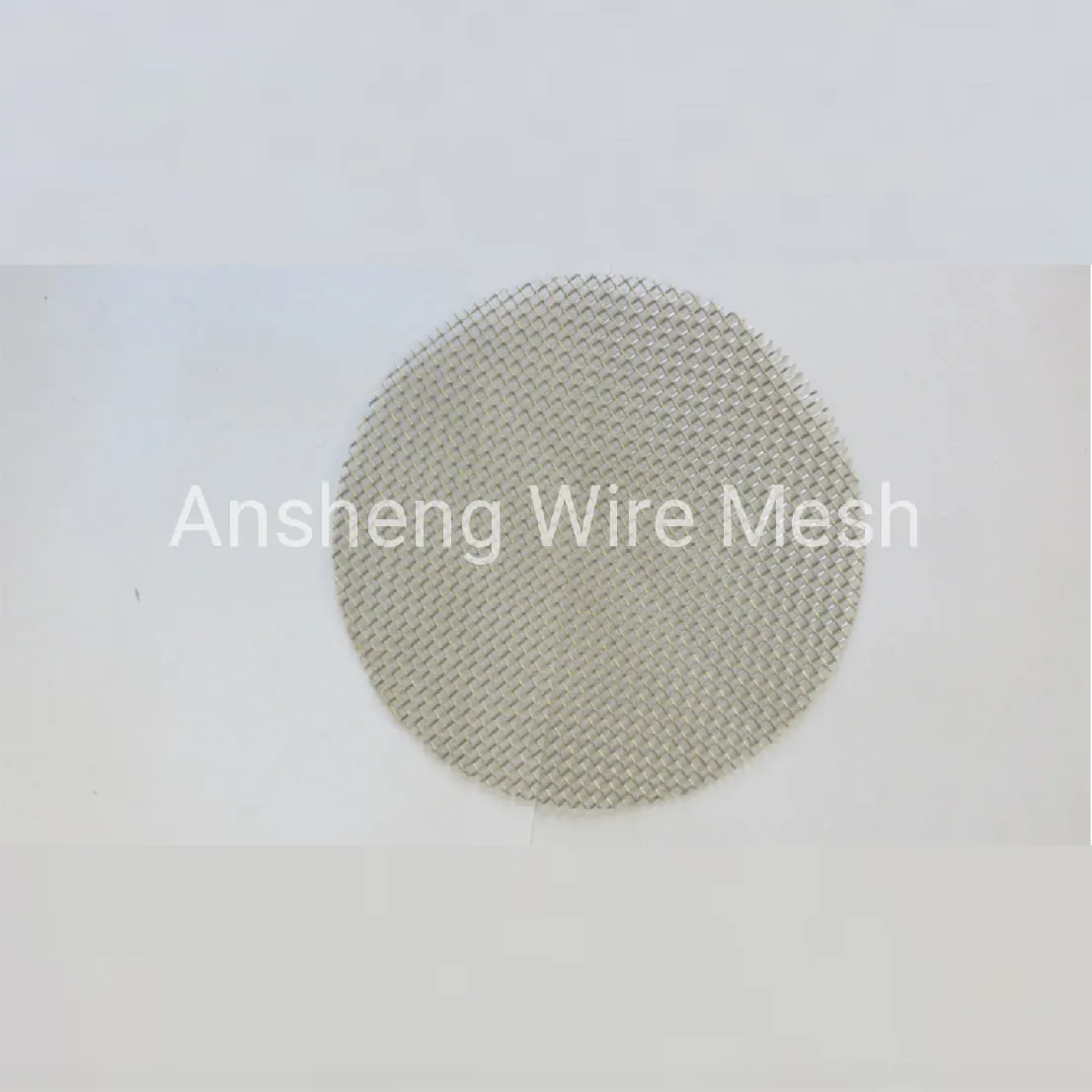
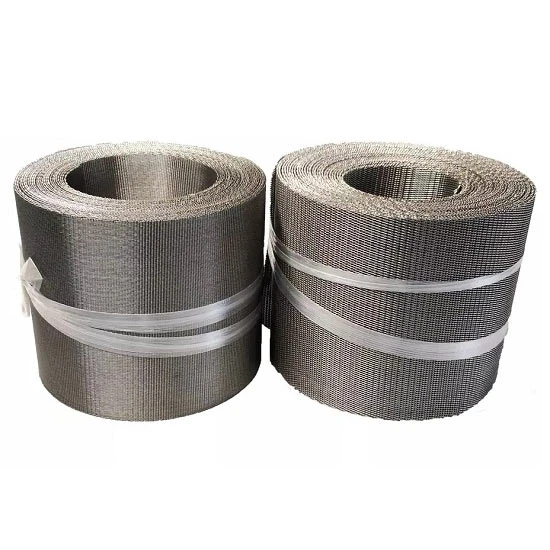
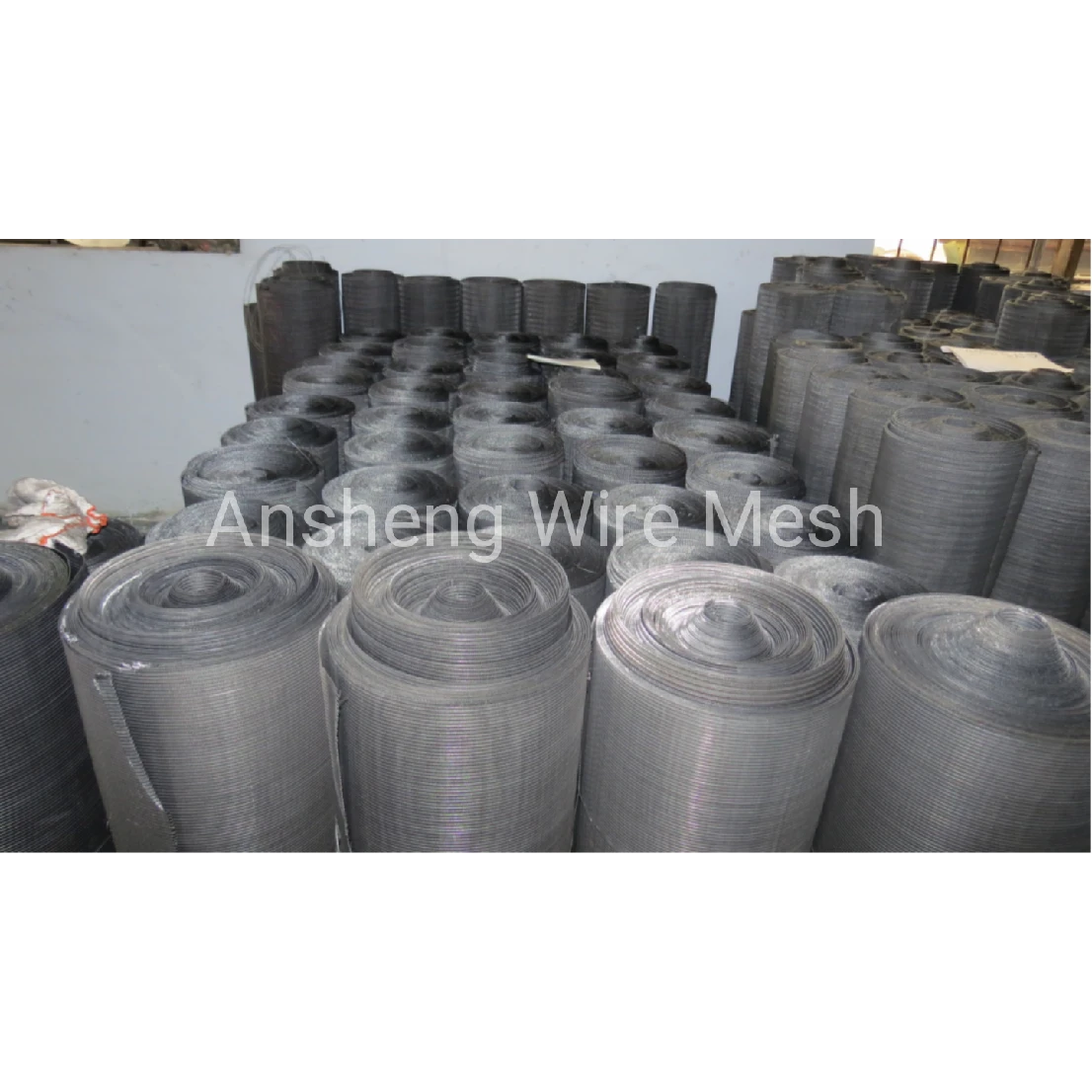
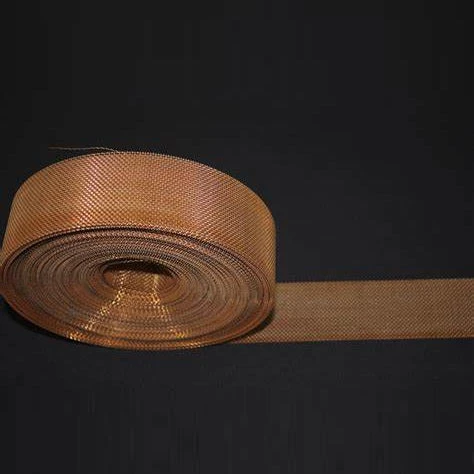
The mesh usually comes in sheets or rolls with different weave patterns (plain weave, twill weave) and mesh sizes tailored to specific industrial needs. In many ways, it acts as a durable filter, screen, or barrier. The fact that it resists oxidation makes it especially popular where moisture or chemicals would quickly degrade regular steel wire.
In modern industries, this material frequently appears in water treatment plants, chemical manufacturing, food processing lines, and even architectural facades. Oddly enough, it bridges heavy industry and high hygiene standards, reflecting its unique role in modern manufacturing and infrastructure.
Key Properties of SS304 Wire Mesh
- Durability & Corrosion Resistance: ss304 is designed to resist rusting in most environments, including mildly corrosive ones.
- Versatility: Available in various mesh counts and wire gauges to suit filtration, screening, and structural requirements.
- Heat Resistance: Retains strength under temperatures up to approximately 870°C (1600°F), important for some industrial processes.
- Cleanability and Hygiene: Smooth surface and corrosion resistance means easy cleaning, essential in food and medical applications.
- Cost Efficiency: Offers a solid lifespan relative to cost, minimizing frequent replacements.
- Customization & Scalability: Can be tailored for very fine filtration or coarse structural uses.
These core features lead directly to practical benefits — you want a wire mesh that isn’t just strong but lasts in your environment, requires minimal maintenance, and performs consistently. Frankly, ss304 wire mesh ticks those boxes.
| Specification | Details |
|---|---|
| Material Grade | SS304 Stainless Steel |
| Wire Diameter | 0.1 mm to 5 mm |
| Mesh Count | From 2 mesh to 400 mesh |
| Weave Type | Plain weave, twill weave |
| Standard Sheet Size | 1m x 25m roll or cut sheets |
| Max Operating Temperature | 870°C (1600°F) |
Where SS304 Wire Mesh is Changing the Game Globally
In real terms, ss304 wire mesh finds homes in many compelling applications:
- Environmental Filtration: In water treatment plants across Europe and Asia, it filters pollutants with precision and longevity.
- Food and Beverage Industry: Used extensively in US and EU factories for sifting, drying, and conveying food products to maintain cleanliness and product integrity.
- Mining and Construction: Australia and South Africa rely on it for protective screens and tunnel reinforcements.
- Architectural Features: Japanese and Middle Eastern buildings incorporate ss304 mesh facades for aesthetics and weather resistance.
- Medical & Pharmaceutical Sectors: Used worldwide in sterilization trays and machinery guards.
Interestingly, in disaster relief, lightweight ss304 wire mesh can form durable, hygienic barriers for temporary structures. NGOs facilitating health and shelter projects find this invaluable in areas prone to flooding or contamination.
Mini takeaway: It’s not just about the mesh itself; it’s about the wide reach and critical roles ss304 wire mesh plays in industrial resilience, public health, and infrastructure worldwide.
Advantages & Long-Term Value of SS304 Wire Mesh
Using ss304 wire mesh brings tangible benefits:
- Cost-Effectiveness: Though initial costs may be higher than plain steel, its much longer operational life reduces replacement, labor, and downtime costs.
- Environmental Sustainability: Being stainless steel, it’s highly recyclable and requires less frequent disposal, aligning with ISO environmental management standards.[3]
- Safety and Reliability: It enhances workplace safety by providing sturdy barriers and hygienic surfaces.
- Innovation Enabler: Customizable weaves mean manufacturers can trial new filtration or structural solutions with a flexible material.
For operators, the confidence in ss304 wire mesh ultimately translates into peace of mind—knowing that their systems won’t unexpectedly fail because their filtration or protective layers have succumbed to corrosion or fatigue. There’s a dignity, and frankly trustworthiness, that comes with this kind of reliability.
Looking Ahead: Innovations and Future Trends
Things are evolving. Recently, innovations in nanocoatings promise to enhance corrosion resistance even further. Smart sensors embedded in wire mesh structures are being tested for real-time monitoring—this sort of digital transformation is the next frontier for mesh materials.
Green energy sectors are also examining ss304 mesh for use in battery separators and hydrogen filtration, underscoring the mesh’s adaptability in emerging tech arenas. And sustainability protocols will likely push for more recycled content and eco-friendly manufacturing, pushing vendors toward greener footprints.
Challenges & Expert Solutions
However, ss304 wire mesh isn’t without limitations:
- Cost Implications: For budget-sensitive projects, the upfront price can be a hurdle.
- Corrosion in Extremely Harsh Environments: Chloride-rich settings (like marine offshores) sometimes outperform ss316 grades instead.
- Strength vs. Flexibility: Finer meshes can be fragile; it’s a trade-off to consider carefully.
Experts recommend combining ss304 with protective finishes or selecting hybrid materials for extreme use cases. Also, close collaboration between engineers and suppliers ensures the mesh specifications perfectly fit the application—there’s no one-size-fits-all.
| Vendor | Pricing | Customization Options | Lead Time | Global Shipping |
|---|---|---|---|---|
| Ansheng Filters | Competitive | Wide range, tailored mesh counts | 2-3 weeks | Yes (documented) |
| Global Mesh Co. | Mid-range | Standard only | 4 weeks | Limited |
| Steel Mesh Solutions | Premium | High customization; advanced alloys | 1-2 weeks | Yes |
FAQ: Frequently Asked Questions About SS304 Wire Mesh
- Q1: What makes ss304 wire mesh suitable for food processing?
- Its corrosion resistance and smooth surface reduce contamination risks and simplify cleaning, meeting strict hygiene regulations common in food industries.
- Q2: How does mesh count affect filtration performance?
- Higher mesh counts mean finer filtration but lower flow rates; selecting the right count depends on the particle size you need to filter.
- Q3: Can ss304 wire mesh be used outdoors in coastal areas?
- It can, but in high chloride environments (like seasides), stainless steel grades with higher molybdenum content such as ss316 are often recommended for better corrosion resistance.
- Q4: Is ss304 wire mesh recyclable?
- Absolutely. Stainless steel is 100% recyclable without loss of quality, contributing to sustainable manufacturing practices.
- Q5: How can NGOs source ss304 wire mesh internationally for relief projects?
- Partnering with experienced vendors like Ansheng Filters ensures documented global shipping and compliance with import regulations.
Conclusion: The Long-Term Value of SS304 Wire Mesh
Ultimately, ss304 wire mesh isn’t just another industrial product; it embodies reliability, adaptability, and innovation in a world that demands sustainable and robust solutions. From filtering water to shielding critical infrastructure, its role is vital and growing.
If you’re involved in specifications, purchasing, or engineering roles, I highly recommend exploring how ss304 wire mesh can add value to your projects. There’s a lot at stake—quality, safety, and efficiency—and in those terms, it’s more than worth considering.
Visit our website at https://www.anshengfilterscreen.com to learn more and request a customized quote.
Quick takeaway: ss304 wire mesh is the silent workhorse behind many industries—durable, adaptable, and increasingly indispensable.
References
Post time: Dec . 02, 2025 05:00