
Stuff Fit Copper Wire Mesh: An Insider’s Take
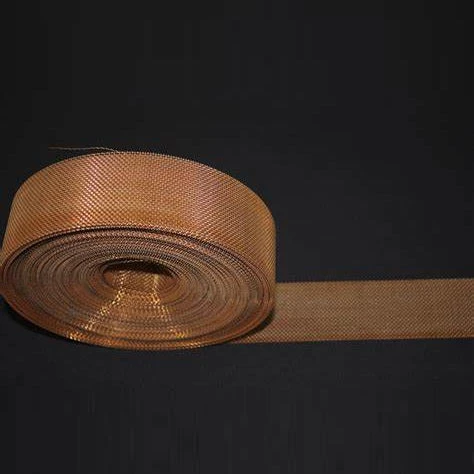
Having spent a good chunk of my career working around industrial equipment, I’ve come across all sorts of filtration materials, but the stuff fit copper wire mesh honestly stands out for a bunch of reasons. It’s one of those niche materials that quietly does a heavy lifting job in industries you might never guess. So, if you ever wondered why folks prefer copper mesh for filtration or shielding rather than stainless steel or synthetic fibers, let me share some thoughts from the field.
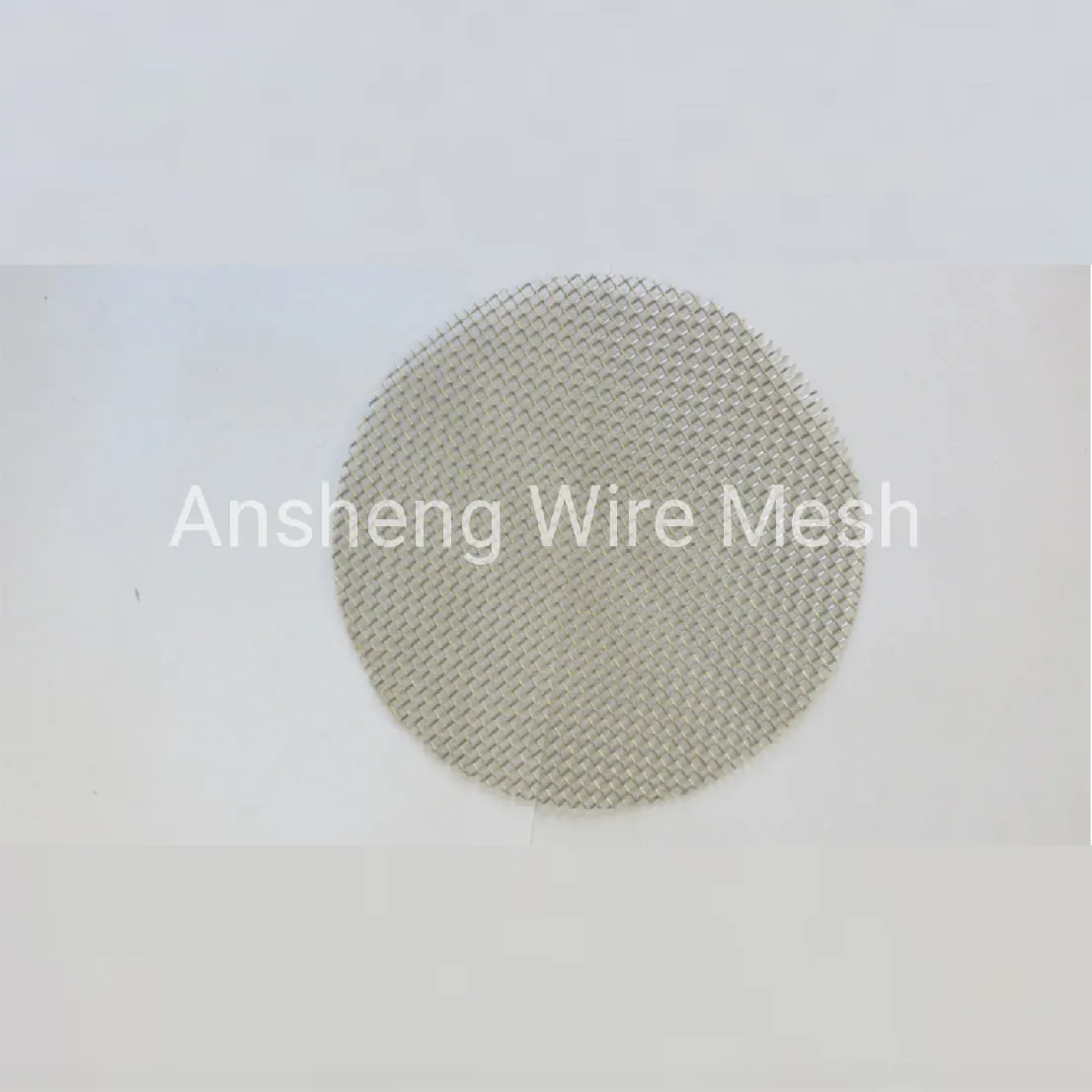
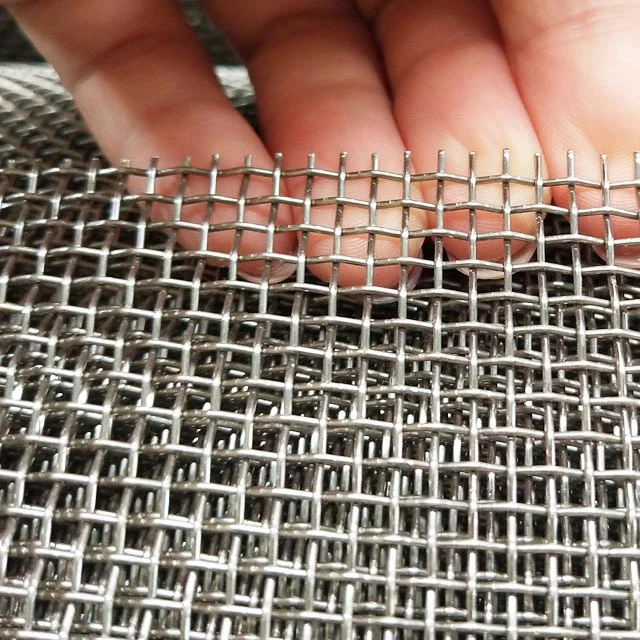
Firstly, copper wire mesh is prized for its excellent conductivity and corrosion resistance. Unlike some other metals, copper naturally resists many harsh chemicals and environmental wear, which is kinda critical in industrial setups where rough conditions are the norm. The “stuff fit” aspect really comes from how tightly the mesh is woven—enabling incredibly precise filtration or shielding – all while remaining flexible enough to shape and stuff into complex assemblies.
I recall one job at a chemical processing plant where the engineers initially struggled with filtering impure gases using conventional meshes. Switching to a custom grade of copper wire mesh made a noticeable difference — less downtime, fewer blockages. It’s kind of fascinating how something as seemingly simple as mesh weave can affect flow rate and durability so much.
Industry trends now are leaning heavily towards materials that allow easy customization without sacrificing longevity. Copper wire mesh definitely fits the bill. Plus, it ages well — copper oxidizes to a stable patina rather than rusting away, which some colleagues swear by when weighing maintenance costs over years. Frankly, you don’t always get the whole picture from spec sheets; real-world performance and adjustments matter.
Product Specifications of Stuff Fit Copper Wire Mesh
| Parameter | Typical Value | Units |
|---|---|---|
| Material | Copper (High-Purity Electrolytic) | - |
| Mesh Count | 20 - 400 | wires per inch |
| Wire Diameter | 0.025 - 1.2 | mm |
| Open Area | 20% - 70% | % |
| Tensile Strength | 210 - 230 | MPa |
| Max Operating Temp. | 400 | °C |
One thing that many industrial buyers appreciate is how the mesh can be fine-tuned to suit particular needs — whether that’s tighter weave for particle filtering or a coarser size for electromagnetic shielding. Several vendors offer customization but, oddly enough, the consistency between suppliers varies a fair bit. So, I’ve gathered a little comparison of some leading copper wire mesh vendors to help clarify options:
Vendor Comparison of Copper Wire Mesh Suppliers
| Vendor | Customization Options | Price Range (USD/m²) | Lead Time | Quality Consistency |
|---|---|---|---|---|
| Ansheng Filter Screen | Mesh size, wire diameter, roll width | $18 - $45 | 2 - 4 weeks | High |
| CopperWeave Co. | Limited weave patterns | $22 - $50 | 3 - 5 weeks | Medium |
| MetalMesh World | Standard meshes only | $15 - $30 | 1 - 3 weeks | Variable |
From experience, I can say that investing a bit more for a supplier with reliable customization and consistent quality often pays off. You avoid downtime, headaches with inconsistent filtering, and, frankly, wasted money replacing subpar mesh.
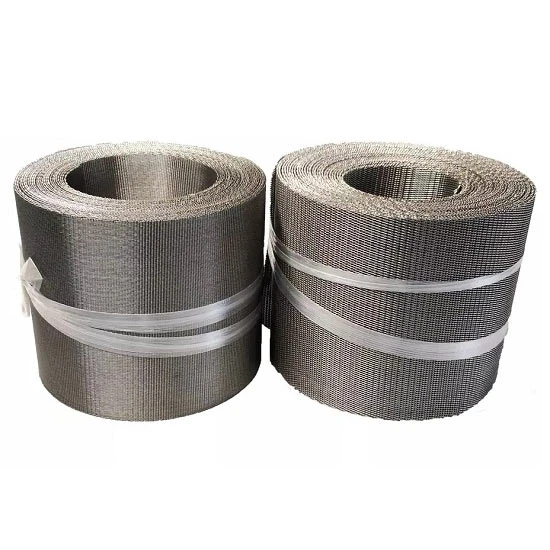
Back to the product itself — something else quite practical I noticed is the ease of installation. Copper’s ductility means the mesh bends without breaking, making stuff fit applications easier to handle. Need to line a pipe or wrap a component quickly? It just works. That’s not always true for stiffer metals or coated meshes.
Testing standards usually include ASTM methods for wire diameter and tensile strength, and I always recommend you check your vendor’s test reports before buying. You want to be sure the mesh lives up to its specs, especially for critical filtration or shielding tasks.
In sum? If you want a robust, customizable, long-lasting wire mesh solution for filtration, shielding, or EMI grounding, the stuff fit copper wire mesh ticks many boxes. It’s that kind of reliable staple in industrial settings that quietly keeps systems running without fanfare.
And honestly, isn’t that what you want at the end of the day?
References:
- ASTM International standards for Metallic Wire Mesh
- Industry case studies on chemical filtration applications
- Supplier technical datasheets and quality reports
Post time: Dec . 10, 2025 01:30