
Copper Wire Mesh Price – Industrial Insights & Vendor Comparison

Understanding Copper Wire Mesh Price: Insights from Industry Experience

Having spent a fair share of my career around industrial filtration and materials, copper wire mesh price is a topic I often get asked about. The market for copper mesh can feel a bit like moving sands—prices fluctuate based on so many factors. But let's unpack it in a way that’s practical, not just the dry specs you get on a datasheet.

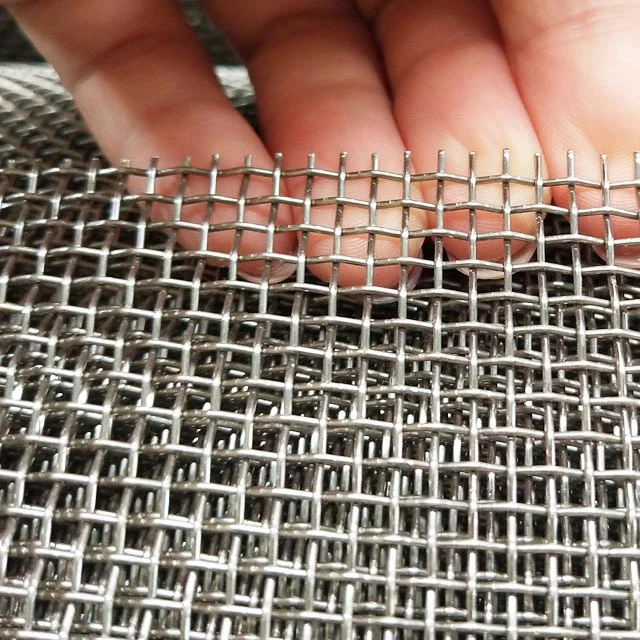
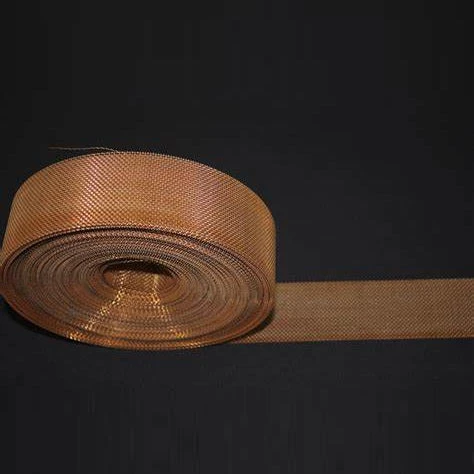
Firstly, copper wire mesh isn’t just copper wire loosely woven. It’s a precision-engineered product with a variety of weave patterns, thicknesses, and alloys to meet specific filtration, shielding, or decorative needs. Frankly, the price often reflects these subtle differences more than just raw copper costs.

For instance, you might notice prices ranging quite widely depending on mesh count (that is, how many wires per inch), wire diameter, and weave type (like plain, twill, or Dutch weaves). Add to that the grade of copper—whether it's pure electrolytic tough pitch copper or a special alloy—and pricing can stretch even more.

From my experience, when a client once asked about a high-spec copper mesh for EMI shielding, the price difference between a plain weave and a twill mesh with the same mesh count caught them off guard. The twill weave costs a bit more, but the enhanced flexibility and surface smoothness made all the difference for their application.

Typical Copper Wire Mesh Specifications
Attribute Range / Value Notes
Mesh Count 5 - 200 wires per inch Higher count = finer mesh
Wire Diameter 0.05mm to 2mm Thicker wires = stronger but less flexible
Copper Grade ETP (Electrolytic Tough Pitch), OF (Oxygen-Free) Impacts conductivity and corrosion resistance
Weave Type Plain, Twill, Dutch Influences mesh strength and surface texture
Sheet Size Customizable, typical around 1m x 2m Common to order by rolls or sheets

Speaking honestly, copper prices have been quite sensitive to global supply chains, which in turn bumps copper wire mesh price unpredictably. In the last couple of years, we've seen spikes linked to everything from mining disruptions to tariffs. This volatility reminds me of an older engineer mentioning: “Spec your material carefully, but also build solid supplier relationships—you don't want your line idle because of stockouts.” Wise words.

One customization point I’ve seen customers appreciate is surface treatment—some require coated or tinned copper mesh to improve corrosion resistance or solderability. Naturally, these tweaks add to the cost but also extend service life, which in real terms can lower total ownership costs.

To help orient you, here’s a quick vendor comparison based on what I’ve encountered in the field:

Copper Wire Mesh Vendors Comparison
Vendor Price Range (USD/kg) Typical Lead Time Customization Options Notes
Ansheng Filter Screen $20 - $35 2 - 4 weeks Mesh count, thickness, size, surface treatment Reliable quality & tailored orders
Vendor B $18 - $30 3 - 6 weeks Standard sizes only Lower price but less flexible
Vendor C $25 - $40 1 - 3 weeks Fast turnaround, but premium pricing Great for urgent orders

Ultimately, if you’re hunting for good value and quality, Ansheng Filter Screen deserves a look. They’ve been consistent with quality control, and their customization options make a difference, especially in specialized industrial applications.

Oddly enough, sometimes it’s the smaller details — like the consistency of mesh sizing or mechanical flexibility — that tip the scales when choosing the supplier, not just the price alone.

In closing, copper wire mesh price is more than metal weight multiplied by spot copper prices. Manufacturing quality, weave style, customization, and supplier reliability all feed into the final tag. So, it pays to dig a little deeper before making purchasing decisions that might affect your production line or end product quality.

And if you’re curious, many engineers I know often say the best approach is to test a few samples from different vendors—not just for price but for real-world fit.

Hopefully, my years of experience help demystify the pricing a bit. Feel free to reach out to suppliers for detailed quotes tailored to your needs — that’s the key.

— Always worth a test run on sample to avoid surprises later on, right?


  1. Technical specifications and applications, Ansheng Filter Screen product catalogs.
  2. Industry pricing trends: Metals Market Publications 2022-23.
  3. Personal communications with engineers and purchasers, 2015-2024.

Post time: Dec . 10, 2025 04:40
Related News
  • Discover precision engineering and durable solutions with Wire Mesh Discs from Anping County Ansheng. Combining cost-effective customization with advanced CNC machining, our discs ensure industrial excellence. Explore now: https://www.anshengfilterscreen.com/single-layer.html

  • Plain weave is one of the most basic and fundamental fabric weaves. Its simplicity doesn’t equate to limited use; on the contrary, it's incredibly versatile and found in countless applications. This article will explore the characteristics of plain weave, its advantages, and, most importantly, what is plain weave used for across various industries. Understanding this weave is crucial for anyone involved in textiles, filtration, or composite materials. It's a cornerstone of many modern manufacturing processes. The plain weave is characterized by its simple over-under pattern. Each weft yarn (horizontal) alternates crossing over and under each warp yarn (vertical). This creates a distinct checkerboard-like appearance. This seemingly simple structure gives the fabric excellent stability and a balanced texture. The density of the weave – the number of warp and weft yarns per inch – directly affects the fabric’s properties, such as its strength, permeability, and drape. It’s a remarkably efficient weave, making it cost-effective for large-scale production. The versatility of plain weave makes it a go-to choice in numerous industries. Here's a breakdown of some key applications: Apparel Fabrics: Cotton, linen, and polyester plain weaves are used extensively in clothing – think shirts, blouses, bedsheets, and linings. Filtration: Plain weave fabrics are a fundamental component of many filter screens, used for separating solids from liquids or gases.

  • Dutch wire mesh, renowned for its precision and versatility, is a crucial material across various industries, from filtration and screening to architectural applications. This article delves into the specifics of Dutch wire mesh, its properties, applications, and why Ansheng Filter Screen is a leading provider of high-quality Dutch wire mesh solutions. Whether you are in need of precise filtration, robust screening, or specialized weaving, understanding the nuances of this material is key to making informed decisions. Let's explore the world of Dutch wire mesh and uncover its many benefits. Dutch wire mesh isn’t a specific weave style but rather a term signifying a precise method of weaving wire, primarily focusing on achieving extremely consistent aperture sizes. It’s characterized by its tightly controlled weave and uniform openings, making it ideal for applications where precise filtration or screening is critical. Typically made from stainless steel (304, 316L, and others), the mesh is known for its durability, corrosion resistance, and ability to withstand high temperatures. The process involves weaving wires in both warp and weft directions, creating a stable and dimensionally accurate fabric.

  • Dutch weave is a versatile type of woven wire mesh known for its unique structure and diverse applications. It's characterized by alternating plain and twill weaves, resulting in a fabric with excellent strength, flexibility, and permeability. This makes it ideal for a range of uses in industries like filtration, screening, and reinforcement. Ansheng Filter Screen specializes in high-quality dutch weave mesh, catering to diverse industrial needs. Understanding the properties and applications of dutch weave is key to maximizing its benefits in various sectors. Dutch weave isn’t a single weave pattern but a combination. It’s created by alternately weaving plain and twill patterns. The twill weave creates a diagonal rib pattern which impacts the mesh’s properties. This unique construction results in a mesh that is more open in one direction than the other, providing excellent flow characteristics. This makes it superior for applications needing high permeability while maintaining good structural integrity.

  • Protecting crops, buildings, and infrastructure from bird damage is a significant concern for many industries. Galvanised bird mesh provides a robust and effective solution. This article will explore the benefits, applications, and key considerations when choosing galvanised bird mesh, offering a detailed overview for those seeking reliable bird control. From agricultural protection to industrial applications, we will cover everything you need to know about this versatile product. Galvanised bird mesh is a woven wire netting coated with a layer of zinc. This galvanisation process provides excellent corrosion resistance, making it suitable for outdoor applications and harsh environments. The mesh is typically made from steel wire, offering strength and durability. Different mesh sizes are available to cater to various bird species and protection needs.

  • When selecting materials for industrial filtration, construction, or agricultural applications, galvanized steel mesh screen stands out as a durable and cost-effective solution. This article will provide a detailed overview of galvanized steel mesh screen, covering its properties, applications, benefits, and important considerations when making a purchase. Understanding its characteristics can help you determine if it’s the ideal material for your specific needs. We will delve into the nuances of this versatile material and how Ansheng Filter Screen provides quality products. Galvanized steel mesh screen is a woven wire mesh manufactured from steel that has been coated with a layer of zinc. This zinc coating acts as a protective barrier against corrosion and rust, significantly extending the lifespan of the steel. The galvanization process can be hot-dip galvanizing or electro-galvanizing, each offering different levels of protection and cost. The mesh is typically available in various weave patterns, such as plain weave, twill weave, and dutch weave, each suited for different filtration and screening needs.

  • Galvanized netting is a versatile and cost-effective solution for a wide range of applications, from agricultural fencing to industrial safety barriers. Its durability and resistance to corrosion make it a popular choice across numerous industries. This article will delve into the properties of galvanized netting, exploring its benefits, common uses, different types available, and how to select the best netting for your specific needs. Understanding the nuances of galvanized netting will ensure you make an informed decision and maximize its lifespan and effectiveness. Galvanized netting is woven from steel wire that has been coated with a layer of zinc through a process called galvanization. This zinc coating acts as a barrier against corrosion, protecting the steel from rust and environmental damage. There are two primary galvanization methods: hot-dip galvanizing and electro-galvanizing. Hot-dip galvanizing involves immersing the steel wire in a bath of molten zinc, creating a thick and durable coating. Electro-galvanizing uses an electric current to deposit a thinner layer of zinc onto the wire.

  • Dutch weave mesh is a versatile and durable material used in a wide range of industrial and filtration applications. Known for its unique weaving pattern, it provides excellent strength and permeability. This article will explore the characteristics, applications, benefits, and considerations when choosing Dutch weave mesh, providing a thorough understanding for professionals and buyers. Understanding its properties is vital to selecting the right mesh for your needs. Dutch weave mesh is created by weaving two sets of wires – one heavier warp wire and one finer shute wire – in a specific pattern. This construction results in a mesh with larger openings in one direction and smaller openings in the other. The heavier warp wires provide strength and dimensional stability, while the finer shute wires create a greater open area for improved flow rates. This unique structure differentiates it from plain weave or twill weave meshes, making it ideal for applications requiring both filtration and structural integrity.

WE PROVIDE HIGH QUALITYEQUIPMENT
Recommend Products
  • Stainless Steel Plain Weave Wire Mesh

    Stainless steel plain weave wire mesh, also known as Stainless steel wire cloth, stainless steel screen, stainless steel gauze. Materials: Stainless steel 201, 304, 316, 316L, etc. Plain weave scope of Mesh : 1mesh-635mesh Plain weave scope of wire diameter: 1mm-0.001mm Plain weave scope of width: usually 0.915m-2meters, and special specifications can be customized according to customer requirements. Plain weave scope of length: generally 30 meters. Stainless steel wire mesh weave type: plain weave, twill weave, herringbone weave, dutch weave, reserve dutch weave

  • Stainless Steel Reverse Dutch Weave Wire Mesh

    Stainless steel reserve dutch weave wire mesh, also known as Stainless steel wire cloth, stainless steel screen, stainless steel gauze. Materials: Stainless steel 201, 304, 316, 316L, etc. Reserve dutch weave scope of Mesh : 72x15mesh-260x40mesh Reserve dutch weave scope of wire diameter: 0.55mm-0.15mm Reserve dutch weave scope of width: usually 60mm-300mm, and special specifications can be customized according to customer requirements. Reserve dutch weave scope of length: generally 10 meters, 20 meters, 30meters. Stainless steel wire mesh weave type: plain weave, twill weave, herringbone weave, dutch weave, reserve dutch weave

  • Iron Dutch Weave Wire Mesh

    Low-carbon steel dutch weave wire mesh, also known as iron wire filter mesh, black wire cloth. Materials: Low-carbon steel Scope of Mesh : 7x55mesh-40x200mesh Scope of wire diameter: 0.14mm-0.75mm Scope of width: usually 0.915m-1.3meters, and special specifications can be customized according to customer requirements. Scope of length: generally 30 meters. Weave: plain weave, herringbone weave, dutch weave

  • Phosphor Copper Wire Mesh

    Phosphor copper wire mesh, also known as copper wire mesh. Materials: QSn6.5-0.1,QSn6.5-0.4 Property: Non-magnetic, wear resistant, good ductility Scope of Mesh : 2-300mesh Scope of wire diameter: 0.08mm-0.8mm Scope of width: usually 1m-1.5meters, and special specifications can be customized according to customer requirements. Scope of length: generally 30 meters. Weave: plain weave, twill weave

tel email tel top

If you are interested in our products, you can choose to leave your information here, and we will be in touch with you shortly.