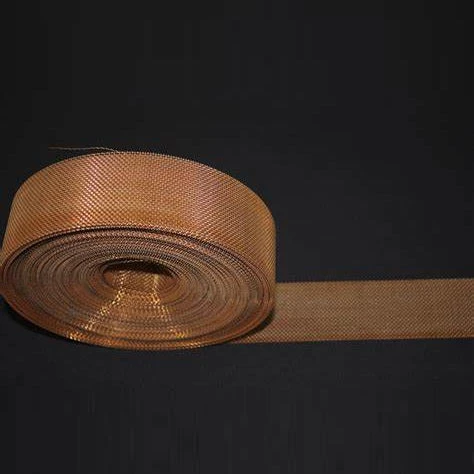

Introduction to Nickel Wire Mesh Solutions
In the demanding landscape of modern industrial applications, the selection of materials is paramount to operational efficiency, longevity, and safety. Among the advanced material solutions, nickel wire mesh stands out for its exceptional properties and versatility. Primarily composed of high-purity nickel, such as Nickel 200 (UNS N02200) or Nickel 201 (UNS N02201), this material offers a unique combination of corrosion resistance, high-temperature stability, and excellent electrical and thermal conductivity. These attributes make it indispensable across a spectrum of critical industries, including petrochemical, chemical processing, aerospace, and advanced filtration systems. Its superior performance under harsh conditions often positions it as the material of choice where conventional metals fall short, providing extended service life and reduced maintenance costs.
Our focus delves into the technical aspects, manufacturing precision, and diverse applications of this highly specialized material, providing B2B decision-makers and engineers with comprehensive insights for informed material selection and optimized operational performance. The inherent purity of the nickel alloy ensures consistent mechanical properties and chemical inertness, which are crucial for sensitive processes.
Industry Trends and Market Dynamics for Nickel Wire Mesh
The market for nickel wire mesh is experiencing significant growth, driven by expanding applications in high-tech sectors and increasing demand for materials that can withstand aggressive environments. Key trends shaping this market include:
- Growth in Green Technologies: With a global push towards sustainability, pure nickel wire mesh is increasingly utilized in hydrogen production (electrolyzers), fuel cells, and battery technologies due to its excellent catalytic properties and corrosion resistance in alkaline electrolytes. The demand for nickel in these applications is projected to rise significantly over the next decade.
- Advanced Filtration and Separation: Stricter environmental regulations and the need for higher purity in chemical and pharmaceutical manufacturing are fueling demand for fine-mesh nickel filters. Its ability to resist chemical attack ensures filter integrity and prevents contamination.
- Aerospace and Defense Sector Expansion: Nickel alloys are critical for high-temperature components in aircraft engines and exhaust systems. The lightweight yet robust nature of nickel wire mesh makes it suitable for EMI/RFI shielding, heat exchangers, and structural reinforcement in these demanding applications.
- Customization and Specialty Products: The market is moving towards highly customized solutions, with manufacturers offering specific mesh counts, wire diameters, and weave patterns tailored to unique client specifications. This trend is supported by advanced manufacturing techniques and a deeper understanding of material science.
Market analysts predict a steady compound annual growth rate (CAGR) for the global nickel market, with specialized products like wire mesh benefiting from innovation in end-user industries. This robust market outlook underscores the critical role of high-performance materials in industrial advancement.
Manufacturing Process of Nickel Wire Mesh
The production of high-quality nickel wire mesh involves a meticulously controlled, multi-stage process designed to preserve the inherent properties of nickel while achieving precise mesh specifications. The primary material used is high-purity nickel (typically Ni 200 or Ni 201), chosen for its superior corrosion resistance and ductility.
Process Flow:
- Material Sourcing & Preparation: High-grade nickel ingots (typically >99.5% pure nickel) are sourced. These ingots undergo initial melting and casting to form billets suitable for subsequent processing.
- Hot Rolling & Rod Drawing: The billets are hot rolled into larger diameter rods. These rods are then subjected to a series of cold drawing operations, progressively reducing their diameter to the desired wire gauge. This process enhances the material's tensile strength and surface finish.
- Annealing: To restore ductility and relieve internal stresses induced during cold drawing, the nickel wire undergoes controlled annealing in a protective atmosphere. This thermal treatment is crucial for preventing brittleness and ensuring the wire can be woven without fracturing.
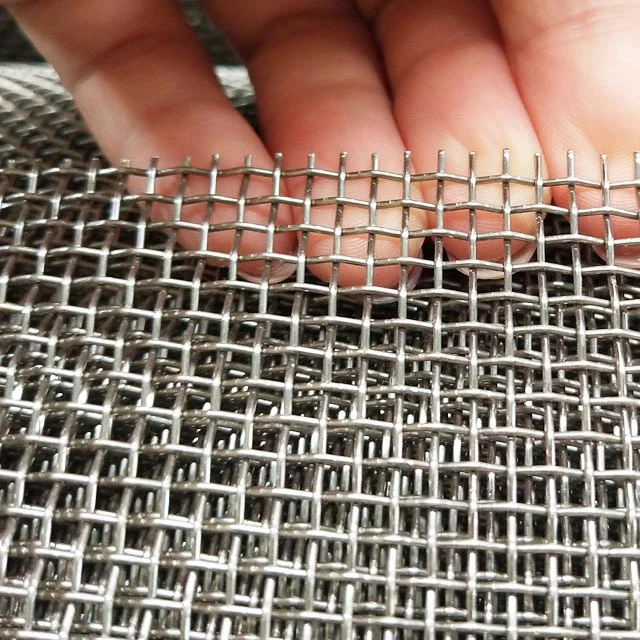
- Weaving: The annealed nickel wire is then fed into specialized weaving looms. For Plain Weave, warp and weft wires cross over and under each other alternately, creating a stable and uniform mesh with square apertures. Other weave types, such as twilled or dutch weave, can also be produced for specific filtration characteristics.
- Cleaning & Finishing: After weaving, the mesh undergoes thorough cleaning processes to remove any lubricants, oxides, or contaminants, ensuring a pristine surface. This can include ultrasonic cleaning, degreasing, and acid passivation.
- Quality Control & Testing: Each batch of nickel wire mesh is subjected to rigorous quality control, including visual inspection, dimensional checks (mesh count, wire diameter, aperture size), and mechanical property testing (tensile strength). Adherence to international standards such as ISO 9001 and ASTM E2016 for woven wire mesh is strictly maintained.
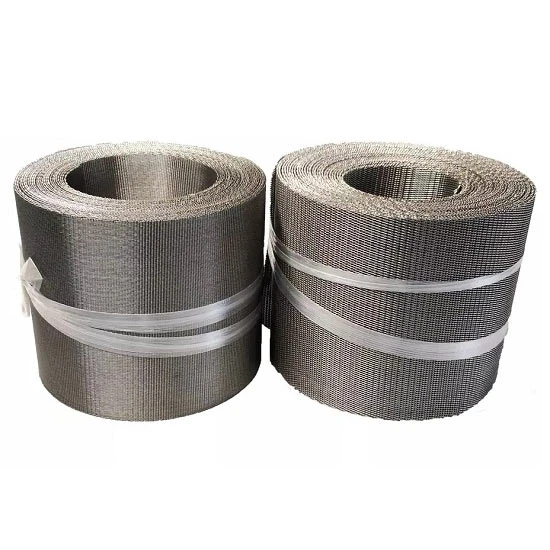
- Packaging & Dispatch: Finished mesh rolls are carefully packaged to prevent damage during transit, ensuring they arrive in optimal condition.
This meticulous process ensures that the final pure nickel wire mesh product exhibits unparalleled uniformity, durability, and performance, crucial for its demanding industrial applications. The resulting product demonstrates exceptional corrosion resistance in various media, including strong alkalis, acids, and organic compounds, making it ideal for the petrochemical, metallurgy, and water supply & drainage industries. Its inherent energy-saving properties in applications like heat exchange are also notable due to nickel's thermal conductivity.
Technical Specifications and Parameters
Understanding the precise technical specifications is crucial for selecting the appropriate nickel wire mesh for specific applications. The physical and chemical properties of Nickel 200/201 are particularly favorable for challenging industrial environments.
Typical Specifications for Nickel Plain Weave Wire Mesh:
These parameters ensure the material's integrity and performance in demanding environments, offering precise filtration, excellent electrical shielding, and structural stability. The fine control over mesh count and wire diameter allows for tailored solutions for extremely specific industrial requirements.
Key Technical Advantages of Nickel Wire Mesh
The distinctive properties of nickel provide several critical advantages for industrial applications, making pure nickel wire mesh an invaluable material:
- Exceptional Corrosion Resistance: Nickel exhibits outstanding resistance to various corrosive media, particularly strong alkalis (e.g., sodium hydroxide, potassium hydroxide) and reducing acids. This makes it ideal for chemical processing, chlor-alkali production, and wastewater treatment where chemical inertness is paramount.
- High-Temperature Stability: While pure nickel has a melting point of 1455°C, it retains significant strength and integrity at elevated operating temperatures, far beyond many other common metals. This allows its use in furnaces, heat treatment equipment, and high-temperature catalytic converters.
- Excellent Electrical & Thermal Conductivity: Nickel is a good conductor of both electricity and heat. This property is crucial for applications requiring efficient heat transfer, such as heat exchangers, and for electrical components like battery electrodes, current collectors, and EMI/RFI shielding.
- Good Ductility and Formability: Despite its strength, nickel wire can be drawn into very fine diameters and woven into intricate mesh patterns without cracking, offering design flexibility and enabling the creation of custom solutions.
- Biocompatibility: Certain grades of nickel (though less common for pure wire mesh, important for nickel alloys) can exhibit biocompatibility, opening avenues in medical device applications.
- Catalytic Properties: Nickel is known for its catalytic activity, particularly in hydrogenation and dehydrogenation reactions. This makes nickel wire mesh a valuable component in catalyst supports and reaction vessels.
These advantages collectively contribute to a longer service life, reduced downtime, and enhanced operational safety in critical industrial processes, leading to significant cost savings and improved overall system performance.
Application Scenarios and Case Studies
The unique blend of properties offered by nickel wire mesh makes it indispensable across a diverse array of demanding industrial applications. Its reliability in aggressive environments ensures consistent performance and longevity.
Typical Application Scenarios:
- Chemical and Petrochemical Industry: Used in filter elements for corrosive liquids and gases, catalyst supports, demisters, and heat exchangers. Its resistance to caustic solutions, sulfuric acid, and hydrochloric acid is particularly beneficial.
- Electronics and Battery Technology: Employed as electrodes in alkaline batteries (Ni-Cd, Ni-MH), current collectors in various electrochemical cells, and for EMI/RFI shielding in sensitive electronic equipment due to its excellent conductivity and shielding effectiveness.
- Water Treatment and Filtration: In desalination plants, industrial wastewater treatment, and ultra-pure water systems, it functions as a robust filter medium resistant to various water chemistries and biofouling.
- Aerospace and Defense: Used in high-temperature filtration for hydraulic and fuel systems, acoustic liners, and as a lightweight, corrosion-resistant material for various components.
- Power Generation: Utilized in heat exchangers within nuclear power plants and steam generation systems due to its high-temperature strength and corrosion resistance.
Application Case Studies:
Case Study 1: Caustic Evaporation Unit Filtration
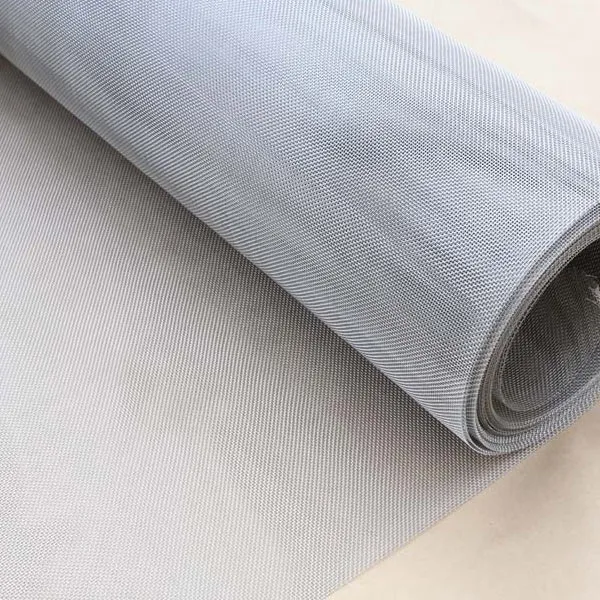
A major chemical producer faced recurring issues with stainless steel filters in their caustic soda evaporation unit, where hot, concentrated sodium hydroxide caused rapid corrosion and filter failure. Upon implementing a custom pure nickel wire mesh filter system (Nickel 200, 80 mesh), the client reported a five-fold increase in filter service life, drastically reducing maintenance downtime and associated costs. The superior corrosion resistance of nickel in high-pH, high-temperature environments proved critical for this success.
Case Study 2: Hydrogen Production Electrolyzer Electrodes
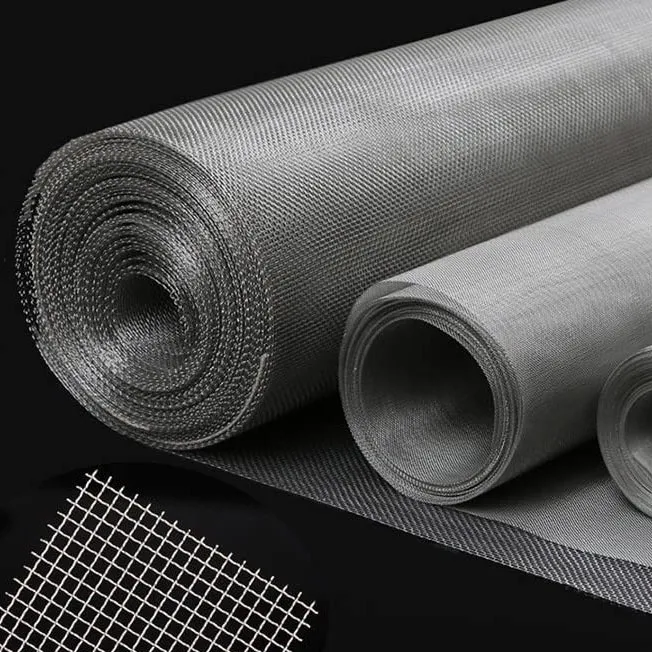
In a pilot project for green hydrogen production, a research institution required durable, highly conductive, and corrosion-resistant electrode material for their alkaline water electrolyzers. Standard materials showed degradation under continuous operation. By integrating fine-gauge nickel wire mesh (Nickel 201, 150 mesh) as the primary electrode material, the project achieved stable current density, improved electrochemical efficiency, and demonstrated minimal material degradation over extended testing periods, confirming nickel’s suitability for future energy applications.
Customized Solutions for Specific Needs
Recognizing that off-the-shelf solutions rarely meet the precise demands of every industrial process, we specialize in providing highly customized nickel wire mesh solutions. Our engineering team collaborates closely with clients to understand their unique operational parameters, material requirements, and performance objectives.
Customization options include:
- Specific Mesh Counts & Wire Diameters: Tailoring the mesh count (e.g., from 2 mesh to 400 mesh) and wire diameter to achieve precise filtration levels or specific mechanical strength.
- Varying Weave Patterns: Beyond standard plain weave, we offer twilled weave for heavier wires and finer filtration, and Dutch weaves for superior strength and fine particle retention.
- Custom Dimensions: Producing rolls or cut pieces in non-standard widths and lengths to minimize waste and optimize fit for existing equipment.
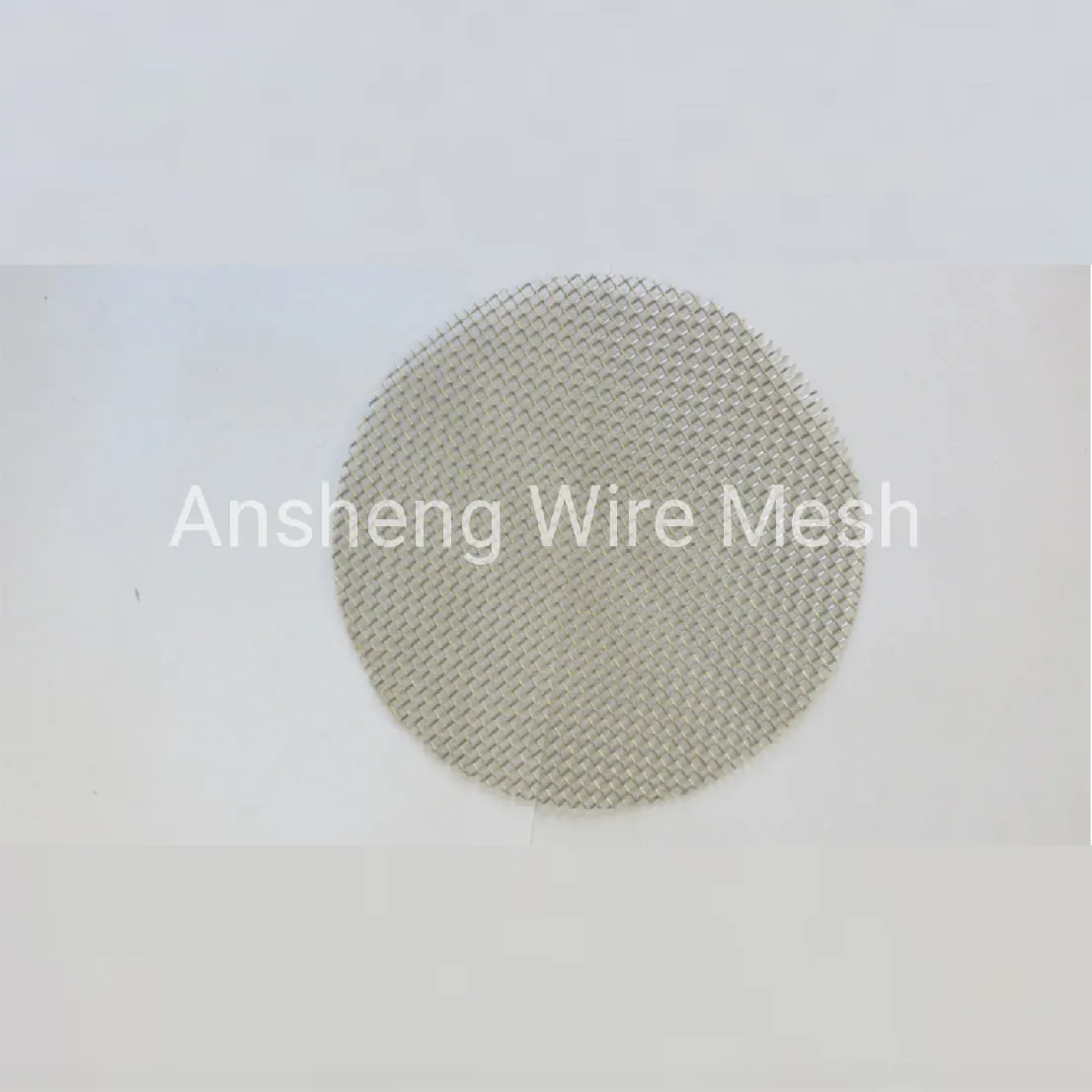
- Fabrication & Finishing: Providing fabricated components such as discs, cylinders, baskets, and pleated elements, along with specialized edge treatments (e.g., welded, crimped) for enhanced durability and integration.
- Material Grade Selection: Recommending Nickel 200 for general corrosion resistance or Nickel 201 for applications requiring lower carbon content and greater ductility, especially above 315°C (600°F).
Our deep understanding of material science and manufacturing capabilities ensures that even the most complex requirements for nickel wire mesh can be met with precision and confidence, delivering optimal performance for your specific needs.
Vendor Comparison: Factors for Choosing a Supplier
Selecting the right vendor for nickel wire mesh is as critical as selecting the material itself. A reliable supplier ensures product quality, adherence to specifications, and consistent delivery. Here’s a comparison of key factors to consider:
Choosing a vendor with a proven track record in manufacturing specialized materials like pure nickel wire mesh, backed by comprehensive technical support and rigorous quality assurance, ensures long-term value and operational confidence.
Ensuring Trust: Certifications, Warranty & Support
For B2B procurement of critical components like nickel wire mesh, trust is built on verifiable quality, clear commitments, and robust support infrastructure. We uphold the highest standards to ensure our clients receive not just products, but reliable solutions.
Authoritativeness through Certifications:
- ISO 9001 Certified: Our manufacturing processes adhere to the stringent requirements of ISO 9001, guaranteeing a consistent quality management system from raw material acquisition to final product delivery.
- Material Standards: All nickel materials conform to international standards such as ASTM B162 for Nickel 200/201 and ASTM E2016 for woven wire mesh specifications.
- Third-Party Testing: Upon request, we facilitate third-party material verification and performance testing to meet specific project requirements or regulatory compliance.
- Decades of Experience: With X years (e.g., "over 20 years") of specialized experience in filtration and mesh solutions, we have built a reputation for reliability and technical expertise with leading clients in petrochemical, pharmaceutical, and energy sectors.
Warranty Commitments:
We provide a comprehensive manufacturer's warranty against defects in material and workmanship for all our nickel wire mesh products. This warranty ensures that products meet specified technical parameters and are free from manufacturing flaws. Details of specific warranty periods and conditions are provided with each order, offering peace of mind.
Lead Time and Fulfillment:
Our streamlined production processes and efficient supply chain management allow us to offer competitive lead times. Standard products are typically dispatched within 2-4 weeks. Custom orders may require 4-8 weeks, depending on complexity and material availability. We prioritize clear communication regarding lead times and provide real-time updates on order status to ensure timely project completion. Expedited services are available for urgent requirements.
Customer Support Information:
Our dedicated customer support team is available to assist with technical inquiries, order placement, and after-sales service. We offer:
- Technical Consultation: Expert advice on material selection, mesh specifications, and application optimization.
- Responsive Service: Prompt responses to all inquiries via phone, email, or dedicated client portals.
- After-Sales Assistance: Support for product installation, maintenance guidance, and efficient handling of any warranty claims.
Frequently Asked Questions (FAQ)
Q1: What are the primary differences between Nickel 200 and Nickel 201 wire mesh?
A1: Nickel 200 has a slightly higher carbon content (max 0.15%) compared to Nickel 201 (max 0.02%). This lower carbon content in Nickel 201 makes it more resistant to graphitization and embrittlement at temperatures above 315°C (600°F). For most room temperature or lower-temperature corrosive applications, Nickel 200 is suitable. For high-temperature applications or where maximum ductility and resistance to intergranular corrosion are critical, Nickel 201 is preferred.
Q2: Can nickel wire mesh be used in highly acidic environments?
A2: Pure nickel wire mesh offers excellent resistance to reducing acids, such as hydrochloric acid and sulfuric acid, especially at lower concentrations and temperatures. However, its resistance to oxidizing acids (e.g., nitric acid) is generally poor. For highly oxidizing or very strong acidic environments, other nickel-based alloys like Hastelloy or Monel might be more suitable. It's crucial to consider specific acid concentration, temperature, and aeration levels when selecting the material.
Q3: How do I specify the correct mesh count and wire diameter for my application?
A3: The correct specification depends on your application's primary function. For filtration, mesh count and aperture size dictate the particle retention capability. For strength or support, wire diameter and open area are more critical. Our technical team can provide guidance based on desired filtration efficiency, flow rate, mechanical load, and environmental conditions. Providing details on the media being filtered, operating pressure, temperature, and the required particle cut-off size will help us recommend the optimal nickel wire mesh configuration.
Q4: Is pure nickel wire mesh suitable for electrical shielding applications?
A4: Yes, pure nickel wire mesh is an excellent material for EMI (Electromagnetic Interference) and RFI (Radio Frequency Interference) shielding. Its high electrical conductivity allows it to effectively attenuate electromagnetic waves, protecting sensitive electronic components from external interference and preventing emissions from equipment. It is widely used in aerospace, defense, and electronics industries for this purpose.
Conclusion
Nickel wire mesh represents a pinnacle of material science and precision engineering, offering unparalleled performance in environments where corrosion, high temperatures, and electromagnetic interference are critical concerns. Its unique combination of chemical inertness, thermal and electrical conductivity, and mechanical strength makes it an essential component across a broad spectrum of advanced industrial applications. By understanding the intricate manufacturing processes, adhering to stringent technical specifications, and leveraging robust quality assurance protocols, manufacturers can deliver specialized solutions that drive operational efficiency and extend service life. For B2B decision-makers and engineers, selecting the right pure nickel wire mesh supplier who demonstrates deep expertise, offers comprehensive customization, and commits to unwavering support is paramount to securing reliable and high-performance material solutions.
References
- ASTM International. ASTM B162, Standard Specification for Nickel Plate, Sheet, and Strip.
- ASTM International. ASTM E2016, Standard Guide for Industrial Woven Wire Cloth.
- ISO (International Organization for Standardization). ISO 9001, Quality Management Systems – Requirements.
- Special Metals Corporation. "Nickel 200 & 201." Product Data Sheet.
Post time: Sep . 19, 2025 21:55