
Understanding Pure Copper Mesh: Its Global Significance and Benefits
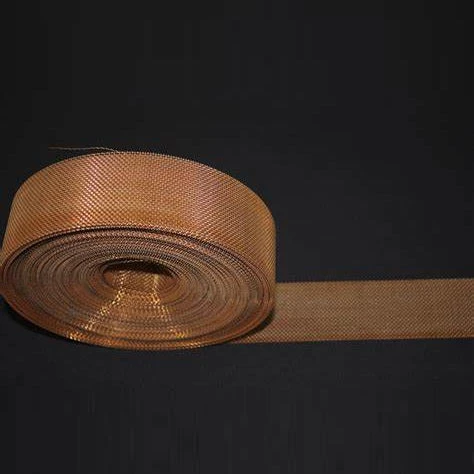
Pure copper mesh might sound niche, but its role stretches far beyond what meets the eye. At its core, it’s a finely woven network of pure copper mesh wires—engineered for conductivity, corrosion resistance, and flexibility. Globally, industries from electronics to healthcare rely on this material for solutions that demand purity and precision. Understanding pure copper mesh is crucial not only for manufacturers but also for engineers, designers, and sustainability advocates who seek durable, eco-friendly materials. When you grasp why this mesh matters, you unlock opportunities for enhanced product reliability, cost-efficiency, and technological innovation.
Introduction: The Global Context of Pure Copper Mesh
We live in an interconnected world where materials determine technological progress. According to the International Copper Association, copper demand has steadily risen, hovering around 25 million metric tons globally in recent years — a testament to copper’s indispensability. Pure copper mesh, specifically, addresses challenges like electromagnetic interference (EMI) shielding, efficient filtration, and even medical device components. For instance, in electronics manufacturing hubs in Asia and Europe, demand for high-purity copper mesh keeps growing as devices require more precise shielding. Meanwhile, regions affected by air pollution are adopting copper mesh filters to improve air and water quality.
Yet, challenges persist. Producing consistently high-quality copper mesh at scale without compromising purity or environmental standards remains tricky. That’s where understanding the core features and application potential of pure copper mesh becomes valuable.
Defining Pure Copper Mesh: What Is It Exactly?
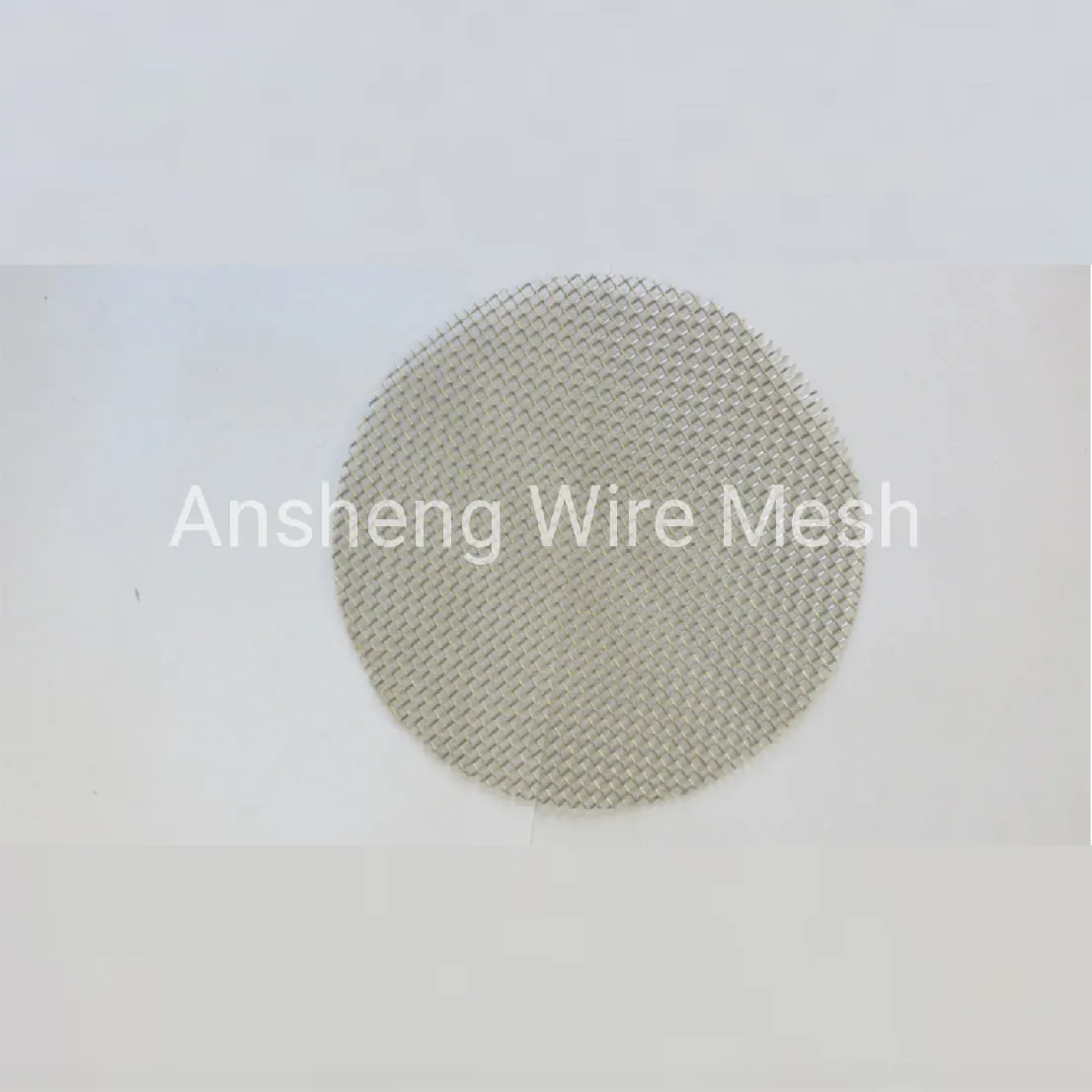
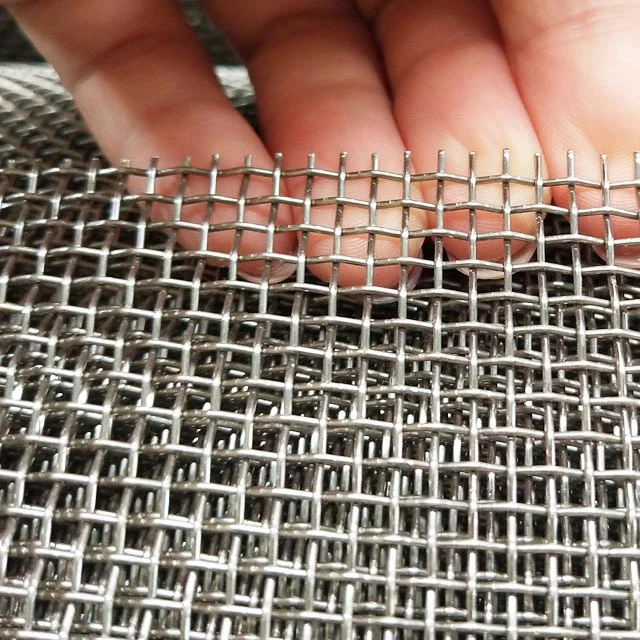
Put simply, pure copper mesh is a lattice made by weaving or knitting ultra-fine copper wires, typically above 99.9% purity. The “mesh” part refers to how these wires create a grid or screen with specific apertures, controlling what can pass through physically or electrically. Its purity ensures outstanding electrical and thermal conductivity, plus corrosion resistance—traits not matched by alloys or copper composites.
In practical terms, this means pure copper mesh acts as:
- An effective EMI shield in electronics
- A reliable filtration medium in chemical or pharmaceutical industries
- A sturdy yet flexible structural component in architectural and industrial applications
It links traditional metallurgy with modern demands for precision and sustainability, addressing both humanitarian needs (like clean water, medical safety) and high-tech manufacturing.
Key Factors Influencing Pure Copper Mesh Performance
1. Purity Level
The copper content typically exceeds 99.9%. Even trace impurities can impact conductivity and corrosion resistance—so precise refining and quality checks are standard practice.
2. Mesh Size and Wire Diameter
Mesh size (number of openings per inch) and wire thickness influence filtration capacity and mechanical strength. Smaller apertures mean finer filtration but may reduce airflow or fluid dynamics.
3. Flexibility and Formability
Pure copper mesh can often be shaped or cut without losing functionality. This is critical for fitting specialized industrial equipment or customized medical devices.
4. Corrosion Resistance
Copper oxidizes over time, but purity and protective coatings enhance lifespan, especially in harsh environments (e.g., marine or chemical plants).
5. Thermal and Electrical Conductivity
This mesh excels in dissipating heat and carrying currents—making it invaluable in electronics and energy applications.
| Specification | Typical Range | Notes |
|---|---|---|
| Purity (%) | >99.9 | Highest electrical conductivity |
| Mesh Count (openings/inch) | 10 – 200 | Varies by application (filtration vs shielding) |
| Wire Diameter (mm) | 0.02 – 1.0 | Thinner wires for flexibility |
| Tensile Strength (MPa) | 210 – 250 | Supports structural applications |
| Thermal Conductivity (W/mK) | 395 | Among highest of all metals |
Mini takeaway: The purity and physical characteristics of copper mesh directly influence its practical reliability across sectors.
Global Applications and Use Cases of Pure Copper Mesh
Across continents, industries harness pure copper mesh for a multitude of purposes:
- Electronics Manufacturing: In East Asia’s tech hubs, pure copper mesh acts as EMI/RFI shields, protecting sensitive microchips and components from external interference.
- Environmental Filtration: European water treatment plants utilize copper mesh filters to remove particulate matter and inhibit bacterial growth, leveraging copper's antimicrobial properties.
- Healthcare and Medical Devices: Hospitals deploy copper mesh in wound dressings and surgical screens due to its biostatic and hypoallergenic qualities.
- Architectural Applications: Copper mesh panels in the Middle East and North Africa both ventilate structures and provide durable, corrosion-resistant decorative surfaces.
- Disaster Relief and Humanitarian Aid: In flood-affected regions, copper mesh filters enable rapid water purification, enhancing resilience and safety.
Oddly enough, despite its high-tech reputation, pure copper mesh is very much a "people’s material," bridging high industry with everyday quality of life improvements in emerging economies as well.
Mini takeaway: From tech to humanitarian sectors, copper mesh serves as a versatile material meeting global needs.
Advantages and Long-Term Value of Pure Copper Mesh
- Cost Efficiency: Despite higher upfront costs than alloys, the longevity and minimal maintenance of pure copper mesh reduce lifecycle expenses.
- Sustainability: Copper is 100% recyclable without loss of purity, supporting circular economy goals and reducing resource depletion.
- Reliability: Proven stability in harsh environments minimizes replacements and downtime.
- Social Impact: Enhancing water quality and medical safety delivers dignity and improved health outcomes.
- Innovation Potential: Emerging smart materials integrate copper mesh for sensors and flexible electronics.
Frankly, it’s the mix of proven physical properties and forward-looking adaptability that makes pure copper mesh a material worth investing in.
Mini takeaway: Pure copper mesh balances upfront investment with durable, sustainable benefits for stakeholders.
Future Trends and Innovations in Pure Copper Mesh
Looking ahead, I see several exciting directions shaping the industry:
- Green Energy Integration: Copper mesh used in emerging battery tech and solar panels improves efficiency.
- Nano-Engineering: Advances enable ultra-fine mesh with precisely controlled pore sizes for biomedical applications.
- Digital Fabrication and Automation: Robotic weaving techniques boost consistency and scale production.
- Smart Materials: Coupling copper mesh with conductive polymers for flexible wearable electronics.
- Policy Push Towards Eco Standards: ISO and industry bodies increasingly mandate sustainably sourced and recyclable components—including copper products.
Mini takeaway: Today’s pure copper mesh is a foundation for tomorrow’s technologies and green initiatives alike.
Challenges and Innovative Solutions
That said, challenges linger. One is balancing cost with performance—high purity isn’t cheap, and demand spikes can strain supply chains. Quality inconsistencies can arise from outdated production methods, risking corrosion or conductivity loss.
Experts suggest solutions like:
- Advanced refining and production automation to tighten quality control.
- Hybrid materials research combining copper mesh with protective nano-coatings.
- Supply chain diversification to mitigate raw material shortages.
Many manufacturers and researchers, including industry leaders, push these boundaries continually. For example, improved cross-linking technologies in wire weaving have reduced defect rates by nearly 15% (ISO 9001 reports).
Mini takeaway: While hurdles exist, innovation is steadily addressing pure copper mesh’s limitations.
FAQ: Frequently Asked Questions About Pure Copper Mesh
- What makes pure copper mesh better for EMI shielding than other materials?
- Pure copper offers superior electrical conductivity and malleability, enabling efficient electromagnetic interference (EMI) blocking with flexible designs that alloys or composites can’t easily match.
- How long can pure copper mesh last in industrial filtration setups?
- With proper maintenance, it can last over 10 years due to its corrosion resistance and mechanical strength, outperforming stainless steel in many chemical environments.
- Is pure copper mesh recyclable and environmentally friendly?
- Yes, copper recycling retains 100% of its conductivity and purity, making it one of the most sustainable metals. This lowers environmental impact compared to mined raw materials.
- Can pure copper mesh be customized for specific industrial needs?
- Absolutely. Mesh size, wire diameter, and weave type can be tailored for filtration, shielding, or structural purposes. Many suppliers offer bespoke solutions for specialized applications.
- How do international companies ensure consistent quality sourcing of pure copper mesh?
- They typically partner with certified manufacturers adhering to ISO standards and conduct batch testing to verify purity and mechanical properties prior to shipment.
Vendor Comparison: Leading Providers of Pure Copper Mesh
| Feature | Ansheng Filterscreen | Global Copper Inc. | PureMetal Solutions |
|---|---|---|---|
| Purity (%) | 99.95+ | 99.9 | >99.85 |
| Customization Options | Mesh size, wire gauge, coatings | Standard sizes only | Some customization |
| Lead Times | 2–4 weeks | 4–6 weeks | 3–5 weeks |
| Sustainability Certifications | ISO 14001, RoHS | ISO 9001 only | None specified |
| Price Range per sq. meter | $50–70 | $45–65 | $55–75 |
Mini takeaway: Choosing the right pure copper mesh vendor means balancing purity, customization, lead times, and certifications — all pivotal for industrial success.
Conclusion: Why Invest in Pure Copper Mesh Today?
Pure copper mesh combines tradition, science, and innovation to solve some of today’s most pressing industrial and humanitarian challenges. Its unparalleled purity delivers reliable conductivity and longevity, while its versatility empowers advances in healthcare, electronics, environmental protection, and beyond. Whether you’re an engineer designing next-gen devices or a facility manager improving water filtration, investing in high-quality pure copper mesh pays dividends over time — in cost savings, safety, and sustainable practice.
If you’re curious about how top-grade pure copper mesh can elevate your projects, I highly recommend visiting Ansheng Filterscreen. Their expertise and product quality set industry benchmarks worth exploring.
It feels like pure copper mesh quietly supports innovation across industries — often overlooked, yet always essential. That’s the kind of understated hero you appreciate when diving into technical fields.
- International Copper Association. "Copper Market Overview." (2023). copperalliance.org
- ISO Standards - ISO 9001 Quality Management Systems, ISO 14001 Environmental Management. iso.org
- World Bank Environmental Data. "Water Quality Management." (2022). data.worldbank.org
Post time: Dec . 03, 2025 16:52