
Durable Copper Mesh For Weep Holes – Protect & Optimize Your Industrial Drainage

Copper Mesh For Weep Holes is a key solution in the industry, specifically within building construction and industrial filtration fields. This article explores how https://www.anshengfilterscreen.com supports professionals with durable, high-performance products, and explains why this product is an ideal choice for businesses in these sectors.

Table of Contents

Copper Mesh For Weep Holes Overview

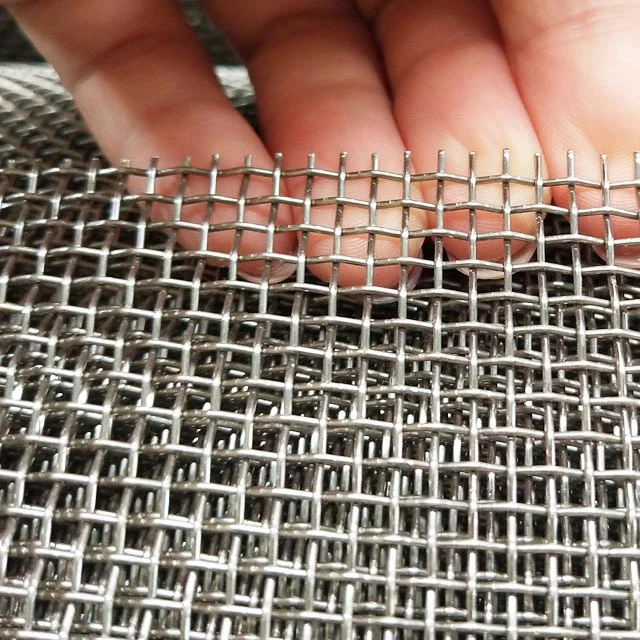
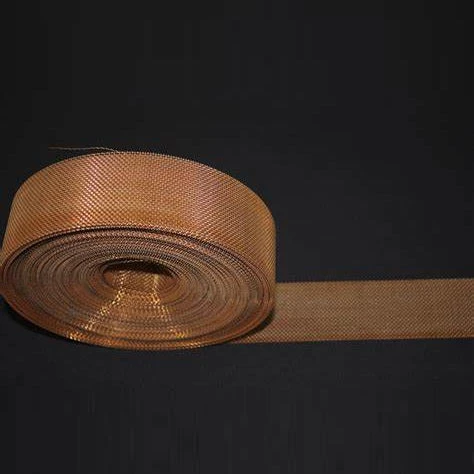
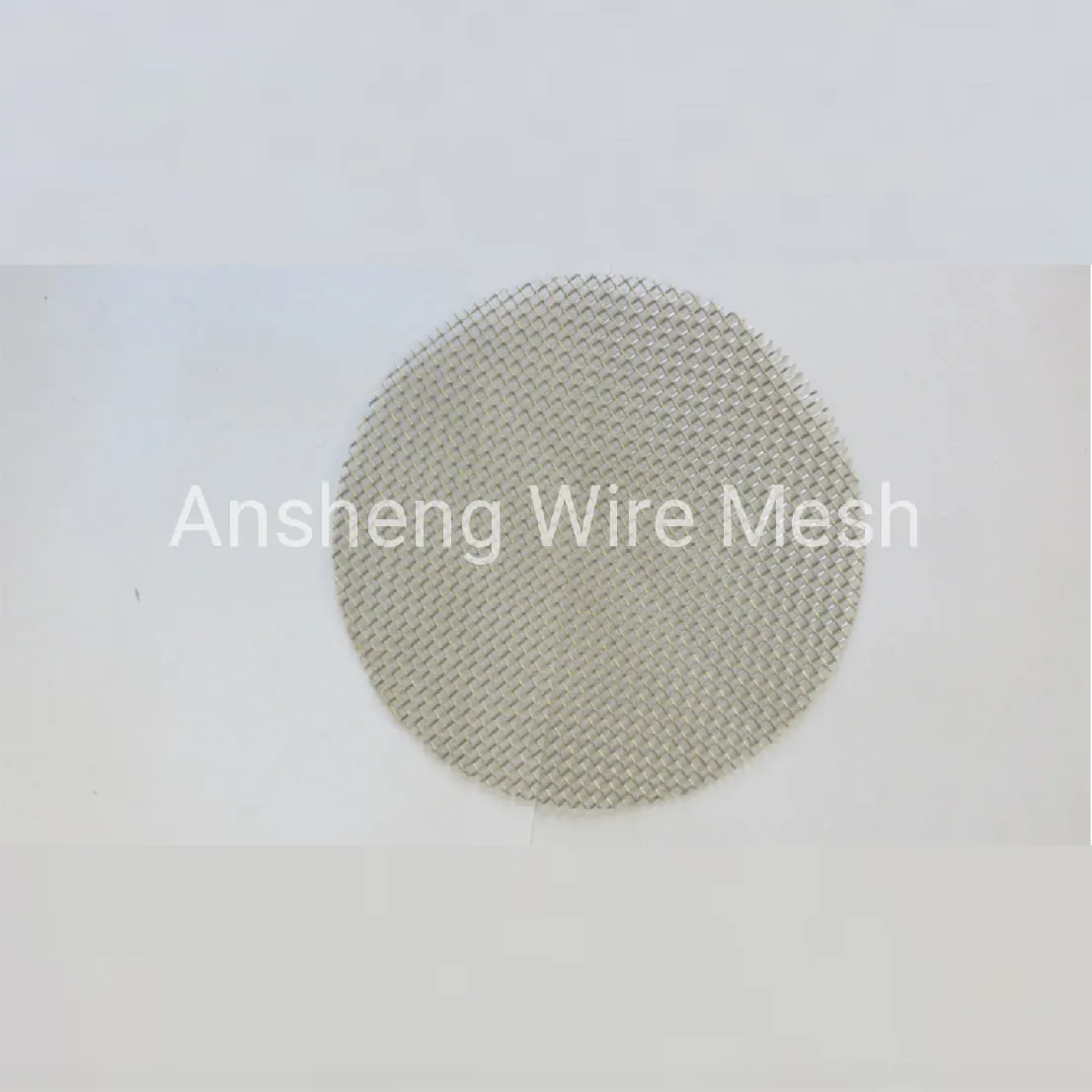
Copper mesh for weep holes is a specialized material designed to protect drainage openings – the so-called "weep holes" – in walls and masonry constructions. Oddly enough, these tiny protection barriers play a huge role in preventing moisture issues, mold growth, and insect intrusion. Copper’s inherent corrosion resistance and antimicrobial properties make it a smart choice over other materials that tend to rust or degrade over time.

Technically, the mesh is finely woven copper wire, usually with a mesh size that balances durability and permeability. At Ansheng Filter Screen, these meshes undergo rigorous quality control to ensure optimal thickness (generally around 0.15mm), aperture size, and tensile strength — ensuring they hold up under environment stresses, yet allow water drainage.

Typical Specifications of Copper Mesh For Weep Holes
Property Specification Unit
Material Purity >99.9% %
Wire Diameter 0.15 mm
Mesh Aperture 1.41 x 1.41 mm
Tensile Strength 240 MPa
Thickness 0.15–0.20 mm

Benefits & Use Cases of Copper Mesh For Weep Holes

If you’re wondering where copper mesh for weep holes really shines, the answer lies in its unique combination of protection and performance. For starters, weep holes in brick or concrete walls need a barrier that’ll let water escape but keep pests, debris, and even tiny insects out. Copper mesh fits this bill perfectly, offering resistance to corrosion — especially compared to galvanized steels that tend to rust.

Additionally, many engineers swear by copper mesh’s antimicrobial effect in buildings with moisture concerns, notably in humid climates. This mesh helps prevent mold and mildew buildup, indirectly improving indoor air quality, which can be a selling point for commercial properties. Oddly enough, its longevity actually reduces maintenance costs over time.

Copper Mesh vs Traditional Materials
Feature Copper Mesh Plastic Mesh Galvanized Steel Mesh
Corrosion Resistance Excellent Good Moderate
Longevity 20+ years 5–10 years 10–15 years
Maintenance Low Medium High (rust issues)
Pest Repellence Yes Limited No

Cost, Maintenance & User Experience

One might assume copper mesh prices put it out of reach for some projects — and indeed, upfront costs can be higher than alternatives like plastic mesh. But here’s where real-world experience proves valuable: copper mesh’s long lifespan and low maintenance mean the total cost of ownership often evens out, even saves money in the longer run. Several building managers I spoke with reported reduced repairs and pest-related callbacks after switching to copper mesh for their weep holes.

It’s also worth noting that the installation process is straightforward — many contractors appreciate how easy it is to cut and fit copper mesh precisely. Plus, the durability ensures it stands up to environmental wear without frequent replacements. User feedback across multiple sectors praises the product’s consistent quality and performance delivered by Ansheng Filter Screen, suggesting reliable supply and customer service too.

Sustainability & Market Trends

Increasingly, sustainable building practices push materials like copper mesh to the forefront. Copper is fully recyclable, and its extremely long service life means less replacement waste — something that appeals to green building certifications and corporate responsibility commitments. Regulations in many regions now require more robust pest control and moisture management, nudging decision-makers to superior materials.

The global market for copper mesh applications is quietly growing. More architects and builders recognize the value of durability combined with environmental responsibility. Oddly enough, sectors like restoration of historical buildings and eco-sensitive construction sites have started adopting copper mesh precisely for these reasons. It’s a quiet, smart revolution in building materials, and Ansheng Filter Screen is on the leading edge with their product innovations.

Frequently Asked Questions about Copper Mesh For Weep Holes

What is Copper Mesh For Weep Holes and how does it work?
Copper mesh for weep holes is a woven copper wire material installed over drainage openings in building walls to allow water to escape while blocking pests, debris, and insects. It works by using copper’s corrosion resistance and fine mesh structure, maintaining drainage efficiency and long-term durability.
What are the main benefits of using Copper Mesh For Weep Holes in industrial applications?
Key benefits include excellent corrosion resistance, durability lasting over 20 years, low maintenance requirements, antimicrobial properties that reduce mold risks, and effective pest repellence—making it a more sustainable and cost-effective choice over time.
How does Copper Mesh For Weep Holes compare to traditional alternatives?
Compared to plastic or galvanized steel meshes, copper mesh offers superior longevity, better corrosion and pest resistance, lower maintenance, and antimicrobial qualities, though with a higher upfront cost that often balances out thanks to a longer lifespan.
What industries can benefit most from Copper Mesh For Weep Holes implementation?
Construction, restoration, infrastructure, and industrial filtration sectors benefit most. These industries need reliable moisture management and pest control solutions, and copper mesh fits naturally into their projects, especially where long-term durability and reduced maintenance are priorities.

Conclusion on Copper Mesh For Weep Holes from china

In real terms, copper mesh for weep holes is more than just a niche product. Its blend of durability, corrosion resistance, and sustainable advantages makes it an invaluable asset for professionals focusing on long-lasting building solutions. If you’re considering upgrading your project’s drainage protection, it’s worth checking out the reliable offerings from Ansheng Filter Screen. They understand the industry’s demanding needs and deliver on quality consistently.

  • Robust defense against moisture and pests
  • Lower maintenance and long lifespan
  • Sustainable and compliant with market trends
  • Visit our website: https://www.anshengfilterscreen.com

All things considered, copper mesh quietly transforms how we protect and maintain drainage systems — kind of a small product with a big impact.

  1. Building Materials Journal, 2023: Trends in Sustainable Drainage Solutions.
  2. International Copper Association: Benefits of Copper in Construction.
  3. Customer Feedback Reports, Ansheng Filter Screen, 2022-2023.

Post time: Dec . 03, 2025 17:14
Related News
  • Dutch weave is a versatile type of woven wire mesh known for its unique structure and diverse applications. It's characterized by alternating plain and twill weaves, resulting in a fabric with excellent strength, flexibility, and permeability. This makes it ideal for a range of uses in industries like filtration, screening, and reinforcement. Ansheng Filter Screen specializes in high-quality dutch weave mesh, catering to diverse industrial needs. Understanding the properties and applications of dutch weave is key to maximizing its benefits in various sectors. Dutch weave isn’t a single weave pattern but a combination. It’s created by alternately weaving plain and twill patterns. The twill weave creates a diagonal rib pattern which impacts the mesh’s properties. This unique construction results in a mesh that is more open in one direction than the other, providing excellent flow characteristics. This makes it superior for applications needing high permeability while maintaining good structural integrity.

  • Protecting crops, buildings, and infrastructure from bird damage is a significant concern for many industries. Galvanised bird mesh provides a robust and effective solution. This article will explore the benefits, applications, and key considerations when choosing galvanised bird mesh, offering a detailed overview for those seeking reliable bird control. From agricultural protection to industrial applications, we will cover everything you need to know about this versatile product. Galvanised bird mesh is a woven wire netting coated with a layer of zinc. This galvanisation process provides excellent corrosion resistance, making it suitable for outdoor applications and harsh environments. The mesh is typically made from steel wire, offering strength and durability. Different mesh sizes are available to cater to various bird species and protection needs.

  • When selecting materials for industrial filtration, construction, or agricultural applications, galvanized steel mesh screen stands out as a durable and cost-effective solution. This article will provide a detailed overview of galvanized steel mesh screen, covering its properties, applications, benefits, and important considerations when making a purchase. Understanding its characteristics can help you determine if it’s the ideal material for your specific needs. We will delve into the nuances of this versatile material and how Ansheng Filter Screen provides quality products. Galvanized steel mesh screen is a woven wire mesh manufactured from steel that has been coated with a layer of zinc. This zinc coating acts as a protective barrier against corrosion and rust, significantly extending the lifespan of the steel. The galvanization process can be hot-dip galvanizing or electro-galvanizing, each offering different levels of protection and cost. The mesh is typically available in various weave patterns, such as plain weave, twill weave, and dutch weave, each suited for different filtration and screening needs.

  • Galvanized netting is a versatile and cost-effective solution for a wide range of applications, from agricultural fencing to industrial safety barriers. Its durability and resistance to corrosion make it a popular choice across numerous industries. This article will delve into the properties of galvanized netting, exploring its benefits, common uses, different types available, and how to select the best netting for your specific needs. Understanding the nuances of galvanized netting will ensure you make an informed decision and maximize its lifespan and effectiveness. Galvanized netting is woven from steel wire that has been coated with a layer of zinc through a process called galvanization. This zinc coating acts as a barrier against corrosion, protecting the steel from rust and environmental damage. There are two primary galvanization methods: hot-dip galvanizing and electro-galvanizing. Hot-dip galvanizing involves immersing the steel wire in a bath of molten zinc, creating a thick and durable coating. Electro-galvanizing uses an electric current to deposit a thinner layer of zinc onto the wire.

  • Dutch weave mesh is a versatile and durable material used in a wide range of industrial and filtration applications. Known for its unique weaving pattern, it provides excellent strength and permeability. This article will explore the characteristics, applications, benefits, and considerations when choosing Dutch weave mesh, providing a thorough understanding for professionals and buyers. Understanding its properties is vital to selecting the right mesh for your needs. Dutch weave mesh is created by weaving two sets of wires – one heavier warp wire and one finer shute wire – in a specific pattern. This construction results in a mesh with larger openings in one direction and smaller openings in the other. The heavier warp wires provide strength and dimensional stability, while the finer shute wires create a greater open area for improved flow rates. This unique structure differentiates it from plain weave or twill weave meshes, making it ideal for applications requiring both filtration and structural integrity.

  • Explore the benefits, applications, and vendors of Reverse Dutch Weave for industrial filtration systems. Learn how Ansheng Filter Screen delivers durable and high-performance filtration solutions.

  • Explore the benefits, applications, and vendor landscape of Reverse Dutch Weave Wire Mesh. Learn how Ansheng Filterscreen can help you optimize your filtration processes.

  • In today's industrial and commercial fields, super fine wire mesh has grown into a critical component thanks to its precision and efficiency. This mesh type, often used in air and liquid filtration, can trap incredibly small particles while allowing air or fluids to pass through.

WE PROVIDE HIGH QUALITYEQUIPMENT
Recommend Products
  • Stainless Steel Plain Weave Wire Mesh

    Stainless steel plain weave wire mesh, also known as Stainless steel wire cloth, stainless steel screen, stainless steel gauze. Materials: Stainless steel 201, 304, 316, 316L, etc. Plain weave scope of Mesh : 1mesh-635mesh Plain weave scope of wire diameter: 1mm-0.001mm Plain weave scope of width: usually 0.915m-2meters, and special specifications can be customized according to customer requirements. Plain weave scope of length: generally 30 meters. Stainless steel wire mesh weave type: plain weave, twill weave, herringbone weave, dutch weave, reserve dutch weave

  • Stainless Steel Reverse Dutch Weave Wire Mesh

    Stainless steel reserve dutch weave wire mesh, also known as Stainless steel wire cloth, stainless steel screen, stainless steel gauze. Materials: Stainless steel 201, 304, 316, 316L, etc. Reserve dutch weave scope of Mesh : 72x15mesh-260x40mesh Reserve dutch weave scope of wire diameter: 0.55mm-0.15mm Reserve dutch weave scope of width: usually 60mm-300mm, and special specifications can be customized according to customer requirements. Reserve dutch weave scope of length: generally 10 meters, 20 meters, 30meters. Stainless steel wire mesh weave type: plain weave, twill weave, herringbone weave, dutch weave, reserve dutch weave

  • Iron Dutch Weave Wire Mesh

    Low-carbon steel dutch weave wire mesh, also known as iron wire filter mesh, black wire cloth. Materials: Low-carbon steel Scope of Mesh : 7x55mesh-40x200mesh Scope of wire diameter: 0.14mm-0.75mm Scope of width: usually 0.915m-1.3meters, and special specifications can be customized according to customer requirements. Scope of length: generally 30 meters. Weave: plain weave, herringbone weave, dutch weave

  • Phosphor Copper Wire Mesh

    Phosphor copper wire mesh, also known as copper wire mesh. Materials: QSn6.5-0.1,QSn6.5-0.4 Property: Non-magnetic, wear resistant, good ductility Scope of Mesh : 2-300mesh Scope of wire diameter: 0.08mm-0.8mm Scope of width: usually 1m-1.5meters, and special specifications can be customized according to customer requirements. Scope of length: generally 30 meters. Weave: plain weave, twill weave

tel email tel top

If you are interested in our products, you can choose to leave your information here, and we will be in touch with you shortly.