
Mesh Copper Wire: A Veteran's Take on This Industrial Staple
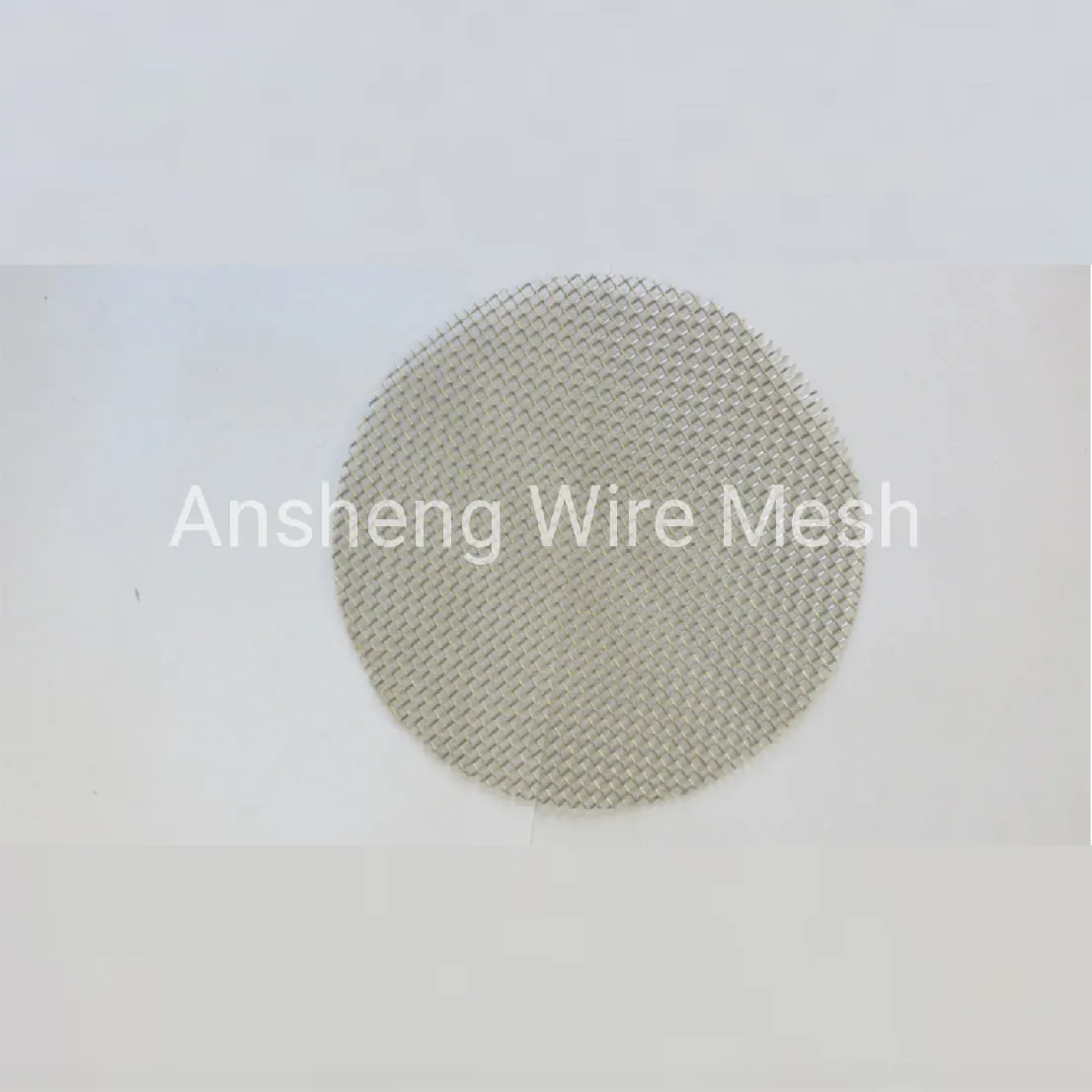
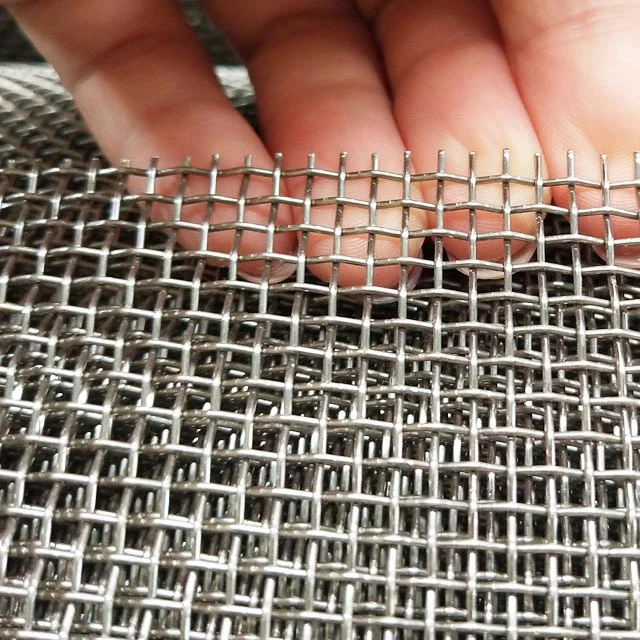
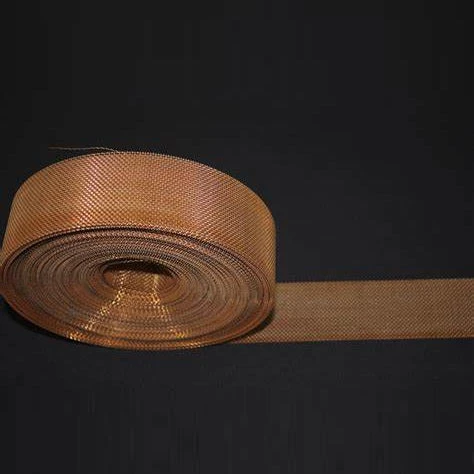
Having spent a couple of decades around industrial equipment and materials, I can say that mesh copper wire stands out as both versatile and remarkably enduring. Whether you’re involved in filtration, shielding, or architectural projects, this product often quietly anchors the operation.
Oddly enough, while it’s been around for years, I still find new aspects to appreciate. For example, the way copper's natural corrosion resistance marries with the flexibility of mesh design is simply elegant—sort of like engineering poetry. It’s not just about strength or conductivity; it’s also about adaptability, which is crucial in fast-changing industrial environments.
In practical terms, copper mesh wire can be found across many sectors: electromagnetic shielding in electronics, filtration in chemical plants, or even decorative cladding in buildings. The variety of mesh sizes and wire diameters means customization isn’t just a nice-to-have — it’s often essential.
Product Specifications at a Glance
| Parameter | Typical Range | Notes |
|---|---|---|
| Wire Diameter | 0.05mm – 1.0mm | Fine to coarse mesh options |
| Mesh Aperture | 10 mesh – 300 mesh | Customized opening sizes available |
| Material Purity | ≥ 99.9% | High purity copper ensures conductivity |
| Finish | Annealed or Half-Hard | Depends on flexibility needs |
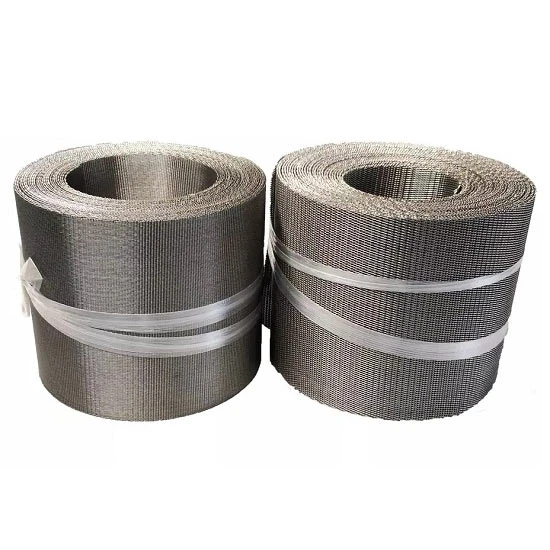
| Standard Width | 0.5m – 2m | Custom widths available on request |
Testing is often overlooked, but it’s crucial. A solid batch of mesh copper wire will undergo tensile testing to ensure it can handle the rigors of installation and operational fatigue. Many engineers I know, myself included, always request samples to try under real conditions – it’s the best way to be sure that the supplier isn’t just giving you a pretty specification sheet.
A quick anecdote: I once worked on a ventilation system where we swapped out a cheaper metal mesh filter for copper. The system ran notably cooler and lasted longer, thanks to copper’s thermal conductivity and corrosion resistance. It’s experiences like these that underscore why it’s not just about specs on paper, but rather real-world performance.
Vendor Comparison: Who’s Got Your Back?
| Feature | Ansheng Filter Screen | Competitor A | Competitor B |
|---|---|---|---|
| Customization Options | Wide range - mesh size, wire gauge, width | Limited to standard sizes | Moderate, with MOQ restrictions |
| Material Purity | ≥ 99.9% | ~99.0% | ≥ 99.5% |
| Lead Time | 2–3 weeks | 4–6 weeks | 3–5 weeks |
| Quality Assurance | 100% Tested | Random Sampling | 100% Visual Inspection |
| Customer Support | Dedicated technical team | Standard sales service | Limited pre-sales advice |
In sum, whether you’re a seasoned buyer or a newcomer, the right mesh copper wire supplier can make all the difference. Frankly, it pays off to lean on vendors who combine solid product knowledge with flexibility. I’ve found that choosing suppliers like Ansheng — with their tailored offerings and rigorous QA — positions your project for real success.
So, next time you’re sourcing mesh copper wire, keep this in mind: it's not just metal and holes. It’s a subtle balance of material science, manufacturing precision, and customer insight. And that’s the sort of thing you don’t quite get from a brochure.
As always, remember testing samples on-site is your best friend — specs can promise a lot, real-world conditions will tell the truth.
References:
- Industrial Wire Mesh Guidelines, Materials Science Journal, 2022
- Ansheng Filter Screen Product Catalog, 2024
- Metallic Filtration Systems Handbook, 3rd Ed., 2021
Post time: Dec . 09, 2025 04:35