
The Practical Benefits of Knitted Copper Mesh in Industrial Applications
Having been in the industrial equipment sector for over a decade now, I can tell you there's something oddly satisfying about how the right materials and design choices can elevate an entire process. Take knitted copper mesh, for instance. It's a product that I used to overlook until I saw firsthand how it can enhance everything from filtration efficiency to EMI shielding, all wrapped up in a surprisingly flexible yet sturdy package.
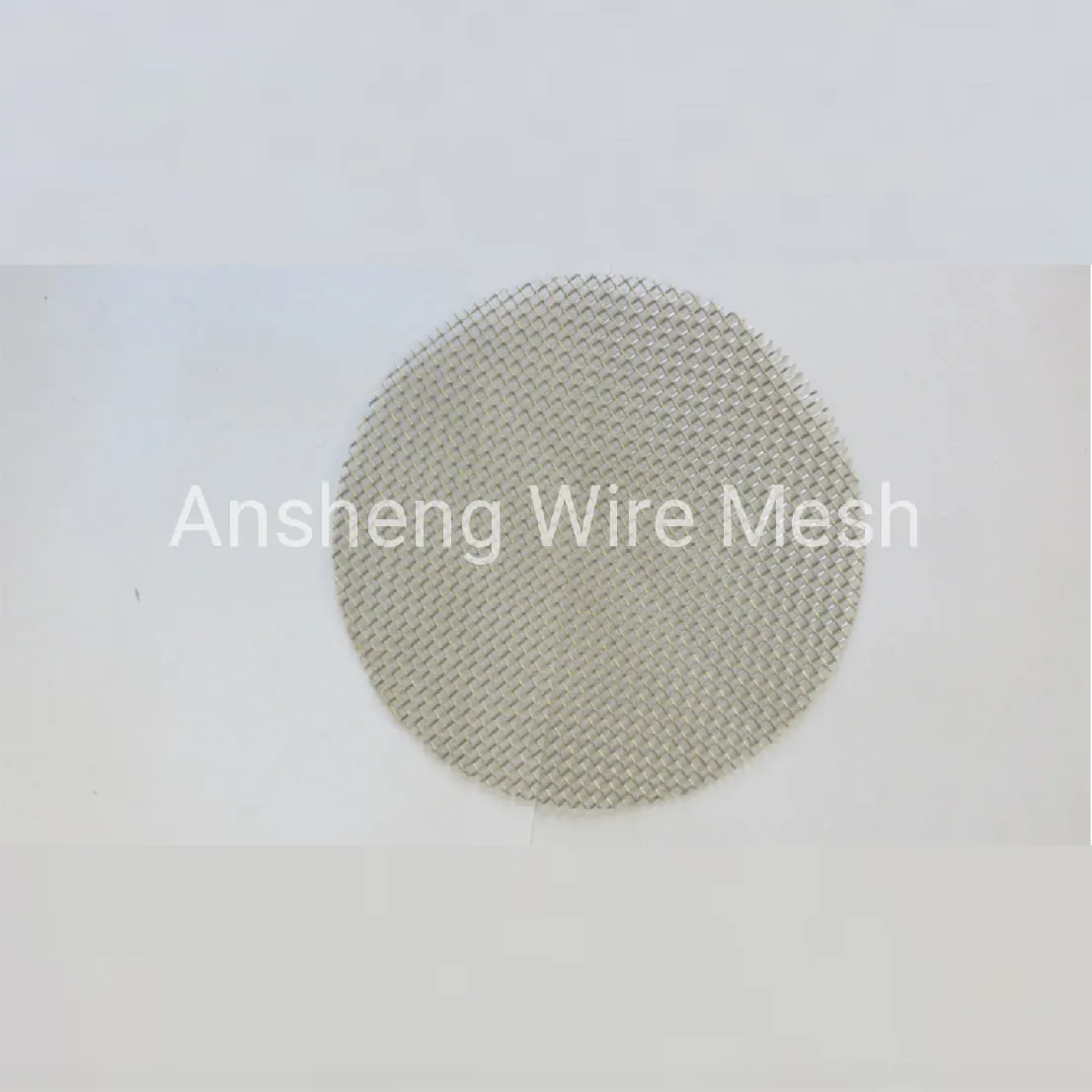
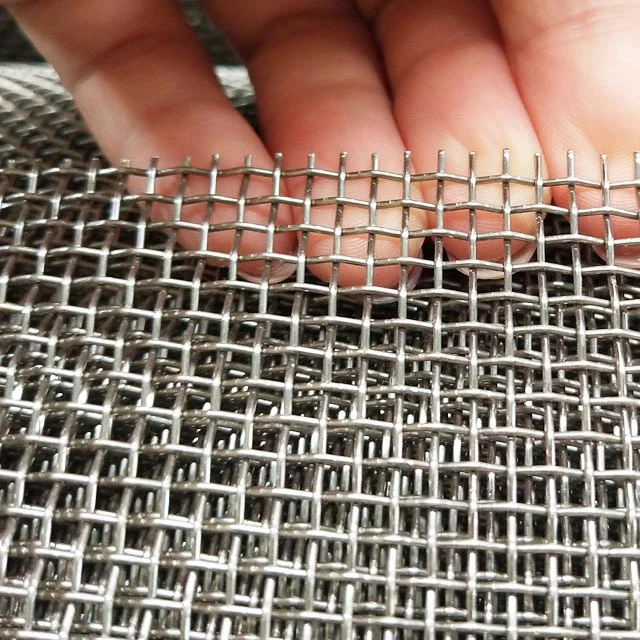
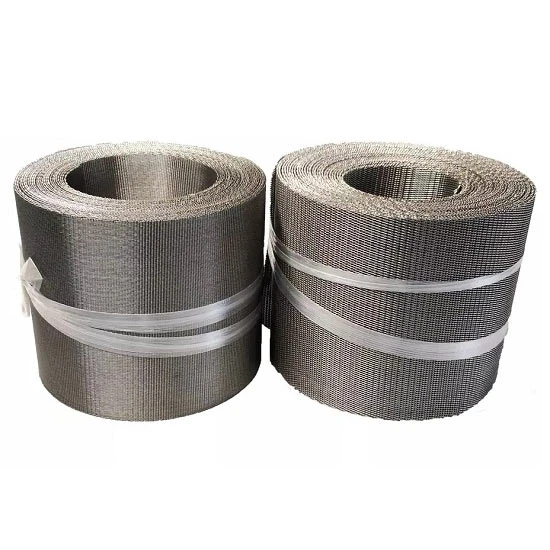
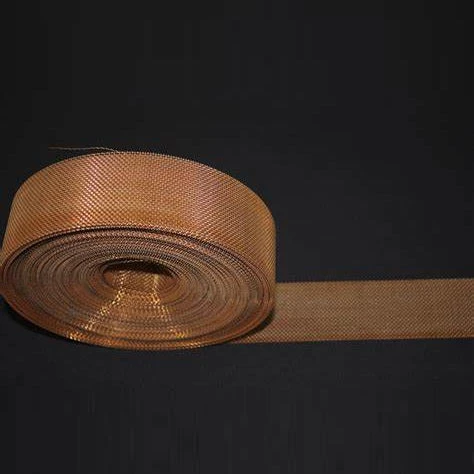
In real terms, knitted copper mesh is made by interlooping fine copper wires to create a mesh that's not only conductive but also breathable and pliable — qualities that make it well-suited for a variety of industrial needs. I remember the first time I encountered it during a troubleshooting session for an electromagnetic interference (EMI) problem on a control panel. The client tried various options, but it was the knitted copper mesh that provided the perfect grounding solution without complicating the assembly.
It feels like this product balances old-school craftsmanship with modern precision. The copper wire has to be high-purity, typically around 99.9%, to guarantee consistent conductivity. The knitting process allows for customization of mesh openings and thickness — characteristics that come in handy depending on the application. Oddly enough, while some think mesh is just ‘mesh,’ the tension, weave density, and wire diameter are all critical.
Many engineers I know swear by knitted copper mesh when it comes to filtration systems. Its corrosion resistance and the ability to withstand various chemicals make it a go-to choice for liquid and air filtration in harsh environments. Not to mention, it’s easy to shape and cut onsite, which is a small blessing when projects have last-minute adjustments.
Since quality control is paramount in our field, knitted copper mesh products often undergo comprehensive testing — including tensile strength tests, conductivity checks, and exposure to environmental stressors. This ensures that the mesh won’t lose integrity with time or excessive use. I suppose this reliability is why it's favored in aerospace, automotive, and even medical device manufacturing, where failure is not an option.
| Specification | Value | Notes |
|---|---|---|
| Material Purity | >99.9% Copper | Ensures excellent conductivity |
| Wire Diameter | 0.1 - 0.3 mm | Affects mesh flexibility |
| Mesh Aperture (Opening) | 1 - 5 mm | Customizable for filtration |
| Tensile Strength | >150 MPa | Suitable for mechanical stress |
| Corrosion Resistance | High | Ideal for harsh environments |
When it comes to buying knitted copper mesh, vendors vary—sometimes quite a bit—in terms of quality, customization options, and lead times. Based on my experience (and calls with various suppliers), here’s a quick rundown to help you weigh options:
| Feature | Anshengfilterscreen | Vendor B | Vendor C |
|---|---|---|---|
| Customization Options | Extensive - wire size, aperture, thickness | Limited to standard sizes | Moderate, but longer lead times |
| Quality Consistency | High - ISO certified | Variable, occasional delays | Generally reliable |
| Lead Time | 2-3 weeks | 1 week | 3-4 weeks |
| Technical Support | Strong consultation services | Minimal | Moderate |
| Pricing | Competitive | Lower but quality varies | Higher |
Speaking from a practical standpoint, if you want the mesh to perform consistently — especially for critical filtration or EMI mitigation projects — I’ve seen knitted copper mesh from Ansheng filter screen stand out. Their attention to specs and flexibility on orders reminds me of the importance of trusted relationships in our industry. After all, even the best mesh can’t make up for poor communication or an inconsistent supplier.
To wrap things up, knitted copper mesh is one of those underappreciated heroes in industrial settings. It’s versatile, robust, and kind of elegant once you get to know it. Oddly enough, it’s also one of those niche items that when specified correctly, stops a lot of headaches down the road.
References:
- Technical data sheets from leading knitted copper mesh manufacturers.
- Industry feedback and interviews with filtration engineers.
- Case studies on EMI shielding applications.
Post time: Dec . 09, 2025 01:45