
Understanding the Fine Copper Mesh Screen: Materials, Applications, and Innovations
At first glance, a fine copper mesh screen might seem like a simple industrial product — just another kind of metal fabric. But in reality, it’s a quietly powerful tool shaping everything from filtration systems to advanced electromagnetic shielding around the world. Given copper’s exceptional conductivity and durability, the applications touch both everyday products and critical technology. Knowing how and why these screens work seems more important than ever, especially with industries emphasizing sustainability, precision, and efficiency.
Global Relevance of Fine Copper Mesh Screens
Copper is a cornerstone metal in global manufacturing — according to the International Copper Association, over 20 million tonnes are mined and recycled worldwide annually. And fine copper mesh screens serve as essential components in processes ranging from air purification systems to electronics fabrication. In fact, ISO standards reinforce the importance of materials like copper mesh in environmental control systems.
Yet, many industries face a challenge: how to filter micro-particles effectively while preserving resource usage and lowering costs. This is where fine copper mesh screens come into play — offering precision filtration and robust conductivity all in one.
What Is a Fine Copper Mesh Screen?
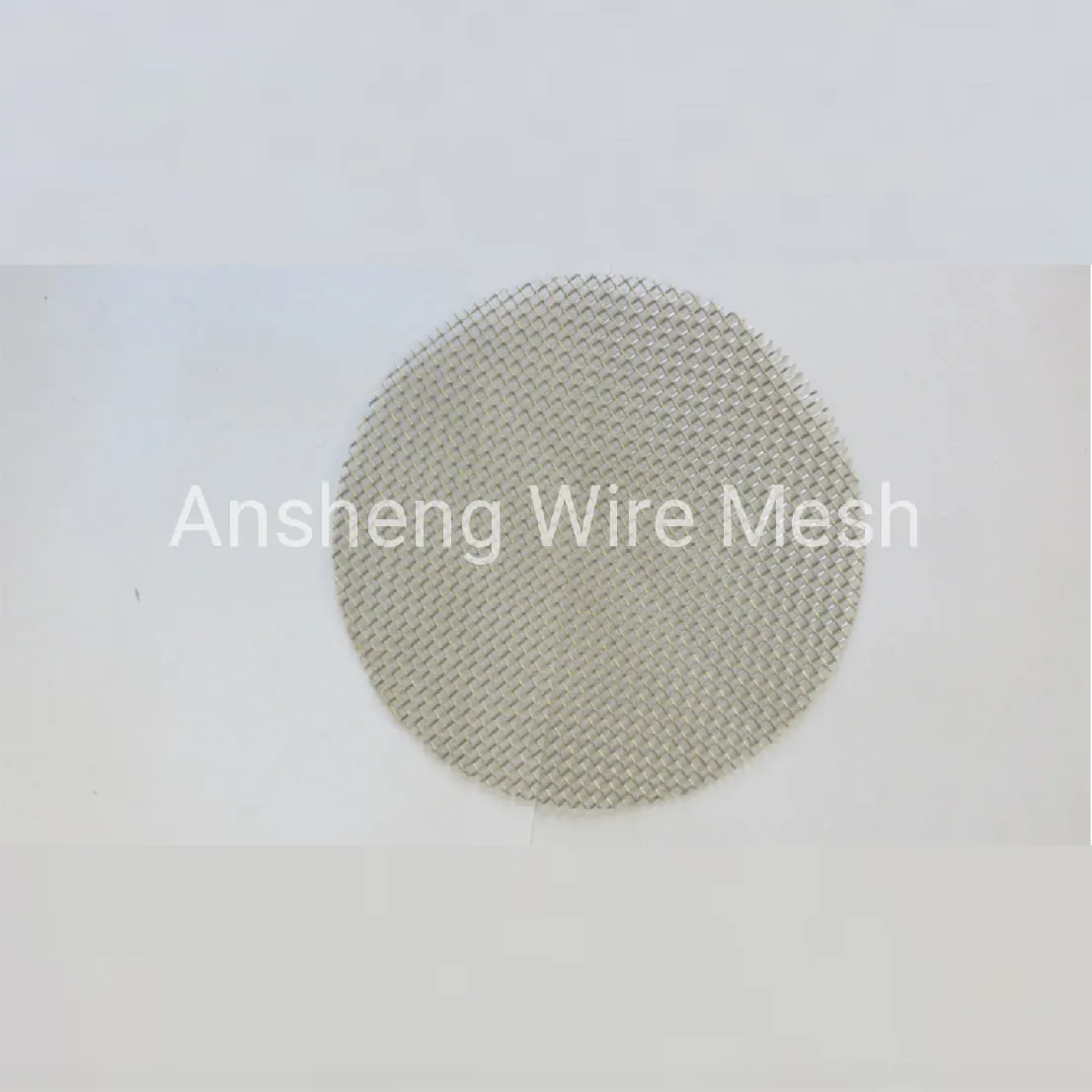
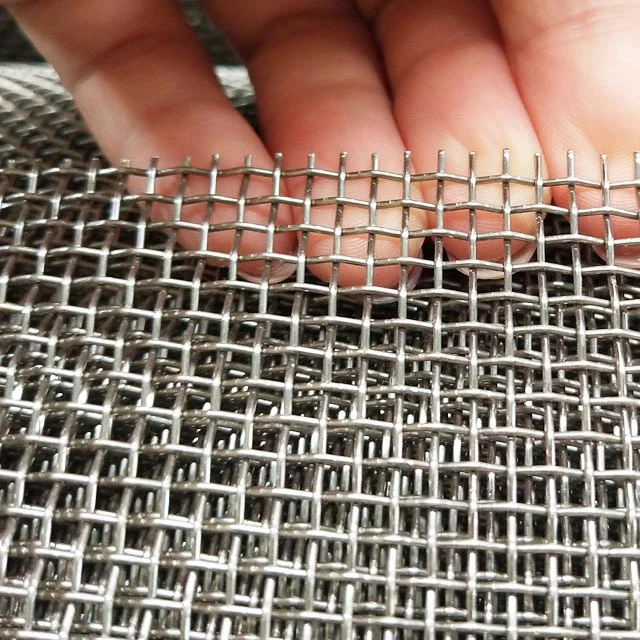
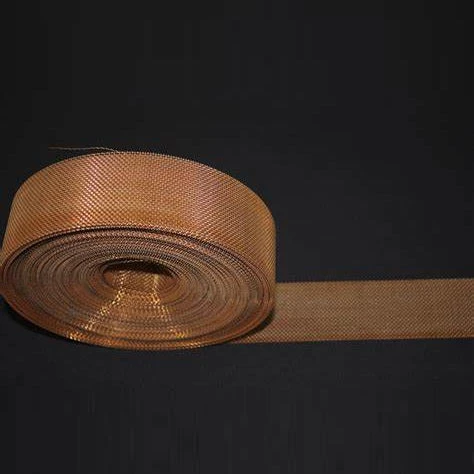
Simply put, a fine copper mesh screen is a sheet or roll of thin copper wires woven or knitted into a mesh pattern with very small openings. The “fine” part refers to the mesh count — meaning how many wires per inch (or cm) the mesh contains — controlling the size of particles it can block or the frequency it can shield against.
Today, these meshes are more than filtering devices; they’re vital elements in modern industries such as electronics for EMI/RFI shielding, environmental engineering for pollutant filtration, and even humanitarian applications like safe water filtration in disaster zones.
Core Features of Fine Copper Mesh Screen
1. Durability and Corrosion Resistance
Copper inherently resists rust and many corrosive agents, which means these meshes last longer even in harsh environments like chemical plants or coastal industries. This longevity reduces maintenance and replacement costs.
2. Precision Filtration Capability
Depending on mesh count and wire diameter, the screens can filter particles down to microns, enabling their use in water purification and industrial process control.
3. Electrical and Thermal Conductivity
Because copper is an excellent conductor, the mesh also serves in shielding sensitive electronic equipment from electromagnetic interference (EMI), ensuring reliable operation.
4. Eco-Friendly Recyclability
Copper meshes can be recycled repeatedly with minimal loss of quality, aligning well with current sustainability goals across industries.
Product Specification Table
| Specification | Description |
|---|---|
| Material | High-purity electrolytic copper (99.9%+) |
| Mesh Count | 20 to 325 wires per inch (varies by application) |
| Wire Diameter | 0.03 mm to 0.5 mm |
| Opening Size | 5 microns to 1000 microns |
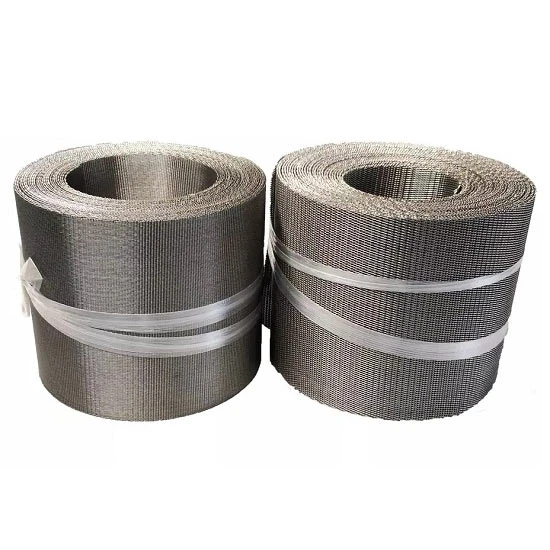
| Available Formats | Sheets, rolls, custom shapes |
| Thickness | 0.1 mm to 2 mm |
Mini takeaway: The fine copper mesh screen is a blend of precision engineering and material strength, perfectly suited for complex industrial and environmental challenges.
Global Applications and Use Cases
- Electronics Industry: Copper mesh is integral in EMI/RFI shielding in smartphones, laptops, and sensitive medical devices.
- Water Filtration Plants: Many emerging economies rely on mesh screens for filtering contaminants in drinking water, especially where infrastructure is limited.
- Aerospace and Defense: EMI shielding for avionics and radar system components.
- Post-Disaster Relief Organisations: Portable filtration systems using copper mesh help ensure safe water during emergencies.
- Renewable Energy: Used in wind turbines and solar panels to control dust and debris ingress and monitor system integrity.
Notably, regions like Southeast Asia and Sub-Saharan Africa, where clean water access remains uneven, are major beneficiaries of copper mesh filtration technology. Industrialised nations meanwhile lean heavily on these screens to meet strict emission and quality standards.
Mini takeaway: Fine copper mesh screens bridge technological gaps from the remotest water filter unit to advanced aerospace electronics.
Advantages and Long-Term Value
Beyond the obvious durability and filtration precision, copper mesh screens offer:
- Cost-Effectiveness: Long lifespan means less frequent replacements.
- Environmental Sustainability: Recyclable materials reduce environmental footprint.
- Safety and Reliability: Consistent performance safeguards both humans and machines.
- Innovation Enablement: Supports next-gen technologies needing ultra-fine filters or EMI protection.
On an emotional level, these screens bring a sense of security — whether protecting workers from hazardous materials or ensuring families receive pure water. It feels like a small but crucial step towards dignity and well-being in many contexts.
Future Trends and Innovations
Engineering advances hint at integrating copper mesh with nanocoatings to create self-cleaning, anti-bacterial screens. There’s also a growing interest in automation for custom mesh production, making tailored solutions faster and cheaper. With the global push towards green energy, copper’s role in sustainable technologies (like smart grids and electric vehicles) only grows more vital.
Digital transformation allows real-time monitoring of mesh condition using embedded sensors — enabling predictive maintenance and reducing downtime.
Challenges and Solutions
Oddly enough, while copper is excellent in many ways, it can oxidize and discolor over time, affecting appearance and sometimes electrical properties. Protective coatings help, but add cost. Additionally, producing ultra-fine mesh consistently requires tight quality control — something new laser weaving technologies are helping to solve.
Supply chain fluctuations in copper prices can also impact affordability, prompting manufacturers to explore hybrid screens or recycled material blends.
Vendor Comparison Table
| Vendor | Product Range | Customization | Price Range | Lead Time |
|---|---|---|---|---|
| Ansheng Filter Screen | 20-325 mesh; sheets & rolls | High - custom sizes & coatings | Mid-range | 2-4 weeks |
| CopperMesh Co. | 50-200 mesh; standard sizes | Limited | Budget | 1-3 weeks |
| MeshTech Global | 10-325 mesh; advanced composite options | Moderate | Premium | 4-6 weeks |
Frequently Asked Questions About Fine Copper Mesh Screen
- What determines the filtration accuracy of a copper mesh screen?
- The filtration accuracy depends primarily on the mesh count (the number of wires per inch) and the diameter of the wire. Higher mesh counts with thinner wires create smaller openings and filter finer particles. Wire material purity and weaving quality also affect performance.
- Can fine copper mesh screens be used in potable water treatment?
- Yes, copper mesh screens are often used in water filtration systems to remove sediment and impurities. Copper’s natural antimicrobial properties can also help inhibit bacterial growth, enhancing water safety. However, systems typically combine mesh screens with other treatment methods for comprehensive purification.
- How do copper mesh screens compare with stainless steel mesh?
- Copper offers better electrical and thermal conductivity, making it preferable for EMI shielding and heat dissipation applications. Stainless steel, meanwhile, has higher mechanical strength and corrosion resistance in alkaline or acidic conditions, so the choice depends on specific use cases.
- What customization options are available for fine copper mesh screens?
- Manufacturers often provide various mesh counts, wire diameters, thicknesses, coatings (like tin or nickel plating), and format types (rolls, sheets, cut shapes). Custom solutions can also include precision slitting, edging, and assembly into filter elements.
Conclusion: Why Fine Copper Mesh Screens Matter Long Term
In a world striving for cleaner environments, smarter technology, and reliable infrastructure, the humble fine copper mesh screen plays a disproportionately huge role. Its combination of precision filtering, durability, and conductivity makes it indispensable across industries and geographies. If you’re looking for a dependable solution enriched by decades of expertise and tailored innovation, I invite you to explore more about fine copper mesh screen options available today.
Care to dive deeper? Visit Ansheng Filter Screen's website for detailed product lines and expert guidance.
It’s interesting how such a simple material can quietly be behind so many advances — a reminder that often, the best solutions combine nature’s elements with thoughtful engineering.
Post time: Dec . 08, 2025 07:05