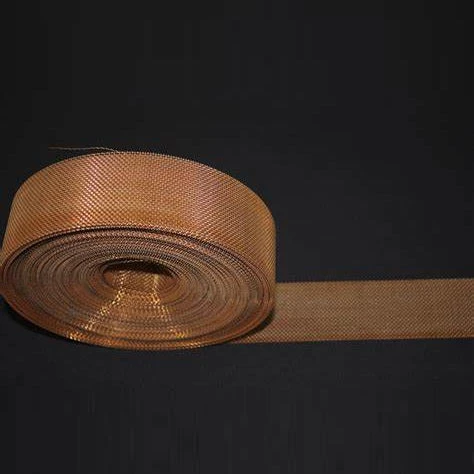

Fine Copper Mesh Fabric: A Veteran’s Take from the Industrial Trenches
Having spent more than a decade navigating the industrial equipment sphere, I’ve come across all sorts of materials—each with its quirks and strengths. But few have stuck with me as much as fine copper mesh fabric. Oddly enough, it’s not just about the obvious electrical or corrosion benefits; there’s a tactile, almost artisanal feel to fine copper mesh that engineers and fabricators appreciate quietly.
Fine copper mesh has become a cornerstone in filtering, shielding, and even decorative industrial applications. Frankly, it’s the mixture of flexibility and resilience that makes it so compelling — while its natural antimicrobial properties are a nice bonus, especially in environments where cleanliness and durability matter.
What Makes Fine Copper Mesh Fabric Tick?
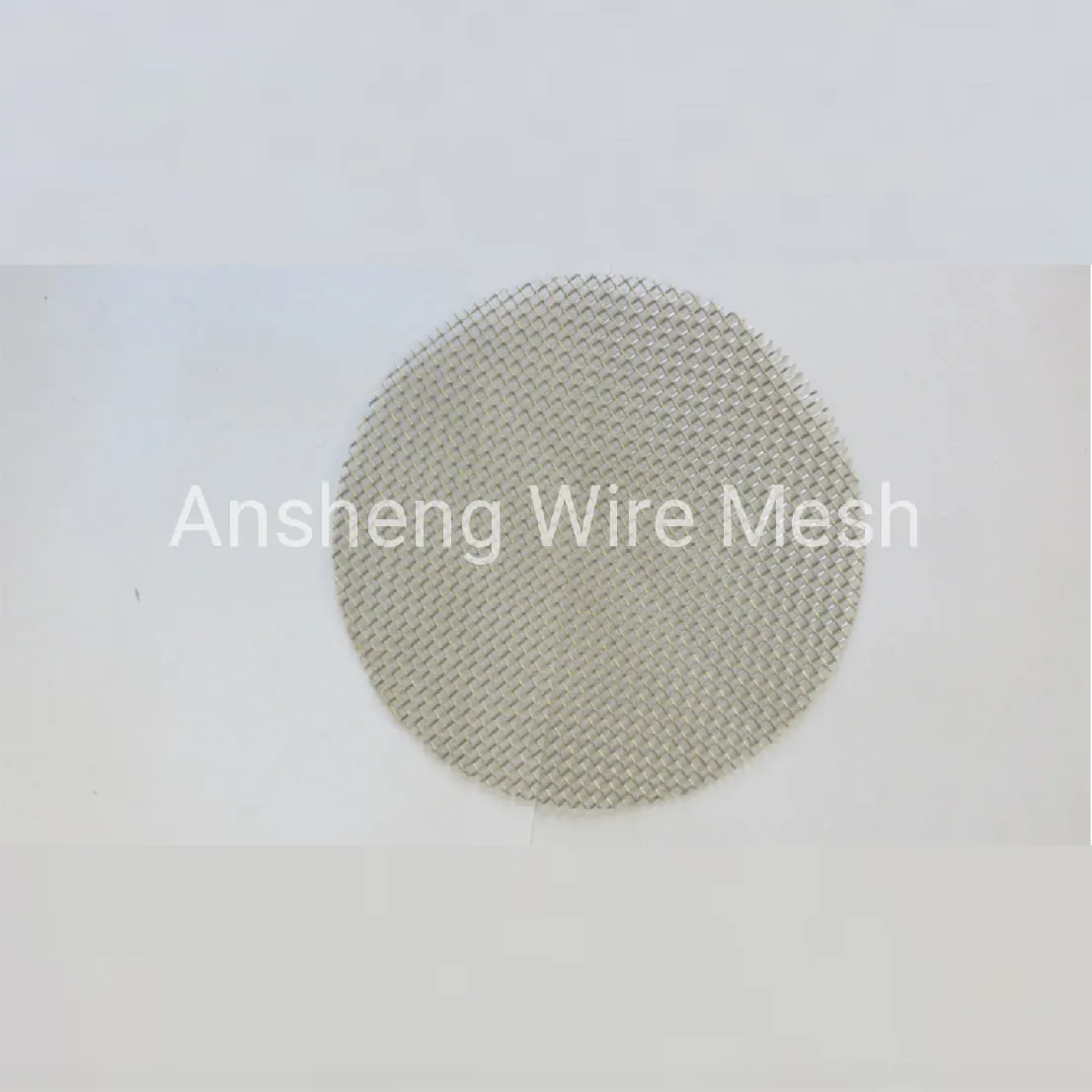
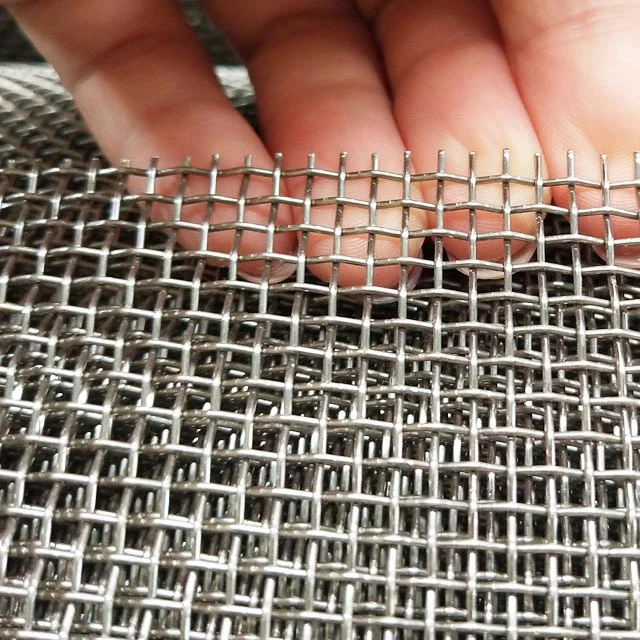
In real terms, this mesh is crafted by weaving extremely thin copper wires into a tightly-knit structure. The wire diameter and weave pattern control its filtration precision and mechanical strength. You might be surprised to learn that the copper alloy often used balances conductivity with malleability — something crucial when the mesh needs to conform to complex shapes or withstand repeated handling.
Many engineers I know say that the key differentiator is the mesh’s fine weave count, often reaching over 100 mesh per inch. This fineness is what screens even the tiniest particles while maintaining decent airflow or liquid permeability.
| Specification | Details |
|---|---|
| Wire Diameter | 0.05mm - 0.2mm |
| Mesh Count | 50 - 200 mesh/inch |
| Material | High purity electro-deposited copper |
| Weave Types | Plain, Twilled |
| Finish | Annealed (soft), Cold rolled (hard) |
| Thickness Range | 0.07mm - 0.3mm |
| Typical Applications | EMI shielding, filtration, decorative panels |
Choosing Your Supplier: A Quick Comparison
Over the years, I’ve dealt with quite a few suppliers for copper mesh. It’s not always about price, oddly enough—service, consistency, and the ability to customize go a long way. Here’s a simple rundown of some typical players in this space:
| Supplier | Mesh Options | Lead Time | Customization | Support |
|---|---|---|---|---|
| Ansheng Filter Screen | 50-200 mesh, multiple finishes | 2-3 weeks | High – custom wire diameters, sizes | Responsive, technical |
| Generic Industrial Supplier A | 30-150 mesh, limited finishes | 3-5 weeks | Moderate – standard sizes only | Basic |
| High-End Copper Mesh Co. | 100-300 mesh, premium copper | 4 weeks | Moderate – premium only | Excellent, expert advice |
Use Cases and Lessons from the Field
I remember a customer once who needed a specialized mesh for a complex filtration system in chemical processing. The system had to deal with aggressive fluids and microscopic contaminants—but also had space constraints. We relied on a finely woven copper mesh from Ansheng, which not only met the filtration specs but was able to flex when installed without cracking. It felt like the fabric was tailored just for that project.
You often hear that copper mesh is “just metal screen.” I’ve learned to see it a bit differently—it’s a material that’s deceptively simple but can be finely tuned to a project’s very particular demands. It’s a classic piece of industrial engineering that marries tradition with modern technical needs.
If you’re on the lookout for a reliable, versatile mesh material, fine copper mesh fabric definitely deserves a spot on your shortlist.
References:
1. Industrial Wire Mesh Fabrication Guide, 2023
2. Copper Mesh Usage in Filtration Systems, Journal of Industrial Materials
3. Conversations with Ansheng Filter Screen Technical Team, 2024
Post time: Dec . 08, 2025 04:15