
Understanding 304 Stainless Mesh: A Durable Solution for Global Needs
At first glance, 304 stainless mesh might look like just another industrial product. But if you zoom out a bit, it’s easy to see why it matters worldwide. Around factories, farms, even disaster relief zones, this mesh promises strength, corrosion resistance, and flexibility — all rolled into one precise weave. In a world increasingly focused on sustainability, resilience, and safety, understanding 304 stainless mesh isn’t just for engineers or procurement specialists. It makes practical sense for anyone interested in materials that balance cost and dependability across countless industries.
Mini takeaway: 304 stainless mesh combines versatility with durability, making it indispensable for modern infrastructure, clean tech, and humanitarian projects alike.
The Global Context: Why the World Turns to 304 Stainless Mesh
Globally, stainless steel production topped over 60 million metric tons in 2022 (source: World Steel Association). Among these, the “304” grade is a proven favorite — roughly 70% of stainless steel used worldwide falls under the 300 series. The mesh form helps address major challenges such as corrosion in harsh environments, contamination control in food industries, and long-term durability in infrastructure, all of which align with the United Nations’ Sustainable Development Goals, especially SDG 9 (Industry, Innovation, and Infrastructure).
For example, in coastal regions prone to salt spray, traditional metals rust quickly, raising maintenance costs. Meanwhile, food processing plants demand hygienic, inert materials to prevent microbiological contamination. That’s where 304 stainless mesh steps up: reliable, cost-efficient, and versatile.
Mini takeaway: By resisting corrosion and supporting hygiene, 304 stainless mesh plays a quiet but critical role in enhancing infrastructure and manufacturing worldwide.
What Exactly Is 304 Stainless Mesh?
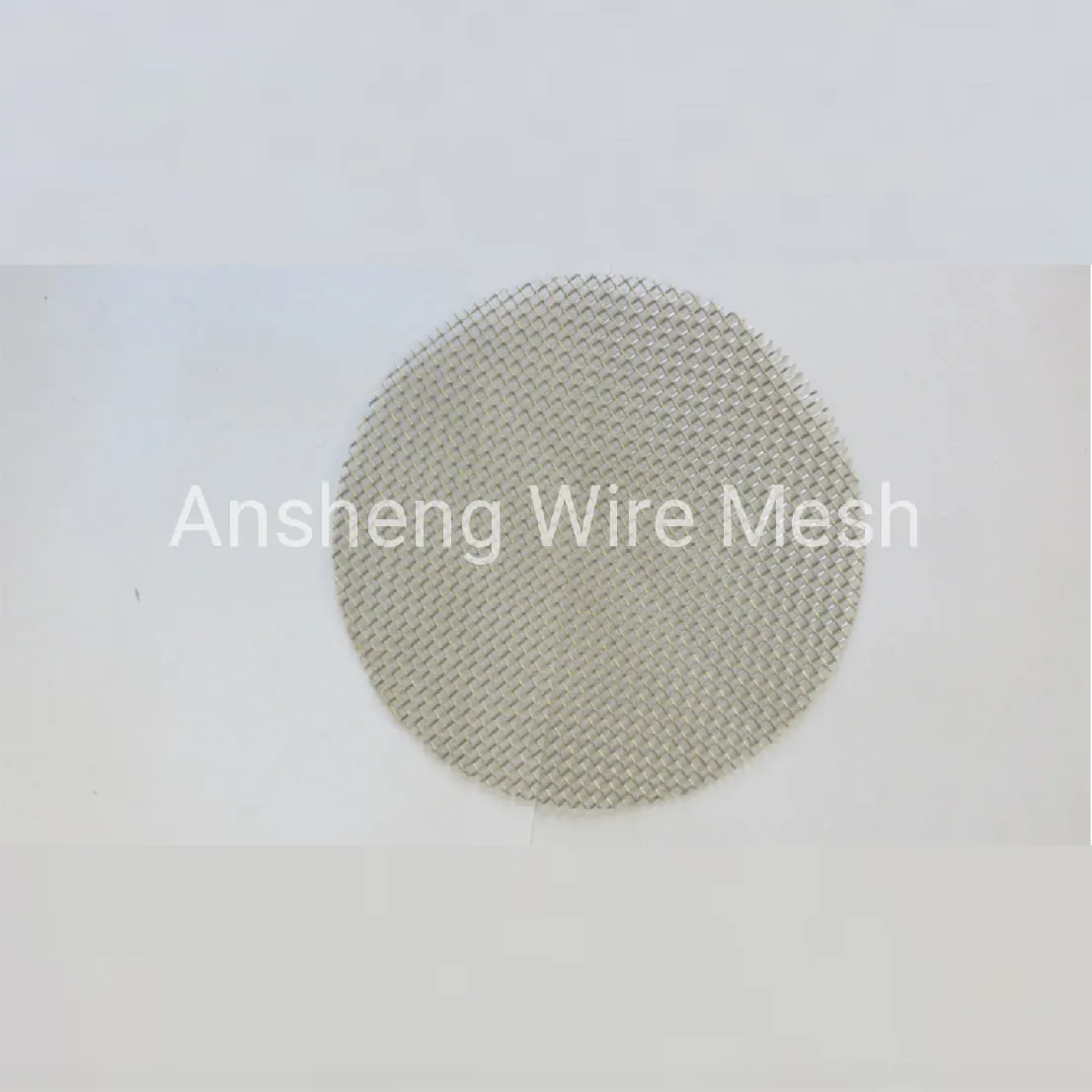
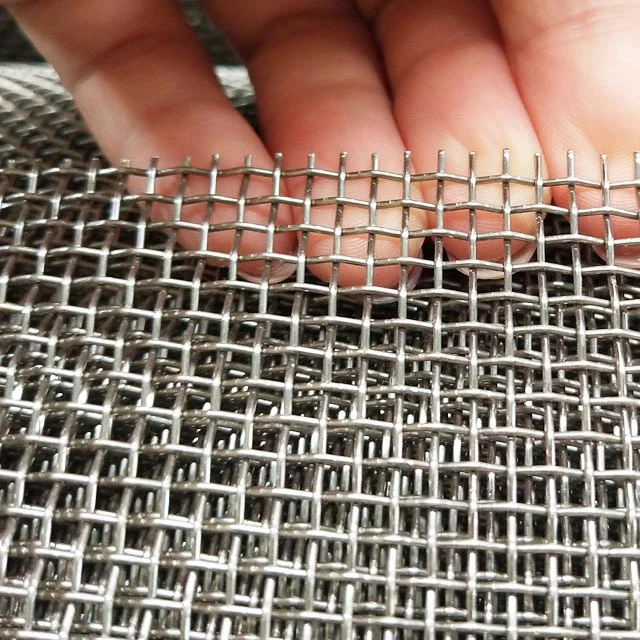
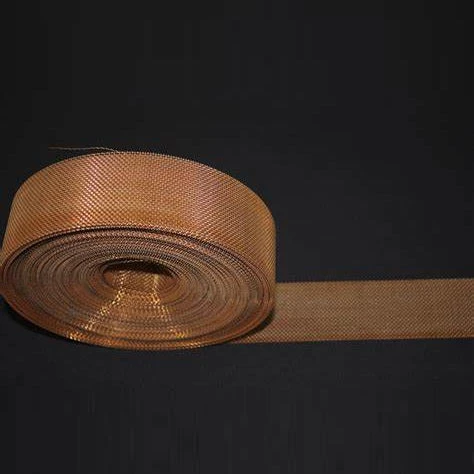
So, what is this 304 stainless mesh in plain terms? Simply put, it’s a woven metal fabric made from 304-grade stainless steel wires. Grade 304 means a specific chemical composition rich mainly in chromium (18%) and nickel (8%), which prevents rust and gives it that shiny, smooth finish. When woven into mesh, these wires form a grid — think of it like a sturdy, transparent curtain for industrial use.
Its applications span from filtering air and liquids to shielding sensitive equipment or even serving as safety guards. Frankly, the mesh is an enabler for industries that need reliability under pressure — quite literally sometimes.
Mini takeaway: 304 stainless mesh = corrosion-resistant steel wires woven into a tough grid, combining strength and openness.
Key Characteristics That Make 304 Stainless Mesh Stand Out
1. Durability
One of the standout traits is obviously its long lifespan. 304 stainless mesh doesn’t just shrug off rust — it resists impact, high temperature changes, and chemical attacks. That durability translates to less frequent replacement, saving costs and boosting safety.
2. Corrosion Resistance
The chromium and nickel content form an oxide layer protecting the surface from oxygen and moisture. This means the mesh thrives even in marine atmospheres, acidic environments, or places with variable humidity.
3. Versatility in Weave and Size
From tiny micron-scale openings used for filtration to coarser grids for protective barriers, 304 stainless mesh is customizable. Varied wire thicknesses and weaving patterns adapt it to industry-specific needs.
4. Hygiene and Cleanability
In food and pharma industries, this mesh prevents contamination and withstands repeated cleaning, even with harsh solvents, without degrading.
5. Cost Efficiency
While not the cheapest material upfront, the long-term savings on maintenance, replacements, and failures make 304 stainless mesh a smart choice overall.
6. Sustainability
Stainless steel is 100% recyclable, making the mesh eco-friendly and aligned with green policies in many sectors.
Mini takeaway: Its blend of durability, corrosion resistance, adaptability, and sustainability make 304 stainless mesh a pragmatic material solution.
Where Does 304 Stainless Mesh Really Make a Difference?
The applications are remarkably widespread and kind of fascinating:
- Environmental & Water Treatment: Screens and filters prevent debris and bacteria from polluting water systems.
- Food Processing: Mesh guards protect machinery and help steam or sieve aliments safely.
- Construction & Architecture: Decorative facades and safety grills combine visual appeal with robustness.
- Energy Sector: Protecting turbine blades or photovoltaic panels from damage or particulate matter.
- Post-Disaster Relief: Portable filtration systems using mesh help provide clean water quickly in crisis zones.
- Remote Industrial Zones: Mesh-based filtering solutions reduce downtime and extend equipment life under tough conditions.
In fact, many NGOs and government agencies prioritize 304 stainless mesh for emergency infrastructure precisely because it balances portability with performance — a rare combo.
Mini takeaway: 304 stainless mesh isn’t just a local hero; it’s a global player across industries that matter for health, safety, and sustainability.
Practical Specifications of a Typical 304 Stainless Mesh Product
| Specification | Details |
|---|---|
| Material Grade | 304 Stainless Steel (Austenitic) |
| Wire Diameter | 0.1 mm – 2.0 mm |
| Mesh Opening | 0.02 mm – 25 mm |
| Tensile Strength | 520 MPa (minimum) |
| Corrosion Resistance | Excellent in mild acidic & marine atmospheres |
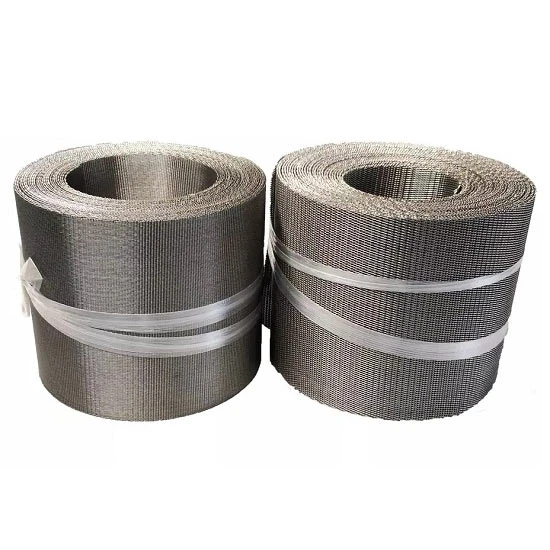
| Standard Roll Length | 30 meters (customizable) |
How Do Vendors Compare? Choosing the Right 304 Stainless Mesh Supplier
| Vendor | Customization Options | Lead Time | Quality Certifications | Global Shipping |
|---|---|---|---|---|
| Ansheng Filters | Wire size, thickness, weave pattern | 2-3 weeks | ISO 9001, SGS | Yes |
| GlobalMesh Inc. | Limited to standard rolls | 4-6 weeks | ISO 14001 | Regional |
| SteelWeave Ltd. | Custom designs & prototype services | 3-4 weeks | ISO 9001, CE Mark | Worldwide |
Long-Term Advantages of Using 304 Stainless Mesh
Beyond the specs and applications, what really counts is the value this mesh delivers over time. Durability means fewer disruptions, fewer replacements, and so patrons feel safer. It’s no coincidence many engineers say investing upfront in quality stainless mesh saves headaches later.
From an emotional standpoint, it’s about peace of mind — in hospitals, clean air filters protect patients; in factories, it shields workers from hazards. Environmentally, its recyclability complements circular economy goals, so facilities can reduce their carbon footprint.
Mini takeaway: 304 stainless mesh offers a mix of practical savings and intangible benefits like safety, trust, and sustainability.
Looking Ahead: Innovations and Trends in 304 Stainless Mesh
Technology never stands still. Innovations include nano-coatings to enhance anti-corrosion properties, digital automation for precision weaving, and hybrid materials blending stainless mesh with polymers or ceramics for specialized use cases. Meanwhile, rising regulations on sustainability and product safety are pushing suppliers to enhance traceability and certification standards.
Oddly enough, the mesh’s simple design belies a world of high-tech R&D meant to keep it relevant in a rapidly evolving market — especially when green energy and smart manufacturing come into play.
Common Challenges and Expert Solutions
Despite its benefits, 304 stainless mesh can be pricey for some small-scale users, and inappropriate mesh grades cause premature wear if mismatched with application needs. Also, improper cleaning techniques can degrade the mesh's oxide layer, reducing longevity.
Experts recommend thorough needs assessments and liaising with certified suppliers — like Ansheng Filters — to tailor mesh specs properly and provide best-practice maintenance guidelines.
FAQ: Your Top 304 Stainless Mesh Questions Answered
- What makes 304 stainless mesh better than other metal meshes?
- Its balanced composition of chromium and nickel gives 304 stainless mesh exceptional corrosion resistance and strength. This makes it suitable across many harsh environments where other metals would rust or fail quickly.
- How long does 304 stainless mesh typically last in industrial applications?
- With proper use and maintenance, 304 stainless mesh can last 10-20 years or more. Factors like environmental exposure and mechanical stress influence exact lifespan.
- Is 304 stainless mesh environmentally friendly?
- Yes, it is fully recyclable and supports circular economy principles. Its durability also means fewer replacements, reducing waste over time.
- Can I get custom-sized mesh for specific industrial projects?
- Absolutely. Many vendors, including Ansheng Filters, offer customizable mesh sizes, wire thickness, and weave patterns to fit unique demands.
In Conclusion: Why 304 Stainless Mesh Is an Investment Worth Making
In real terms, opting for 304 stainless mesh isn’t just ticking a box for “strong material.” It’s about resilience, peace of mind, and embracing a product whose reliability serves across borders and industries. Whether you’re upgrading filtration systems or designing safer infrastructure, this material makes a genuinely difference — often quietly, behind the scenes.
To explore a range of authentic 304 stainless mesh products and custom solutions, consider visiting our website. It’s a smart first step toward building better, longer-lasting, and safer systems.
Here’s to materials that last and innovations that inspire.
References
Post time: Dec . 01, 2025 15:50