
Why Wire Mesh SS 304 Matters Globally: A Brief Overview
Wire mesh made from stainless steel 304 is a humble hero in countless industries worldwide. It’s like the unsung backbone — strong, reliable, and surprisingly versatile. From construction sites in bustling cities to medical sterilization labs, understanding wire mesh ss 304 provides insight into greater efficiency, safety, and sustainability on a global scale. Its resistance to rust and corrosion alone elevates projects from average to top-tier, which explains its worldwide acclaim.
Why does it matter so much? Because at its core, wire mesh SS 304 solves real problems around durability and contamination, especially in environments where safety and hygiene are non-negotiable. Knowing how to use it intelligently means longer-lasting products, less maintenance, and safer working conditions globally.
The Global Stage: Wire Mesh SS 304 in Today’s Industry Context
Stainless steel, particularly grade 304, accounts for over 60% of all stainless steel production worldwide, according to the International Stainless Steel Forum. The global expansion of urban infrastructure, coupled with rising industrial automation, fuels the demand for materials like wire mesh ss 304. For instance, the United Nations reports that over 55% of the world’s population lives in urban areas now — a figure expected to rise. This urban crowding calls for efficient air filtering, water purification, and secure containment methods, all of which wire mesh ss 304 addresses perfectly.
But here’s the challenge: conventional materials often fall short under harsh chemical or weather conditions, leading to premature failures. Wire mesh ss 304 offers a robust solution against that erosion, enabling industries to push boundaries without constant worry about material degradation.
Mini takeaway: The demand for resilient materials like wire mesh ss 304 is intertwined with global urbanization and industrialization trends. Its ability to withstand tough environments is a big reason it is so valued.
What Is Wire Mesh SS 304? Understanding the Basics
Simply put, wire mesh ss 304 is a grid or netting made from stainless steel alloy grade 304. This steel contains roughly 18-20% chromium and 8-10.5% nickel, which gives it its hallmark corrosion resistance and moderate strength. Because of this composition, it doesn’t just rust away or fall apart when exposed to weather, chemicals, or heat.
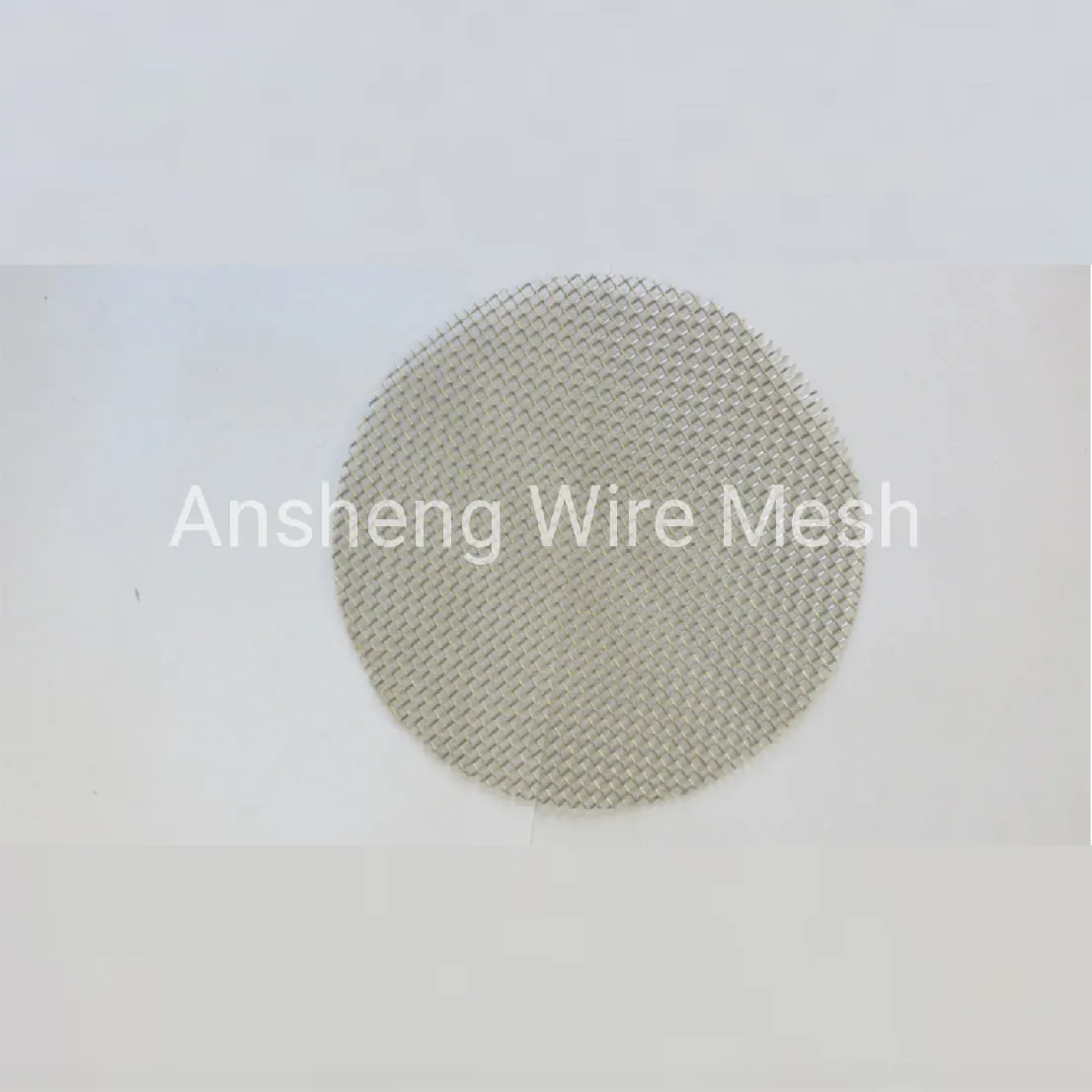
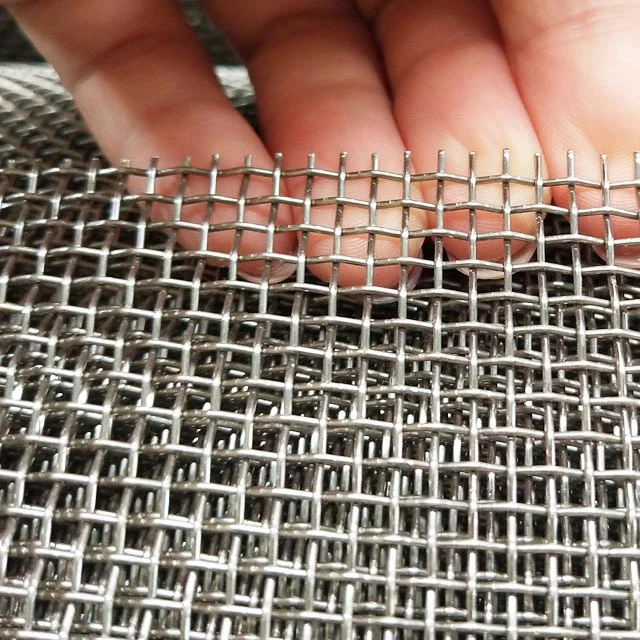
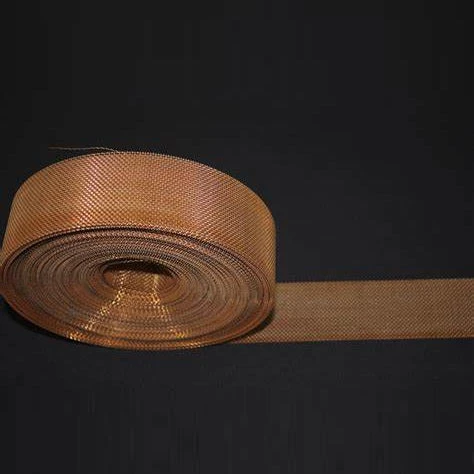
Wire mesh refers to the woven or welded arrangement of the wires into precise openings, which can be fine or coarse depending on the application. This mesh’s ability to act as a filter, barrier, or reinforcement makes it a cornerstone component in industries like food processing, water treatment, pharmaceuticals, and construction.
Oddly enough, behind that simple grid lies a world of engineering balance — tensile strength, pore size, surface finish — each tailored to solve specific operational headaches.
Key Properties of Wire Mesh SS 304
Durability and Corrosion Resistance
The chromium-nickel mix in SS 304 creates a protective “passive” oxide layer that shields the mesh from rust and corrosion. This durability comes into play in everything from coastal construction projects to industrial chimneys, where moisture and chemicals would otherwise wreak havoc.
Heat and Chemical Resistance
Wire mesh ss 304 can comfortably handle temperatures up to about 870°C intermittently, which makes it suitable for some industrial heat exchangers or filtering hot gases. Chemical resistance, particularly in mildly acidic and alkaline environments, is another practical plus.
Flexibility and Strength
The mesh’s structural qualities allow it to be formed around curves or rigid forms without losing integrity. Many engineers note it balances flexibility with tensile strength, helping it avoid cracks or breaks even under mechanical stress.
Customizable Mesh Sizes
Wire mesh ss 304 comes in varying opening sizes — from very fine (micron level) for filtration processes to coarse grids for architectural facades or safety guards. This scalability is key to its broad industry adoption.
Hygienic and Easy to Clean
Since it's easy to sterilize and resists contaminants sticking to it, wire mesh ss 304 is invaluable in food processing and pharmaceutical production settings.
Mini takeaway: It’s the unique blend of corrosion resistance, flexibility, heat tolerance, and hygiene that makes wire mesh ss 304 solve such diverse challenges.
Specifications At a Glance
| Specification | Details |
|---|---|
| Material Grade | Stainless Steel 304 |
| Composition | 18-20% Chromium, 8-10.5% Nickel, balance Iron |
| Common Mesh Sizes | From 5 microns to 25 mm openings |
| Max Operating Temp. | Around 870 °C intermittent |
| Corrosion Resistance | Excellent in mild acids, alkalis, and atmospheric exposure |
Global Applications: Where Wire Mesh SS 304 Shines
The versatility of wire mesh ss 304 is perhaps best appreciated by looking at how widely it’s used across sectors and continents.
- Water Treatment Plants: Filtration and containment components in municipalities from Europe to Asia.
- Food & Beverage Industry: Sieves and food-grade separators ensuring safety and quality in North America and Australia.
- Construction & Architecture: Facades, reinforcement bars, and screening materials in rapidly growing regions like Southeast Asia.
- Pharmaceutical Manufacturing: Sterile filtration in cleanrooms worldwide.
- Post-Disaster Relief: Temporary fencing and containment in disaster zones in Africa and Latin America where durability and sanitation are vital.
For example, NGOs working in earthquake-devastated areas in Nepal have adopted wire mesh ss 304 fencing for temporary shelters because it withstands harsh weather and lasts longer. Similarly, in Middle Eastern oil fields, the mesh is integral for filtering contaminants from liquid and gases.
Mini takeaway: Wire mesh SS 304’s global footprint crosses industries and continents because it answers diverse needs from sanitation to structural integrity.
Advantages and Long-Term Value of Wire Mesh SS 304
When considering the long game, the logic and emotion behind choosing wire mesh ss 304 become clear. Financially, while the upfront cost might be higher than ordinary steel, the lower maintenance costs and extended lifespan make the investment pay off. Sustainability-wise, stainless steel is 100% recyclable, which ties nicely into today's environmental priorities.
Emotionally, it’s about trust — workers and consumers feel safer when they know materials won’t fail unexpectedly. You don’t want your filtration mesh suddenly rusting or breaking when purity or safety is critical. There’s a dignity in working with materials you know have your back.
Emerging Trends and Innovations in Wire Mesh SS 304
The future is pretty exciting here. Manufacturers are experimenting with nano-coatings that boost anti-corrosion even further or add antimicrobial properties — ideal for medical uses. Digital transformation means better quality control via automated mesh-weaving robotics, which in turn improves consistency and reduces waste.
Sustainability is also front and center. There’s a growing push to produce stainless steel with lower carbon footprints using hydrogen-reduced steelmaking methods. Imagine wire mesh ss 304 that’s greener from start to finish — which is more than just a nice-to-have in our climate-conscious age.
Challenges and How Industry is Addressing Them
No material is perfect, right? Wire mesh ss 304 does face limitations, such as susceptibility to chloride-induced pitting corrosion in marine environments — salty air can sneak in that steel’s Achilles heel. Also, in extremely high-temperature or highly acidic conditions, it may need to be upgraded to higher-grade alloys.
Solutions often involve combining SS 304 mesh with protective treatments, or carefully selecting appropriate grades depending on environment, rather than one-size-fits-all. Educating procurement teams and engineers to pick the right specification upfront avoids costly failures later.
Comparing Wire Mesh SS 304 Vendors: What to Look For
| Vendor | Product Range | Customization Options | Certifications | Global Shipping |
|---|---|---|---|---|
| Ansheng Filter Screen | Wide (fine to coarse mesh) | Custom sizes, wire diameter, finishes | ISO 9001, SGS | Yes, globally |
| Stainless Mesh Corp | Moderate (standard mesh sizes) | Limited customization | ISO 14001 | Mostly regional |
| Global Wire Mesh Ltd. | Extensive (including high-grade alloys) | Highly customizable | ISO 9001, REACH compliant | Yes, with logistics support |
Frequently Asked Questions About Wire Mesh SS 304
- Q1: What makes wire mesh SS 304 better than regular steel mesh?
- SS 304 is specially alloyed with chromium and nickel, giving it strong corrosion and heat resistance — qualities regular steel lacks. This makes it ideal for hygiene-sensitive and harsh-environment applications where reliability and cleanliness are musts.
- Q2: Can wire mesh SS 304 be used in marine environments?
- While SS 304 resists many forms of corrosion, it can be vulnerable to chloride-induced pitting found in salty marine environments. For heavy exposure, higher grades such as SS 316 are recommended. Protective coatings can also help extend lifespan in these areas.
- Q3: How customizable is SS 304 wire mesh?
- Very customizable. You can choose mesh opening sizes, wire diameters, weave types, and surface finishes to fit specific filtration, architectural, or protection needs. Vendors often work with clients to tailor the product.
- Q4: Is wire mesh SS 304 recyclable and eco-friendly?
- Yes! Stainless steel is 100% recyclable without quality loss, making wire mesh SS 304 an environmentally responsible choice for sustainable projects. Furthermore, newer production methods are reducing carbon footprints.
- Q5: How do I import wire mesh SS 304 for industrial use?
- Importing involves ensuring compliance with local standards and certifications (like ISO). You’ll typically coordinate with vendors offering export capabilities and handle customs documentation. Many suppliers, including wire mesh ss 304 manufacturers, assist in logistics and paperwork.
Wrapping It Up: Why Wire Mesh SS 304 Is an Investment in the Future
In the end, wire mesh ss 304 blends durability, adaptability, and environmental mindfulness — a trifecta that makes it a smart pick worldwide. Whether you’re designing a high-tech filtration system or building resilient barriers in a remote region, this material feels like a solid bet. Its long life, recyclability, and proven track record make it practically a standard bearer for safe, sustainable infrastructure.
For anyone looking to explore wire mesh ss 304 solutions, I suggest starting with trusted partners like Ansheng Filter Screen. Their customization options and solid certifications make specifying your next project’s wire mesh a breeze.
Stay curious about the materials behind the scenes — they often tell the story of progress.
References
- International Stainless Steel Forum, Production Data 2023, worldstainless.org
- United Nations, Urbanization Prospects 2022, population.un.org
- ISO Standards on Stainless Steel, iso.org
Post time: Dec . 01, 2025 18:20