
Why Metal Wire Mesh Screens Matter Globally – And Why You Should Care
Metal wire mesh screens, those unassuming grids of wire, have found their way into nearly every corner of the industrial and humanitarian world. Why? Because they offer a fascinating blend of durability, adaptability, and cost efficiency that tackles some of the most persistent global challenges—from water filtration in developing regions to protective barriers in manufacturing plants.
Understanding these screens goes beyond merely knowing what they are. It’s about appreciating how such a straightforward product integrates with global efforts on sustainability, safety, and technological progress. Whether you're working in construction, agriculture, or environmental protection, grasping this material's true value pays off more than you might expect.
Setting the Scene: The Global Context of Metal Wire Mesh Screens
It’s easy to overlook a simple mesh when thinking about global industry, but the reality is quite different. The World Bank estimates billions are invested yearly in infrastructure that relies on metal wire mesh, from water filtration plants in Asia to security fencing in Europe.
One pressing problem the metal wire mesh screen helps solve is contamination control—whether that’s in water treatment facilities or food processing plants, where ISO standards dictate rigorous filtration and safety parameters. In some ways, these screens form an invisible backbone to meeting global hygiene and safety standards.
They’re not just about industrial compliance either: as climate change intensifies, so do infrastructure needs for stormwater management and erosion control—both areas where metal wire mesh screens shine for their resilience.
What Exactly is a Metal Wire Mesh Screen?
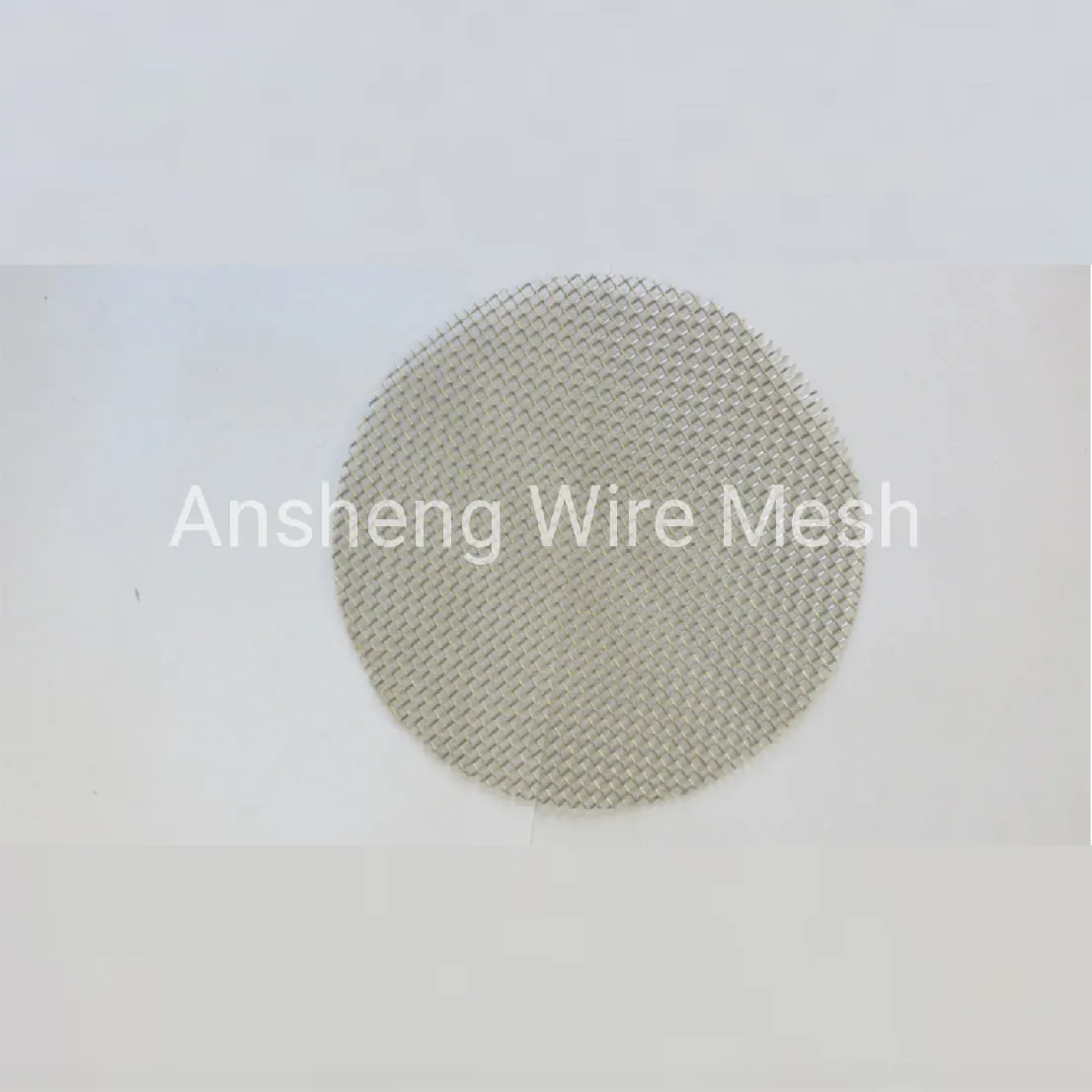
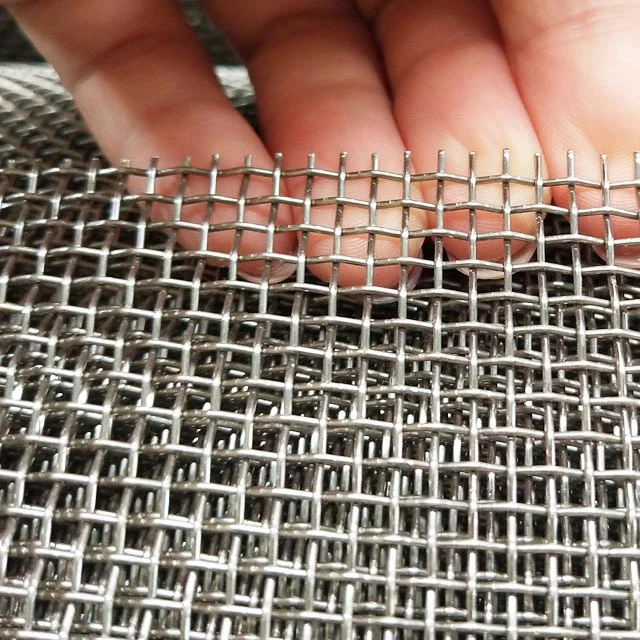
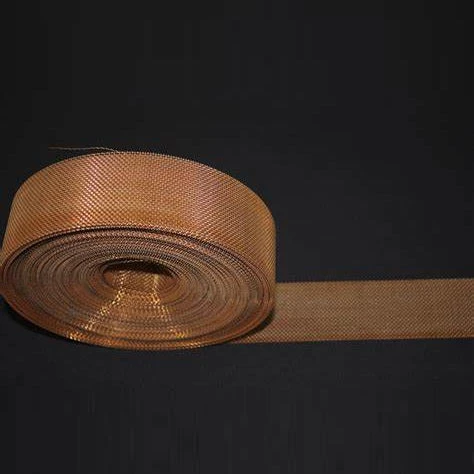
Simply put, these are woven or welded grids made from thin metal wires arranged in a crisscross pattern. This construction creates a sturdy barrier capable of filtering, separating, or protecting. The wires often come in stainless steel, galvanized steel, or sometimes even brass or aluminum, depending on the use case.
Beyond just “screening,” these meshes contribute to robust industrial processes and humanitarian needs alike. For instance, in refugee camps, metal wire mesh screens are used in modular shelters and sanitation systems to ensure hygiene and safety with minimal resource consumption.
What Makes a Quality Metal Wire Mesh Screen? Key Factors
Durability – Standing the Test of Time
These screens often work in harsh conditions—corrosive environments, heavy mechanical stress, or extreme temperatures. The use of corrosion-resistant materials like stainless steel increases lifespan. In fact, many engineers say you can expect 10+ years from a good quality screen in industrial applications.
Scalability – From Small Filters to Giant Barriers
The flexibility in size and wire gauge means metal wire mesh screen solutions scale from tiny microfilters in medical equipment to massive fencing panels protecting industrial sites. Oddly enough, the same basic design principles apply regardless of scale.
Cost Efficiency – Balance Between Price and Performance
Due to the simplicity of its materials and manufacturing, metal wire mesh screen tends to be quite affordable compared to other specialized filtration or safety components. Also, lower maintenance needs cut costs over time.
Customization Options – Tailoring to Every Need
The mesh dimension, wire thickness, and metal type can all be customized, making these screens versatile tools across industries. For example, the agricultural sector often demands less dense, lighter screens, while heavy industry requires dense, thick-wire models.
Environmental Sustainability – Recyclability and Reusability
Since many meshes are made from recyclable metals, discarded screens can often be recycled efficiently, contributing to circular economy initiatives. Plus, their durability means fewer replacements, less waste.
Mini takeaway:
All this means metal wire mesh screens are far more than just grids of metal. They’re adaptable mini powerhouses aiding everything from water safety to industrial shielding.
Real-World Applications: Where Metal Wire Mesh Screens Actually Save the Day
Let’s bring this home with examples. In post-disaster relief operations, quick-deploy sanitation units use metal wire mesh screens to filter debris and ensure safe water access. In remote industrial zones—say, mining operations in Australia—they protect critical machinery by keeping out dust and particles.
Regions like Southeast Asia rely heavily on metal wire mesh screens in aquaculture and agriculture, where screens maintain clean water channels and crop protections against pests. International NGOs incorporate these screens within modular shelter designs, enhancing safety and hygiene under tough conditions.
| Specification | Typical Range | Notes |
|---|---|---|
| Material | Stainless Steel, Galvanized Steel, Aluminum | Depends on application needs |
| Wire Diameter | 0.1 mm to 3 mm | Thicker for heavy-duty use |
| Mesh Opening Size | 0.05 mm to 50 mm | Customizable based on filtering need |
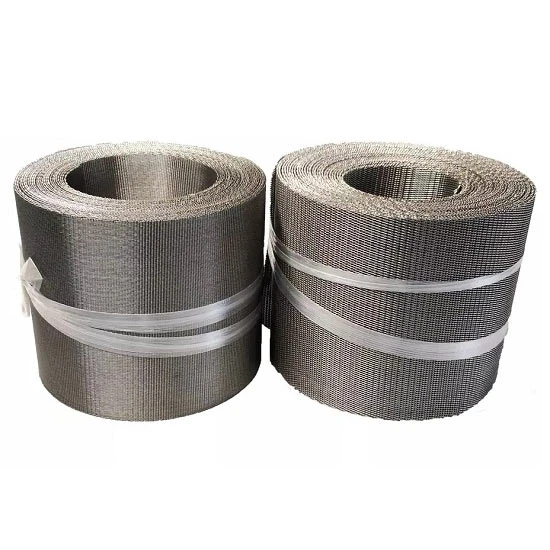
| Panel Size | Up to 2 m x 5 m | Modular and scalable |
| Finish | Galvanized, Powder Coated, Plain | For corrosion resistance or aesthetics |
Long-Term Benefits: Why Investing in Metal Wire Mesh Screens is Smart
- Reliability: Less downtime means trust in your filtration or protection system.
- Sustainability: Less replacement waste, and recyclable materials keep your ecological footprint low.
- Cost savings: The upfront affordability plus low maintenance equate to great ROI.
- Safety & dignity: Whether in industrial use or emergency housing, these screens safeguard people, supporting health and comfort.
It’s rare to find a product with such a strong emotional and pragmatic impact on end-users and operators alike. When the bolts are tightened and the dust settles, these tiny woven grids make a big difference.
Where the Future is Headed with Metal Wire Mesh Screens
The industry is moving toward smart materials—think embedded sensors within wire mesh to monitor structural integrity or contamination levels remotely. Green energy goals are inspiring screens made from recycled metals or coated with anti-microbial finishes to reduce chemical use.
Automation in production is also reducing costs and speeding up custom builds, so tailor-made mesh screens could be on your doorstep faster when you need them.
Facing Challenges – And How Industry Experts Are Solving Them
Of course, nothing’s perfect. Metal wire mesh screens can suffer from clogging, corrosion (if not properly treated), or sizing mismatches. Experts recommend rigorous material selection upfront, plus smart coating technologies to combat wear. Plus, modular designs are making on-site repairs and replacements much easier.
In a way, it’s a constant balance between engineering precision and real-world unpredictability—a puzzle many manufacturers are steadily improving on.
| Vendor | Materials Offered | Customization Level | Typical Lead Time | Notable Strength |
|---|---|---|---|---|
| Ansheng Filters | Stainless Steel, Galvanized Steel | High (wire size, mesh opening, finish) | 2-3 weeks | Strong quality control & consistent supply |
| MeshWorks Inc. | Aluminum, Brass, Stainless Steel | Medium | 3-4 weeks | Broad material variety |
| Global Wire Mesh Ltd. | Galvanized Steel, Stainless Steel | Low | 1-2 weeks | Fast delivery |
FAQ: Your Quick Guide to Metal Wire Mesh Screens
Q1: What makes metal wire mesh screens better than plastic alternatives?
A1: Metal wire mesh screens typically offer superior durability, heat resistance, and longevity compared to plastics. They withstand harsh environments without warping or degrading and are often recyclable, making them more eco-friendly over time.
Q2: Can I customize the mesh size for specific filtration needs?
A2: Absolutely. Most vendors offer a wide range of mesh opening sizes and wire thicknesses, allowing you to tailor the screen precisely to your filtration or protective requirements.
Q3: How resistant are metal wire mesh screens to corrosion?
A3: Corrosion resistance depends largely on the material and finishing. Stainless steel and galvanized coatings provide excellent protection, but for aggressive environments, additional treatments may be recommended.
Q4: Is installation complicated for industrial applications?
A4: Installation is generally straightforward, especially if modular panels are used. Many suppliers provide technical support to ensure proper fitting and maintenance.
Q5: Where can I source high-quality metal wire mesh screens internationally?
A5: Companies like Ansheng Filters specialize in exporting and customizing metal wire mesh screens globally, making international procurement easier.
Wrapping It Up: Why Metal Wire Mesh Screens Deserve Your Attention
In the end, metal wire mesh screens are unsung heroes bridging global industrial demands and humanitarian solutions. Their versatility, sustainability, and reliability make them a wise choice across sectors.
If you want the details, the custom sizing, or simply a trusted vendor with excellent service, research, and maybe a chat with a supplier like Ansheng Filters will show you just how far these grids extend beyond their humble beginnings.
Because sometimes the difference between disruption and smooth operation comes down to a well-chosen wire mesh screen.
References
Post time: Dec . 01, 2025 19:30