
Comprehensive Guide to 1 4 Inch Stainless Steel Mesh: Uses, Benefits & Vendors

Understanding the Role of 1 4 Inch Stainless Steel Mesh in Modern Industry

When you first hear "1 4 inch stainless steel mesh," it might sound pretty technical — perhaps like something tucked away inside a machine or a construction blueprint. But this specific stainless steel mesh size and type has quietly become a global staple, serving key roles in filtration, safety, infrastructure, and more. Why does it matter so much? Well, as cities grow, industries evolve, and environmental standards tighten, materials like 1 4 inch stainless steel mesh enable us to build safer, more sustainable systems that stand the test of time. Understanding its benefits and applications helps anyone navigating engineering, manufacturing, or even humanitarian logistics to make smarter choices.

Mini takeaway:

1 4 inch stainless steel mesh isn't just an industrial part — it’s a crucial player in global infrastructure and environmental solutions.


The Global Context: Why 1 4 Inch Stainless Steel Mesh Matters

Stainless steel mesh, particularly with a 1 4 inch aperture, forms part of a worldwide push toward higher quality materials that meet international safety, durability, and environmental standards. According to ISO, industries demand stainless steel products that resist corrosion, last decades, and comply with strict filtration and structural requirements. For instance, the global stainless steel market is forecasted to grow significantly—driven by sectors like oil & gas, construction, water treatment, and even food safety.

But the challenge remains: finding materials that offer durability without breaking the budget. Large-scale environmental regulations also push industries to use meshes that ensure cleaner air and water filtration, reducing pollution risks. Oddly enough, a seemingly simple mesh size like 1 4 inch has become a sweet spot between strength and versatility, solving problems from South Asia’s flood control barriers to European precision filtering systems.

Mini takeaway:

  • Worldwide efforts to improve infrastructure push demand for reliable stainless steel meshes.
  • 1 4 inch mesh strikes a practical balance between size and strength for many global uses.

What Is 1 4 Inch Stainless Steel Mesh? A Simple Explanation

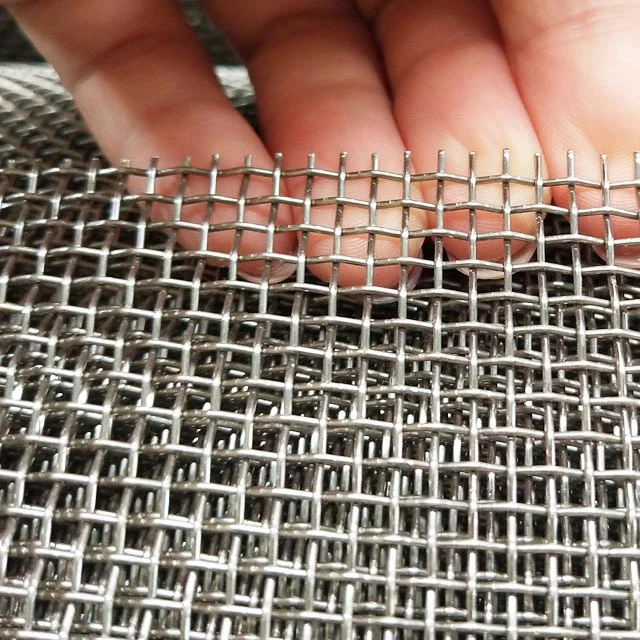
Put plainly, 1 4 inch stainless steel mesh is a grid-like sheet made from stainless steel wires woven or welded together, with each “opening” or mesh gap measuring roughly one-quarter of an inch across. Stainless steel, known for its resistance to rust and corrosion, gives the mesh durability even in harsh environments. The 1 4 inch measurement is common because it offers a good filter size — small enough to catch unwanted particles but large enough to allow fluid or air flow.

This type of mesh is instrumental in industries needing strong, corrosion-resistant filtering or protection. You’ll find it in everything from protective screens over fans to safety barriers in industrial plants. Its precision and strength often serve in humanitarian contexts too, such as constructing durable shelters or reinforcing fragile infrastructure.

Mini takeaway:

Simply put, this mesh is a tough, rust-proof, quarter-inch grid used globally for filtration and protection.


Key Characteristics of 1 4 Inch Stainless Steel Mesh

1. Durability & Corrosion Resistance

Many users I’ve chatted with swear by stainless steel’s ability to stand up to harsh chemicals, saltwater, and extreme weather — all without weakening or rusting quickly. The 1 4 inch mesh size naturally lends itself to high strength applications where the balance of rigidity and flexibility matters.

2. Scalability & Versatility

This mesh is flexible in use — it can be rolled out in huge sheets for walls or skirts, or cut and shaped precisely like a stencil. Manufacturers cater to industrial filtration, building facades, or protective cages all using the same size mesh.

3. Cost-effectiveness

Comparatively speaking, 1 4 inch stainless steel mesh offers a solid mix of performance and price. While pushing for smaller mesh openings usually means increased cost, 1 4 inch tends to hit that “sweet spot” for many filtration needs without driving expenses sky-high.

4. Safety and Compliance

Almost invariably, industries require products that meet strict safety codes. Stainless steel mesh with these specs often complies with OSHA (for workplace safety) or EU regulations for environmental containment — a big plus for engineering managers.

Mini takeaway:

  • Durability and corrosion resistance make it suitable for tough environments.
  • Versatile enough for everything from industrial filters to fencing and protection.
  • Strikes a practical cost-safety-performance balance.

Real-World Uses of 1 4 Inch Stainless Steel Mesh

Across continents, this mesh finds its place. In Southeast Asia, it helps build water filtration systems that provide clean drinking water to rural communities. In heavy manufacturing hubs like Germany or the U.S., 1 4 inch stainless steel mesh frequently forms protective guards around machinery, shielding workers without compromising visibility.

Humanitarian agencies have also embraced the mesh — for example, in creating light but sturdy shelter frameworks after disasters, where quick assembly and durability are paramount. In mining zones across South America, the mesh screens out debris while allowing airflow, preventing equipment clogs.

Tip: For specialized industrial uses, consider consulting suppliers offering custom mesh sizes or coatings to optimize performance for your application.

The Benefits and Long-Term Value of Using 1 4 Inch Stainless Steel Mesh

There’s a tangible peace of mind in knowing your materials have longevity and reliability baked in. Using 1 4 inch stainless steel mesh means fewer replacements, less maintenance, and lower lifetime costs. That’s a huge boon—not just to balance sheets but to sustainability efforts as well. Stainless steel is often recyclable, contributing to circular economy goals in many sectors.

From an emotional standpoint, deploying trusted, certified materials reassures workers, engineers, and communities. Whether it’s guarding a clean water supply or securing a building site, this kind of mesh supports safety and dignity — important intangible benefits in the long run.

Mini takeaway:

  • Durability reduces long-term costs and waste.
  • Recyclability supports sustainability goals.
  • Creates safer, trusted environments for people and processes.

Looking Forward: Trends and Innovations in Stainless Steel Mesh

The future of stainless steel mesh is surprisingly dynamic. New fabrication technologies are enabling digital precision cuts and hybrid materials that make meshes lighter but stronger. Companies are experimenting with nano coatings to boost corrosion resistance further — a promising trend for offshore or marine applications.

Green manufacturing is also on the rise, with smarter recycling programs and energy-efficient production lines coming online. And oddly enough, with increased automation and IoT integration in factories, mesh components are being embedded with sensors to monitor wear and tear in real time.


Challenges in Deployment and How Experts Are Addressing Them

Of course, nothing is without hiccups. Sometimes, the rigidity of stainless steel meshes like 1 4 inch can complicate installation in tight or unusually shaped spaces. The cost, while reasonable, can be a pinch point for small operations on tight budgets. Also, improper selection or installation leads to premature corrosion or mechanical failure.

Innovators have addressed these problems through modular designs and pre-assembled panels to speed installation. Also, technical consultation services ensure the right mesh grade matches environment specifics — so you don’t overbuy or underperform.


Quick FAQ About 1 4 Inch Stainless Steel Mesh

Is 1 4 inch stainless steel mesh suitable for outdoor construction?
Yes, its corrosion resistance and strength make it ideal for outdoor use, especially in harsh weather and industrial settings.
Can this mesh be customized for unique industrial filtration needs?
Absolutely. Many vendors offer different weave patterns, wire gauges, and coatings tailored for specific filtration thresholds or durability requirements.
How does this mesh compare to plastic or aluminum meshes?
Stainless steel offers superior durability, heat resistance, and longevity, although usually at a slightly higher cost than plastics or aluminum.
What maintenance does 1 4 inch stainless steel mesh require?
Regular cleaning and inspections help prevent build-up or unexpected damage, but its stainless steel makeup means minimal maintenance compared to other metals.
Where can I source high-quality 1 4 inch stainless steel mesh?
Reliable manufacturers such as those found at 1 4 inch stainless steel mesh provide certified, tested products with custom options available.

Product Specification Table

Specification Value Notes
Mesh Opening 0.25 inch (6.35 mm) Standard aperture for filtration & protection
Wire Diameter 0.018 - 0.035 inch (0.46 - 0.89 mm) Varies by grade & weave type
Material Grade 304, 316 Stainless Steel Common corrosion-resistant alloys
Finish Mill, Electro-polished Depending on application needs
Max Width (standard rolls) 60 inches (1524 mm) Sizes available up to custom orders

Vendor Comparison Summary

Vendor Product Variety Customization Pricing Delivery Speed
Ansheng Filter Screen (website) Wide (multiple mesh sizes and grades) Highly flexible custom orders Competitive Standard 7-14 days
Global Mesh Co. Moderate (standard sizes only) Limited customization Mid-range 10-20 days
SteelMesh Industries Limited Custom orders incur premium Higher-end 7-21 days

Wrapping Up: Why 1 4 Inch Stainless Steel Mesh Is a Smart Investment

In real terms, choosing 1 4 inch stainless steel mesh is about balancing durability, functionality, and cost without cutting corners on safety or sustainability. Industries spanning water treatment, manufacturing, construction, and even disaster relief rely on it as one of their silent but essential heroes. If you want a product that combines longevity with versatility—and with a global track record—this mesh size and type deserve your attention.

Ready to explore options or place an order? Head over to 1 4 inch stainless steel mesh to see what’s available and get expert advice tailored to your project.


Post time: Dec . 01, 2025 20:10
Related News
  • Discover precision engineering and durable solutions with Wire Mesh Discs from Anping County Ansheng. Combining cost-effective customization with advanced CNC machining, our discs ensure industrial excellence. Explore now: https://www.anshengfilterscreen.com/single-layer.html

  • Plain weave is one of the most basic and fundamental fabric weaves. Its simplicity doesn’t equate to limited use; on the contrary, it's incredibly versatile and found in countless applications. This article will explore the characteristics of plain weave, its advantages, and, most importantly, what is plain weave used for across various industries. Understanding this weave is crucial for anyone involved in textiles, filtration, or composite materials. It's a cornerstone of many modern manufacturing processes. The plain weave is characterized by its simple over-under pattern. Each weft yarn (horizontal) alternates crossing over and under each warp yarn (vertical). This creates a distinct checkerboard-like appearance. This seemingly simple structure gives the fabric excellent stability and a balanced texture. The density of the weave – the number of warp and weft yarns per inch – directly affects the fabric’s properties, such as its strength, permeability, and drape. It’s a remarkably efficient weave, making it cost-effective for large-scale production. The versatility of plain weave makes it a go-to choice in numerous industries. Here's a breakdown of some key applications: Apparel Fabrics: Cotton, linen, and polyester plain weaves are used extensively in clothing – think shirts, blouses, bedsheets, and linings. Filtration: Plain weave fabrics are a fundamental component of many filter screens, used for separating solids from liquids or gases.

  • Dutch wire mesh, renowned for its precision and versatility, is a crucial material across various industries, from filtration and screening to architectural applications. This article delves into the specifics of Dutch wire mesh, its properties, applications, and why Ansheng Filter Screen is a leading provider of high-quality Dutch wire mesh solutions. Whether you are in need of precise filtration, robust screening, or specialized weaving, understanding the nuances of this material is key to making informed decisions. Let's explore the world of Dutch wire mesh and uncover its many benefits. Dutch wire mesh isn’t a specific weave style but rather a term signifying a precise method of weaving wire, primarily focusing on achieving extremely consistent aperture sizes. It’s characterized by its tightly controlled weave and uniform openings, making it ideal for applications where precise filtration or screening is critical. Typically made from stainless steel (304, 316L, and others), the mesh is known for its durability, corrosion resistance, and ability to withstand high temperatures. The process involves weaving wires in both warp and weft directions, creating a stable and dimensionally accurate fabric.

  • Dutch weave is a versatile type of woven wire mesh known for its unique structure and diverse applications. It's characterized by alternating plain and twill weaves, resulting in a fabric with excellent strength, flexibility, and permeability. This makes it ideal for a range of uses in industries like filtration, screening, and reinforcement. Ansheng Filter Screen specializes in high-quality dutch weave mesh, catering to diverse industrial needs. Understanding the properties and applications of dutch weave is key to maximizing its benefits in various sectors. Dutch weave isn’t a single weave pattern but a combination. It’s created by alternately weaving plain and twill patterns. The twill weave creates a diagonal rib pattern which impacts the mesh’s properties. This unique construction results in a mesh that is more open in one direction than the other, providing excellent flow characteristics. This makes it superior for applications needing high permeability while maintaining good structural integrity.

  • Protecting crops, buildings, and infrastructure from bird damage is a significant concern for many industries. Galvanised bird mesh provides a robust and effective solution. This article will explore the benefits, applications, and key considerations when choosing galvanised bird mesh, offering a detailed overview for those seeking reliable bird control. From agricultural protection to industrial applications, we will cover everything you need to know about this versatile product. Galvanised bird mesh is a woven wire netting coated with a layer of zinc. This galvanisation process provides excellent corrosion resistance, making it suitable for outdoor applications and harsh environments. The mesh is typically made from steel wire, offering strength and durability. Different mesh sizes are available to cater to various bird species and protection needs.

  • When selecting materials for industrial filtration, construction, or agricultural applications, galvanized steel mesh screen stands out as a durable and cost-effective solution. This article will provide a detailed overview of galvanized steel mesh screen, covering its properties, applications, benefits, and important considerations when making a purchase. Understanding its characteristics can help you determine if it’s the ideal material for your specific needs. We will delve into the nuances of this versatile material and how Ansheng Filter Screen provides quality products. Galvanized steel mesh screen is a woven wire mesh manufactured from steel that has been coated with a layer of zinc. This zinc coating acts as a protective barrier against corrosion and rust, significantly extending the lifespan of the steel. The galvanization process can be hot-dip galvanizing or electro-galvanizing, each offering different levels of protection and cost. The mesh is typically available in various weave patterns, such as plain weave, twill weave, and dutch weave, each suited for different filtration and screening needs.

  • Galvanized netting is a versatile and cost-effective solution for a wide range of applications, from agricultural fencing to industrial safety barriers. Its durability and resistance to corrosion make it a popular choice across numerous industries. This article will delve into the properties of galvanized netting, exploring its benefits, common uses, different types available, and how to select the best netting for your specific needs. Understanding the nuances of galvanized netting will ensure you make an informed decision and maximize its lifespan and effectiveness. Galvanized netting is woven from steel wire that has been coated with a layer of zinc through a process called galvanization. This zinc coating acts as a barrier against corrosion, protecting the steel from rust and environmental damage. There are two primary galvanization methods: hot-dip galvanizing and electro-galvanizing. Hot-dip galvanizing involves immersing the steel wire in a bath of molten zinc, creating a thick and durable coating. Electro-galvanizing uses an electric current to deposit a thinner layer of zinc onto the wire.

  • Dutch weave mesh is a versatile and durable material used in a wide range of industrial and filtration applications. Known for its unique weaving pattern, it provides excellent strength and permeability. This article will explore the characteristics, applications, benefits, and considerations when choosing Dutch weave mesh, providing a thorough understanding for professionals and buyers. Understanding its properties is vital to selecting the right mesh for your needs. Dutch weave mesh is created by weaving two sets of wires – one heavier warp wire and one finer shute wire – in a specific pattern. This construction results in a mesh with larger openings in one direction and smaller openings in the other. The heavier warp wires provide strength and dimensional stability, while the finer shute wires create a greater open area for improved flow rates. This unique structure differentiates it from plain weave or twill weave meshes, making it ideal for applications requiring both filtration and structural integrity.

WE PROVIDE HIGH QUALITYEQUIPMENT
Recommend Products
  • Stainless Steel Plain Weave Wire Mesh

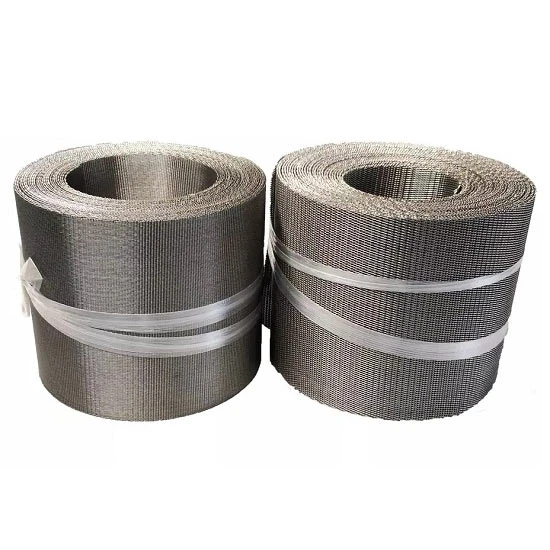
    Stainless steel plain weave wire mesh, also known as Stainless steel wire cloth, stainless steel screen, stainless steel gauze. Materials: Stainless steel 201, 304, 316, 316L, etc. Plain weave scope of Mesh : 1mesh-635mesh Plain weave scope of wire diameter: 1mm-0.001mm Plain weave scope of width: usually 0.915m-2meters, and special specifications can be customized according to customer requirements. Plain weave scope of length: generally 30 meters. Stainless steel wire mesh weave type: plain weave, twill weave, herringbone weave, dutch weave, reserve dutch weave

  • Stainless Steel Reverse Dutch Weave Wire Mesh

    Stainless steel reserve dutch weave wire mesh, also known as Stainless steel wire cloth, stainless steel screen, stainless steel gauze. Materials: Stainless steel 201, 304, 316, 316L, etc. Reserve dutch weave scope of Mesh : 72x15mesh-260x40mesh Reserve dutch weave scope of wire diameter: 0.55mm-0.15mm Reserve dutch weave scope of width: usually 60mm-300mm, and special specifications can be customized according to customer requirements. Reserve dutch weave scope of length: generally 10 meters, 20 meters, 30meters. Stainless steel wire mesh weave type: plain weave, twill weave, herringbone weave, dutch weave, reserve dutch weave

  • Iron Dutch Weave Wire Mesh

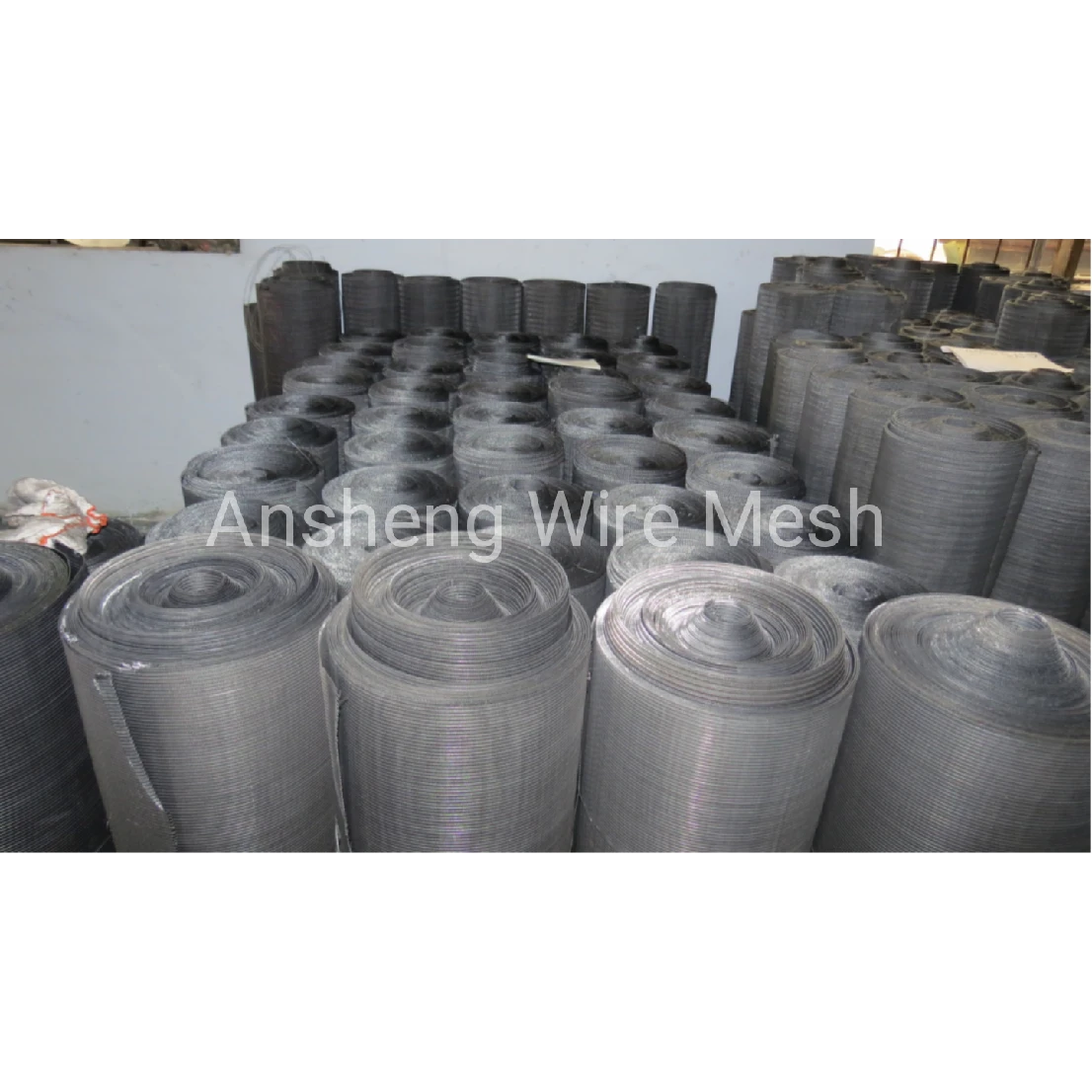
    Low-carbon steel dutch weave wire mesh, also known as iron wire filter mesh, black wire cloth. Materials: Low-carbon steel Scope of Mesh : 7x55mesh-40x200mesh Scope of wire diameter: 0.14mm-0.75mm Scope of width: usually 0.915m-1.3meters, and special specifications can be customized according to customer requirements. Scope of length: generally 30 meters. Weave: plain weave, herringbone weave, dutch weave

  • Phosphor Copper Wire Mesh

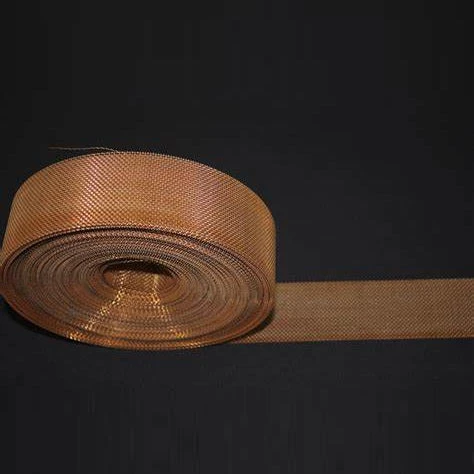
    Phosphor copper wire mesh, also known as copper wire mesh. Materials: QSn6.5-0.1,QSn6.5-0.4 Property: Non-magnetic, wear resistant, good ductility Scope of Mesh : 2-300mesh Scope of wire diameter: 0.08mm-0.8mm Scope of width: usually 1m-1.5meters, and special specifications can be customized according to customer requirements. Scope of length: generally 30 meters. Weave: plain weave, twill weave

tel email tel top

If you are interested in our products, you can choose to leave your information here, and we will be in touch with you shortly.