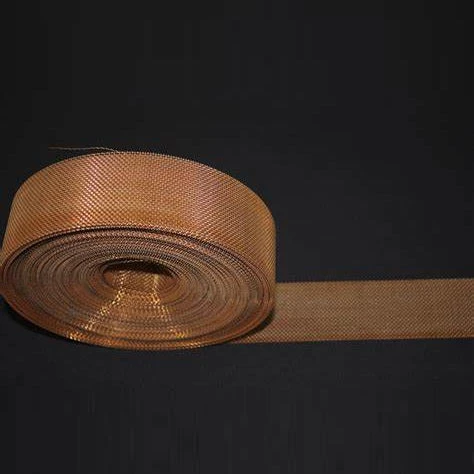

Understanding Herringbone Mesh: A Technical Deep Dive into Advanced Filtration and Separation
In the demanding landscapes of industrial filtration and separation, the choice of weave pattern significantly impacts performance, efficiency, and longevity. Among the myriad of available options, the herringbone mesh stands out as a highly specialized and robust solution. This unique weave, characterized by its distinctive chevron pattern, offers unparalleled advantages in applications requiring superior particle retention, high flow rates, and exceptional mechanical strength. Unlike plain or twill weaves, the herringbone pattern creates a tortuous path for fluid flow while maintaining precise pore sizes, making it ideal for critical processes where consistent filtration is paramount. Its inherent structural stability minimizes deformation under pressure, ensuring sustained performance even in harsh operating conditions. The dense, interlocking nature of its wires provides a greater effective filtration area per unit of physical space, enhancing throughput without compromising separation accuracy. Furthermore, the self-cleaning properties of its angled threads can significantly reduce downtime and maintenance costs, presenting a compelling value proposition for B2B decision-makers seeking to optimize their operational efficiencies. As industries push the boundaries of process efficiency and environmental compliance, understanding the technical nuances and strategic deployment of advanced materials like herringbone weave becomes indispensable. This section explores the fundamental characteristics and broad applicability of this sophisticated wire mesh within various industrial contexts.
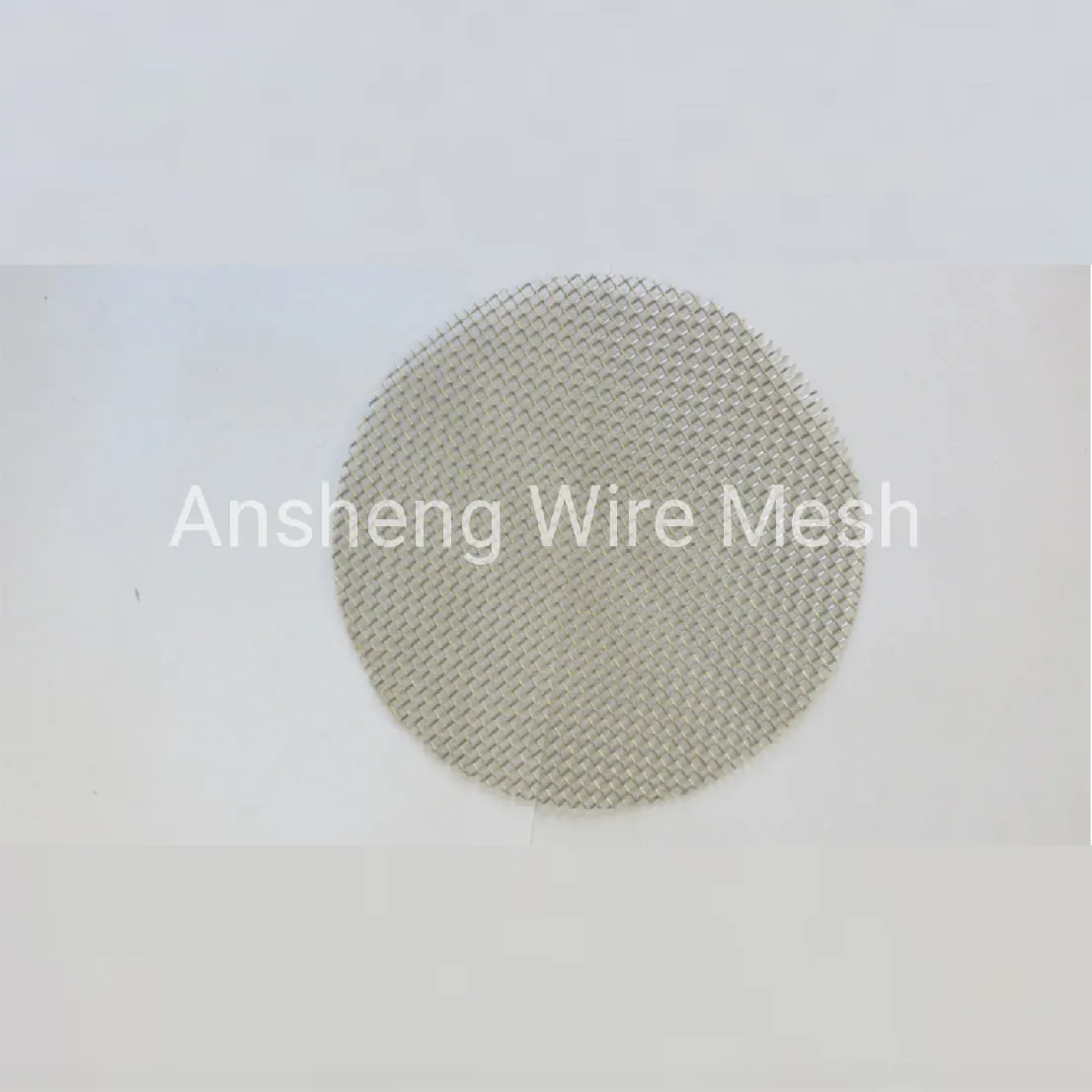
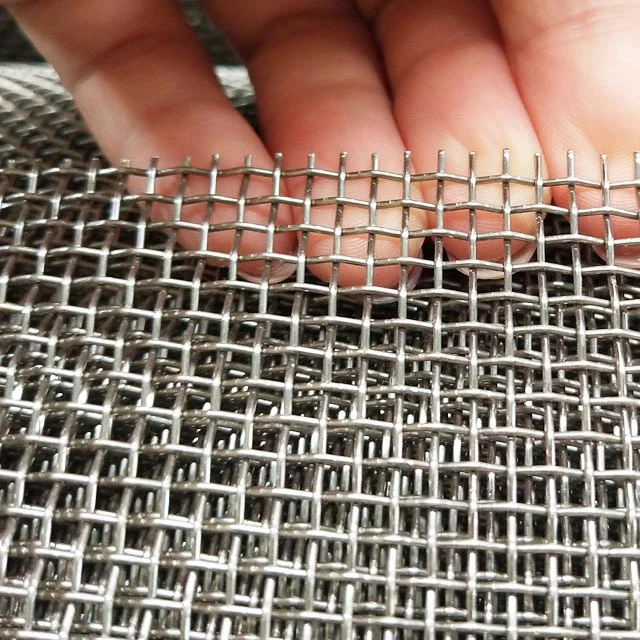
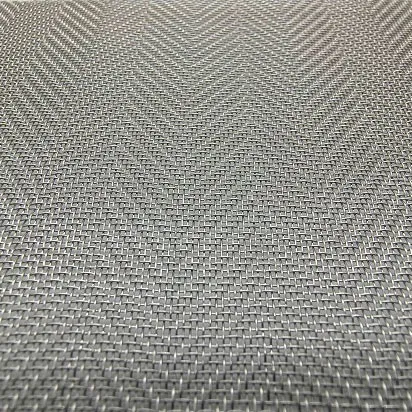
Delving deeper, understanding what is herringbone weave requires an appreciation of its intricate construction and the engineering principles behind its superior performance. This weaving technique involves interweaving warp and weft wires in a specific diagonal pattern, where the direction of the diagonal reverses at regular intervals, creating the characteristic "V" shape reminiscent of a herringbone pattern. This distinctive structure is not merely aesthetic; it confers enhanced stability and strength, allowing the mesh to resist deformation and maintain consistent pore openings under challenging operational pressures. The result is a filter medium that combines the high flow rates typically associated with coarser weaves with the fine filtration capabilities of denser media. The Stainless Steel Herringbone Weave Wire Mesh, a prime example of this advanced technology, leverages the inherent corrosion resistance, high temperature tolerance, and mechanical robustness of stainless steel alloys such as SS304, SS316, and SS316L. This material synergy further enhances its suitability for diverse and aggressive industrial environments, including severe chemical processing, demanding oil and gas applications, high-purity pharmaceutical manufacturing, and critical water treatment systems. The meticulous engineering behind each mesh panel ensures uniform pore distribution and structural integrity, which is critical for achieving consistent separation performance, preventing costly process contamination, and extending the lifespan of valuable downstream equipment. Industry trends consistently indicate a growing demand for high-performance filtration media that can withstand aggressive chemicals, extreme temperatures, and high-pressure differentials, all while delivering precise separation results. The herringbone mesh perfectly aligns with these evolving requirements, offering a resilient and high-performing filtration solution that contributes significantly to improved operational safety, reduced environmental impact, and superior product quality, making it a cornerstone technology for modern industrial applications across various sectors.
The Manufacturing Process and Technical Specifications of Stainless Steel Herringbone Weave Wire Mesh
The production of high-quality herringbone mesh is a sophisticated process demanding precision engineering, advanced manufacturing technologies, and stringent quality control. It typically begins with the careful selection of premium-grade raw materials, predominantly Stainless Steel (SS304, SS316, SS316L, or other specialty alloys like Hastelloy or Inconel, depending on application requirements), chosen for their exceptional corrosion resistance, superior mechanical strength, and excellent thermal stability. Once selected, these high-purity wires are meticulously spooled onto advanced weaving looms. Unlike conventional plain or twill weaving methods, the creation of herringbone mesh requires specialized loom configurations and programming that enable the precise reversal of the diagonal weave pattern, ensuring the accurate formation of the distinctive chevron structure. This intricate weaving process is often highly automated, employing Computer Numerical Control (CNC) machinery to maintain exceptional uniformity across large mesh sheets and rolls, which is absolutely crucial for achieving consistent and reliable filtration performance in industrial settings. Post-weaving, the mesh undergoes a series of critical finishing operations. This includes annealing, a heat treatment process designed to relieve internal stresses induced during weaving and enhance the ductility and overall mechanical properties of the wire mesh. Following annealing, the mesh undergoes rigorous cleaning to remove any processing residues, lubricants, or surface contaminants, ensuring the final product meets the highest standards for cleanliness, especially critical for applications in the food and beverage or pharmaceutical industries. The final stages involve precise cutting to customer specifications, often incorporating advanced laser cutting or shearing techniques, and comprehensive inspection to verify adherence to design parameters and quality standards.
Quality assurance is an integral and continuous process throughout the entire manufacturing journey for Stainless Steel Herringbone Weave Wire Mesh, underscoring our commitment to product excellence. Each batch undergoes comprehensive testing protocols, adhering strictly to internationally recognized standards such as ISO 9001 for quality management systems and ANSI/AWWA standards where applicable for water filtration components, ensuring global compatibility and reliability. Specific product testing methodologies include detailed visual inspection for any surface defects, precise measurement of wire diameter and mesh count, microscopic analysis to verify pore size distribution and weave consistency, and comprehensive tensile strength tests to ascertain the mechanical integrity and robustness of the mesh. Furthermore, burst pressure tests and flow rate evaluations are meticulously performed to confirm that the mesh will deliver optimal performance under expected operational conditions. This meticulous attention to detail ensures that the final product not only meets but frequently exceeds stringent industry benchmarks for reliability, durability, and filtration efficiency. The typical service life of such mesh, particularly when fabricated from SS316L, can extend significantly, often exceeding 5-10 years even in highly corrosive environments and under continuous operation, thereby significantly reducing the total cost of ownership over the product's lifespan. The applicable industries benefitting most from this robust weave include the petrochemical sector for demanding crude oil and gas separation, the metallurgy industry for efficient slag removal and particulate control, and municipal water treatment plants for fine particle filtration and pre-treatment processes where consistent quality is paramount. The inherent strength and precisely controlled opening of herringbone mesh contribute directly to energy savings by minimizing pressure drops across filters and enhance corrosion resistance, ensuring long-term operational efficiency and system integrity in even the most challenging industrial environments.
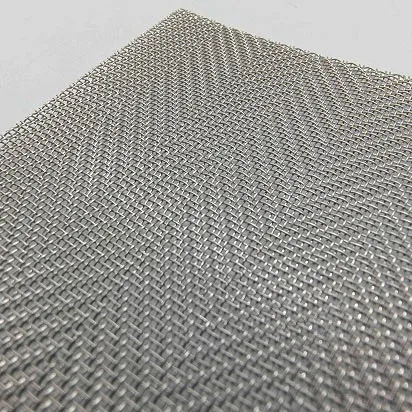
Typical Herringbone Mesh Technical Specifications
| Parameter | Typical Range/Value | Description |
|---|---|---|
| Material Grade | SS304, SS316, SS316L | Most common stainless steels for excellent corrosion resistance and mechanical properties. |
| Mesh Count (per inch) | 8 to 200 Mesh | Number of wires per linear inch, indicating the fineness of the weave. |
| Wire Diameter | 0.05mm - 0.5mm (0.002" - 0.02") | Diameter of individual warp and weft wires, influencing strength and open area. |
| Pore Size (Nominal) | 75 to 2500 microns | The effective opening size for filtration, critical for particle retention. |
| Weave Type | Herringbone Diagonal Pattern | Characterized by its unique reversing diagonal pattern, providing enhanced stability. |
| Open Area | Typically 25% - 50% | Percentage of total surface area that is open, directly impacting flow rate. |
| Tensile Strength | 500-700 MPa (for SS316L) | Resistance to breaking under tensile stress, indicating material robustness. |
| Temperature Range | Up to 800°C (for SS316L) | Suitable operating temperature range, crucial for high-temperature applications. |
Key Advantages and Diverse Application Scenarios of Herringbone Mesh
The distinctive structural integrity and unique filtration characteristics of herringbone mesh confer a multitude of technical advantages over conventional wire mesh designs, rendering it indispensable in highly demanding industrial applications where reliability and precision are paramount. One of its primary benefits lies in its exceptional strength-to-weight ratio and inherent lateral stability, which allows it to withstand significantly higher differential pressures without experiencing deformation or structural failure. This inherent robustness directly translates into extended operational cycles and substantially reduced maintenance requirements, directly impacting the total cost of ownership for industrial filtration systems by minimizing downtime and the need for frequent replacements. Furthermore, the precise and uniform pore distribution, combined with the unique tortuous diagonal flow path created by the weave, enables superior particle retention efficiency, which is absolutely crucial for processes requiring ultra-fine filtration and the protection of sensitive downstream equipment from abrasive particulates. The improved flow dynamics facilitated by the herringbone mesh pattern often results in significantly lower pressure drops across the filter media, contributing directly to substantial energy savings for pumps and compressors by reducing the power required to move fluids through the system, thereby improving the overall energy efficiency of the entire process.
Beyond its mechanical and hydraulic benefits, the Stainless Steel Herringbone Weave Wire Mesh excels in its unparalleled resistance to corrosion and chemical degradation, particularly when fabricated from advanced grades like SS316L. This resilience is paramount in industries handling aggressive chemicals, strong acids, or highly corrosive saline solutions, where conventional materials would rapidly succumb to degradation, leading to costly failures and extensive downtime. The smooth surface finish and the unique weave geometry inherently reduce the propensity for particle entrapment, which contributes significantly to its superior self-cleaning capabilities, simplifying backwashing procedures and considerably prolonging the operational life of the filter element. In terms of diverse application scenarios, herringbone mesh finds extensive and critical use across various industrial sectors. In the oil and gas industry, it is widely deployed for sand control, as a highly efficient catalyst support, and for the precise separation of crude oil from produced water. In chemical processing, it is an indispensable component in reactor baskets, dryer screens, and for the ultra-fine filtration of corrosive liquids. The stringent requirements of the pharmaceutical and food and beverage sectors leverage its precise filtration capabilities and hygienic properties for product clarification, sterile processing, and impurity removal. In municipal and industrial water treatment, it serves as an advanced pre-filter, effectively protecting sensitive membrane systems from fouling and ensuring the output of consistently clean water. Its exceptional adaptability also extends to mineral processing for efficient dewatering operations, and in the automotive and aerospace industries for critical fluid power filtration, showcasing its versatility across a broad spectrum of critical industrial operations where precision, durability, and unwavering reliability are non-negotiable performance attributes.
Custom Solutions, Manufacturer Comparison, and Trustworthiness Factors
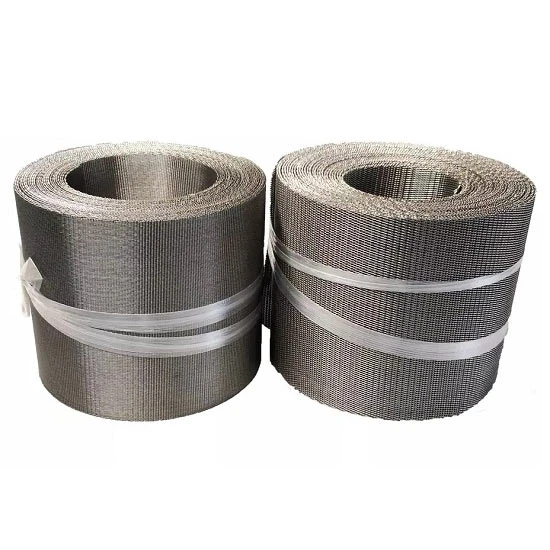
Selecting the right supplier for herringbone mesh is a critical strategic decision that extends far beyond mere product specifications, encompassing crucial factors such as a manufacturer's expertise, proven experience, and inherent reliability. Reputable manufacturers distinguish themselves through their comprehensive understanding of client-specific operational needs and their robust capability to offer bespoke solutions tailored to unique industrial applications. Customization in Stainless Steel Herringbone Weave Wire Mesh involves meticulously tailoring parameters such as precise mesh count, specific wire diameter, optimal material grade (e.g., SS304 vs. SS316L selected for particular corrosive environments or high-temperature applications), precise dimensions (whether supplied in rolls, sheets, or intricately fabricated components like cylinders, discs, or conical filters), and even specialized edge treatments or seamless frame integration to meet exact client specifications. A manufacturer's ability to provide extensive and proactive technical support, ranging from initial design consultation and material selection guidance to meticulous installation advice and dedicated post-sale assistance, is a key indicator of their unwavering commitment to maximizing customer success and ensuring long-term product performance. This comprehensive support typically includes detailed performance predictions based on specific process parameters, thorough material compatibility analysis to prevent premature degradation, and precise optimization of weave specifications to achieve desired flow rates and critical particle retention efficiencies. Industry leaders in this field often boast decades of accumulated experience in advanced wire mesh fabrication, holding critical certifications like ISO 9001:2015 for quality management systems, and consistently demonstrating strict adherence to international ASTM or DIN standards throughout their meticulous manufacturing processes.
When conducting a comparative analysis of manufacturers for herringbone mesh, several key factors collectively contribute to a supplier's overall trustworthiness and industry authority. It is essential to look for companies with established and verifiable service records, often evidenced by compelling testimonials from long-term clients operating in demanding industries such as petrochemical, pharmaceutical, or aerospace, which signify consistent product quality and reliable service. Transparency in their manufacturing processes, including the rigorous sourcing of raw materials from certified suppliers and the implementation of robust internal quality control protocols at every stage of production, fundamentally builds confidence. For instance, a vendor capable of consistently providing comprehensive Mill Test Certificates (MTCs) for all stainless steel raw materials offers an extra layer of verifiable assurance regarding material authenticity, chemical composition, and mechanical quality, a critical requirement for many regulated industries. Furthermore, consider their proven capacity for rapid prototyping of custom solutions and their commitment to efficient and reliable delivery cycles, which are often crucial for projects with tight deadlines and critical operational schedules. A typical delivery timeframe for standard herringbone mesh sheets might be 2-4 weeks, while more complex, custom-fabricated components could range from 4-8 weeks or more, depending on intricate design and manufacturing complexity. Robust quality assurance processes, including 100% visual inspection, rigorous dimensional checks, and batch-specific performance testing, are non-negotiable indicators of a committed supplier. Leading suppliers also provide comprehensive product warranties, typically ranging from 1 to 5 years against manufacturing defects and material failures, unequivocally underscoring their profound confidence in the product's durability and long-term reliability. Exceptional customer support, readily available through multiple communication channels and staffed by highly trained technical experts, ensures that any operational challenges or technical questions can be addressed promptly and effectively, fostering enduring partnerships built on mutual trust, shared success, and continuous support.
Comparative Analysis: Herringbone Mesh vs. Other Weaves
| Feature | Herringbone Mesh | Plain Weave | Twilled Weave |
|---|---|---|---|
| Strength & Stability | Excellent (High lateral stability, minimal deformation under pressure, robust structure) | Good (Basic, prone to deformation under higher pressures due to simple interweaving) | Very Good (Stronger than plain, allows for heavier wires, but less unique structural stability than herringbone) |
| Filtration Precision | Superior (Consistent and precise pore size, tortuous path for enhanced capture) | Good (Precise for larger particles, but less effective for ultra-fine separation) | Excellent (Finer filtration than plain, but can have larger effective openings due to less dense weave structure) |
| Flow Rate / Pressure Drop | Optimized (Balanced between high flow and superior precision, minimal pressure drop) | Highest (Least resistance, but limited fineness of filtration) | Moderate (Good balance of flow and filtration, but potentially higher pressure drop for similar precision) |
| Self-Cleaning Properties | Excellent (Angled threads and smooth surface significantly help prevent clogging) | Limited (Prone to blinding and particle entrapment) | Moderate (Better than plain, but not as efficient in preventing long-term blinding as herringbone) |
| Cost-Effectiveness | Higher initial investment, but significantly lower LCC (Longer lifespan, reduced maintenance, energy savings) | Lower initial investment (Basic, but often shorter lifespan and higher replacement frequency in harsh conditions) | Moderate initial cost (Good balance, but can still incur substantial long-term maintenance needs) |
| Typical Applications | High-pressure filtration, ultra-fine separation in Petrochem, Pharma, Water Treatment, Aerospace | General screening, ventilation, basic particulate filtration, support mesh | Heavy-duty filtration, industrial sieving, dewatering processes, catalyst retention |
Frequently Asked Questions (FAQ) about Herringbone Mesh
-
Q1: What exactly defines what is herringbone weave in a technical context, and how does it differ from other weaves?
A1: Technically, the herringbone mesh is a sophisticated variant of the twilled weave, distinguished by a unique pattern where the direction of the diagonal lines in the weave precisely reverses at regular intervals, creating a characteristic "V" or chevron shape. This reversal results in a distinct, highly robust structure that offers significantly enhanced stability, superior strength, and exceptionally precise pore distribution compared to standard plain or even conventional twilled weaves. The unique interlocking of warp and weft wires in this alternating diagonal pattern contributes to its exceptional performance under high differential pressures and provides superior particle retention efficiency, making it an ideal solution for the most demanding filtration and separation tasks where consistency and reliability are paramount. Unlike plain weave, which is a simple over-and-under pattern, or standard twill, which has continuous diagonal lines, herringbone's reversing pattern provides improved structural integrity and filtration characteristics.
-
Q2: How does herringbone mesh contribute to energy efficiency in complex industrial processes?
A2: The precisely engineered design of herringbone mesh consistently results in a remarkably lower pressure drop across the filter media for a given flow rate and desired filtration precision, compared to other weave types offering similar filtration capabilities. This inherent reduction in resistance means that pumps and compressors within the system require significantly less energy to move fluids through the filtration unit, leading to substantial and quantifiable energy savings over prolonged operational periods. Furthermore, its excellent self-cleaning properties and robust resistance to blinding effectively extend the operational lifespan of the filter element, reducing the frequency of costly filter changes and minimizing system downtime. This cumulative effect of reduced energy consumption and decreased maintenance requirements contributes significantly to the overall operational efficiency and substantial long-term cost reduction for industrial users, translating into compelling economic benefits and improved sustainability.
-
Q3: What are the primary material options for Stainless Steel Herringbone Weave Wire Mesh and why are they chosen?
A3: The primary material options for Stainless Steel Herringbone Weave Wire Mesh typically include high-quality Stainless Steel grades such as SS304, SS316, and SS316L. SS304 is often chosen as a general-purpose option, offering good corrosion resistance and mechanical strength for a wide range of standard industrial applications. SS316 provides enhanced corrosion resistance, particularly against chlorides and acids, making it an excellent choice for marine environments, saline solutions, and various chemical processing applications. SS316L, a low-carbon variant of SS316, is specifically preferred for applications involving welding, as its reduced carbon content minimizes carbide precipitation during the welding process, thereby effectively mitigating the risk of intergranular corrosion. These materials are meticulously selected for their superior resistance to oxidation, their ability to withstand high temperatures without compromising structural integrity, and their excellent compatibility with a wide array of corrosive chemicals, collectively ensuring the long-term integrity, reliability, and superior performance of the herringbone mesh in diverse and inherently challenging industrial conditions.
-
Q4: How does a reputable manufacturer ensure the quality and consistency of herringbone mesh products?
A4: Reputable manufacturers adhere to the most stringent quality control protocols throughout every stage of the production process to ensure the highest quality and consistency of their herringbone mesh. This comprehensive approach begins with sourcing only certified, high-grade raw materials, implementing advanced weaving techniques utilizing state-of-the-art precision machinery, and conducting multi-stage inspections. Key quality checks are meticulously performed and include microscopic examination for precise weave consistency and exact pore size accuracy, comprehensive tensile strength testing to verify mechanical robustness, burst pressure testing to simulate extreme operational conditions, and rigorous flow rate performance verification. Compliance with international quality management standards such as ISO 9001:2015 is absolutely crucial and serves as a testament to their commitment to excellence. Furthermore, the transparent provision of Material Test Certificates (MTCs) for raw materials and comprehensive product warranties on finished goods explicitly demonstrates a profound commitment to both product quality and overall trustworthiness, collectively ensuring that each batch of herringbone mesh consistently meets or exceeds specified performance criteria and the most demanding industry standards.
References
- ASTM E2016-11: Standard Test Method for Tensile Testing of Wire Mesh.
- ISO 9044:2016: Industrial Woven Wire Cloth - Technical Requirements and Testing.
- Perry's Chemical Engineers' Handbook, 9th Edition. McGraw-Hill Education, 2018.
- Svarovsky, L. Solid-Liquid Separation. Butterworth-Heinemann, 2000.
- Materials Science and Engineering: An Introduction. Callister, W. D., & Rethwisch, D. G. John Wiley & Sons, 2018.
Post time: Aug . 16, 2025 09:00