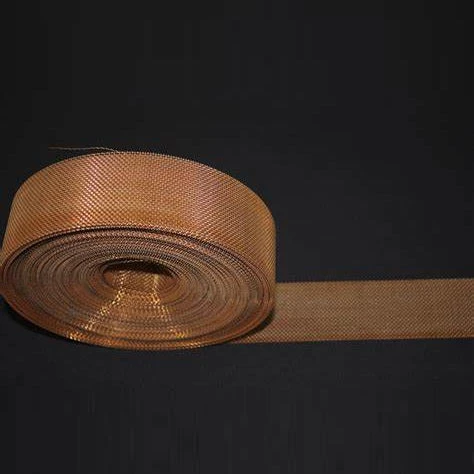

Why the 1/4 inch galvanized screen Still Matters in Industrial Equipment
I’ve been around industrial sites where the smallest parts make a big difference. Among those, the 1/4 inch galvanized screen somehow holds a special place. It’s a straightforward piece of hardware, but honestly, its impact shows when things get gritty — or dusty, or wet, or frankly challenging. If you’ve worked in filtration, screening, or even construction materials sorting, you understand what I mean.
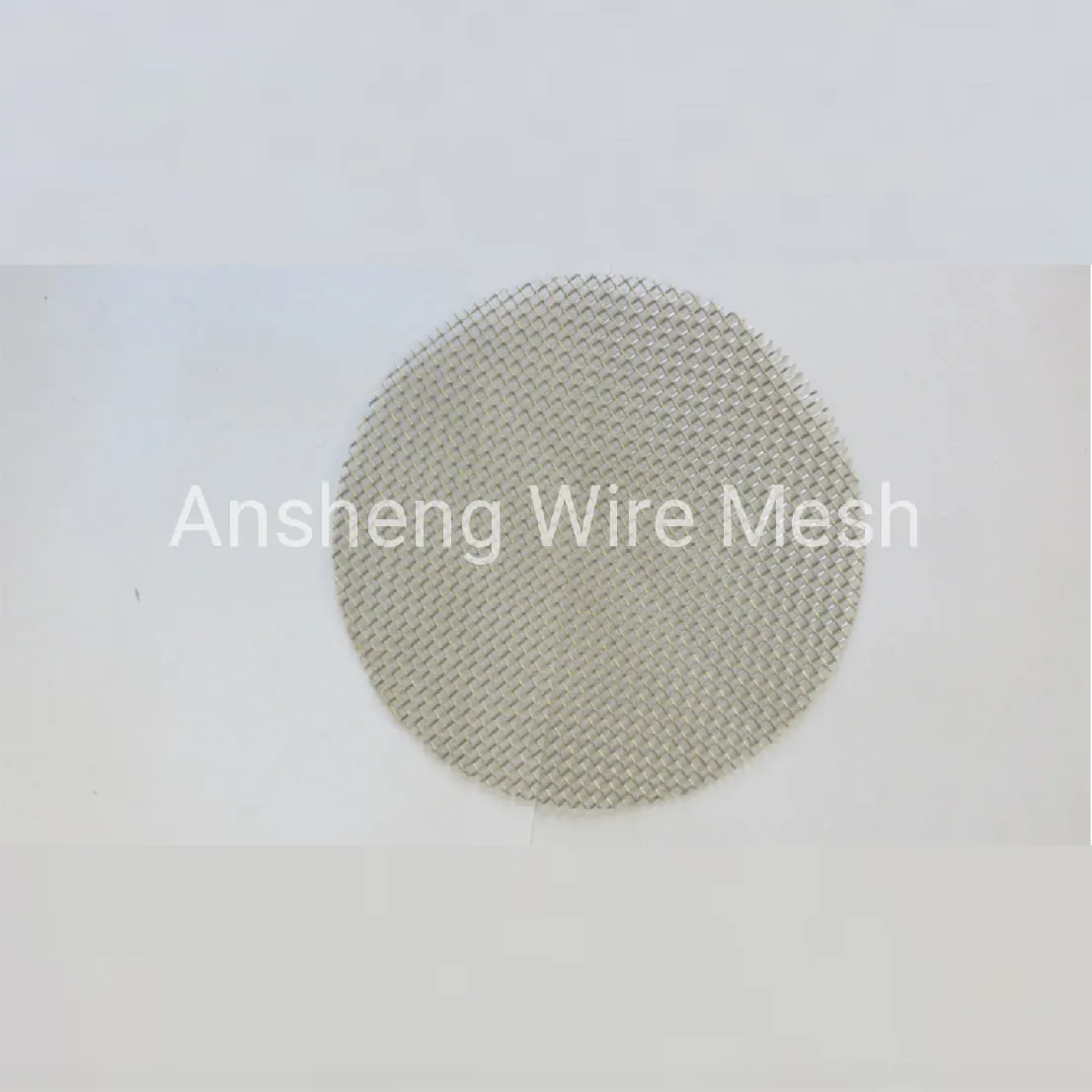
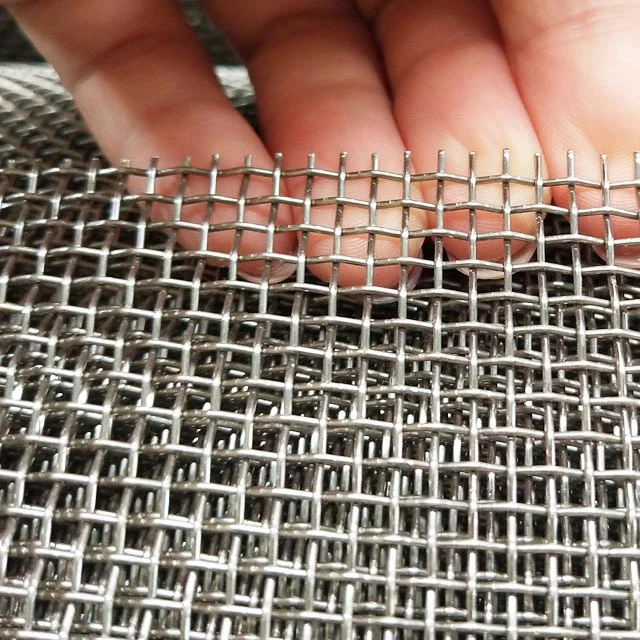
Now, galvanized screens aren’t new – their zinc coating protects steel from rust and wear, which is vital on job sites or in manufacturing plants where corrosion could cause downtime or worse. I once saw a plant hold off replacement for months because their standard galvanized screens just wouldn’t degrade in their humid conditions. The 1/4 inch mesh size strikes a practical balance: fine enough to catch debris without clogging or slowing processes down too much, yet sturdy enough to last. Oddly enough, it’s this sweet spot that seems to frustrate some newcomers trying to swap in finer or coarser screens simply “because they think it looks better.” But frankly, the right specification is about performance and longevity.
Understanding Product Specs
| Specification | Details |
|---|---|
| Mesh Size | 1/4 inch (6.35 mm) |
| Material | Galvanized Steel |
| Wire Diameter | 0.042 inch (1.07 mm) |
| Sheet Size | 48 x 96 inches (custom sizes available) |
| Finish | Hot Dip Galvanized / Electro Galvanized |
| Common Uses | Filtration, Screening, Protective Guard |
It’s also worth noting how these screens undergo quite rigorous checks. The galvanized coating is, after all, just a thin barrier; it needs consistent thickness to hold up over time. When you buy from a reputable supplier, you’re probably getting screens that have passed salt spray testing to assess rust resistance. I learned to ask about this specifically years ago after seeing some poor-quality mesh fail far sooner than anticipated.
Choosing Your Vendor: What Really Counts?
So, now you might be wondering — who’s the “go-to” vendor for this kind of mesh? From my experience, price isn’t the only factor (though it certainly matters). Customer service, customization options, delivery lead times, and consistency in quality sometimes make or break the deal, especially when you’re scaling operations.
| Vendor | Mesh Quality | Customization | Lead Time | Price Range |
|---|---|---|---|---|
| Ansheng Filter Screen | Consistent, corrosion-tested | Custom sizes & coatings | 2-4 weeks typical | Mid-range |
| Vendor B | Variable batch quality | Limited options | 4-6 weeks | Low-end |
| Vendor C | Premium finish, high durability | Custom orders only | 1-3 weeks | High-end |
One interesting anecdote: a client of mine working in food processing once had a nightmare with cheap galvanized screens breaking down after only a few washes and exposure to humid steam. Switching to a higher-quality 1/4 inch galvanized screen from a trusted supplier solved the issue and saved them from recurring replacement costs. You see, these screens don’t just filter solids — they filter frustrations.
In real terms, if you want reliability, consistent mesh sizing, and resistance to corrosion without splurging on stainless steel options, the galvanized 1/4 inch mesh remains a solid choice — tough, versatile, and sometimes surprisingly elegant in its simplicity.
So, if your project calls for a dependable screen that’s been proven in the field, I’d recommend giving the 1/4 inch galvanized screen a serious look. It’s not glamorous, but it gets the job done — day in and day out.
That’s the kind of gear I trust in industrial settings. Hopefully, it helps you too.
References:
1. ASTM A123 - Standard Specification for Zinc (Hot-Dip Galvanized) Coatings on Iron and Steel Products.
2. "Industrial Wire Mesh and Screening" by J. Thompson, 2018.
3. Salt spray corrosion testing reports by major suppliers (various).
Post time: Dec . 31, 2025 10:45