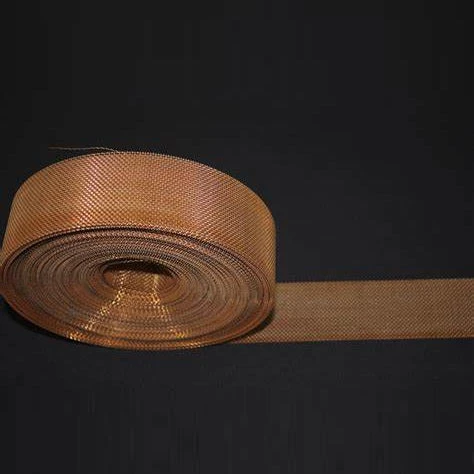

Understanding 1/4 Inch Galvanized Mesh: Practical Insights from the Field
Working in industrial equipment for over a decade, I've come to appreciate the subtle yet crucial role that materials like the 1/4 inch galvanized mesh play in countless applications. It’s one of those components that might seem mundane at first glance—but once you get your hands on it, you realize it’s a cornerstone for filtration, protection, and structural integrity in so many setups.
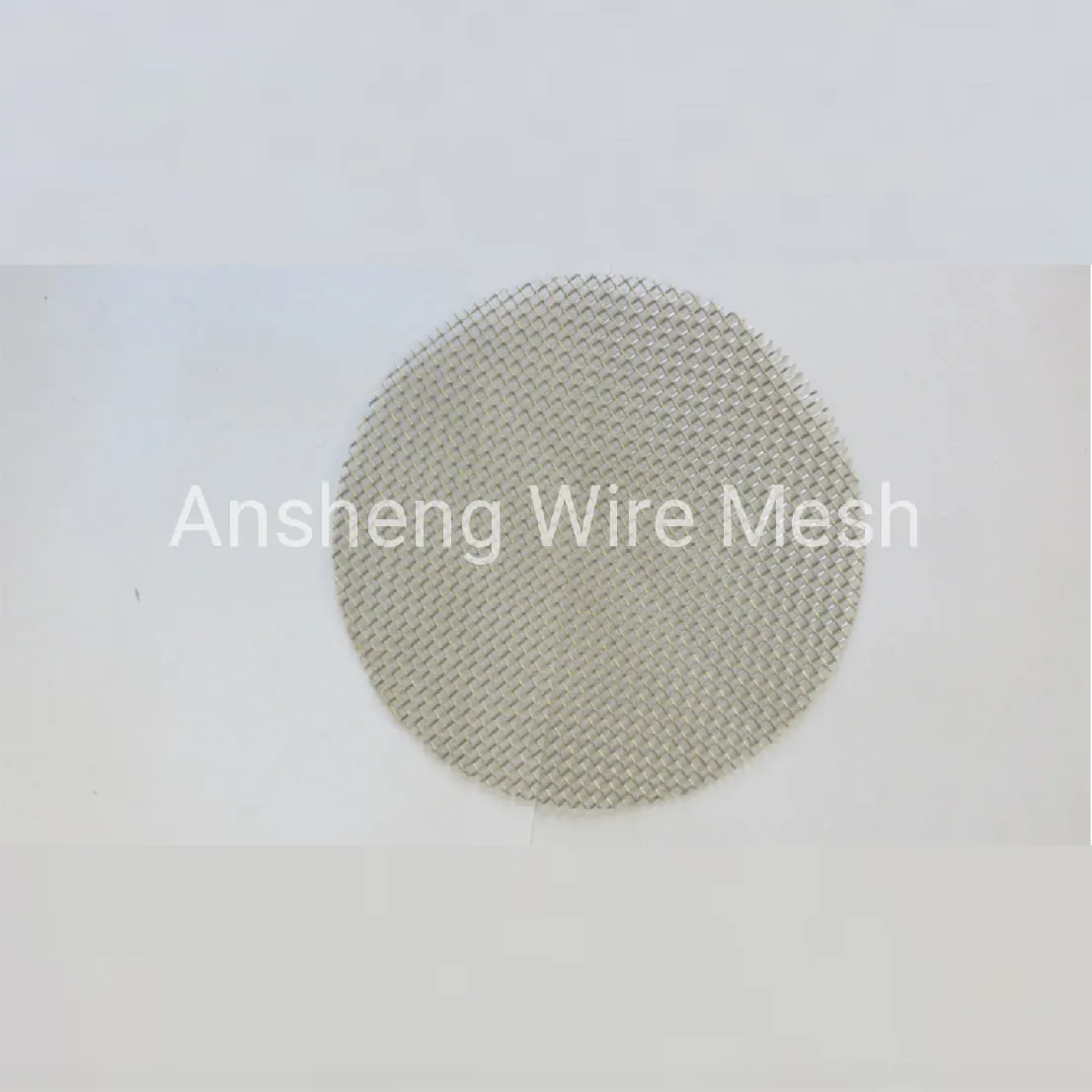
Galvanized mesh, especially with a 1/4 inch aperture, balances strength and ventilation remarkably well. You see, this mesh is coated in zinc, which makes it resilient against rust and corrosion—something that’s absolutely vital when you’re dealing with harsh environments. Frankly, I noticed early on that even where moisture levels are high, this mesh tends to hold up without the common flaking or pitting you’d get from untreated steel.
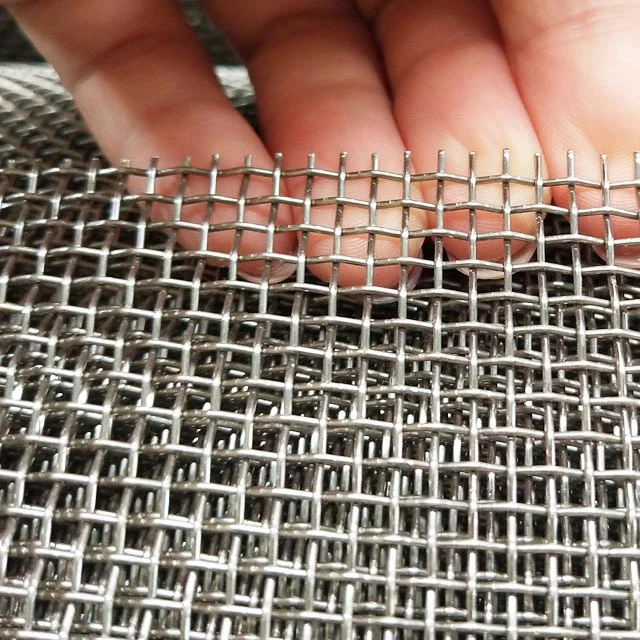
Oddly enough, the durability isn’t just about the zinc. The weaving pattern and wire gauge really matter. In my experience, a standard 1/4 inch galvanized mesh uses about 20 gauge wire—thick enough to resist deformation yet fine enough to let air and light through. This combination is why many engineers I know strongly recommend it for screening materials or as a protective layer in machinery.
| Specification | Details |
|---|---|
| Mesh Size | 1/4 inch (6.35 mm) |
| Wire Gauge | 20 gauge (0.91 mm) |
| Material | Galvanized Steel (Zinc-coated) |
| Coating Thickness | Typically 40-50 microns |
| Roll Dimensions | 1m wide × 30m length |
| Common Applications | Filtration screens, garden fencing, machine guards |
Now, in real terms, what sets the 1/4 inch galvanized mesh apart is versatility. I remember working on a water treatment project where the mesh served as a pre-filter screen. The zinc coating meant the mesh faced constant water exposure but showed no significant wear after months. That reliability often translates into lower maintenance costs, which isn’t something to underestimate in industrial settings.
When selecting a vendor, though, it’s wise to check on quality assurances. From my experience—and I suppose this is shared among my peers—the consistency of galvanization varies across suppliers. Some offer higher purity zinc coatings, which directly affects longevity.
| Vendor | Coating Thickness (microns) | Wire Gauge Options | Custom Lengths | Lead Times |
|---|---|---|---|---|
| Ansheng Filter Screen | 40-50 | 18-22 gauge | Available upon request | 2-3 weeks |
| Generic Supplier Co. | 30-35 | 20 gauge only | Not typical | 4-6 weeks |
| Industrial Mesh Ltd. | 45-55 | 16-20 gauge | Custom sizes available | 3-4 weeks |
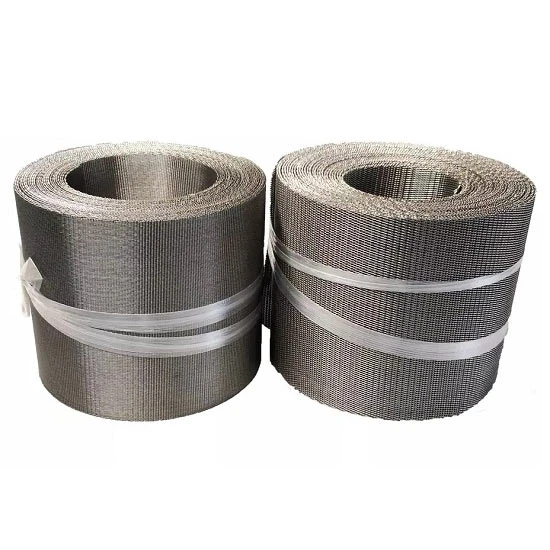
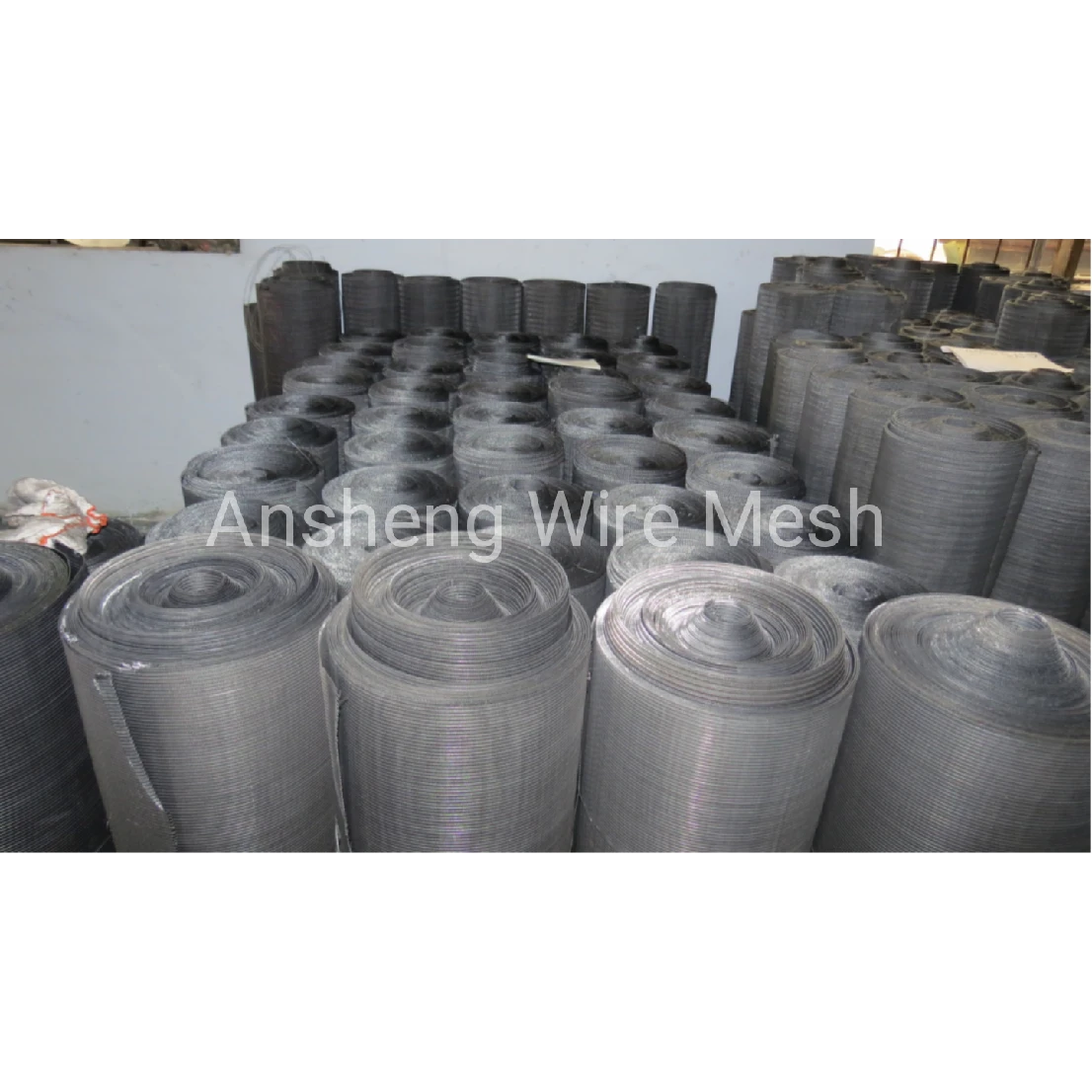
I suppose it’s tempting to pick the cheapest option, but in projects where uptime and long-term durability matter, you eventually save by investing in better mesh—like the kind offered by Ansheng Filter Screen. Their packaging, consistent coating, and custom length options make installation and stock management easier.
To wrap it up: if you’re specifying or ordering 1/4 inch galvanized mesh, look beyond just price and gauge your supplier on actual quality and service. This mesh isn’t just a product — it’s part of a bigger system that needs reliability and performance. The next time you see a mesh roll on site, maybe you’ll notice the craftsmanship behind that zinc coating or the wire thickness that’s silently holding everything together.
In the end, it’s those little details in materials that keep big operations running smoothly — at least, that’s been my working experience.
References:
1. Industry standards for galvanized coatings, ASTM A653/A653M
2. Ansheng Filter Screen official product data sheets
3. Personal experience in industrial mesh installation projects (2012–2023)
Post time: Dec . 31, 2025 07:40