
Understanding Copper Wire Netting: A Versatile Solution for Modern Industry
Copper wire netting might sound niche, but its applications stretch wide, playing a surprisingly vital role in industries worldwide. Whether it’s shielding sensitive electronics, reinforcing construction materials, or even serving humanitarian needs, understanding copper wire netting unlocks appreciation for this simple yet powerful material. You know, it’s not just about the wires themselves but how their woven structure creates something incredibly useful. As global infrastructure expands and technology advances, copper wire netting’s importance only grows.
Global Context: Why Copper Wire Netting Matters Today
Looking at the bigger picture, copper wire netting is quietly embedded in progress worldwide. According to the International Copper Association, global copper demand is projected to increase by nearly 3% annually — largely driven by electronics and renewable energy. Copper wire netting is essential in shielding and connectivity within these systems. Yet challenges remain: electromagnetic interference and environmental durability are ongoing concerns. That’s where copper wire netting steps in as a reliable physical barrier and conductor, addressing both industrial needs and sustainability goals.
Mini Takeaway: Copper wire netting is more than metal mesh; it’s a critical interface supporting advanced global technologies and sustainable infrastructure.
What Exactly Is Copper Wire Netting?
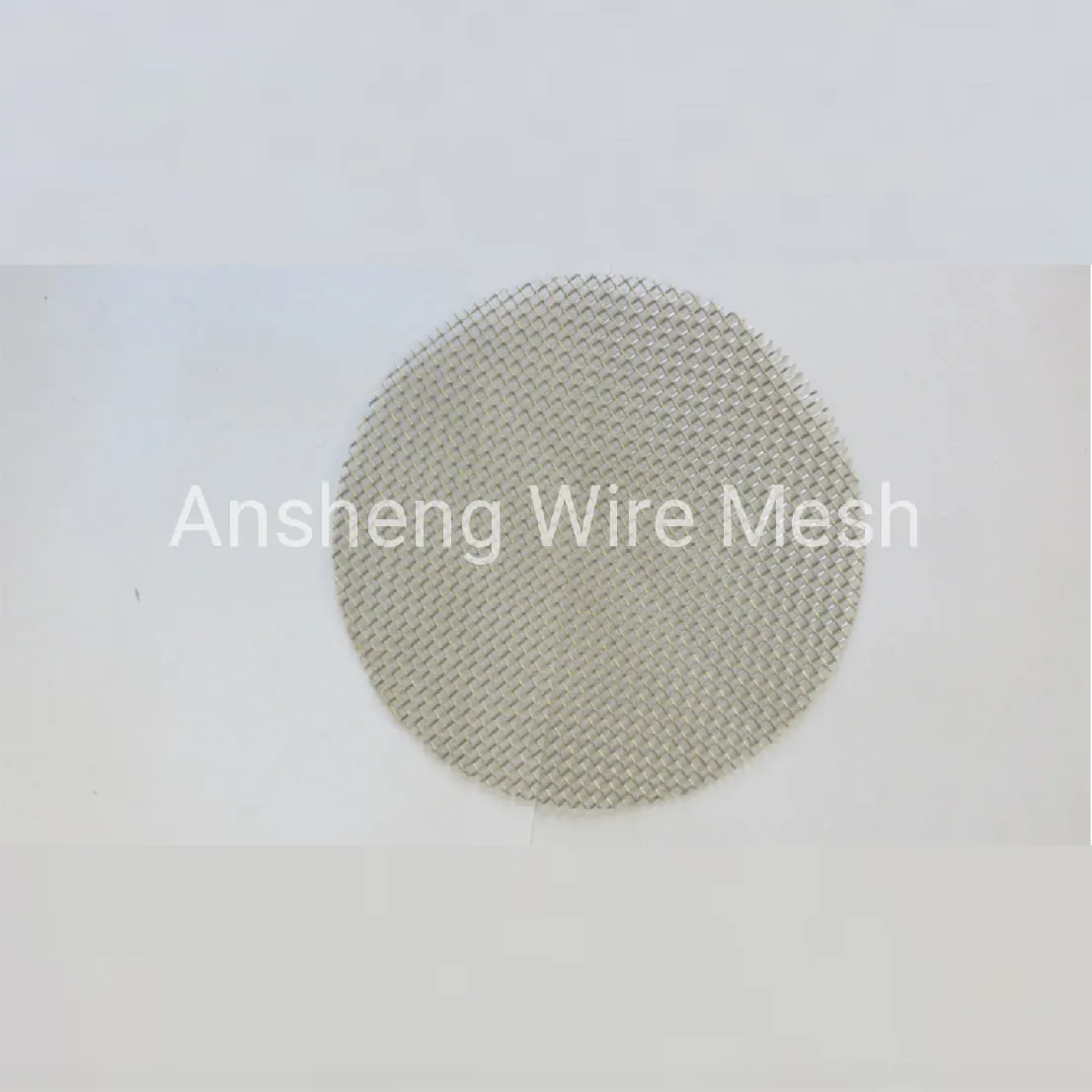
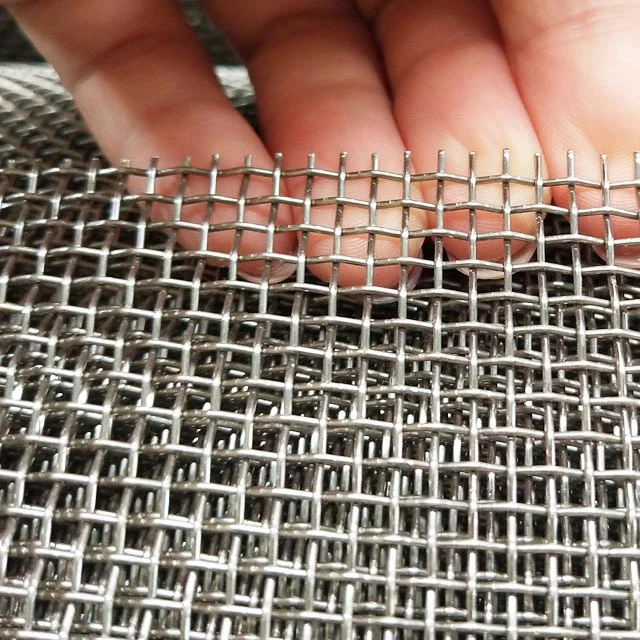
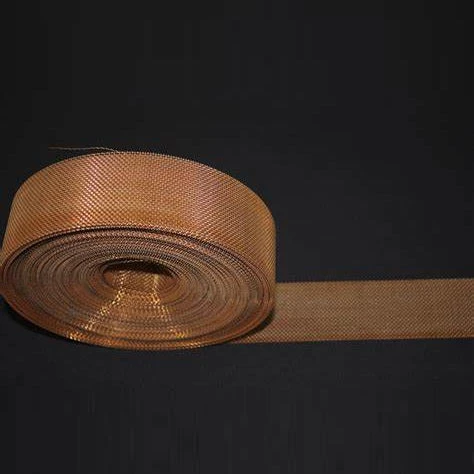
Simply put, copper wire netting is a grid made by weaving or welding thin copper wires into a mesh pattern. The size of the mesh openings and the gauge of the wire can vary, depending on the application. Copper itself is prized for its excellent conductivity, corrosion resistance, and malleability. This netting is valuable in industries needing reliable electrical grounding, EMI shielding, or even physical protection. Humanitarian applications also use copper mesh for pest control or filtering contaminated water — showing just how broad its utility is.
Mini Takeaway: Copper wire netting is a flexible material blending copper’s qualities with a mesh design to serve electrical, mechanical, and environmental roles.
Key Characteristics of Copper Wire Netting
Durability
Copper naturally resists corrosion, which means copper wire netting lasts in harsh environments. From coastal factories facing salty air to underground cables, this durability lowers replacement costs and downtime. Sometimes, you read about alternatives like galvanized steel, but copper’s longevity and stable conductivity often win out.
Conductivity
Electrical engineers praise copper wire netting for its outstanding conductivity. This makes it ideal for shielding electronic devices from electromagnetic interference (EMI), which can degrade performance. An EMI shield woven from copper wire netting can be indispensable in medical devices, aerospace, or industrial controls.
Flexibility & Scalability
The netting can be custom-made in various mesh sizes and wire gauges, tailored to specific requirements. This adaptability means it fits tiny circuit boards or large-scale environmental barriers alike. Orders can scale from a few meters to bulk shipments for massive industrial projects. Pretty handy.
Cost Efficiency
Though copper is pricier than some metals, the long lifespan and minimal maintenance of copper wire netting often deliver value. You save money on replacements, repairs, and downtime. Plus, copper’s recyclability adds a green touch to the equation.
Eco-friendliness
As sustainability rises on every corporate agenda, copper wire netting stands out as recyclable and non-toxic. This makes it attractive not just in industry but also in environmental cleanup or filtration technologies.
Mini Takeaway: Copper wire netting combines durability, conductivity, flexibility, and eco-friendliness, making it a top choice for diverse applications.
Global Applications & Real-World Use Cases
- Electronics & Energy: EMI shielding in consumer electronics, control panels, renewable energy installations, and telecommunications.
- Construction: Reinforcement in concrete, pest-proofing in buildings, and corrosion barriers for underground pipes.
- Humanitarian Efforts: Copper wire netting meshes are used for clean water filtration in remote areas and as protective fencing for crops against invasive pests.
- Automotive Industry: Copper wire netting supports noise reduction and electromagnetic shielding in modern vehicles.
For instance, in post-disaster relief operations across Southeast Asia, lightweight copper mesh modules help restore power and communications quickly and reliably. In remote industrial zones of Australia, operators use copper mesh barriers to protect sensitive equipment from electromagnetic interference that can cause costly malfunctions.
Copper wire netting manufacturers tailor solutions for each context, making sure the product fits the practical needs precisely.
Mini Takeaway: Across continents and sectors, copper wire netting’s adaptability proves invaluable — from clean water to modern electronics, its footprint is wide.
Benefits & Long-Term Value of Copper Wire Netting
You could say copper wire netting is a “silent champion” — invisible but critical. Financially, the upfront investment saves costs down the line thanks to its lifespan and minimal maintenance. Environmentally, it supports green building and sustainable tech goals. Socially, it boosts safety and dignity, especially in humanitarian contexts where access to clean water or reliable communication depends on durable mesh solutions.
Plus, innovation in copper netting keeps increasing trust. Manufacturers constantly refine weave patterns and alloy compositions to optimize strength and performance, which feels reassuring in safety-critical applications.
Product Specifications at a Glance
| Specification | Typical Range | Description |
|---|---|---|
| Wire Diameter | 0.1 mm – 2.0 mm | Thickness of individual copper wires |
| Mesh Opening | 1 mm – 50 mm | Size of openings between wires |
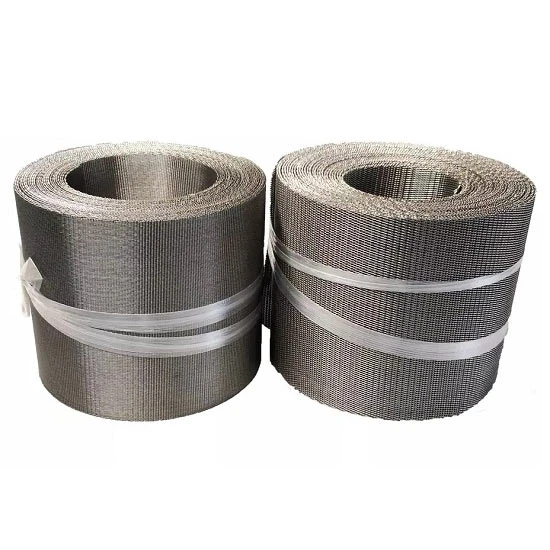
| Width per Roll | 0.5 m – 2 m | Standard width dimensions |
| Length per Roll | 10 m – 100 m | Typical roll length available |
| Alloy | 99.9% Pure Copper / Copper Alloy | Material purity options |
Comparing Leading Vendors in Copper Wire Netting
| Vendor | Product Range | Customization | Lead Time | Price Competitiveness |
|---|---|---|---|---|
| Ansheng Filter Screen | Wide (Standard to Custom Mesh) | High, including alloy options | 2-4 weeks | Competitive |
| Global Copper Mesh Co. | Moderate | Medium | 3-5 weeks | Mid-range |
| TechMesh Industries | Niche Specialty Mesh Only | Low | 1-2 weeks | Higher |
What Lies Ahead: Future Trends & Innovations
Emerging technologies hint at even smarter copper wire netting. For example, integrating nanocoatings could improve corrosion resistance and conductivity further. Digital manufacturing techniques like precision weaving might allow for even finer mesh customization, essential in microelectronics or medical filtration.
There’s also a distinct push toward sustainability: producing copper mesh with energy-saving methods and maximizing recyclability is becoming standard. We’re also seeing copper netting reimagined within green energy infrastructure, such as wind turbine shielding and solar panel grounding.
Challenges & How Industry Experts Tackle Them
Copper’s price volatility remains a hurdle, impacting cost budgeting. Availability during global supply chain disruptions can delay projects. Plus, copper wire netting sometimes faces scrutiny over its mechanical strength if improperly specified.
Industry experts recommend thorough consultation on specifications before purchase and consider alloy blends or composite meshes for specific structural needs. Long-term partnerships with manufacturers also ensure prioritization when supply constraints hit.
Frequently Asked Questions About Copper Wire Netting
- What are the main benefits of copper wire netting over steel mesh?
- Copper wire netting offers superior electrical conductivity and corrosion resistance. It's ideal for EMI shielding and environments where oxidation would degrade steel quickly. Though it costs more upfront, the longevity and performance can justify the investment.
- Can copper wire netting be used directly in potable water filtration?
- Yes. Copper has natural antimicrobial properties which can help inhibit bacteria growth. However, copper netting is typically used as a physical barrier in multi-stage filtration systems rather than the sole filter element.
- How customizable is copper wire netting to specific industry needs?
- Highly customizable! You can alter mesh size, wire thickness, alloy composition, roll size, and surface treatment to fit unique parameters, supporting everything from electronics to agricultural use.
- What is the typical lifespan of copper wire netting in outdoor applications?
- Depending on environmental conditions and maintenance, copper wire netting can last 10 to 30 years or more outdoors thanks to copper’s corrosion resistance—far surpassing many alternative materials.
Conclusion
Copper wire netting stands as a nuanced yet indispensable material bridging technology, industry, and even humanitarian needs. Its unique properties and adaptability make it a long-term asset, supporting innovation in sustainable infrastructure and advanced electronics alike. For detailed product info or tailored solutions, you might want to visit Ansheng Filter Screen. They truly know their copper mesh.
So yes, copper wire netting might not make daily headlines, but its global presence quietly supports many of the conveniences and safety standards we rely on, and that’s certainly worth appreciating.
A final thought — sometimes the simplest meshes weave the strongest connections, literally and figuratively...
References
Post time: Dec . 07, 2025 19:55