
Copper Wire Net: Durable Solutions for Industrial Filtration & Shielding | Ansheng Filter Screen

Copper Wire Net is a key solution in the industry, specifically within filtration, shielding, and industrial screening. This article explores how anshengfilterscreen.com supports professionals with durable, high-performance products, and explains why this product is an ideal choice for businesses in these sectors.

Table of Contents

Copper Wire Net Overview

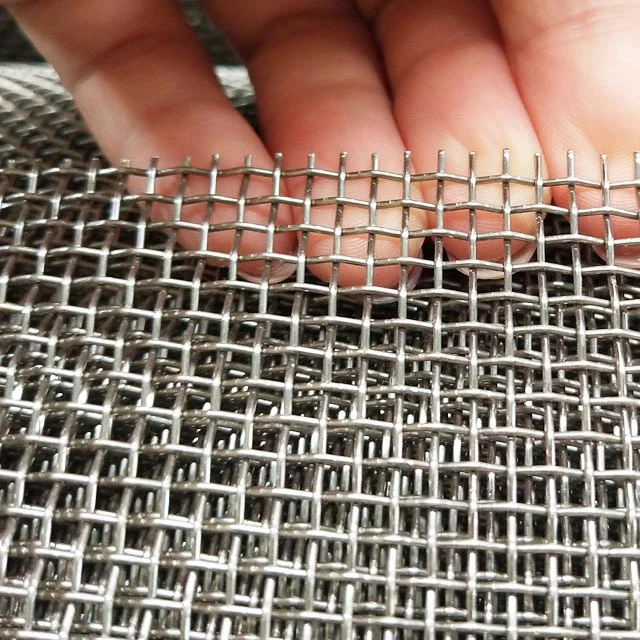
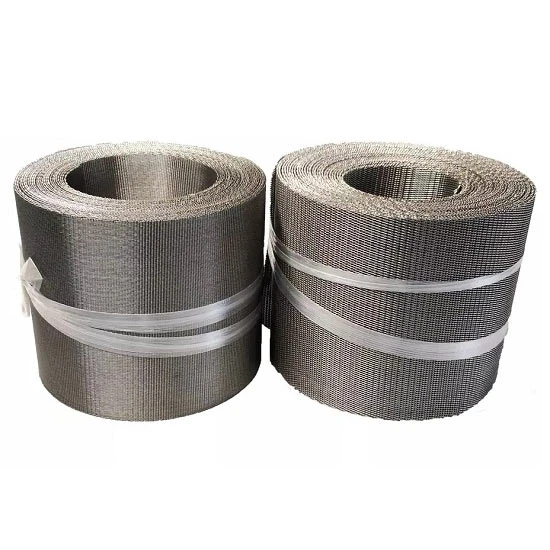
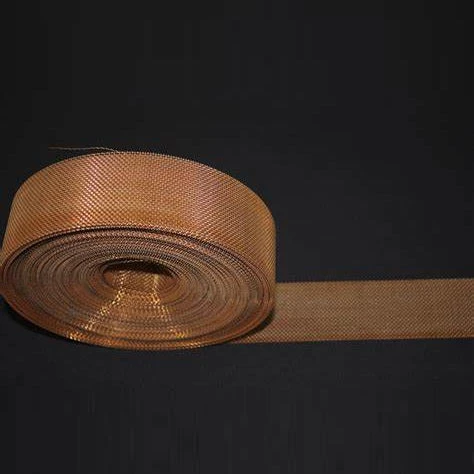
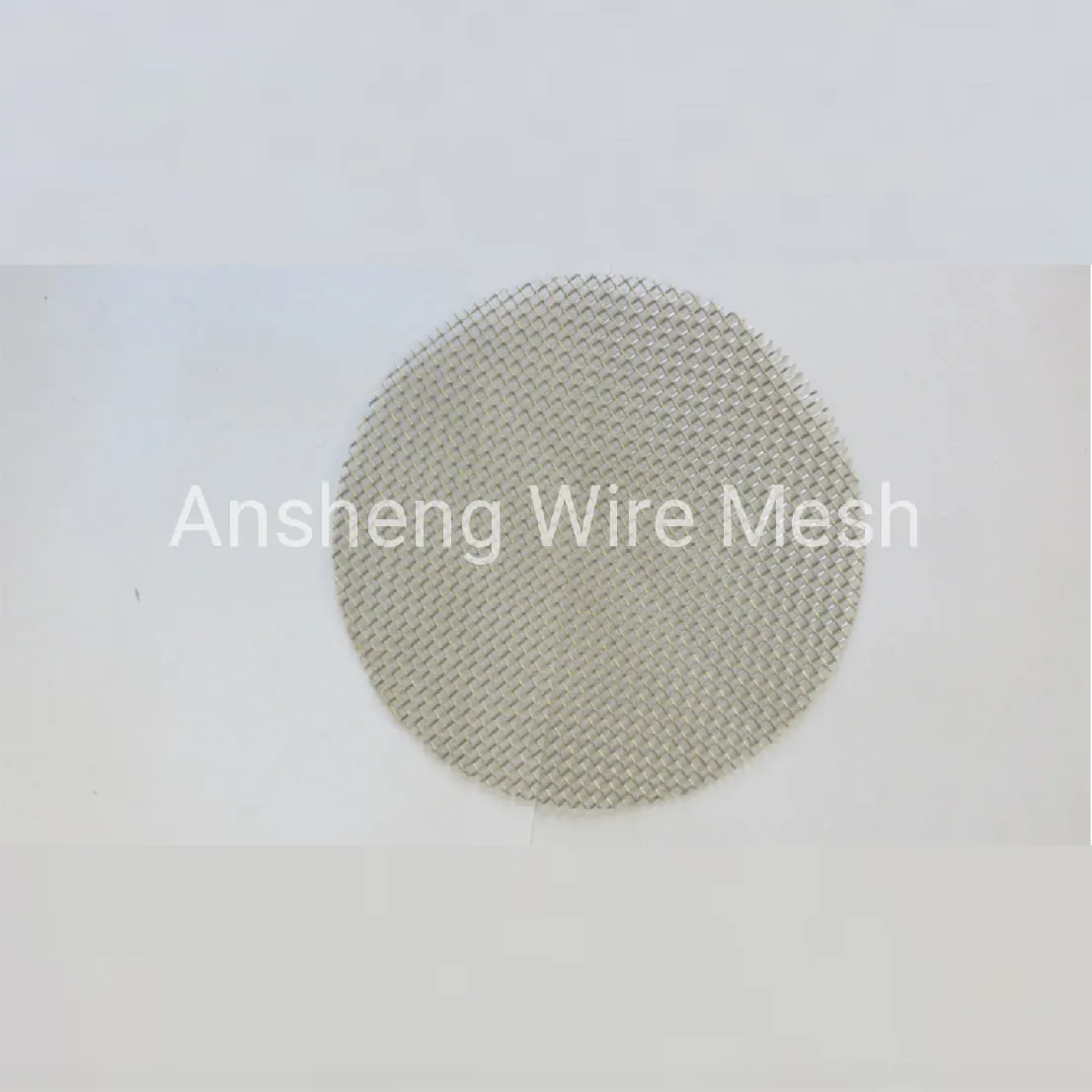
When you first hear "Copper Wire Net," you might picture a simple mesh, but frankly, it's so much more than that in industrial use. At its core, Copper Wire Net is a woven mesh of copper wires, tailored for high-performance filtering, electromagnetic shielding, and even architectural detailing. Its relevance today lies in copper's natural conductivity, corrosion resistance, and antimicrobial properties, which render this net highly versatile. I suppose the technical specs vary—mesh size, wire diameter, and weaving style—but these tweaks have real impact depending on your needs.

  • Copper Wire Net is a woven mesh product made from high-purity copper, often with mesh sizes ranging from 10 to 100 openings per inch.
  • Typical wire diameters run between 0.1 mm and 1.5 mm, depending on the required filtering precision or shielding effect.
Specification Typical Range Notes
Material Purity ≥ 99.9% Copper Ensures corrosion resistance & conductivity
Mesh Size 10 to 100 openings/inch Customizable to application needs
Wire Diameter 0.1 - 1.5 mm Affects filtering precision and strength
Weaving Type Plain or Twilled Determines air permeability and durability

Benefits & Use Cases of Copper Wire Net

Copper Wire Net feels like a small part of a much bigger puzzle in many industrial settings. This net is ideal for filtering impurities in chemical processing plants, blocking electromagnetic interference in electrical enclosures, and even protecting sensitive components in aerospace engineering. Many engineers say the combination of copper’s antimicrobial properties and excellent conductivity is a game-changer. Plus, compared to steel or aluminum alternatives, copper resists corrosion better and maintains its qualities in harsh environments, so your system's lifespan extends noticeably.

  • Used extensively in filtration systems where contamination control is critical — chemical and pharmaceutical industries benefit immensely.
  • Acts as an effective electromagnetic shielding material for electronics and military applications.
  • Copper Wire Net is inherently antimicrobial, making it useful in food processing and medical device industries.

Cost, Maintenance & User Experience

In real terms, some companies hesitate at the initial cost of Copper Wire Net, considering copper’s price relative to, say, stainless steel mesh. But frankly, when the durability, corrosion resistance, and lower maintenance come into play, the total cost of ownership (TCO) tilts in favor of copper in many scenarios. Clients from the industrial sectors I've spoken with highlight lower downtime and consistent performance as key ROI drivers. Oddly enough, customers often mention that once they switch to copper nets, the ease of cleaning and maintenance routines improve noticeably — less clogging, less reactive wear.

Vendor Price per m² Lead Time Customization Options Customer Ratings
Ansheng Filter Screen $$$ 2-3 weeks Yes, extensive 4.8 / 5
Competitor A $$ 3-4 weeks Limited 3.9 / 5
Competitor B $$$ 1-2 weeks Moderate 4.2 / 5

Sustainability & Market Trends

Sustainability has become a cornerstone in manufacturing, and copper’s recyclability makes Copper Wire Net something of an eco-friendly option. You’d be surprised that many industries now factor in lifecycle impact when choosing materials. Regulatory frameworks worldwide, especially in Europe and North America, often reward or demand the use of recyclable, low-impact products—copper fits nicely into that mold. The market for copper wire products is projected to grow steadily, driven by demand in electronics, renewable energy sectors like solar panels and wind turbines, and expanding infrastructure projects globally.

  • Copper Wire Net offers high recyclability, reducing environmental footprint compared to synthetic alternatives.
  • Compliance with global environmental laws—critical for B2B buyers aiming to future-proof their supply chain.
  • Industry growth fueled by increasing demand in energy storage, telecommunications, and industrial filtration sectors.

Frequently Asked Questions about Copper Wire Net

What is Copper Wire Net and how does it work?
Copper Wire Net is a mesh made by weaving copper wires, creating a screen that allows air, liquids, or electromagnetic waves to pass through selectively. It works primarily by filtering out larger particles or blocking interference, depending on the mesh size and application.
What are the main benefits of using Copper Wire Net in industrial applications?
Copper Wire Net is durable, corrosion-resistant, and naturally antimicrobial. It also offers excellent electrical conductivity for shielding and can be customized to precise mesh sizes, making it cost-effective by extending equipment longevity and reducing downtime.
How does Copper Wire Net compare to traditional alternatives?
Unlike steel or aluminum wire meshes, copper maintains performance in corrosive environments and offers superior EMI shielding. While pricier upfront, it often results in longer-lasting, lower maintenance solutions.
What industries can benefit most from Copper Wire Net implementation?
Industries such as pharmaceutical processing, electronics manufacturing, chemical filtration, aerospace, and food processing find Copper Wire Net especially valuable for its hygiene, filtering accuracy, and shielding properties.

Conclusion on Copper Wire Net from China

Wrapping up, Copper Wire Net stands out as a versatile material with real performance benefits — durability, corrosion resistance, and customization. For B2B decision-makers aiming to optimize filtering or shielding in their operations, trusting a reputable supplier like Ansheng Filter Screen makes sense. They deliver quality and service that align well with industrial demands and sustainability goals.

Reflecting on this, the copper mesh industry reminds me just how essential materials science is in everyday industrial evolution. The tiny wires in a net represent a big leap in functionality — and frankly, that’s exciting.

References:
1. Industrial Wire Mesh Handbook, 2023 Edition
2. Copper Development Association – Technical Data Sheets
3. Market Research Report on Copper Wire Mesh, 2024


Post time: Dec . 07, 2025 18:45
Related News
  • Dutch weave is a versatile type of woven wire mesh known for its unique structure and diverse applications. It's characterized by alternating plain and twill weaves, resulting in a fabric with excellent strength, flexibility, and permeability. This makes it ideal for a range of uses in industries like filtration, screening, and reinforcement. Ansheng Filter Screen specializes in high-quality dutch weave mesh, catering to diverse industrial needs. Understanding the properties and applications of dutch weave is key to maximizing its benefits in various sectors. Dutch weave isn’t a single weave pattern but a combination. It’s created by alternately weaving plain and twill patterns. The twill weave creates a diagonal rib pattern which impacts the mesh’s properties. This unique construction results in a mesh that is more open in one direction than the other, providing excellent flow characteristics. This makes it superior for applications needing high permeability while maintaining good structural integrity.

  • Protecting crops, buildings, and infrastructure from bird damage is a significant concern for many industries. Galvanised bird mesh provides a robust and effective solution. This article will explore the benefits, applications, and key considerations when choosing galvanised bird mesh, offering a detailed overview for those seeking reliable bird control. From agricultural protection to industrial applications, we will cover everything you need to know about this versatile product. Galvanised bird mesh is a woven wire netting coated with a layer of zinc. This galvanisation process provides excellent corrosion resistance, making it suitable for outdoor applications and harsh environments. The mesh is typically made from steel wire, offering strength and durability. Different mesh sizes are available to cater to various bird species and protection needs.

  • When selecting materials for industrial filtration, construction, or agricultural applications, galvanized steel mesh screen stands out as a durable and cost-effective solution. This article will provide a detailed overview of galvanized steel mesh screen, covering its properties, applications, benefits, and important considerations when making a purchase. Understanding its characteristics can help you determine if it’s the ideal material for your specific needs. We will delve into the nuances of this versatile material and how Ansheng Filter Screen provides quality products. Galvanized steel mesh screen is a woven wire mesh manufactured from steel that has been coated with a layer of zinc. This zinc coating acts as a protective barrier against corrosion and rust, significantly extending the lifespan of the steel. The galvanization process can be hot-dip galvanizing or electro-galvanizing, each offering different levels of protection and cost. The mesh is typically available in various weave patterns, such as plain weave, twill weave, and dutch weave, each suited for different filtration and screening needs.

  • Galvanized netting is a versatile and cost-effective solution for a wide range of applications, from agricultural fencing to industrial safety barriers. Its durability and resistance to corrosion make it a popular choice across numerous industries. This article will delve into the properties of galvanized netting, exploring its benefits, common uses, different types available, and how to select the best netting for your specific needs. Understanding the nuances of galvanized netting will ensure you make an informed decision and maximize its lifespan and effectiveness. Galvanized netting is woven from steel wire that has been coated with a layer of zinc through a process called galvanization. This zinc coating acts as a barrier against corrosion, protecting the steel from rust and environmental damage. There are two primary galvanization methods: hot-dip galvanizing and electro-galvanizing. Hot-dip galvanizing involves immersing the steel wire in a bath of molten zinc, creating a thick and durable coating. Electro-galvanizing uses an electric current to deposit a thinner layer of zinc onto the wire.

  • Dutch weave mesh is a versatile and durable material used in a wide range of industrial and filtration applications. Known for its unique weaving pattern, it provides excellent strength and permeability. This article will explore the characteristics, applications, benefits, and considerations when choosing Dutch weave mesh, providing a thorough understanding for professionals and buyers. Understanding its properties is vital to selecting the right mesh for your needs. Dutch weave mesh is created by weaving two sets of wires – one heavier warp wire and one finer shute wire – in a specific pattern. This construction results in a mesh with larger openings in one direction and smaller openings in the other. The heavier warp wires provide strength and dimensional stability, while the finer shute wires create a greater open area for improved flow rates. This unique structure differentiates it from plain weave or twill weave meshes, making it ideal for applications requiring both filtration and structural integrity.

  • Explore the benefits, applications, and vendors of Reverse Dutch Weave for industrial filtration systems. Learn how Ansheng Filter Screen delivers durable and high-performance filtration solutions.

  • Explore the benefits, applications, and vendor landscape of Reverse Dutch Weave Wire Mesh. Learn how Ansheng Filterscreen can help you optimize your filtration processes.

  • In today's industrial and commercial fields, super fine wire mesh has grown into a critical component thanks to its precision and efficiency. This mesh type, often used in air and liquid filtration, can trap incredibly small particles while allowing air or fluids to pass through.

WE PROVIDE HIGH QUALITYEQUIPMENT
Recommend Products
  • Stainless Steel Plain Weave Wire Mesh

    Stainless steel plain weave wire mesh, also known as Stainless steel wire cloth, stainless steel screen, stainless steel gauze. Materials: Stainless steel 201, 304, 316, 316L, etc. Plain weave scope of Mesh : 1mesh-635mesh Plain weave scope of wire diameter: 1mm-0.001mm Plain weave scope of width: usually 0.915m-2meters, and special specifications can be customized according to customer requirements. Plain weave scope of length: generally 30 meters. Stainless steel wire mesh weave type: plain weave, twill weave, herringbone weave, dutch weave, reserve dutch weave

  • Stainless Steel Reverse Dutch Weave Wire Mesh

    Stainless steel reserve dutch weave wire mesh, also known as Stainless steel wire cloth, stainless steel screen, stainless steel gauze. Materials: Stainless steel 201, 304, 316, 316L, etc. Reserve dutch weave scope of Mesh : 72x15mesh-260x40mesh Reserve dutch weave scope of wire diameter: 0.55mm-0.15mm Reserve dutch weave scope of width: usually 60mm-300mm, and special specifications can be customized according to customer requirements. Reserve dutch weave scope of length: generally 10 meters, 20 meters, 30meters. Stainless steel wire mesh weave type: plain weave, twill weave, herringbone weave, dutch weave, reserve dutch weave

  • Iron Dutch Weave Wire Mesh

    Low-carbon steel dutch weave wire mesh, also known as iron wire filter mesh, black wire cloth. Materials: Low-carbon steel Scope of Mesh : 7x55mesh-40x200mesh Scope of wire diameter: 0.14mm-0.75mm Scope of width: usually 0.915m-1.3meters, and special specifications can be customized according to customer requirements. Scope of length: generally 30 meters. Weave: plain weave, herringbone weave, dutch weave

  • Phosphor Copper Wire Mesh

    Phosphor copper wire mesh, also known as copper wire mesh. Materials: QSn6.5-0.1,QSn6.5-0.4 Property: Non-magnetic, wear resistant, good ductility Scope of Mesh : 2-300mesh Scope of wire diameter: 0.08mm-0.8mm Scope of width: usually 1m-1.5meters, and special specifications can be customized according to customer requirements. Scope of length: generally 30 meters. Weave: plain weave, twill weave

tel email tel top

If you are interested in our products, you can choose to leave your information here, and we will be in touch with you shortly.