
Understanding Copper Mouse Mesh: A Durable Solution in Industrial Filtration
Having spent a good chunk of my career navigating the ins and outs of industrial equipment, I’ve come across quite a few materials and components claiming to be “the best” on the market. Copper mouse mesh, in particular, caught my attention – partly because it sounds a little whimsical, but mostly because it really delivers when it comes to durability and performance.
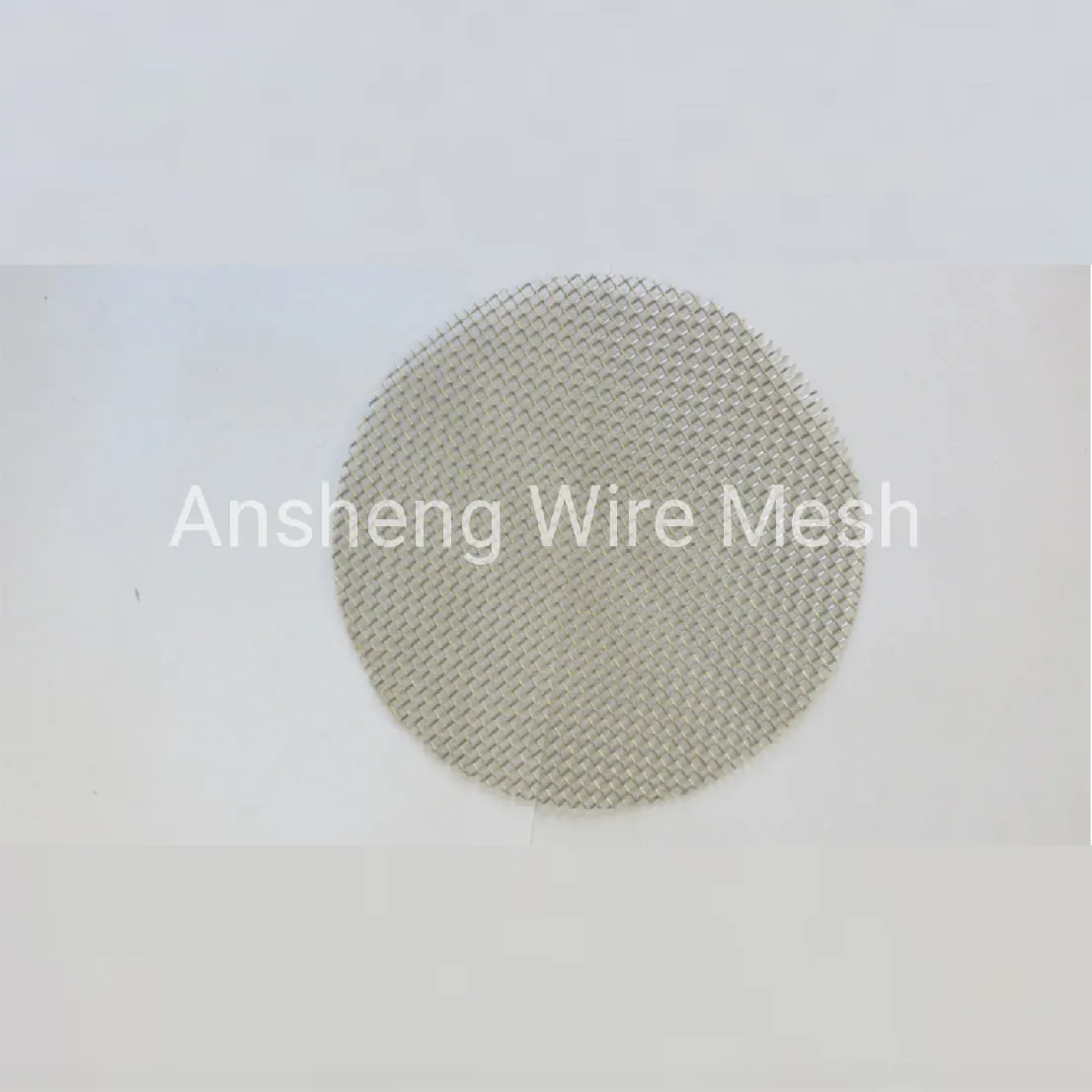
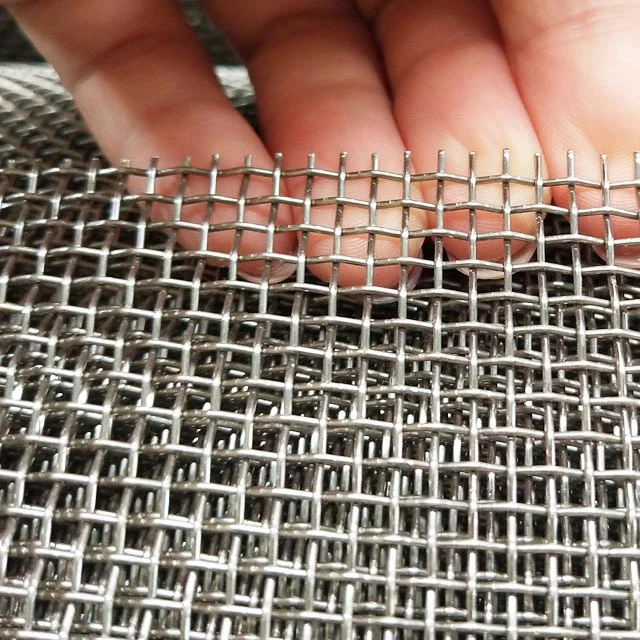
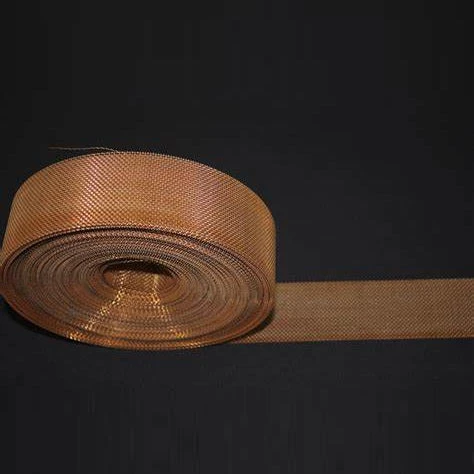
Now, what exactly is copper mouse mesh? It’s basically a fine copper wire mesh designed specifically to guard against rodents, especially mice, in industrial settings. The “mesh” part isn’t just about keeping pests out—it’s about providing reliable airflow and filtration in vents, ducts, and filtration systems. Oddly enough, given copper’s natural properties, it’s become a trusted material for this job.
One strong advantage is copper’s natural resistance to corrosion and its antibacterial qualities—something that's not always top-of-mind but incredibly valuable, especially in food production or pharmaceutical plants where hygiene matters deeply. Having tested several variants over time, I noticed that copper mouse mesh won’t degrade quickly like steel or aluminum in damp or harsh environments. It literally ages gracefully.
Many engineers mention its excellent conductivity too. While that doesn't necessarily matter in every application, in some filtration systems, the ability to dissipate static can reduce dust attractant, which is a quirky bonus.
Talking specs, copper mesh grade is typically measured by wire diameter and mesh count (number of wires per inch). You want a balance — fine enough to keep out the tiny invaders but open enough to allow good airflow. The following table captures some common specs for copper mouse mesh products you might find:
| Feature | Specification |
|---|---|
| Mesh Count | 12 to 40 wires/inch |
| Wire Diameter | 0.2 to 0.5 mm |
| Material Purity | >99.9% Copper |
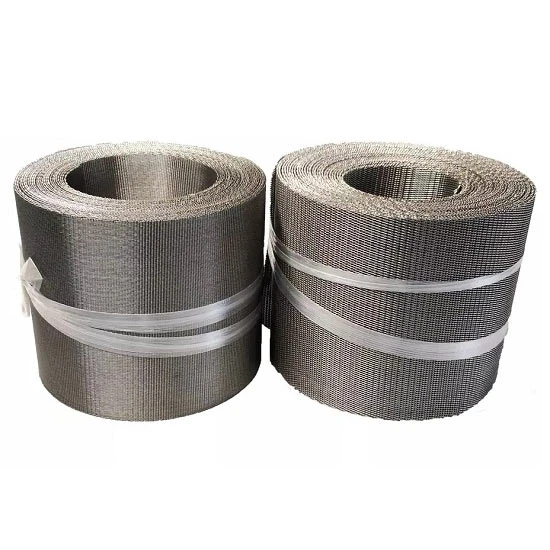
| Roll Width | 30 cm to 100 cm |
| Roll Length | 10 m to 50 m |
From my experience, customization is pretty common here — whether it’s mesh size, roll dimensions, or even treated surfaces for enhanced properties. I recall a project where a client needed copper mesh that could resist mild alkaline exposure in a chemical plant; special coatings paired with copper’s natural traits did the trick.
But let's talk vendor selection, since that’s often the trickier bit in real terms—there are many suppliers. When I sifted through options, I ended up comparing a few major players on product quality, delivery time, price, and after-sales support. Here’s a quick rundown I found useful:
| Vendor | Quality | Delivery Time | Price | Customer Support |
|---|---|---|---|---|
| Ansheng Filter Screen | Excellent (High purity & uniform weave) | 3-5 days | Competitive | Responsive, knowledgeable |
| Vendor B | Good (Standard grade) | 7-10 days | Lower | Limited technical support |
| Vendor C | Fair (Variable quality) | 5-8 days | Higher | Good but inconsistent |
So why do I keep coming back to Ansheng Filter Screen? Frankly, their consistency and depth of product knowledge show through. When you’re dealing with filtration and rodent-proofing at scale, you want partners who understand the industrial stakes — because it’s not just about copper wire; it’s about safeguarding machines, ingredients, and ultimately, your bottom line.
I remember a mid-sized food processing plant where the introduction of a specialized copper mouse mesh turned around a long-standing rodent issue that had plagued ventilation ducts. The maintenance team noticed less equipment grime and fewer unexpected shutdowns. They told me it "felt like a small upgrade but made a big difference"—that sticks with me.
In closing, copper mouse mesh is an industrial hero hiding in plain sight. Its resilience, natural properties, and adaptability make it a reliable pick for anyone needing effective yet long-lasting pest control mesh. If you’re investigating options, do consider the purity of copper and supplier reputation closely; it all adds up.
And of course, since we all want peace of mind, ask for samples, test corrosion resistance where your environment demands it, and see if custom orders can match your needs.
References:
1. Industrial Filtration Standards – Tech Journal, 2022
2. Copper Materials Handbook – ElectroMaterials Inc., 2021
3. Personal Field Notes from Industrial Plant Maintenance Visits (2017–2023)
Post time: Dec . 05, 2025 09:25