
Understanding the Copper Mesh Wire Screen: Its Global Importance and Practical Benefits
When you first hear copper mesh wire screen, it might sound like something tucked away in a niche industrial corner. However, this deceptively simple product holds global significance across many industries — from electronics to environmental protection, even humanitarian applications. Why does it matter so much? Well, the copper mesh wire screen combines excellent conductivity, corrosion resistance, and mechanical strength, making it a go-to material for filtration, shielding, and reinforcement worldwide.
In this article, we’ll unravel what copper mesh wire screens are, why they’re crucial globally, explore their core factors and real-world uses, and take a peek at future innovations. Ready? Let’s dive in.
The Global Relevance of Copper Mesh Wire Screen
Copper’s global demand continues to surge — according to the International Copper Study Group (ICSG), copper usage grew by nearly 3% in 2023 alone, driven largely by electronics, infrastructure, and green energy sectors. Now imagine how integral copper mesh wire screens are to that demand. For context, these screens serve as filtration media in water treatment plants around the world, provide electromagnetic interference (EMI) shielding in sensitive electronics, and are used in numerous industrial filtration processes.
Interestingly, one challenge they help address is contamination control — a big deal in increasingly urbanized and industrialized environments. Whether removing particulates from air or protecting delicate circuitry from interference, copper mesh offers a unique solution balancing efficiency and durability.
Mini takeaway: Copper mesh wire screens play a quiet yet vital role in enhancing global infrastructure, health, and technology sectors.
What Exactly Is a Copper Mesh Wire Screen?
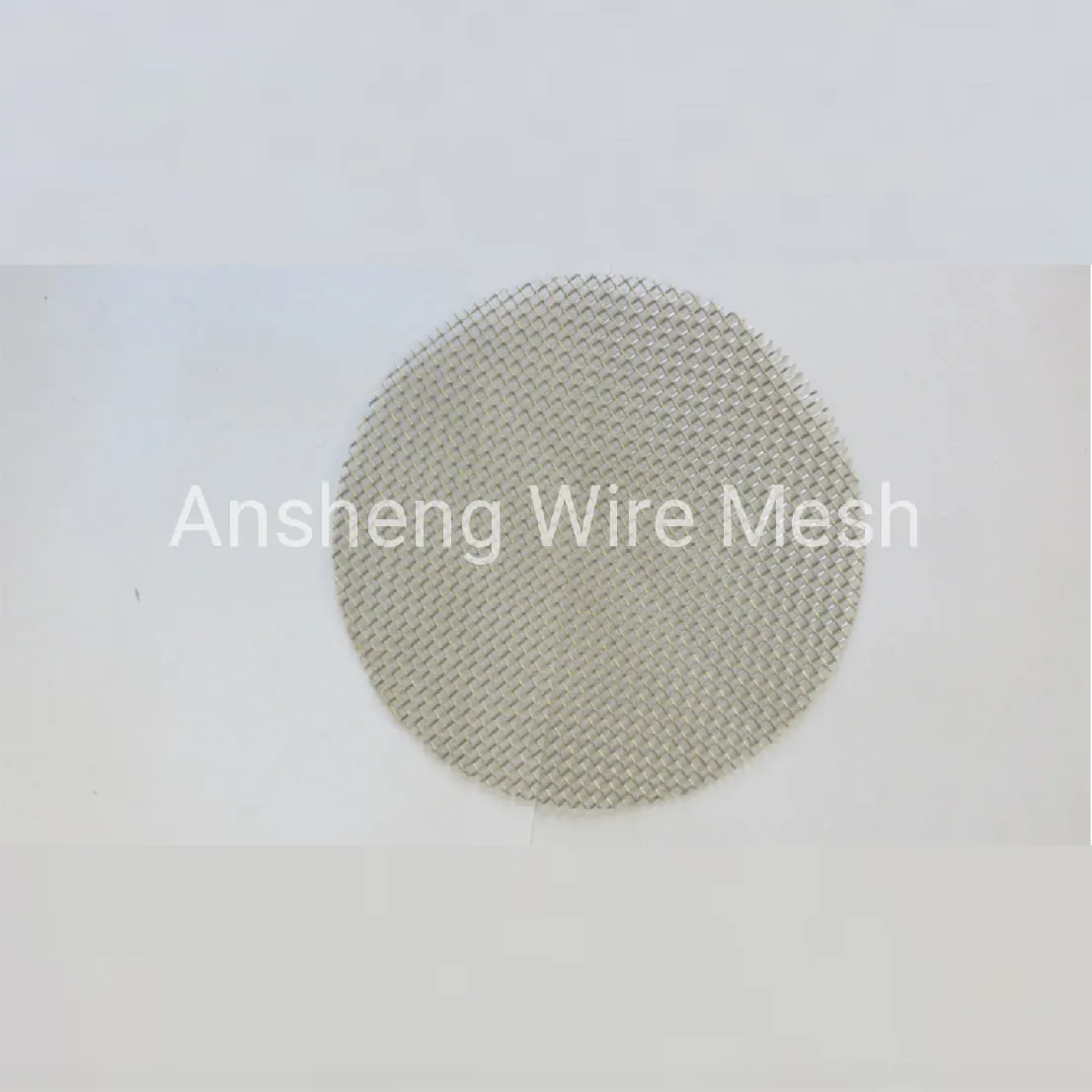
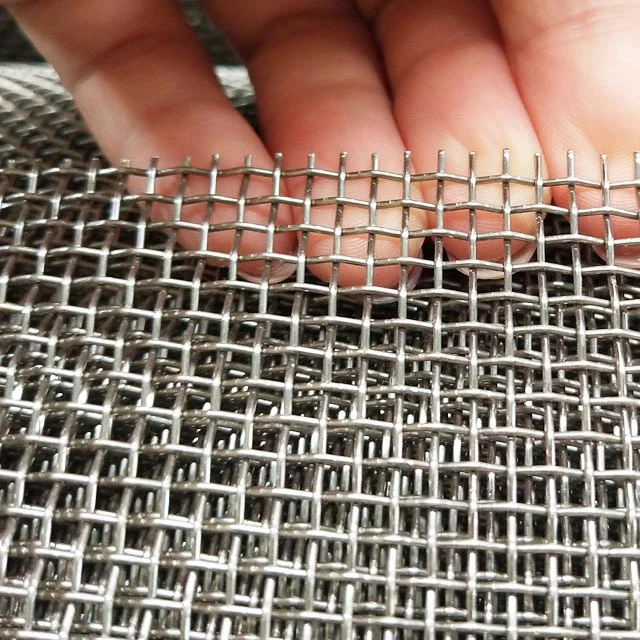
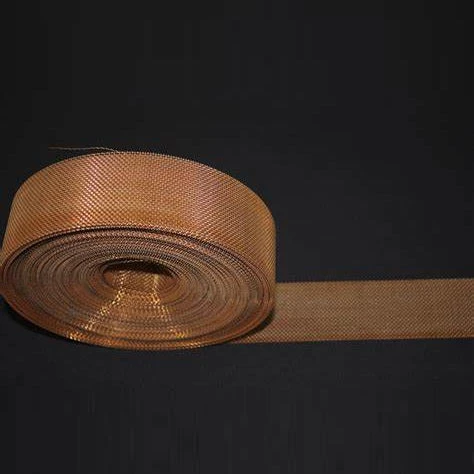
Simply put, a copper mesh wire screen is a woven or knitted fabric made from thin copper wires arranged in a mesh pattern. This structure lets air, liquids, or signals pass through while filtering out solids or blocking electromagnetic waves — depending on the weave's tightness and wire gauge. It’s like a sieve but for industries.
Its association with modern industry is quite profound. Take water purification systems, which often need corrosion-resistant materials able to withstand harsh chemicals — copper mesh fits perfectly. Or think about humanitarian aid, where reliable filtration can prevent waterborne diseases in crisis zones, underscoring the mesh’s importance beyond just industrial settings.
Core Components & Key Factors of Copper Mesh Wire Screens
1. Durability
Copper’s natural resistance to corrosion and wear means these screens last much longer than cheaper alternatives like galvanized steel. This is crucial for outdoor or harsh environments.
2. Conductivity
Electrical conductivity allows copper mesh to double as EMI and radio frequency interference (RFI) shielding, protecting electronic devices—a necessity in everything from smartphones to aerospace instruments.
3. Scalability
Due to its flexible manufacturing, copper mesh wire screen can be produced in various mesh sizes and thicknesses, making it fully customizable to industry needs.
4. Cost Efficiency
Though copper isn’t cheap, the longevity and multifunctionality of copper mesh justify its upfront costs by lowering maintenance and replacement expenses later on.
5. Eco-friendliness
Copper is 100% recyclable without quality loss, helping industries meet growing environmental standards.
Practical Global Applications & Use Cases
- Water Treatment Plants: Used for sediment filtration to improve potable water quality worldwide.
- Electronics Manufacturing: EMI shielding for circuit boards, especially critical in medical devices, aerospace, and telecom.
- Construction: Reinforcement mesh and insect screens, notably in warm climates where copper’s corrosion resistance adds value.
- Humanitarian Relief: In disaster zones, copper mesh screens are incorporated in emergency water filtration units, preventing disease, and providing crucial support.
For instance, during recent floods in Southeast Asia, several NGOs leveraged portable water filtration systems utilizing copper mesh wire screens because they were reliable, lightweight, and easy to clean — vital in remote areas.
Mini takeaway: From remote villages to urban centers, copper mesh wire screens enable cleaner, safer, and more reliable infrastructures.
Advantages & Long-Term Value of Copper Mesh Wire Screens
Companies and communities appreciate copper mesh wire screens for their blend of tangible and intangible benefits. Cost-wise, they reduce downtime and replacement frequency—an efficiency boon. Environmentally, their recyclability supports sustainability goals. Emotionally, industries value the trustworthiness and safety copper imparts, whether shielding data circuits or filtering drinking water.
Product Specifications: Sample Copper Mesh Wire Screen
| Specification | Detail |
|---|---|
| Material | 99.9% Pure Copper Wire |
| Mesh Count | 30 x 30 (wires per inch) |
| Wire Diameter | 0.25 mm |
| Thickness | Approx. 1.0 mm |
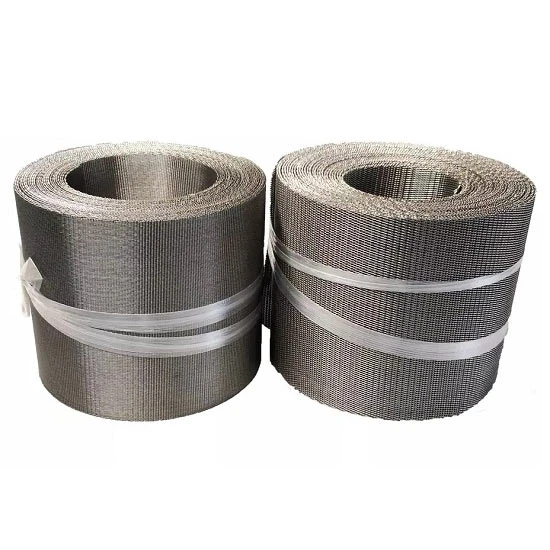
| Standard Roll Size | 1 m x 30 m |
| Typical Application | Filtration, EMI Shielding, Insect Screens |
Vendor Comparison: Leading Copper Mesh Wire Screen Suppliers
| Supplier | Quality | Customization | Lead Time | Typical Clients |
|---|---|---|---|---|
| Ansheng Filter Screen | High (certified copper purity) | Wide mesh sizes & thickness | 2-3 weeks | Water treatment, electronics |
| GlobalMesh Corp. | Medium (mixed alloys) | Standard sizes only | 4-6 weeks | Construction, automotive |
| CopperMax | Premium (special coatings) | Limited customization | 3-4 weeks | Aerospace, healthcare |
Future Trends & Innovations in Copper Mesh Wire Screen Technology
Tech advances don’t skip this field. Researchers are working on nano-structured copper meshes promising even finer filtration and better conductivity. Green energy integration is also a hot topic as copper meshes are developed for solar panel shielding and thermal management in batteries.
Additionally, digital manufacturing — like 3D weaving — is enabling complex mesh geometries previously impossible, expanding customization for specialty industries.
Challenges & Solutions in Copper Mesh Wire Screens
One common challenge is the initial cost barrier. Copper is pricier than alternatives, which can deter budget-conscious buyers. However, the long-term efficiency and recyclability usually offset this.
Another is oxidation (patina), which though protective, may alter mesh properties. Solutions include applying thin protective coatings or alloying with small amounts of other metals.
FAQ: Frequently Asked Questions About Copper Mesh Wire Screens
- Q1: How do copper mesh wire screens compare to stainless steel ones?
- A: Copper meshes offer superior electrical conductivity and natural antimicrobial properties, whereas stainless steel usually excels in mechanical strength and cost. The choice depends on your specific application.
- Q2: Can copper mesh wire screens be used in harsh chemical environments?
- A: Yes, copper resists many corrosive agents but may react with strong acids or bases. Surface treatments and coatings can enhance chemical resistance significantly.
- Q3: Are copper mesh wire screens sustainable?
- A: Absolutely. Copper is one of the most recycled metals globally, and copper meshes are 100% recyclable, making them sustainable materials in the long run.
- Q4: What maintenance is needed for copper mesh in outdoor applications?
- A: Occasional cleaning to remove dirt and oxidation buildup is recommended. Protective coatings also reduce maintenance frequency.
- Q5: Where can I source high-quality copper mesh wire screen?
- A: For reliable products, suppliers like Ansheng Filter Screen offer certified copper mesh tailored for various industries.
Conclusion
In real terms, copper mesh wire screen is an unsung hero shaping how industries filter, shield, and protect vital systems worldwide. From improving water safety in vulnerable regions to securing next-gen electronics, its versatility and sustainability make it a smart choice for the future. Interested in source options or custom solutions? Visit Ansheng Filter Screen for quality copper mesh products designed for your needs.
Mini takeaway: Copper mesh wire screens combine innovation, reliability, and responsibility in one crafted mesh.
References:
1. Wikipedia: Copper
2. International Copper Study Group (ICSG) Reports
3. ISO on Copper Mesh Standards
Post time: Dec . 05, 2025 05:40