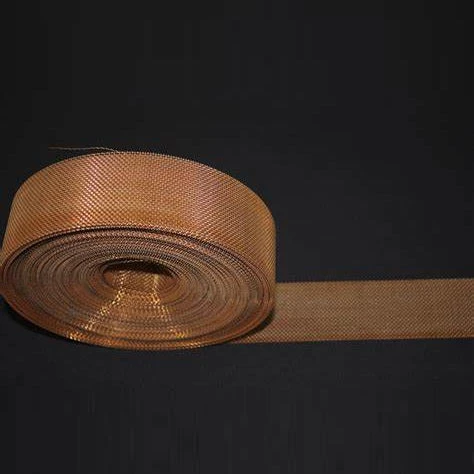

Understanding Steel Wire Net: The Unsung Hero of Modern Infrastructure
Steel wire net might not be the flashiest topic in today’s industrial arena, but it certainly holds a pivotal place globally. Essentially, it’s a versatile mesh made by weaving or welding steel wires, and its applications span everything from reinforcing concrete to protecting crops and livestock. Why should we care? Well, as global infrastructure projects surge and sustainability becomes a priority, the demand for durable, reliable, and cost-effective materials like steel wire net skyrockets. Beyond industry, it affects humanitarian needs, environmental protection, and even urban planning.
Introduction: The Global Context of Steel Wire Net
Worldwide construction output was valued at over $13 trillion in 2023, according to the World Bank, and a good chunk of materials used includes various metal reinforcements, particularly steel-based products like steel wire net. In agriculture, too, the FAO reports that fencing and containment solutions help reduce crop losses and animal predation, boosting food security in vulnerable regions.
However, challenges remain. In many developing countries, access to high-quality steel wire net is limited. Corrosion, inconsistent mesh standards, and high manufacturing costs limit its adoption. These hurdles underscore the importance of understanding the material better — not just as an abstract concept but as a practical solution tailored to global needs.
What Exactly is Steel Wire Net?
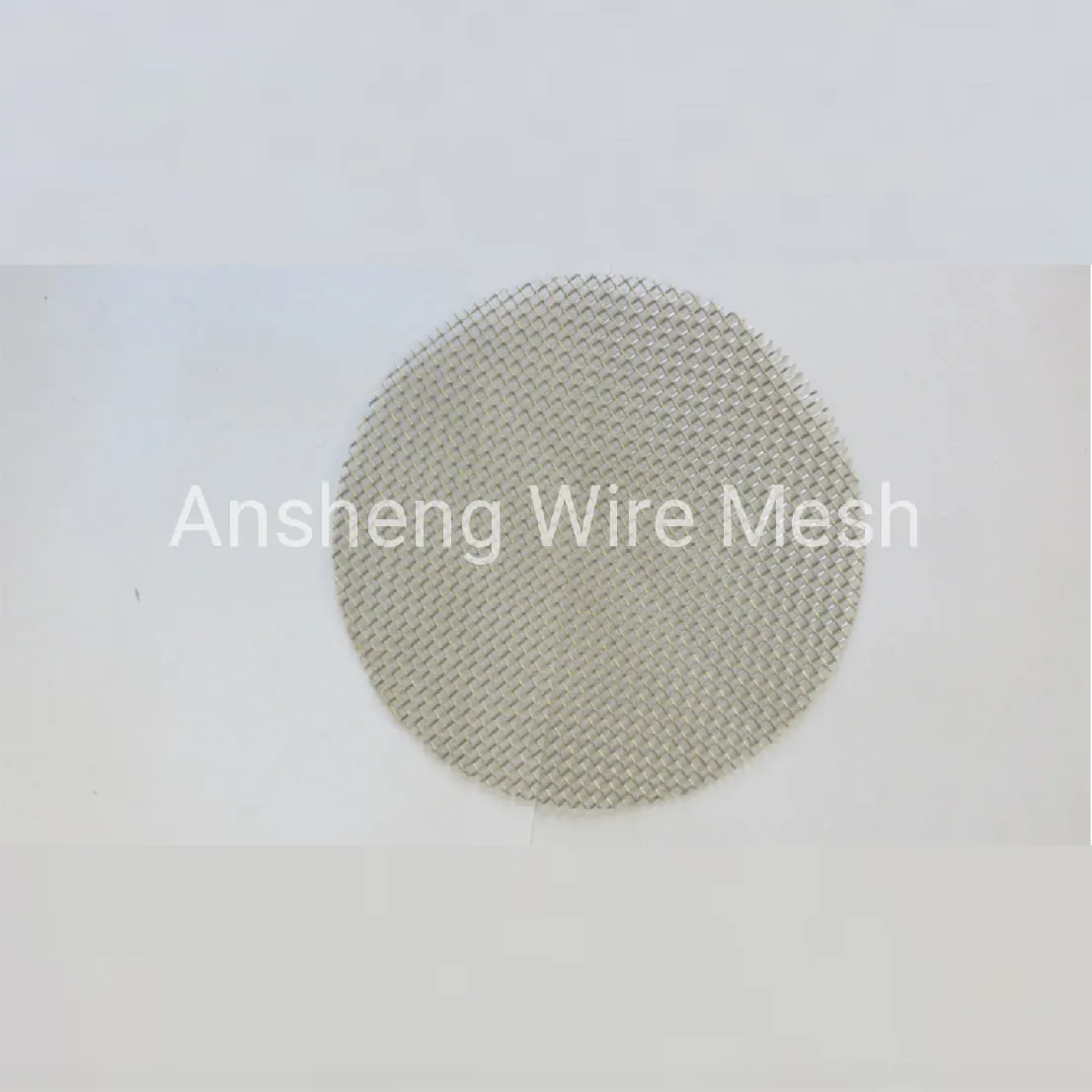
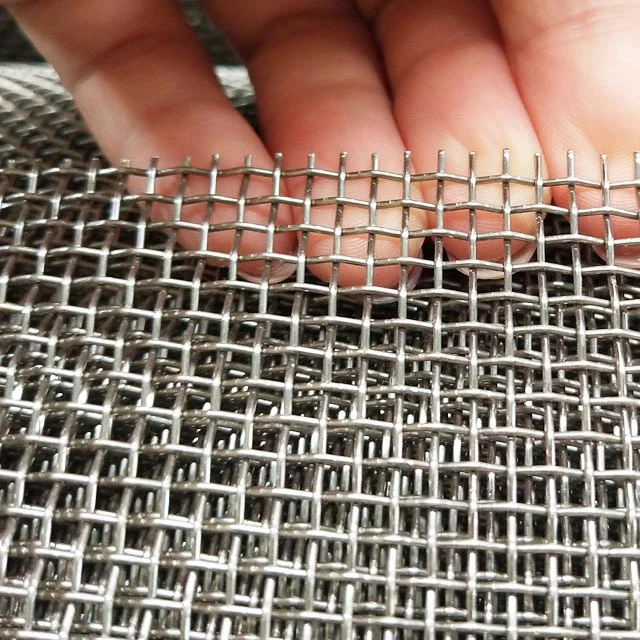
In simple terms, steel wire net is a mesh or grid made from interlaced steel wires, ranging in pattern from square to hexagonal. The technique to produce it varies — some nets are welded, others woven — producing different strengths and flexibilities. It is inherently connected to modern industry and humanitarian efforts by providing a strong yet flexible barrier or reinforcement. For example, it’s crucial in reinforcing concrete structures or making animal enclosures in disaster zones, enhancing safety and stability.
Key Factors of Steel Wire Net
Durability
Made from galvanized or stainless steel, these nets resist rust and corrosion, giving them a lifespan of several decades depending on usage conditions. Durability is king here, especially in coastal or high-humidity zones.
Scalability
Steel wire netting comes in various gauges and mesh sizes, making it adaptable for both small-scale fencing and massive industrial projects. Scalability allows it to serve everything from household garden fences to large infrastructural reinforcements.
Cost Efficiency
Compared to solid steel plates or bars, wire nets provide excellent strength-to-cost ratios. They use less raw material but still deliver significant fortification, a critical factor especially when budgets are tight.
Versatility
Its application stretches across sectors—construction, agriculture, mining, and even art installations, showing how practical it is beyond traditional uses.
Easy Installation & Maintenance
Relatively light and flexible, steel wire nets are easier to handle on-site. Maintenance usually involves occasional checks for damage or corrosion, which is minimal if the material is properly galvanized.
Steel Wire Net Product Specifications
| Specification | Details |
|---|---|
| Material | Galvanized Steel Wire, Stainless Steel Wire |
| Mesh Size | 5mm - 50mm square or hexagonal |
| Wire Diameter | 0.5mm - 5.0mm |
| Finish | Hot-Dip Galvanized, PVC Coated |
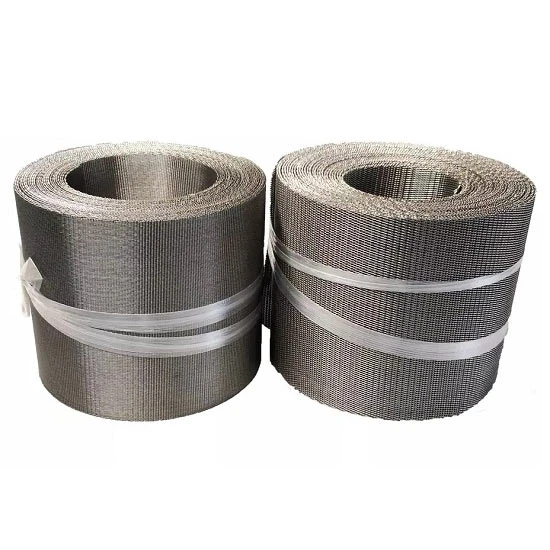
| Standard Length | 10m, 25m, 50m rolls |
Mini takeaway: Steel wire nets combine multiple crucial factors — durability, adaptability, and cost-effectiveness — which make them vital in countless applications worldwide.
Real-World Applications Across the Globe
In developing parts of Africa and Asia, steel wire nets serve as key components in fencing to protect livestock and secure crops from wildlife, directly supporting livelihoods. The United Nations Humanitarian Agency, for instance, has distributed wire mesh fencing in post-conflict zones to rehabilitate agricultural lands.
In urban infrastructure, the material reinforces concrete in bridges and buildings in Europe and North America. Mining industries in Australia rely heavily on steel wire netting for safety cages and ground support in tunnels.
- Post-disaster rebuilding: Natural disaster response teams use steel wire net to create temporary protective barriers and reinforce shelters rapidly.
- Agricultural fencing: Protects crops and livestock, improving food security in vulnerable regions.
- Industrial uses: Mesh nets safeguard machinery, prevent debris spread, and support construction scaffolding.
Vendor Comparison: Leading Producers of Steel Wire Net
| Vendor | Material Quality | Product Range | Price Range | Lead Time |
|---|---|---|---|---|
| Ansheng Filterscreen | High-grade galvanized & stainless | Wide variety, custom sizes | Moderate | 3-4 weeks |
| Global Metal Mesh Co. | Standard galvanized | Standard sizes only | Low | 2 weeks |
| Eco Mesh Solutions | Recycled steel options | Limited customization | High | 4-6 weeks |
Advantages & Long-Term Value of Steel Wire Net
Steel wire nets combine safety, affordability, and sustainability. The material’s longevity means less frequent replacements — a big plus when managing extended infrastructure projects. Importantly, it helps preserve human dignity and safety, whether by securing homes or farms. On the innovation front, new galvanizing methods and coatings enhance corrosion resistance, while the mesh’s flexibility supports complex architectural designs.
Emerging Trends and Innovations
Looking ahead, steel wire net manufacturers are experimenting with eco-friendly coatings and incorporating sensors into wire meshes for real-time structural monitoring — a fascinating intersection of traditional material and smart technologies. Digital transformation also facilitates better quality control and customized orders, speeding delivery times. Finally, the push toward sustainability means recycled steel wire nets are gaining momentum, aligning with global emissions targets set by ISO standards.
Challenges and Solutions
Despite the benefits, warehouse and shipment damage, inconsistent mesh sizes, and quality control issues still pose problems globally. To mitigate these, manufacturers are adopting stricter testing protocols and employing advanced welding and weaving technologies. Moreover, educating buyers on proper installation and maintenance enhances lifespan and performance — it’s a partnership, really, between producer and end-user.
FAQ: Frequently Asked Questions About Steel Wire Net
- Q: How do I choose the right mesh size for my project?
A: Consider the application— smaller mesh sizes offer greater security and containment, while larger meshes are lighter and suited for fencing large areas. Consulting product specifications and your project needs is key. - Q: Is galvanized steel wire net suitable for coastal environments?
A: Galvanized steel offers reasonable corrosion resistance but combining it with PVC coating enhances protection especially near salty sea air. - Q: Can steel wire net be customized for unique shapes?
A: Yes, many suppliers like Ansheng Filterscreen offer custom sizes and shapes, which is crucial for architectural and industrial-specific needs. - Q: What is the typical lifespan of steel wire nets outdoors?
A: Depending on material and coating, generally 20-30 years or more if properly maintained.
Wrapping Up + Call to Action
Ultimately, steel wire netting is a quietly powerful component in building safer, more sustainable worlds—whether in protecting infrastructure, crops, or communities. It’s a blend of tradition and innovation that answers a wide spectrum of needs effectively. Curious to explore quality products or customize wire nets for your project? Visit us at Ansheng Filterscreen and take your first step toward resilient, cost-effective solutions.
Mini take-away: Steel wire nets meet global demands for strength, flexibility, and sustainability — an industrial unsung hero.
References:
1. World Bank Global Construction Data
2. FAO reports on agricultural safety
3. ISO Environmental Management Standards
Post time: Dec . 02, 2025 03:10