
Understanding Mesh Screen Metal: Foundations and Future
Mesh screen metal might sound like a niche technical term, but it quietly underpins a surprising number of vital applications worldwide—everything from industrial filtration to infrastructure safety to humanitarian aid. Why should you care? Because it's a simple yet transformative solution in countless sectors, optimizing safety, efficiency, and sustainability one woven wire at a time.
Global Context: Why Mesh Screen Metal Matters
With a global economy increasingly focused on sustainable development and efficient resource use, mesh screen metal has proven invaluable. According to the International Organization for Standardization (ISO), metal mesh products contribute extensively to filtration, sieving, and reinforcement across mining, construction, and manufacturing industries, worldwide. In fact, market reports suggest that the global metal mesh market is expected to grow at an annual rate of over 5% through 2028, driven largely by developing industrial hubs in Asia and Africa.
One pressing challenge many industries face is balancing durability with cost-efficiency—mesh screen metal often appears as the answer. Oddly enough, what seems like a basic woven metal product actually plays a strategic role in critical infrastructure, clean water initiatives, and disaster resilience, especially in emerging economies.
What Exactly Is Mesh Screen Metal?
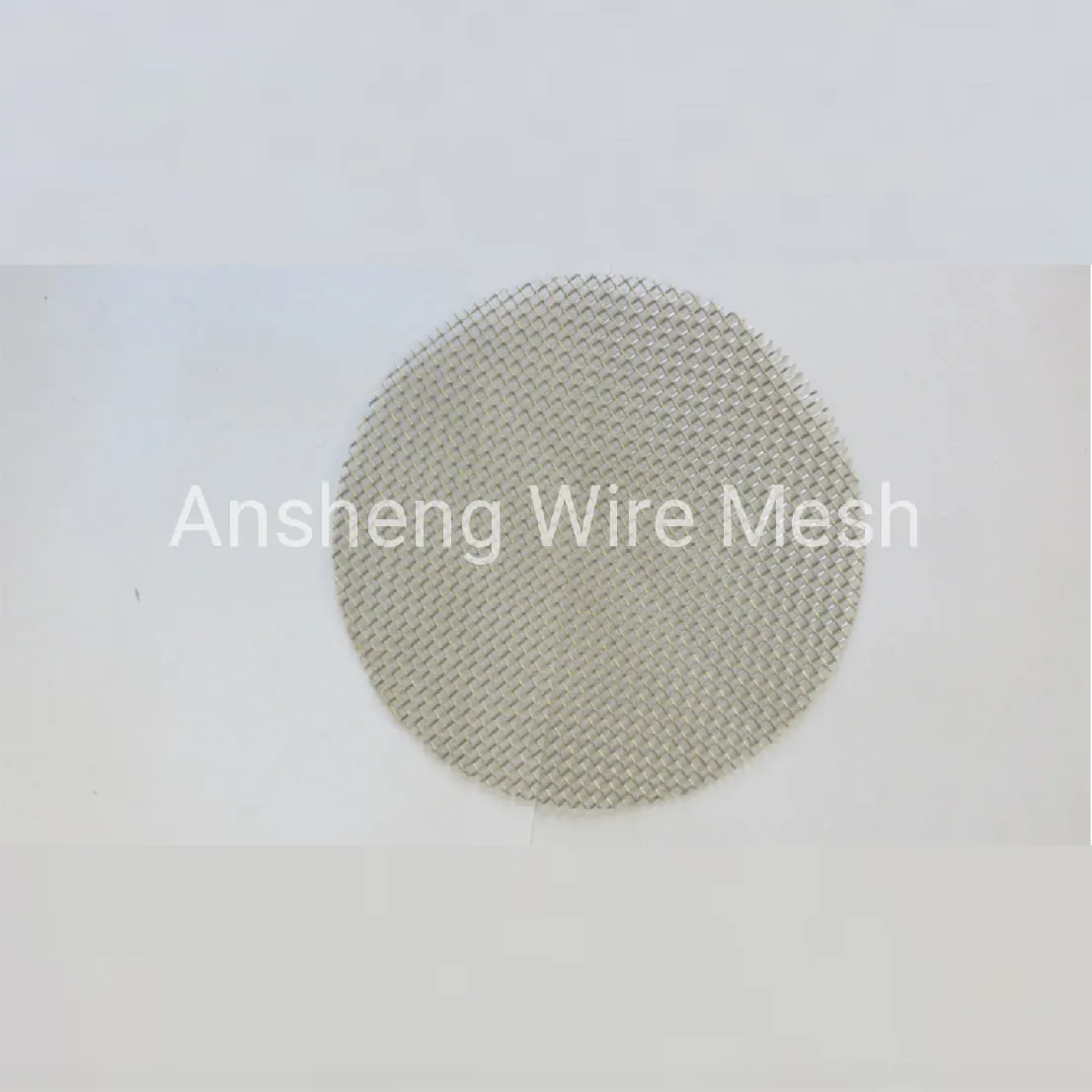
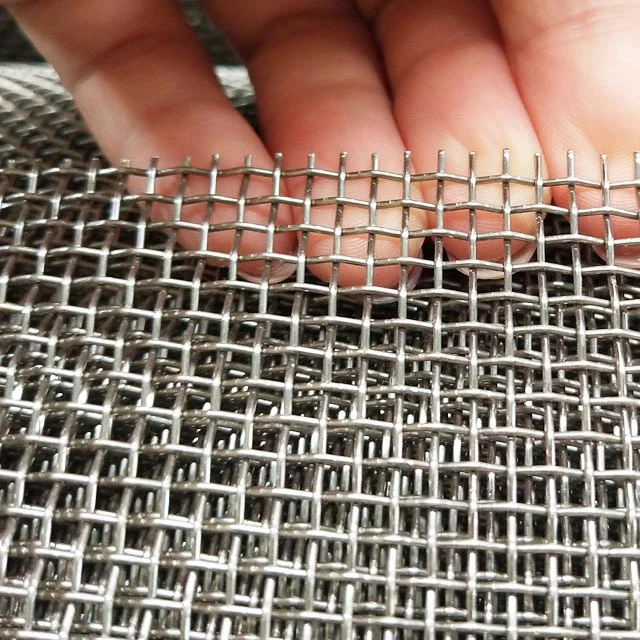
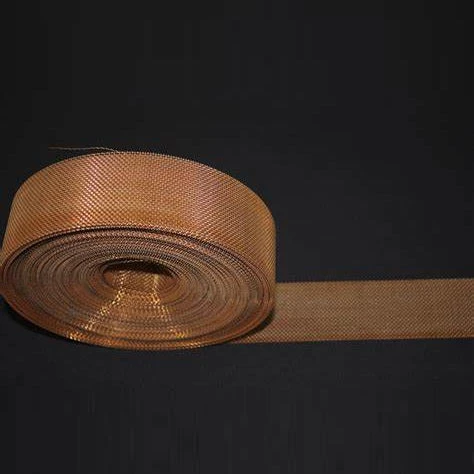
At its core, mesh screen metal consists of interlaced metal wires forming a grid or net. This structure can vary greatly – from fine gauze helping filter microscopic particles to heavy-duty steel mesh reinforcing concrete structures. It acts as both a physical barrier and a passage, selectively controlling flow or creating protective enclosures. Today, in an industrial and humanitarian context, mesh screen metal is crucial due to its versatility and adaptability.
Think about water purification in remote communities or air filtration in dusty factories—both rely heavily on metal mesh screens. Understanding its makeup helps industries innovate solutions tailored to unique needs.
Core Components & Key Aspects of Mesh Screen Metal
1. Durability
Most engineers I’ve spoken to emphasize the importance of corrosion resistance after durability. Metal mesh screen products made from stainless steel, galvanized steel, or aluminum alloys endure harsh environments, from marine applications to chemical plants, without degrading rapidly.
2. Scalability
The ability to produce and customize mesh screen metal at different scales matters immensely. Whether manufacturers need square inch filters or massive meters-long panels for industrial sieves, production flexibility sets providers apart in the market.
3. Cost Efficiency
Metal mesh screens offer a great return on investment because they combine longevity with low maintenance needs. They avoid common issues like clogging and mechanical failure, lowering replacement costs.
4. Filtration Precision
The size and pattern of the mesh define its filtering capabilities. Some filters sieve contaminants as small as a few microns while still allowing high flow rates, vital in pharmaceutical and food processing sectors.
5. Environmental Sustainability
Thanks to metal’s recyclability, mesh screen products contribute to circular economies. Plus, their durability reduces waste and resource consumption compared to disposable alternatives.
Typical Specifications of Mesh Screen Metal Products
| Parameter | Specification | Typical Use Case |
|---|---|---|
| Material | Stainless Steel 304/316, Galvanized Steel | Corrosion resistance for outdoor and chemical environments |
| Mesh Opening Size | 0.1 mm up to 50 mm | Filtration and structural reinforcement |
| Wire Diameter | 0.05 mm – 5 mm | Durability and strength tailoring |
| Finish | Polished, Galvanized, Powder Coated | Depending on exposure and aesthetic requirements |
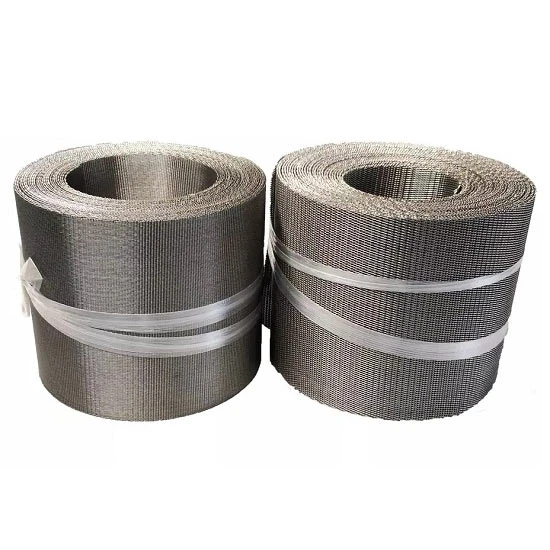
| Roll Width | Up to 2 meters | Large scale industrial installations |
Global Applications and Use Cases
Mesh screen metal's adaptability makes it essential in regions as diverse as North America’s mining sectors, Europe’s pharmaceutical plants, and Southeast Asia’s water treatment facilities. For instance, in post-disaster relief operations in the Philippines, galvanised mesh screens have been used to filter debris from floodwaters, enabling communities to access cleaner water faster. In remote industrial zones such as parts of Australia’s outback, heavy-duty mesh screens serve as both safety cages and ventilation barriers, demonstrating their indispensable role in harsh climates.
If you’re curious, these products also show up in everyday life, embedded within mesh screen metal barriers used in building ventilation or as security fencing across urban and suburban spaces.
Mini takeaway: The global footprint of mesh screen metal is wide — stretching beyond industry into public health and safety domains, proving its critical and varied utility.
Advantages and Long-Term Value
- Cost Efficiency: Lower replacement frequency and minimal maintenance
- Sustainability: Recyclable materials reduce environmental impact (#ISO 14001)
- Safety and Dignity: Robust but breathable, mesh screens protect while enabling airflow
- Innovation: Materials and weave patterns evolve continuously, enhancing function
- Reliability: Proven performance under variable conditions builds stakeholder trust
Many engineers say the strength of mesh screen metal lies not just in its physical structure but in how it blends emotional security (peace of mind) with practical benefits. Whatever the region—whether it’s keeping dust out of a food processing plant or safeguarding homes in rural Africa—this material quietly inspires trust.
Market Leaders: A Quick Vendor Comparison
| Vendor | Product Range | Customization | Price Point | Lead Time |
|---|---|---|---|---|
| Ansheng Filter Screen | Wide: Filtration & structural mesh | High – bespoke mesh sizes & materials | Mid-range, competitive | 4-6 weeks |
| Global Wire & Mesh Inc. | Standard mesh panels | Limited customization | Lower | 2-3 weeks |
| SteelMate Ltd. | High-strength industrial meshes | Moderate | High | 5-7 weeks |
Future Trends & Innovations
The mesh screen metal industry is moving towards lighter but stronger alloys, integrating smart coatings that resist biofouling and embedding digital sensors that monitor strain or corrosion in real-time. There's also growing interest in sustainable sourcing and lifecycle transparency – partly driven by evolving regulations like the EU's Green Deal. Smart factories now automate mesh weaving with high precision, reducing waste and increasing customization speed. Frankly, these developments make mesh screen metal not just a product but a platform for digital industrial innovation.
Challenges & Practical Solutions
Of course, no material is perfect. One common hurdle is balancing fine mesh sizes with strength; very small openings tend to weaken the overall sheet. However, advanced weaving techniques and composite layering are partial solutions reducing this trade-off. Also, importing specialized mesh screen products can be complex due to regulatory hurdles—partnering with experienced suppliers like Ansheng Filter Screen helps ease this, ensuring compliance and timely delivery.
FAQ: Frequently Asked Questions About Mesh Screen Metal
- Q: What makes metal mesh screens better than plastic alternatives?
A: Metal meshes offer superior durability, heat resistance, and recyclability, making them better for harsh environments and long-term use. - Q: How long can mesh screen metal products last outdoors?
A: Depending on material and finish, properly treated mesh screens can last decades outdoors, resisting corrosion and mechanical wear. - Q: Are customized mesh screen sizes expensive?
A: Custom sizes usually come at a premium, but many vendors offer cost-effective options with reasonable lead times, especially for bulk orders. - Q: Can mesh screen metal aid in environmental projects?
A: Absolutely! They’re widely used in air and water filtration, erosion control, and habitat restoration efforts worldwide. - Q: How do I ensure I choose the right mesh for my project?
A: Consult with a trusted supplier about your environment, flow needs, and mechanical stresses to select the ideal material, weave, and finish.
Conclusion
Ultimately, mesh screen metal offers a durable, versatile, and environmentally sound solution to many industrial and humanitarian challenges across the globe. From reliable filtration to structural reinforcement, its applications will likely expand as new technologies and sustainability goals shape the future.
For businesses seeking quality mesh screen metal products tailored to demanding projects, I highly recommend exploring resources and options available at Ansheng Filter Screen. They combine expertise with customization versatility—truly a leader worth considering.
Keep in mind: Mesh screen metal might seem low-profile, but its impact is quietly powerful across industries and communities worldwide.
References
Post time: Dec . 02, 2025 02:35