
4x4 Welded Wire Panels for Fencing & Cages – Durable, Versatile, Easy Installation

  • Comprehensive overview of 4x4 welded wire panels
    , wire mesh panels, and wire panels
  • Industry significance and technical advantages
  • Comparative analysis of manufacturers with data table
  • Customization options and process insights
  • Real-world application examples in various sectors
  • Maintenance, installation tips, and lifespan statistics
  • Conclusion with future trends for 4x4 welded wire panels
4x4 welded wire panels

(4x4 welded wire panels)


4x4 Welded Wire Panels: Fundamental Overview and Market Significance

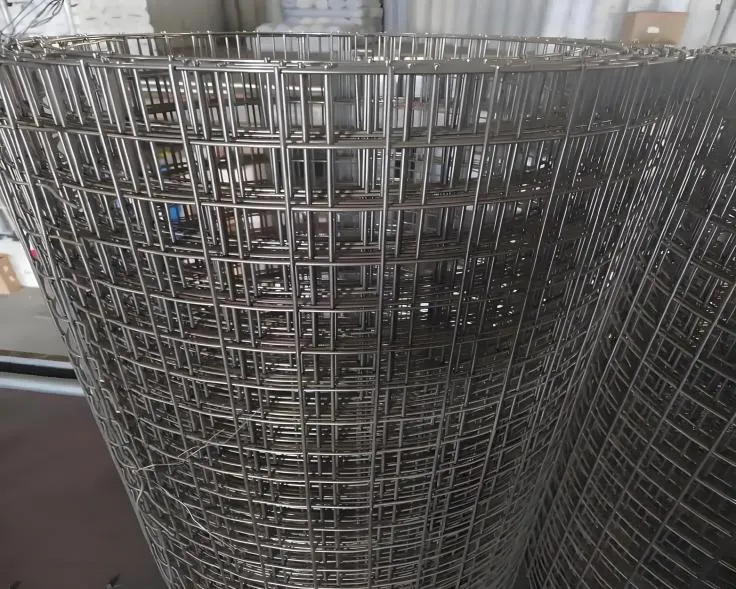
4x4 welded wire panels, along with closely related 4x4 welded wire mesh panels and 4x4 wire panels, have become essential components across construction, agricultural, industrial, and commercial applications. Characterized by their 4-inch by 4-inch mesh grid, these panels balance strength and open space, making them optimal for security fencing, animal enclosures, infrastructure reinforcement, and garden projects. Industry reports from 2022 show the global welded wire mesh market valued at $8.6 billion, with 4x4 panel variants comprising approximately 17% of total volume due to their unique balance between versatility and durability. Their widespread adoption is a testament to their cost-effectiveness and adaptability in a variety of demanding environments.

Technical Advantages: Engineered Performance and Design Excellence

Modern 4x4 welded wire mesh panels leverage advancements in metallurgy and welding to deliver exceptional strength-to-weight ratios. Typical panels use galvanized, stainless, or PVC-coated steel, providing resistance against rust, corrosion, and weathering, which extends lifespan by up to 35% over traditional wooden fencing alternatives. The welding process ensures consistent grid spacing and superior rigidity, ideal for load-bearing applications. With tensile strengths often exceeding 500 MPa and coatings conforming to ASTM A641/A641M standards, these panels require minimal maintenance during their 20-30 year average service life. Not only do these technologies reduce long-term costs, but they also deliver higher safety standards for high-traffic and high-security environments.

Manufacturer Comparison: Performance and Pricing Data Table

When sourcing 4x4 welded wire panels, key decision factors include material quality, production precision, availability of customizations, warranty, and after-sales support. The table below compares leading manufacturers to highlight product specifications, warranties, and delivered value:

Manufacturer Panel Size Material Coating Tensile Strength (MPa) Warranty Avg. Price per Panel (USD)
MeshGuard Industries 4'x8' Galvanized Steel Hot-Dip Galv. 550 20 Years $48
WirePro Solutions 4'x10' Stainless Steel 304 None 600 25 Years $82
SteelNet Corp 4'x6' PVC-Coated Steel Green PVC 510 15 Years $44
Eagle Mesh Works 4'x8' Galvanized Steel Electro-Galv. 530 18 Years $52

Note how custom sizing and advanced coatings impact both longevity and investment cost, with stainless steel panels commanding higher prices due to superior corrosion resistance. Regular product certifications and adherence to ISO 9001:2015 standards further differentiate major manufacturers.

Customization Solutions: Tailored Options for Diverse Industries

As project requirements grow ever more specific, manufacturers now offer bespoke 4x4 welded wire mesh panels tailored for unique loads, environments, and security ratings. Custom parameters include wire gauge (from 8 to 14), panel dimensions, mesh opening tolerances, and finishing options such as powder coating or specialized galvanization. For industrial automation or agriculture, custom cutouts and reinforced frames cater to mounting equipment or protecting livestock. Logistic companies often specify panels with integrated brackets or quick-assembly modular clips to accelerate installation in dynamic warehouse layouts. Over 60% of corporate clients now request customized solutions, seeking maximum efficiency and regulatory compliance. Streamlined digital ordering platforms now allow real-time CAD integration, reducing lead times and ensuring precise fit-to-purpose solutions.

Application Cases: Real-World Deployment in Core Sectors

The impact of 4x4 welded wire panels can be seen in transformative case studies across several industries. In transportation, large-scale infrastructure projects utilize these panels for bridge reinforcement and highway barriers, contributing to a 25% reduction in annual maintenance costs according to DOT statistics. Agricultural operators deploy customized panels in feedlots and aviaries, reporting improved animal welfare and biosecurity. In commercial settings, retail chains have transitioned to wire mesh partitioning for stockroom security, decreasing inventory shrinkage by 18% after implementation. Parks and recreation departments leverage the panels for playground and sports field enclosures, benefiting from extended lifecycles and lower repair frequency. These successes underline the panels’ adaptability and measurable value in both operational and financial metrics.

Installation Insights and Maintenance Strategies

Proper installation and maintenance are critical to unlocking the full lifespan and security performance of 4x4 welded wire panels. Data from field tests show that panels anchored with galvanized steel posts and anti-tamper fasteners withstand lateral loads of over 850 Newtons without deformation, ideal for high-security contexts. It's recommended to inspect panel joints and coating integrity annually—studies reveal diligent maintenance can extend operative lifespan by as much as 12%. For cleaning, using low-pressure water and non-abrasive detergents helps preserve coatings, while modular panel designs allow for rapid replacement in high-traffic or vandal-prone areas. Detailed installation manuals and QR-coded instructional resources have reduced field installation times by up to 22%, boosting contractor efficiency and reducing project downtime.

Future Trends and Innovations in 4x4 Welded Wire Panels

Looking ahead, the 4x4 welded wire panels market is anticipated to grow at a CAGR of 5.5% through 2030, propelled by innovations in composite materials, smart coating technologies, and digital supply chain integration. Emerging trends include self-healing polymer overlays, IoT-enabled security monitoring with embedded sensors, and environmentally sustainable manufacturing techniques that lower total lifecycle emissions by up to 30%. As regulatory emphasis on safety and resilience increases, these panels are evolving beyond mere enclosures, becoming integral to intelligent infrastructure. Stakeholders investing in high-quality, customizable welded wire panel solutions will continue to benefit from unmatched versatility, durability, and cutting-edge features, further cementing these products as industry mainstays.

4x4 welded wire panels

(4x4 welded wire panels)


FAQS on 4x4 welded wire panels

Q: What are 4x4 welded wire panels?

A: 4x4 welded wire panels are metal mesh sheets with a 4x4 inch grid, commonly used for fencing and enclosures. They are formed by welding intersecting wires together. This construction ensures strength and stability.

Q: What materials are 4x4 welded wire mesh panels made from?

A: 4x4 welded wire mesh panels are usually made from galvanized or stainless steel. These materials offer rust resistance and durability. They are suitable for both indoor and outdoor applications.

Q: How can I use 4x4 wire panels?

A: 4x4 wire panels can be used for fencing, animal cages, garden trellises, and shelving. Their sturdy design makes them versatile for various construction projects. They are easy to install and cut to size.

Q: Are 4x4 welded wire panels suitable for outdoor use?

A: Yes, most 4x4 welded wire panels are designed for outdoor use, especially when galvanized or coated. They can withstand weather and moisture. Regular maintenance extends their lifespan.

Q: Can I cut 4x4 welded wire panels to fit specific dimensions?

A: Yes, you can easily cut 4x4 welded wire mesh panels with bolt cutters or wire snips. This allows for customized sizing according to your project needs. Always use safety gloves when cutting.

Post time: Jul . 04, 2025 12:37
Related News
  • Discover precision engineering and durable solutions with Wire Mesh Discs from Anping County Ansheng. Combining cost-effective customization with advanced CNC machining, our discs ensure industrial excellence. Explore now: https://www.anshengfilterscreen.com/single-layer.html

  • Plain weave is one of the most basic and fundamental fabric weaves. Its simplicity doesn’t equate to limited use; on the contrary, it's incredibly versatile and found in countless applications. This article will explore the characteristics of plain weave, its advantages, and, most importantly, what is plain weave used for across various industries. Understanding this weave is crucial for anyone involved in textiles, filtration, or composite materials. It's a cornerstone of many modern manufacturing processes. The plain weave is characterized by its simple over-under pattern. Each weft yarn (horizontal) alternates crossing over and under each warp yarn (vertical). This creates a distinct checkerboard-like appearance. This seemingly simple structure gives the fabric excellent stability and a balanced texture. The density of the weave – the number of warp and weft yarns per inch – directly affects the fabric’s properties, such as its strength, permeability, and drape. It’s a remarkably efficient weave, making it cost-effective for large-scale production. The versatility of plain weave makes it a go-to choice in numerous industries. Here's a breakdown of some key applications: Apparel Fabrics: Cotton, linen, and polyester plain weaves are used extensively in clothing – think shirts, blouses, bedsheets, and linings. Filtration: Plain weave fabrics are a fundamental component of many filter screens, used for separating solids from liquids or gases.

  • Dutch wire mesh, renowned for its precision and versatility, is a crucial material across various industries, from filtration and screening to architectural applications. This article delves into the specifics of Dutch wire mesh, its properties, applications, and why Ansheng Filter Screen is a leading provider of high-quality Dutch wire mesh solutions. Whether you are in need of precise filtration, robust screening, or specialized weaving, understanding the nuances of this material is key to making informed decisions. Let's explore the world of Dutch wire mesh and uncover its many benefits. Dutch wire mesh isn’t a specific weave style but rather a term signifying a precise method of weaving wire, primarily focusing on achieving extremely consistent aperture sizes. It’s characterized by its tightly controlled weave and uniform openings, making it ideal for applications where precise filtration or screening is critical. Typically made from stainless steel (304, 316L, and others), the mesh is known for its durability, corrosion resistance, and ability to withstand high temperatures. The process involves weaving wires in both warp and weft directions, creating a stable and dimensionally accurate fabric.

  • Dutch weave is a versatile type of woven wire mesh known for its unique structure and diverse applications. It's characterized by alternating plain and twill weaves, resulting in a fabric with excellent strength, flexibility, and permeability. This makes it ideal for a range of uses in industries like filtration, screening, and reinforcement. Ansheng Filter Screen specializes in high-quality dutch weave mesh, catering to diverse industrial needs. Understanding the properties and applications of dutch weave is key to maximizing its benefits in various sectors. Dutch weave isn’t a single weave pattern but a combination. It’s created by alternately weaving plain and twill patterns. The twill weave creates a diagonal rib pattern which impacts the mesh’s properties. This unique construction results in a mesh that is more open in one direction than the other, providing excellent flow characteristics. This makes it superior for applications needing high permeability while maintaining good structural integrity.

  • Protecting crops, buildings, and infrastructure from bird damage is a significant concern for many industries. Galvanised bird mesh provides a robust and effective solution. This article will explore the benefits, applications, and key considerations when choosing galvanised bird mesh, offering a detailed overview for those seeking reliable bird control. From agricultural protection to industrial applications, we will cover everything you need to know about this versatile product. Galvanised bird mesh is a woven wire netting coated with a layer of zinc. This galvanisation process provides excellent corrosion resistance, making it suitable for outdoor applications and harsh environments. The mesh is typically made from steel wire, offering strength and durability. Different mesh sizes are available to cater to various bird species and protection needs.

  • When selecting materials for industrial filtration, construction, or agricultural applications, galvanized steel mesh screen stands out as a durable and cost-effective solution. This article will provide a detailed overview of galvanized steel mesh screen, covering its properties, applications, benefits, and important considerations when making a purchase. Understanding its characteristics can help you determine if it’s the ideal material for your specific needs. We will delve into the nuances of this versatile material and how Ansheng Filter Screen provides quality products. Galvanized steel mesh screen is a woven wire mesh manufactured from steel that has been coated with a layer of zinc. This zinc coating acts as a protective barrier against corrosion and rust, significantly extending the lifespan of the steel. The galvanization process can be hot-dip galvanizing or electro-galvanizing, each offering different levels of protection and cost. The mesh is typically available in various weave patterns, such as plain weave, twill weave, and dutch weave, each suited for different filtration and screening needs.

  • Galvanized netting is a versatile and cost-effective solution for a wide range of applications, from agricultural fencing to industrial safety barriers. Its durability and resistance to corrosion make it a popular choice across numerous industries. This article will delve into the properties of galvanized netting, exploring its benefits, common uses, different types available, and how to select the best netting for your specific needs. Understanding the nuances of galvanized netting will ensure you make an informed decision and maximize its lifespan and effectiveness. Galvanized netting is woven from steel wire that has been coated with a layer of zinc through a process called galvanization. This zinc coating acts as a barrier against corrosion, protecting the steel from rust and environmental damage. There are two primary galvanization methods: hot-dip galvanizing and electro-galvanizing. Hot-dip galvanizing involves immersing the steel wire in a bath of molten zinc, creating a thick and durable coating. Electro-galvanizing uses an electric current to deposit a thinner layer of zinc onto the wire.

  • Dutch weave mesh is a versatile and durable material used in a wide range of industrial and filtration applications. Known for its unique weaving pattern, it provides excellent strength and permeability. This article will explore the characteristics, applications, benefits, and considerations when choosing Dutch weave mesh, providing a thorough understanding for professionals and buyers. Understanding its properties is vital to selecting the right mesh for your needs. Dutch weave mesh is created by weaving two sets of wires – one heavier warp wire and one finer shute wire – in a specific pattern. This construction results in a mesh with larger openings in one direction and smaller openings in the other. The heavier warp wires provide strength and dimensional stability, while the finer shute wires create a greater open area for improved flow rates. This unique structure differentiates it from plain weave or twill weave meshes, making it ideal for applications requiring both filtration and structural integrity.

WE PROVIDE HIGH QUALITYEQUIPMENT
Recommend Products
  • Stainless Steel Plain Weave Wire Mesh

    Stainless steel plain weave wire mesh, also known as Stainless steel wire cloth, stainless steel screen, stainless steel gauze. Materials: Stainless steel 201, 304, 316, 316L, etc. Plain weave scope of Mesh : 1mesh-635mesh Plain weave scope of wire diameter: 1mm-0.001mm Plain weave scope of width: usually 0.915m-2meters, and special specifications can be customized according to customer requirements. Plain weave scope of length: generally 30 meters. Stainless steel wire mesh weave type: plain weave, twill weave, herringbone weave, dutch weave, reserve dutch weave

  • Stainless Steel Reverse Dutch Weave Wire Mesh

    Stainless steel reserve dutch weave wire mesh, also known as Stainless steel wire cloth, stainless steel screen, stainless steel gauze. Materials: Stainless steel 201, 304, 316, 316L, etc. Reserve dutch weave scope of Mesh : 72x15mesh-260x40mesh Reserve dutch weave scope of wire diameter: 0.55mm-0.15mm Reserve dutch weave scope of width: usually 60mm-300mm, and special specifications can be customized according to customer requirements. Reserve dutch weave scope of length: generally 10 meters, 20 meters, 30meters. Stainless steel wire mesh weave type: plain weave, twill weave, herringbone weave, dutch weave, reserve dutch weave

  • Iron Dutch Weave Wire Mesh

    Low-carbon steel dutch weave wire mesh, also known as iron wire filter mesh, black wire cloth. Materials: Low-carbon steel Scope of Mesh : 7x55mesh-40x200mesh Scope of wire diameter: 0.14mm-0.75mm Scope of width: usually 0.915m-1.3meters, and special specifications can be customized according to customer requirements. Scope of length: generally 30 meters. Weave: plain weave, herringbone weave, dutch weave

  • Phosphor Copper Wire Mesh

    Phosphor copper wire mesh, also known as copper wire mesh. Materials: QSn6.5-0.1,QSn6.5-0.4 Property: Non-magnetic, wear resistant, good ductility Scope of Mesh : 2-300mesh Scope of wire diameter: 0.08mm-0.8mm Scope of width: usually 1m-1.5meters, and special specifications can be customized according to customer requirements. Scope of length: generally 30 meters. Weave: plain weave, twill weave

tel email tel top

If you are interested in our products, you can choose to leave your information here, and we will be in touch with you shortly.