
Durable Industrial Filtration with  Mesh Disc Solutions

In the world of industrial processing and liquid-solid separation, the filter disc plays a pivotal role. Designed to withstand high temperatures, corrosive environments, and extreme pressure variations, these discs are essential in refining, petrochemical, pharmaceutical, food processing, and hydraulic filtration systems. With high dirt-holding capacity and consistent micron rating, filter discs ensure continuous system operation while protecting downstream components from clogging or wear.


Their adaptability in size, shape, and filtration level allows manufacturers to customize solutions for diverse applications. Whether it's removing contaminants from liquids or purifying gas flow, the filter disc remains a cost-effective and reliable solution for demanding environments.
 

Durable Industrial Filtration with  Mesh Disc Solutions


Precision-Crafted sintered metal filter disc for High-Performance Demands


Among the various filter disc types, the sintered metal filter disc stands out for its superior strength and durability. Produced through a meticulous sintering process, where fine metal powders are fused under high heat without melting, these discs offer uniform pore structures, high porosity, and excellent mechanical strength. They are particularly favored in applications requiring backflushing or high-frequency cleaning, as they can retain their integrity after multiple cycles.


Industries such as chemical processing, aerospace, and power generation depend heavily on sintered metal filters due to their resistance to thermal shock, pressure differentials, and chemical corrosion.


Effective Debris Control with filter mesh disc Assemblies


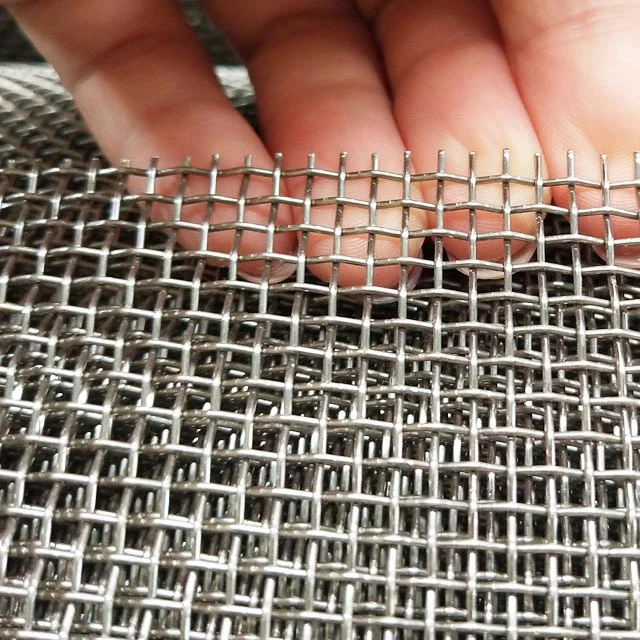
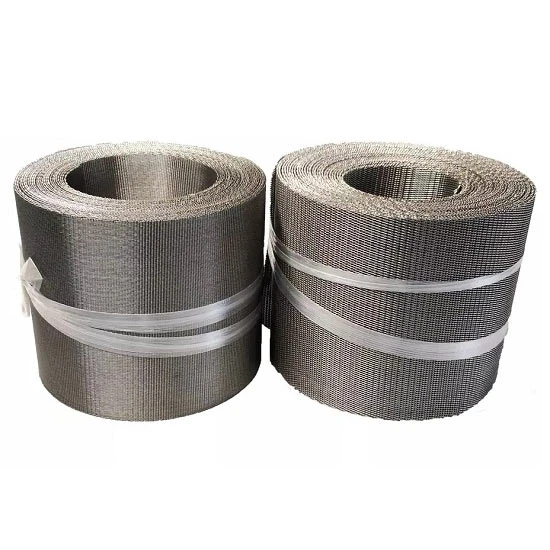
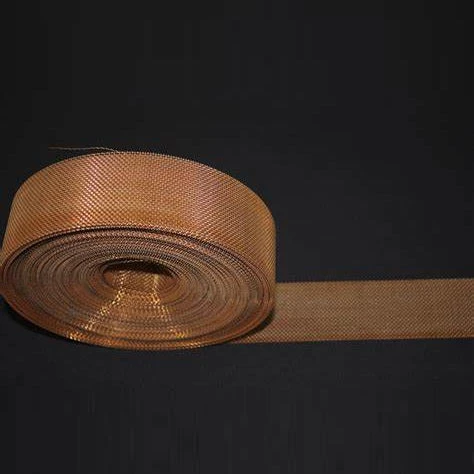
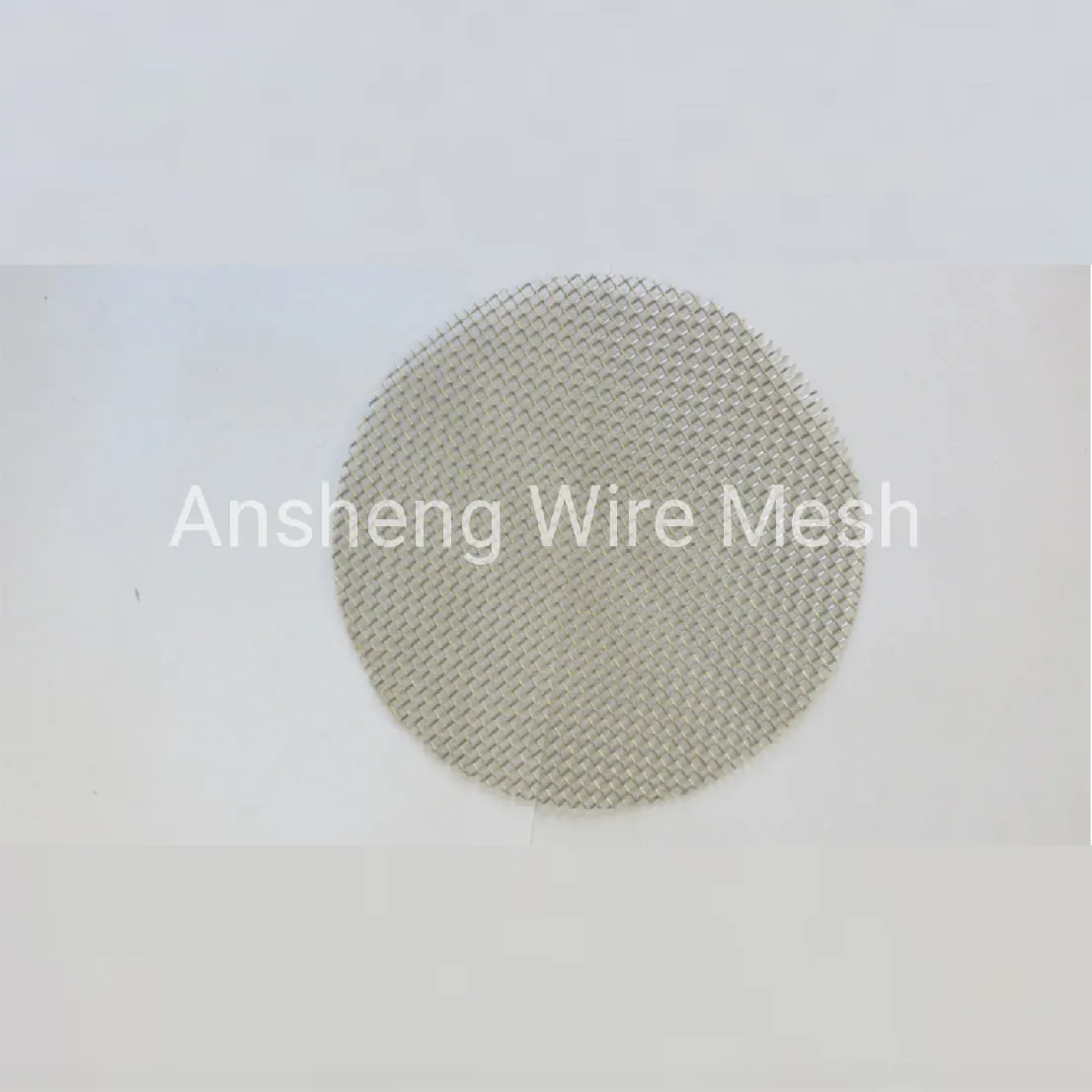
The filter mesh disc combines structural efficiency and fine filtration into one compact solution. These discs are commonly fabricated using stainless steel, brass, copper, or nickel wires, woven tightly into different mesh sizes to achieve the desired filtration precision. The open area ratio of mesh discs ensures minimal flow resistance, which is critical in maintaining optimal throughput and energy efficiency.


Filter mesh discs are easily integrated into valves, pipelines, or housings, and they serve as a first line of defense in capturing particles such as rust, scale, or sediments. Their ease of cleaning and reusability make them a popular choice for maintenance-focused systems.


Corrosion-Resistant stainless steel mesh disc for Harsh Conditions


For environments that are acidic, alkaline, or exposed to saline media, the stainless steel mesh disc offers unmatched performance. Crafted from materials such as 304, 316, or 316L stainless steel, these discs provide not only superior corrosion resistance but also excellent tensile strength and temperature tolerance.


They are widely used in marine filtration, beverage manufacturing, biopharmaceutical operations, and water treatment facilities. Whether installed in automated machinery or manual filter housings, stainless steel mesh discs maintain consistent filtration performance over extended operational cycles.


Versatile Applications of wire mesh discs in Custom Engineering


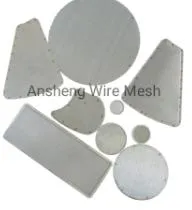
The term wire mesh discs covers a wide range of customizable filtration solutions designed to meet specific industrial challenges. Available in single-layer or multi-layer construction, wire mesh discs can be spot-welded, edge-seamed, or compressed into rigid shapes to fit exact system requirements.


They can be designed for ultra-fine filtration (below 10 microns) or for coarse particle retention, depending on the wire diameter and mesh configuration. From automotive oil filters to medical equipment, wire mesh discs enhance system reliability, extend equipment life, and contribute to better product quality.


Customization Options for Mesh Filter Discs


One of the biggest advantages of using metal mesh filter discs is the ability to customize. Sizes range from a few millimeters to several inches in diameter, with edge options including welded borders, punched rings, or rubber gaskets for sealing. The mesh material can be tailored to resist specific chemicals or temperatures, and micron ratings can range from 5μm to 2000μm depending on the application.


Whether you need a flat, convex, concave, or pleated disc, manufacturers can fabricate to exact customer specifications. This flexibility ensures that the filter disc integrates seamlessly into your system and performs under precise operational parameters.


 Easy Maintenance and Extended Service Life


Metal mesh discs are reusable and can be cleaned using ultrasonic baths, chemical rinses, or reverse flow flushing. This reduces replacement frequency and operational downtime, which translates into long-term cost savings. For industries where continuous flow and product purity are critical, this low-maintenance feature is a major advantage.


Additionally, the robust design means these discs are less likely to rupture or deform under pressure, ensuring consistent filtration over time.


Environmental Benefits of Reusable Metal Mesh Discs


In today's sustainability-conscious market, reusable stainless steel mesh disc and wire mesh discs offer an eco-friendly alternative to disposable paper or plastic filters. By reducing waste and eliminating the need for frequent replacements, businesses can meet environmental regulations and lower their carbon footprint.


Their recyclability at end-of-life further contributes to circular economy practices, making metal mesh filters a smart choice for companies looking to align operations with green standards.


Final Thoughts on Choosing the Right Metal Filter Disc


Choosing the right metal filter disc involves understanding your system's pressure, temperature, chemical exposure, and desired micron rating. Consult with filtration specialists who can help you select the appropriate mesh, diameter, and construction for maximum efficiency.


A properly selected disc improves performance, protects equipment, and ensures product consistency—all of which are essential for staying competitive in today's industrial landscape.


Metal Filter Disc FAQs


Q1: What is the main advantage of a sintered metal filter disc over a regular mesh disc?


A: Sintered metal discs offer higher structural integrity, uniform pore size, and resistance to high-pressure conditions, making them ideal for demanding applications.


Q2: How often should wire mesh discs be cleaned or replaced?


A: This depends on the application and contamination level, but they are typically reusable and can be cleaned multiple times before replacement is needed.


Q3: Can stainless steel mesh discs be used for food-grade applications?


A: Yes, stainless steel (especially 304 and 316 grades) is food-safe and commonly used in beverage and food processing filters.


Q4: What micron ratings are available for filter mesh discs?


A: Mesh discs can range from 5 microns to over 2000 microns depending on the wire diameter and weave.


Q5: Are custom sizes available for wire mesh discs?


A: Absolutely. Most manufacturers offer custom diameters, shapes, and multi-layer configurations to fit your specific filtration system.


Post time: Aug . 18, 2025 09:32
Related News
  • Plain weave is one of the most basic and fundamental fabric weaves. Its simplicity doesn’t equate to limited use; on the contrary, it's incredibly versatile and found in countless applications. This article will explore the characteristics of plain weave, its advantages, and, most importantly, what is plain weave used for across various industries. Understanding this weave is crucial for anyone involved in textiles, filtration, or composite materials. It's a cornerstone of many modern manufacturing processes. The plain weave is characterized by its simple over-under pattern. Each weft yarn (horizontal) alternates crossing over and under each warp yarn (vertical). This creates a distinct checkerboard-like appearance. This seemingly simple structure gives the fabric excellent stability and a balanced texture. The density of the weave – the number of warp and weft yarns per inch – directly affects the fabric’s properties, such as its strength, permeability, and drape. It’s a remarkably efficient weave, making it cost-effective for large-scale production. The versatility of plain weave makes it a go-to choice in numerous industries. Here's a breakdown of some key applications: Apparel Fabrics: Cotton, linen, and polyester plain weaves are used extensively in clothing – think shirts, blouses, bedsheets, and linings. Filtration: Plain weave fabrics are a fundamental component of many filter screens, used for separating solids from liquids or gases.

  • Dutch wire mesh, renowned for its precision and versatility, is a crucial material across various industries, from filtration and screening to architectural applications. This article delves into the specifics of Dutch wire mesh, its properties, applications, and why Ansheng Filter Screen is a leading provider of high-quality Dutch wire mesh solutions. Whether you are in need of precise filtration, robust screening, or specialized weaving, understanding the nuances of this material is key to making informed decisions. Let's explore the world of Dutch wire mesh and uncover its many benefits. Dutch wire mesh isn’t a specific weave style but rather a term signifying a precise method of weaving wire, primarily focusing on achieving extremely consistent aperture sizes. It’s characterized by its tightly controlled weave and uniform openings, making it ideal for applications where precise filtration or screening is critical. Typically made from stainless steel (304, 316L, and others), the mesh is known for its durability, corrosion resistance, and ability to withstand high temperatures. The process involves weaving wires in both warp and weft directions, creating a stable and dimensionally accurate fabric.

  • Dutch weave is a versatile type of woven wire mesh known for its unique structure and diverse applications. It's characterized by alternating plain and twill weaves, resulting in a fabric with excellent strength, flexibility, and permeability. This makes it ideal for a range of uses in industries like filtration, screening, and reinforcement. Ansheng Filter Screen specializes in high-quality dutch weave mesh, catering to diverse industrial needs. Understanding the properties and applications of dutch weave is key to maximizing its benefits in various sectors. Dutch weave isn’t a single weave pattern but a combination. It’s created by alternately weaving plain and twill patterns. The twill weave creates a diagonal rib pattern which impacts the mesh’s properties. This unique construction results in a mesh that is more open in one direction than the other, providing excellent flow characteristics. This makes it superior for applications needing high permeability while maintaining good structural integrity.

  • Protecting crops, buildings, and infrastructure from bird damage is a significant concern for many industries. Galvanised bird mesh provides a robust and effective solution. This article will explore the benefits, applications, and key considerations when choosing galvanised bird mesh, offering a detailed overview for those seeking reliable bird control. From agricultural protection to industrial applications, we will cover everything you need to know about this versatile product. Galvanised bird mesh is a woven wire netting coated with a layer of zinc. This galvanisation process provides excellent corrosion resistance, making it suitable for outdoor applications and harsh environments. The mesh is typically made from steel wire, offering strength and durability. Different mesh sizes are available to cater to various bird species and protection needs.

  • When selecting materials for industrial filtration, construction, or agricultural applications, galvanized steel mesh screen stands out as a durable and cost-effective solution. This article will provide a detailed overview of galvanized steel mesh screen, covering its properties, applications, benefits, and important considerations when making a purchase. Understanding its characteristics can help you determine if it’s the ideal material for your specific needs. We will delve into the nuances of this versatile material and how Ansheng Filter Screen provides quality products. Galvanized steel mesh screen is a woven wire mesh manufactured from steel that has been coated with a layer of zinc. This zinc coating acts as a protective barrier against corrosion and rust, significantly extending the lifespan of the steel. The galvanization process can be hot-dip galvanizing or electro-galvanizing, each offering different levels of protection and cost. The mesh is typically available in various weave patterns, such as plain weave, twill weave, and dutch weave, each suited for different filtration and screening needs.

  • Galvanized netting is a versatile and cost-effective solution for a wide range of applications, from agricultural fencing to industrial safety barriers. Its durability and resistance to corrosion make it a popular choice across numerous industries. This article will delve into the properties of galvanized netting, exploring its benefits, common uses, different types available, and how to select the best netting for your specific needs. Understanding the nuances of galvanized netting will ensure you make an informed decision and maximize its lifespan and effectiveness. Galvanized netting is woven from steel wire that has been coated with a layer of zinc through a process called galvanization. This zinc coating acts as a barrier against corrosion, protecting the steel from rust and environmental damage. There are two primary galvanization methods: hot-dip galvanizing and electro-galvanizing. Hot-dip galvanizing involves immersing the steel wire in a bath of molten zinc, creating a thick and durable coating. Electro-galvanizing uses an electric current to deposit a thinner layer of zinc onto the wire.

  • Dutch weave mesh is a versatile and durable material used in a wide range of industrial and filtration applications. Known for its unique weaving pattern, it provides excellent strength and permeability. This article will explore the characteristics, applications, benefits, and considerations when choosing Dutch weave mesh, providing a thorough understanding for professionals and buyers. Understanding its properties is vital to selecting the right mesh for your needs. Dutch weave mesh is created by weaving two sets of wires – one heavier warp wire and one finer shute wire – in a specific pattern. This construction results in a mesh with larger openings in one direction and smaller openings in the other. The heavier warp wires provide strength and dimensional stability, while the finer shute wires create a greater open area for improved flow rates. This unique structure differentiates it from plain weave or twill weave meshes, making it ideal for applications requiring both filtration and structural integrity.

  • Explore the benefits, applications, and vendors of Reverse Dutch Weave for industrial filtration systems. Learn how Ansheng Filter Screen delivers durable and high-performance filtration solutions.

WE PROVIDE HIGH QUALITYEQUIPMENT
Recommend Products
  • Stainless Steel Plain Weave Wire Mesh

    Stainless steel plain weave wire mesh, also known as Stainless steel wire cloth, stainless steel screen, stainless steel gauze. Materials: Stainless steel 201, 304, 316, 316L, etc. Plain weave scope of Mesh : 1mesh-635mesh Plain weave scope of wire diameter: 1mm-0.001mm Plain weave scope of width: usually 0.915m-2meters, and special specifications can be customized according to customer requirements. Plain weave scope of length: generally 30 meters. Stainless steel wire mesh weave type: plain weave, twill weave, herringbone weave, dutch weave, reserve dutch weave

  • Stainless Steel Reverse Dutch Weave Wire Mesh

    Stainless steel reserve dutch weave wire mesh, also known as Stainless steel wire cloth, stainless steel screen, stainless steel gauze. Materials: Stainless steel 201, 304, 316, 316L, etc. Reserve dutch weave scope of Mesh : 72x15mesh-260x40mesh Reserve dutch weave scope of wire diameter: 0.55mm-0.15mm Reserve dutch weave scope of width: usually 60mm-300mm, and special specifications can be customized according to customer requirements. Reserve dutch weave scope of length: generally 10 meters, 20 meters, 30meters. Stainless steel wire mesh weave type: plain weave, twill weave, herringbone weave, dutch weave, reserve dutch weave

  • Iron Dutch Weave Wire Mesh

    Low-carbon steel dutch weave wire mesh, also known as iron wire filter mesh, black wire cloth. Materials: Low-carbon steel Scope of Mesh : 7x55mesh-40x200mesh Scope of wire diameter: 0.14mm-0.75mm Scope of width: usually 0.915m-1.3meters, and special specifications can be customized according to customer requirements. Scope of length: generally 30 meters. Weave: plain weave, herringbone weave, dutch weave

  • Phosphor Copper Wire Mesh

    Phosphor copper wire mesh, also known as copper wire mesh. Materials: QSn6.5-0.1,QSn6.5-0.4 Property: Non-magnetic, wear resistant, good ductility Scope of Mesh : 2-300mesh Scope of wire diameter: 0.08mm-0.8mm Scope of width: usually 1m-1.5meters, and special specifications can be customized according to customer requirements. Scope of length: generally 30 meters. Weave: plain weave, twill weave

tel email tel top

If you are interested in our products, you can choose to leave your information here, and we will be in touch with you shortly.