Honestly, the whole industry is buzzing about prefabrication these days. Everyone's talking about speed, cost savings… but have you seen some of these prefab attempts? They look good on paper, but then you get to the site and… well, let's just say things don’t always line up. It's like they design it in an office and forget that real construction isn't perfectly square.
I spend a lot of time wrestling with wire mesh, specifically wholesale wire mesh. It's a foundational element, you know? People don't think about it, but without good mesh, everything else falls apart. I've been seeing a lot of demand for lighter gauge meshes lately, trying to shave weight, but that can be a real trap if you're not careful.
We mainly use stainless steel 304L for most applications - it's got that good corrosion resistance. But oddly enough, some clients still ask for galvanized steel. Smells… well, you know, metallic. Not pleasant. The 304L feels solid, you can tell it’s going to hold up. Handling it though… those cut ends will slice you if you’re not wearing gloves. I learned that one the hard way, believe me.
The Current Landscape of Wholesale Wire Mesh
To be honest, the demand for wholesale wire mesh is tied directly to construction activity, which, as everyone knows, is a rollercoaster. But it's not just building boom or bust. There’s a huge push for sustainability, which means more focus on durable materials and reducing waste. That’s good for us, because good mesh lasts. I encountered this at a factory in Jiangsu last time. They were trying to cut corners on the wire gauge, and the whole thing was just… flimsy.
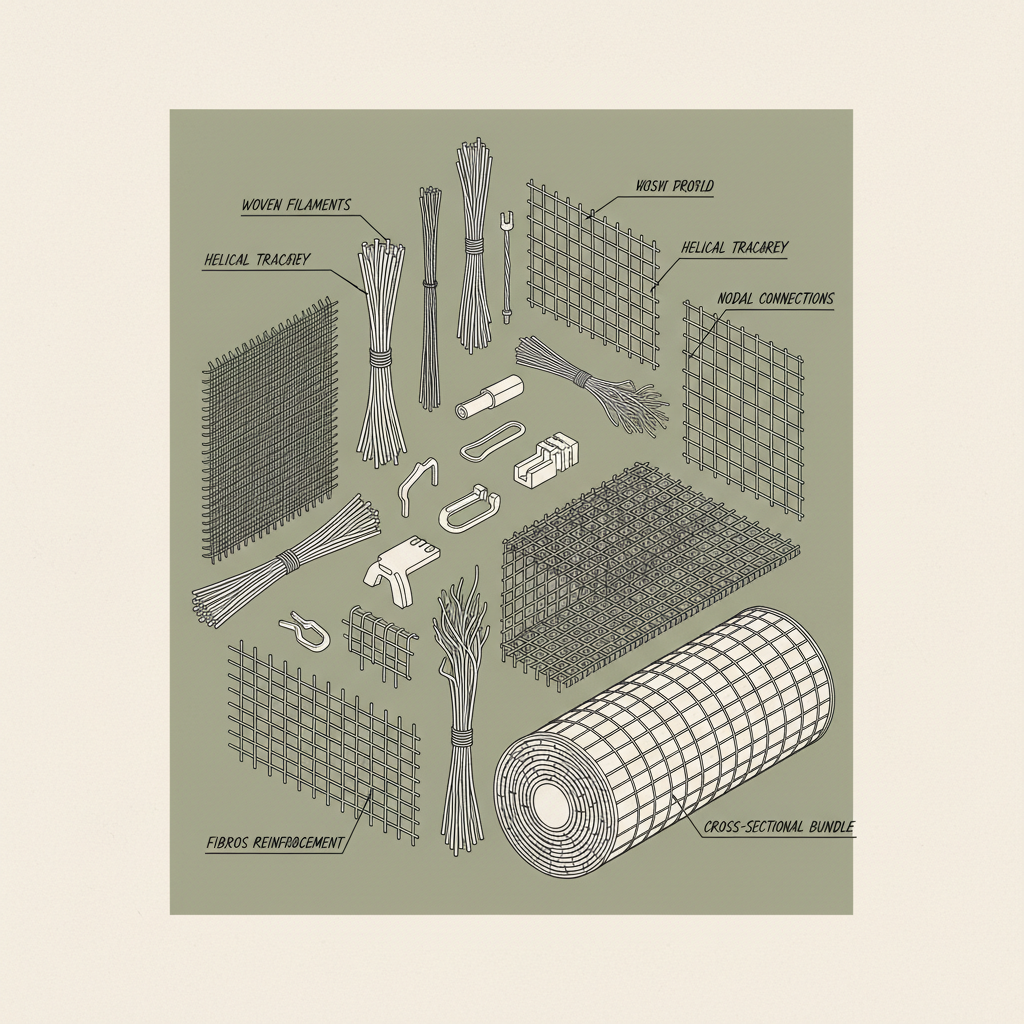
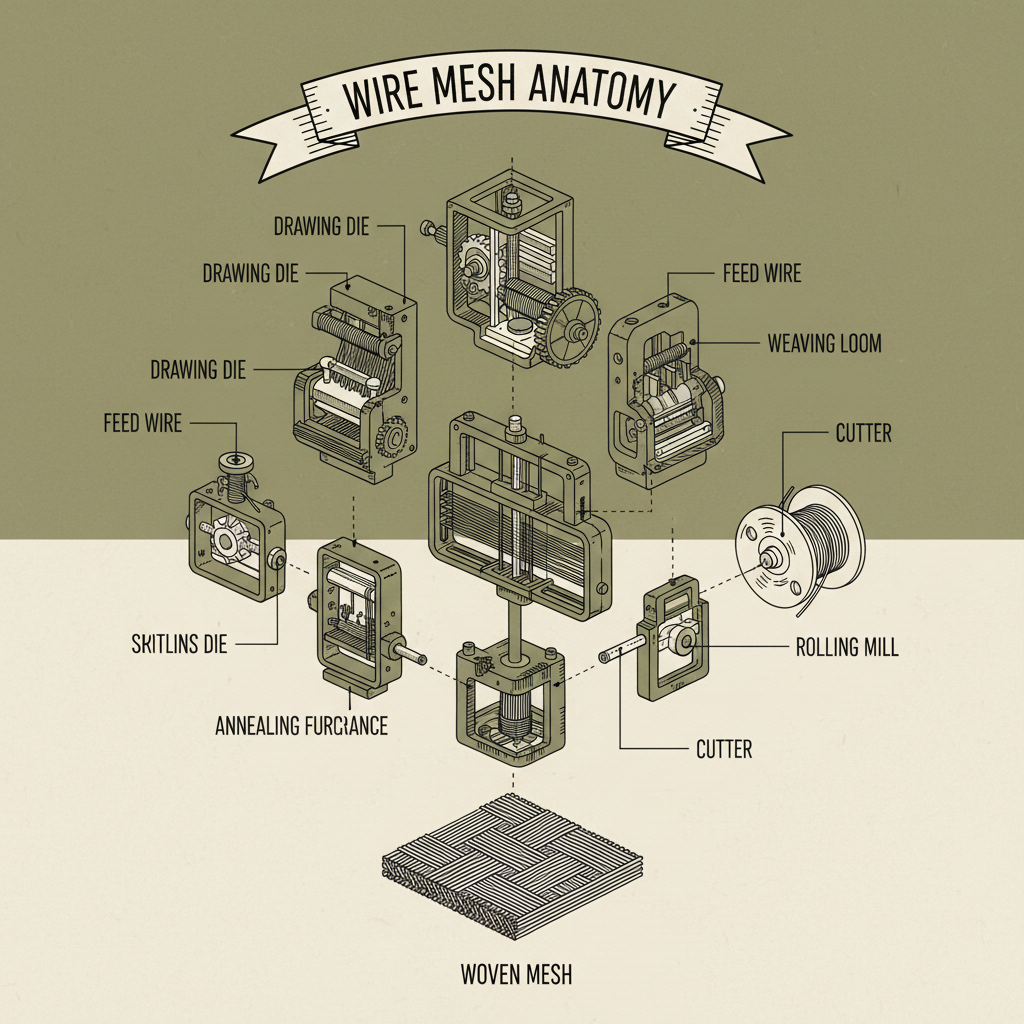
We're seeing a lot of requests for specialized weaves, too. Not just plain square mesh, but things with different hole patterns for specific applications – filtration, reinforcement, screening. It’s getting more complex, which means quality control is more critical than ever.
Common Design Pitfalls in Wholesale Wire Mesh Applications
Strangely, a lot of engineers underestimate the expansion and contraction of metal. They’ll design a structure assuming the mesh will stay perfectly put, but temperature changes, humidity… it all affects it. You need to factor in tolerances, or you’ll end up with buckling and cracking. It’s a classic mistake.
Another thing I’ve seen is people trying to substitute materials. "Oh, this cheaper alloy should work just as well!" It never does. You always pay for quality in the end. They'll end up redoing the whole job, and that costs way more than buying the right mesh to begin with.
And don't even get me started on the wrong mesh size for the application. Too big, and things fall through. Too small, and it clogs up. It seems obvious, but you’d be surprised.
Material Properties and On-Site Handling of Wholesale Wire Mesh
We mostly deal with 304 and 316 stainless steel. 304 is the workhorse, good all-around corrosion resistance. 316 is for harsher environments, coastal areas, chemical plants… you know, places where things are really trying to rust. It has molybdenum added, which makes a big difference.
Handling it… well, it's metal. Wear gloves! Seriously. And watch out for sharp edges, especially when you're unrolling it. Some of the cheaper stuff has burrs that will cut you. We’ve been using these heavy-duty wire cutters, they’re a lifesaver. We also have these special rollers to help unroll the larger rolls without damaging the mesh.
Galvanized steel, like I said, smells awful when you cut it. It feels… grittier than stainless. It’s cheaper, but it’s not a long-term solution, especially if it’s going to be exposed to the elements. Anyway, I think it's just a false economy.
Real-World Testing and Performance of Wholesale Wire Mesh
Forget the lab tests. Those are fine for basic specs, but they don't tell you how something will hold up in the real world. We do pull tests, of course, to check the tensile strength. But the real test is seeing how it performs on site, under actual load, over time.
We've started doing more simulated weathering tests, exposing samples to salt spray, UV radiation, extreme temperatures… basically trying to accelerate the aging process. It’s not perfect, but it gives us a better idea of long-term durability.
Performance of Different Wholesale Wire Mesh Weaves
Unexpected User Applications of Wholesale Wire Mesh
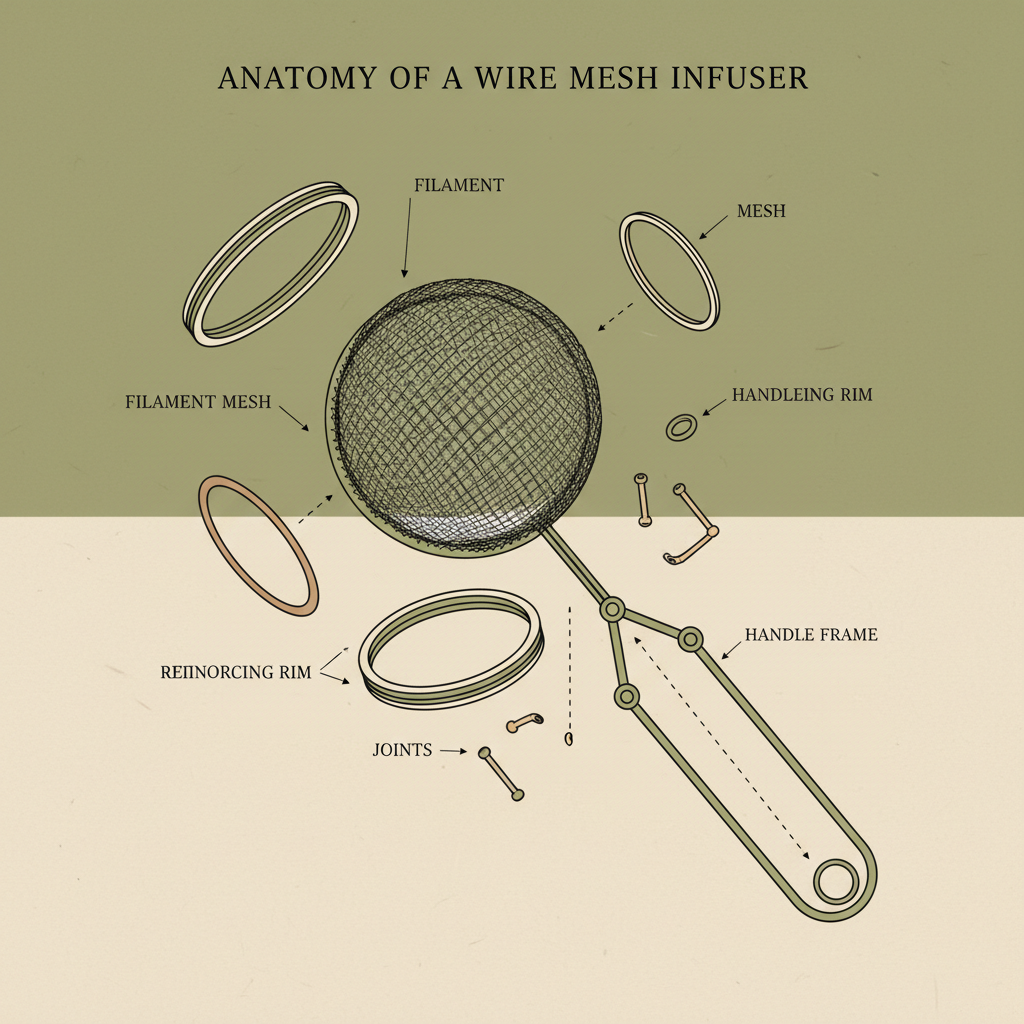
You wouldn't believe some of the things people use this stuff for. It's not always construction. We had a client using it to create sculptures, another one for making custom aquarium filters. I even had a guy ask if he could use it to build a Faraday cage for his electronics... apparently he was worried about electromagnetic interference.
Those are the fun ones. Usually, it’s boring stuff like reinforcing concrete or making screens, but every now and then you get a real curveball.
Advantages and Disadvantages of Using Wholesale Wire Mesh
Look, the advantages are obvious. It’s strong, durable, versatile… it’s a reliable material. It adds structural integrity, provides filtration, keeps things in or out. But the disadvantages? Cutting it is a pain. Handling large rolls can be dangerous. And sometimes, finding the exact weave and gauge you need can be a hassle.
It’s also surprisingly expensive. Especially if you’re going with high-quality stainless steel. People think it’s just “wire,” but the cost adds up quickly on a large project. And don't even get me started on shipping costs… it’s bulky and heavy, so that can be a killer.
Honestly, though, the benefits usually outweigh the drawbacks. You get what you pay for, and good wire mesh will save you headaches down the road.
Customization Options for Wholesale Wire Mesh
We can do a lot with customization. Different weaves, different materials, different finishes. We've done mesh with specialized coatings for extra corrosion resistance, mesh with embedded fibers for added strength… you name it.
Last month, that small boss in Shenzhen who makes smart home devices insisted on changing the interface to Type-C on a big order, and the result was a week delay because they had to change the tooling. It was a headache, but we accommodated it. We can also custom-cut the mesh to specific sizes, roll it onto custom spools, even pre-fabricate it into panels. It all depends on what the client needs.
Overview of Customization Parameters for Wholesale Wire Mesh
| Parameter |
Options |
Cost Impact |
Lead Time (Days) |
| Material Grade |
304, 316, Galvanized Steel, Aluminum |
Low-High |
2-5 |
| Weave Pattern |
Plain, Twill, Dutch, Reverse Dutch, Square |
Low-Medium |
3-7 |
| Aperture Size |
0.1mm - 10mm |
Low |
1-3 |
| Surface Finish |
Polished, Matte, Coated |
Medium-High |
5-10 |
| Roll Width/Length |
Customizable to client specifications |
Low |
2-4 |
| Edge Treatment |
Cut, Selvedged, Folded |
Low |
1-2 |
FAQS
Honestly, it’s not understanding the load requirements. They get mesh that’s too light, and then the concrete cracks. You need to calculate the stresses and choose a mesh with the appropriate tensile strength and wire diameter. It's worth spending a little extra upfront to avoid problems later on.
Galvanized mesh isn’t ideal for coastal areas, but if you have to use it, you can apply a protective coating like epoxy or polyurethane. That adds a layer of protection against salt spray and humidity. But really, 316 stainless steel is the best option for those environments. It’s more expensive, but it’ll last much longer.
Plain weave is the most common and simplest pattern. It's good for general-purpose applications. Twill weave has a diagonal pattern, which makes it more flexible and allows for tighter apertures. It's often used in filtration or screening where you need a finer mesh size and a bit more drape.
Safety first! Use a wire mesh roller to unroll it without damaging the mesh or injuring yourself. Wear gloves and safety glasses. And make sure you have enough help to handle the roll – it can be surprisingly heavy. Don’t try to be a hero.
Absolutely. Stainless steel wire mesh is highly recyclable. We encourage clients to send us their scrap mesh for recycling. It's good for the environment and helps reduce waste. Galvanized steel can also be recycled, but it's not as valuable.
It depends on the size and complexity of the order, but we generally have a minimum order quantity of 50 square meters. For very small custom cuts, we might be able to accommodate a smaller quantity, but there will be a cutting fee. We need to recoup the setup costs somehow.
Conclusion
Ultimately, good wholesale wire mesh is the unsung hero of a lot of construction projects. It’s not glamorous, but it’s essential. It's about choosing the right material, the right weave, and the right specifications for the job. And it’s about understanding that sometimes, the cheapest option isn’t the best option.
Because, at the end of the day, whether this thing works or not, the worker will know the moment he tightens the screw. They’ll feel it in the stability, in the quality of the connection. And that’s what really matters. Visit our website: www.anshengfilterscreen.com