
Understanding Copper Wire Fabric: A Vital Material for Modern Industry
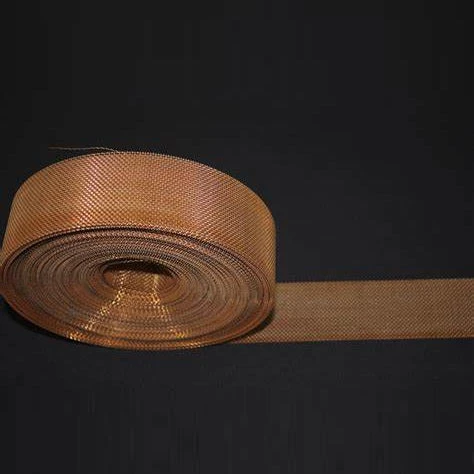
Copper wire fabric might not be the first thing that springs to mind when you think of innovation or sustainability, but trust me—it’s quietly revolutionizing industries worldwide. At its core, copper wire fabric is a mesh or woven cloth made from fine copper wires. These fabrics combine the unique properties of copper—like conductivity and antimicrobial effects—with a flexible, durable structure. It’s why so many sectors, from electronics to environmental engineering, are increasingly relying on this material. Plus, as global demand for sustainable, reliable materials grows, understanding copper wire fabric becomes even more important.
Oddly enough, copper wire fabric is both ancient and cutting-edge. Woven metal wire has existed for centuries, but today’s manufacturing processes and applications open doors that were previously unimaginable. So if you’re wondering why it matters globally, think about how copper’s conductivity supports our electronics, how its durability helps in filtration—and how, frankly, without it we’d be stuck in a less efficient, less safe industrial world.
Global Context: Why Copper Wire Fabric Is More Relevant Than Ever
Globally, copper consumption is forecasted to increase steadily. The International Copper Study Group (ICSG) reported that world refined copper usage exceeded 24 million metric tons in recent years, largely driven by electrification and infrastructure development. Now, add copper wire fabric into that mix—as a flexible, engineered form of copper—and you have a material becoming vital in solar panels, electromagnetic shielding, and even water purification systems.
Yet, industries face challenges: traditional materials are often bulky, rigid, or environmentally taxing. Copper wire fabric offers a lightweight, recyclable alternative—one that can be adapted for harsh environments and complex shapes. This is critical in post-disaster relief, for example, where quick deployment and reliability matter. And there’s more... many NGOs and engineers rely on copper wire mesh to perform under extreme conditions.
What Exactly Is Copper Wire Fabric?
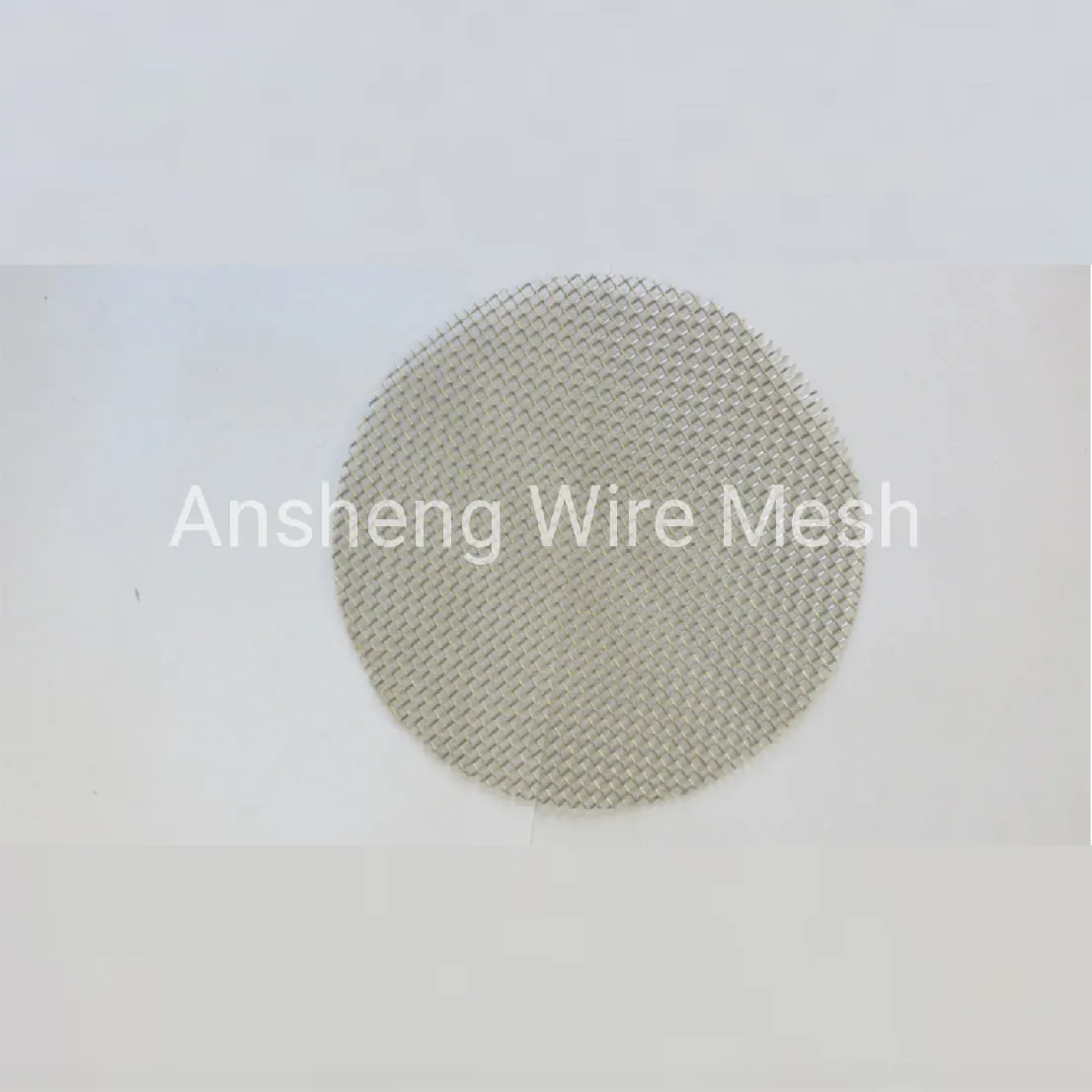
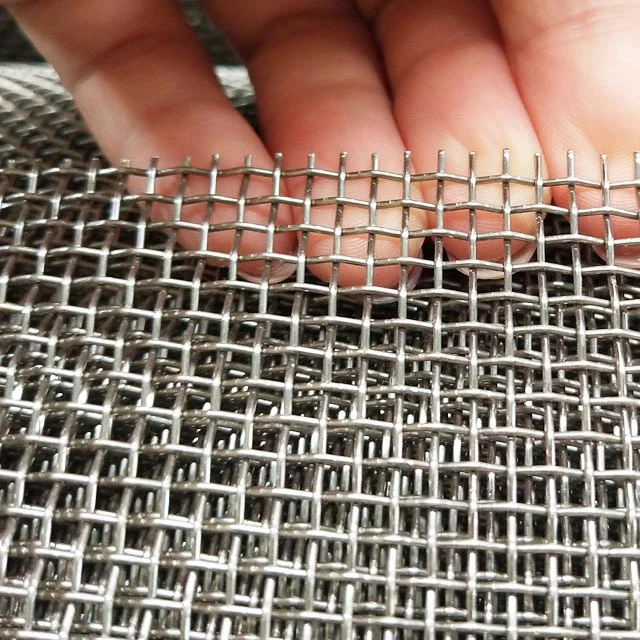
In simple terms, copper wire fabric is just a mesh made by weaving copper wires into a grid pattern. But the devil is in the details: wire diameter, weave pattern, and finishing all affect how the fabric behaves. Think of it as a metal textile that combines flexibility with metallic properties like electrical conductivity and antimicrobial action.
This fabric is widely used in electronics (for shielding from electromagnetic interference), filtration systems (for industrial and water treatment purposes), and even in architecture (as cladding or decorative elements that also provide functional benefits like ventilation).
Core Components of Copper Wire Fabric and Their Practical Impact
1. Durability and Corrosion Resistance
Copper naturally resists corrosion, which means copper wire fabric lasts longer even in tough, outdoor environments. For industries, it translates into fewer replacements and lower maintenance costs.
2. Electrical and Thermal Conductivity
One reason engineers favor this fabric is copper’s excellent conductivity. This makes copper wire fabric ideal for electromagnetic shielding and for heat dissipation in high-tech equipment.
3. Flexibility and Scalability
The fabric form factor is adaptable. You can cut, fold, or shape it to fit complex geometries—in short, it scales well from small electronic devices to large industrial installations.
4. Environmental Sustainability
Copper is 100% recyclable without loss of quality, and copper wire fabric can be reused multiple times. Compared to plastic or synthetic meshes, this offers a huge green advantage.
5. Cost Efficiency
While copper wire fabric can be pricier upfront compared to generic wire mesh, its longevity and multifunctionality reduce total lifecycle costs.
Mini takeaway: Copper wire fabric is the sort of smart investment that pays off in durability, sustainability, and adaptability—qualities increasingly prized worldwide.
Global Applications & Use Cases for Copper Wire Fabric
- Electronics Industry: Used extensively for electromagnetic interference (EMI) shielding in devices from smartphones to aerospace equipment.
- Water and Air Filtration: Many companies use copper wire fabric in filtration systems to remove contaminants, thanks to its anti-microbial and anti-corrosive properties.
- Architectural Solutions: As cladding, sunshades, or decorative screens that also provide ventilation and durability.
- Post-Disaster Relief: NGOs employ copper wire fabric for fast-deploy filtration units and electrical repairs in disaster zones.
- Renewable Energy: In solar panel manufacturing, copper wire fabrics are used for efficient conduction and structural support.
Regions such as Southeast Asia, Europe, and North America lead in industrial use, with rising adoption in Africa and Latin America due to infrastructure development goals.
Product Specification Table
| Specification | Typical Range | Importance |
|---|---|---|
| Wire Diameter | 0.05 - 1.0 mm | Affects flexibility and strength |
| Mesh Count (openings per inch) | 10 - 200 | Determines filtration/ventilation performance |
| Copper Purity | 99.9%+ | Ensures conductivity & corrosion resistance |
| Fabric Width | 1 - 3 meters | Scalability for large installations |
| Finishing Options | Tin-plated, bare, coated | Enhances durability & application fit |
Comparing Top Copper Wire Fabric Vendors
| Vendor | Product Range | Lead Time | Sustainability | Pricing |
|---|---|---|---|---|
| Ansheng Filter Screen | Wide (mesh sizes 10–200) | 2-4 weeks | High (uses recycled copper) | Competitive |
| CopperMesh Corp. | Medium range | 3-6 weeks | Moderate | Mid-level |
| Metallina Fabrics | Premium, custom orders | 4-8 weeks | Moderate | Premium pricing |
Advantages & Long-Term Value
The real story behind copper wire fabric lies not just in specs and stats, but in how it makes life and work better. For starters, its antimicrobial nature means it supports healthier environments—a subtle but critical factor in hospitals or clean water treatment plants. Plus, its conductivity is essential for everything from shielding sensitive electronics to enabling smart grid advances.
Then there is trust—knowing you have a material that will last through harsh weather, corrosion, or mechanical stress provides peace of mind. And to be frank, with sustainability at the forefront of industry decisions, copper fabric’s recyclability isn’t just a bonus, it’s a necessity.
Emerging Trends & Future Innovations
Frankly, the future looks bright for copper wire fabric. Innovations like nano-coatings to boost corrosion resistance, or integrating copper wire fabric with smart sensors for IoT applications, are already in pilot stages. We’re also seeing increased interest in combining copper mesh with bio-based composites to enhance eco-friendliness.
On the policy front, tougher regulations on plastics and synthetic fibers push industries toward metals like copper. And with green energy systems ramping up—think wind turbines and advanced photovoltaics—copper wire fabric will likely grow in strategic importance.
Challenges and How Experts Are Addressing Them
No material is perfect, and copper wire fabric faces hurdles like the initial cost barrier and the need for specialized fabrication tools. However, advances in automated weaving machinery and economies of scale promise to reduce costs.
Another common concern is weight compared to polymer meshes—but this tradeoff is often offset by durability and conductivity benefits. Experts recommend lifecycle cost analysis rather than upfront cost comparison to get the full picture.
FAQ: Frequently Asked Questions About Copper Wire Fabric
- What makes copper wire fabric better than traditional wire mesh?
- Copper wire fabric offers superior conductivity, corrosion resistance, and antimicrobial properties compared to traditional meshes made from steel or aluminum. This makes it suitable for more demanding applications like EMI shielding and water filtration.
- How durable is copper wire fabric in outdoor environments?
- Because copper resists corrosion and oxidation, copper wire fabric can last many years outdoors, especially if coated or treated. This longevity lowers maintenance and replacement costs.
- Is copper wire fabric reusable or recyclable?
- Yes, copper is 100% recyclable without loss of quality, making copper wire fabric highly sustainable and reusable in various applications.
- Can copper wire fabric be customized for specialized needs?
- Absolutely. Manufacturers can tailor wire diameter, mesh count, and finishing to fit specific filtration or shielding requirements.
- How to choose the right vendor for copper wire fabric?
- Look for vendors who offer a wide product range, quick lead times, and sustainability certifications. For example, Ansheng Filter Screen is known for extensive options and eco-friendly materials.
Conclusion & Call to Action
Copper wire fabric combines reliability, sustainability, and versatility in ways few materials can match. Its role across industries—from environmental to electronics—underscores its growing global significance. Whether you’re seeking durable filtration solutions or efficient EMI shielding, investing in copper wire fabric is a step toward innovation and long-term value.
If you want to explore quality copper wire fabric products or learn more about their applications, visit https://www.anshengfilterscreen.com. It’s a great place to start your journey toward smarter, sustainable materials.
Mini takeaway: Copper wire fabric is more than metal mesh; it’s a material shaping safer, cleaner, and smarter industries worldwide.
References:
Post time: Dec . 06, 2025 01:45