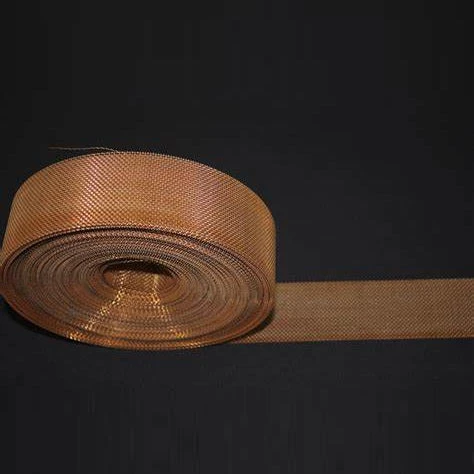

In diverse industrial landscapes, from advanced filtration to robust structural support, the demand for high-performance wire mesh is ever-present. Among the myriad weave patterns available, plain weave mesh stands out for its fundamental strength, simplicity, and efficiency. This foundational mesh type, characterized by individual warp wires passing alternately over and under individual weft wires, creates a strong, stable, and uniformly open structure. As a critical component in countless B2B applications, understanding its technical nuances, manufacturing processes, and application advantages is paramount for engineers and procurement specialists seeking optimal solutions for filtration, separation, and structural reinforcement.
Industry Trends and Market Dynamics for Plain Weave Mesh
The market for industrial wire mesh, including plain weave mesh, is significantly influenced by global industrial growth, stricter environmental regulations, and advancements in material science. Key trends include:
- Increasing Demand for High-Purity Filtration: Industries such as pharmaceuticals, food and beverage, and semiconductor manufacturing are driving demand for finer mesh counts and highly corrosion-resistant materials (e.g., SS316L, Duplex Stainless Steel) to meet stringent purity standards. This directly impacts the specifications of plain mesh, pushing for precision weaving and superior surface finishes.
- Sustainable Manufacturing Practices: A growing emphasis on energy efficiency and waste reduction in industrial processes leads to a preference for durable, long-lasting mesh solutions that reduce replacement frequency and associated environmental impacts.
- Customization and Specialty Alloys: As applications become more specialized, there's a rising need for tailored mesh solutions, including specific mesh dimensions, unique material compositions (e.g., Inconel, Monel for extreme environments), and specialized edge treatments.
- Automation and Digitalization: Advanced manufacturing technologies, including automated weaving looms and quality control systems, are improving the consistency and precision of plain weave wire mesh production, reducing defects and enhancing throughput.
These trends highlight the evolving landscape where performance, precision, and sustainability are key drivers, making the selection of a reliable plain steel wire mesh supplier even more critical.
Manufacturing Process Flow of Stainless Steel Plain Weave Wire Mesh
The production of high-quality Stainless Steel plain weave mesh is a meticulously controlled process, ensuring the final product meets stringent industry requirements for durability, precision, and performance.
Materials and Raw Wire Preparation:
- Material Selection: Primarily, stainless steel grades like SS304, SS316, and SS316L are used due to their superior corrosion resistance, high tensile strength, and excellent temperature stability. Specialty alloys like Duplex Stainless Steel, Monel, or Inconel may be selected for extreme conditions, offering enhanced resistance to specific corrosive media or higher temperatures.
- Wire Drawing: Raw stainless steel rods are precisely drawn through a series of dies to achieve the exact wire diameter required for the specified mesh count. This process, often involving multiple stages of annealing and drawing, ensures uniform diameter, optimal tensile strength, and ductility of the wire.
Weaving Process:
The core of plain weave wire mesh production is the weaving on specialized looms.
- Warp Wire Setup: Longitudinal (warp) wires are fed from a large spool through a series of guides and heddles, which control their vertical movement.
- Weft Wire Insertion: Transverse (weft) wires are automatically inserted, one by one, through the shed (the opening created by the warp wires). In a plain weave, each weft wire passes alternately over one warp wire and under the next, creating a tightly interlocked structure.
- Beating-Up: After each weft wire insertion, a reed mechanism "beats up" or pushes the newly inserted weft wire tightly against the previously woven wires, compacting the mesh and ensuring uniform openings.
- Rolling and Collection: The woven mesh is continuously rolled onto a take-up beam. Modern weaving looms feature advanced controls to maintain consistent tension and weave density throughout the process.
Finishing and Quality Control:
- Cleaning and Degreasing: The woven mesh undergoes thorough cleaning to remove any oils, lubricants, or residues from the manufacturing process.
- Annealing (Optional): For certain applications requiring enhanced ductility or stress relief, the mesh may undergo an annealing process.
- Slitting and Cutting: The large rolls of mesh are precision-cut into specified widths and lengths, often using automated slitting machines to ensure accurate dimensions.
- Testing and Inspection: Strict quality control measures are implemented at every stage. This includes visual inspection for defects, measurement of wire diameter, mesh count, and opening size (aperture) using calibrated instruments. Mechanical tests, such as tensile strength and elongation, may also be performed. Adherence to international standards like ISO 9044 (Industrial wire screens — Woven wire cloth — Technical requirements and tests) and ASTM E2814 (Standard Guide for the Sampling and Testing of Industrial Woven Wire Filter Media) is critical.
- Packaging: Finished plain steel mesh is carefully packaged to prevent damage during transit, often in rolls or sheets, protected by moisture-resistant materials.
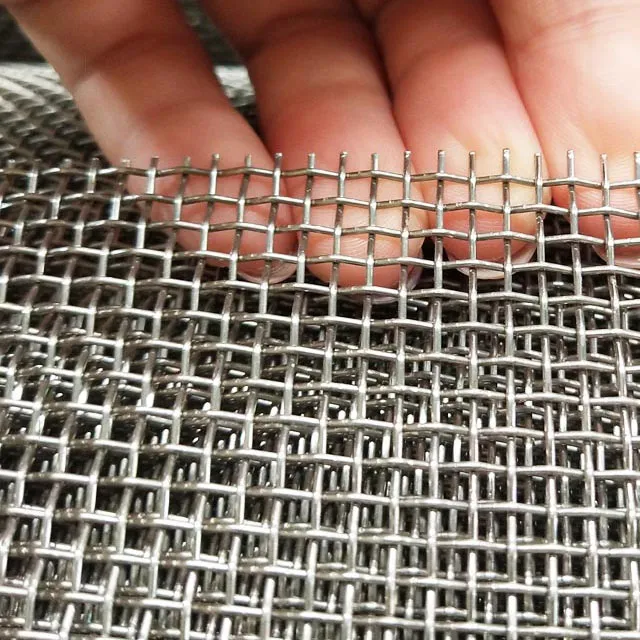
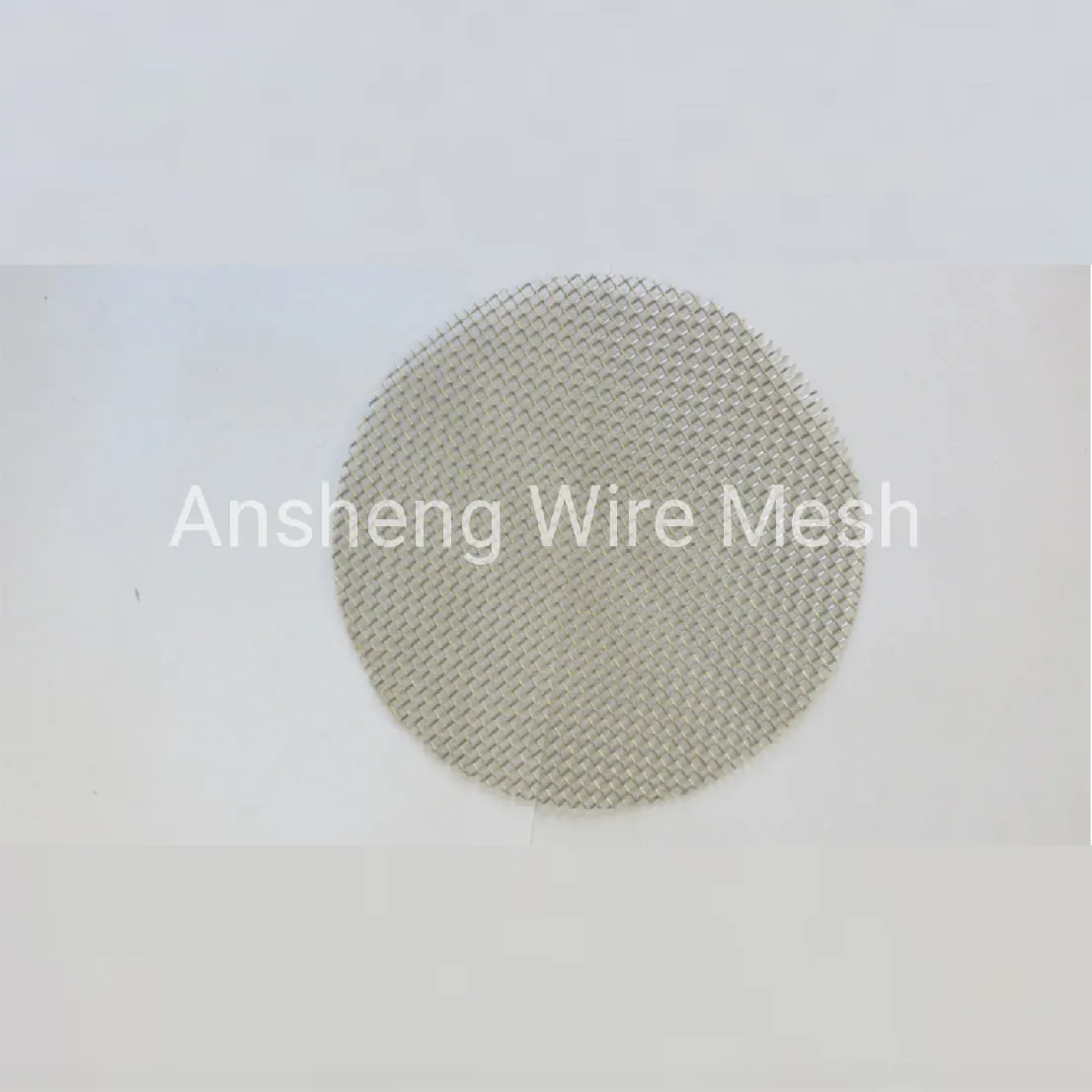
Precision weaving ensures consistent plain weave mesh quality.
This rigorous process ensures that each sheet or roll of Stainless Steel plain weave mesh delivers optimal performance, particularly in demanding target industries such as petrochemical (for catalyst support and fluid filtration), metallurgy (for ore screening and furnace grids), and water supply & drainage (for particulate removal and filter screens). Advantages often demonstrated in these scenarios include energy saving through efficient filtration, extended service life due to superior corrosion resistance, and consistent flow rates.
Technical Specifications and Parameters of Stainless Steel Plain Weave Wire Mesh
Understanding the technical specifications of plain weave mesh is crucial for precise application matching. Key parameters directly influence the mesh's performance in filtration, strength, and durability.
Key Parameters:
- Mesh Count (Mesh per Inch, MPI): This refers to the number of openings per linear inch. A higher mesh count indicates finer filtration. Typical ranges for plain weave mesh can vary from 2 mesh (very coarse) up to 635 mesh (extremely fine). For instance, a 100 mesh screen has 100 openings per inch.
- Wire Diameter: The thickness of the individual wires (warp and weft). This affects the strength, open area, and flow rate. A larger wire diameter generally results in a stronger mesh but a smaller open area for a given mesh count.
- Aperture (Opening Size): The clear space between adjacent wires, often measured in microns (µm) or millimeters (mm). This determines the size of particles that can pass through the mesh and is inversely related to mesh count. For example, 100 mesh, 0.1mm wire diameter Stainless Steel 304 plain weave mesh would have an aperture of approximately 154 microns.
- Open Area (%): The percentage of the total screen area that is open for flow. A higher open area allows for better flow rates but may compromise strength or fine filtration capability.
- Material Grade: Stainless steel grades like SS304 (general purpose, good corrosion resistance), SS316 (enhanced corrosion resistance, especially against chlorides), and SS316L (low carbon version of 316, better for welding) are standard.
- Roll/Sheet Dimensions: Standard widths typically range from 0.914m (36 inches) to 1.22m (48 inches), with custom widths available. Lengths usually come in 30m (100 feet) rolls.
Typical Product Specification Table:
| Mesh Count (mesh/inch) | Wire Diameter (mm) | Aperture (mm / µm) | Open Area (%) | Material Grade |
|---|---|---|---|---|
| 4 | 0.71 | 5.64 | 80.6 | SS304 |
| 10 | 0.45 | 2.09 | 70.0 | SS304 |
| 40 | 0.25 | 0.38 / 380µm | 58.8 | SS316 |
| 80 | 0.14 | 0.178 / 178µm | 50.4 | SS316L |
| 150 | 0.076 | 0.093 / 93µm | 49.6 | SS316L |
| 325 | 0.035 | 0.043 / 43µm | 43.0 | SS316L |
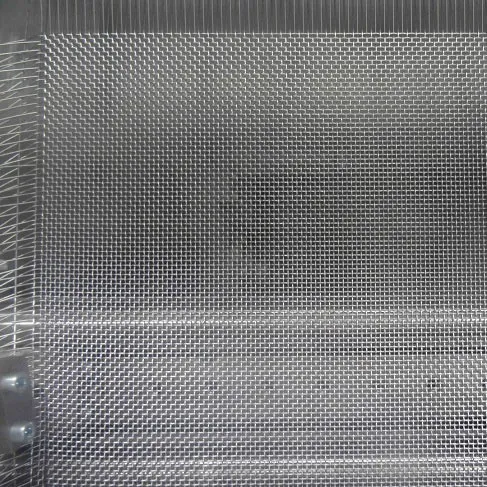
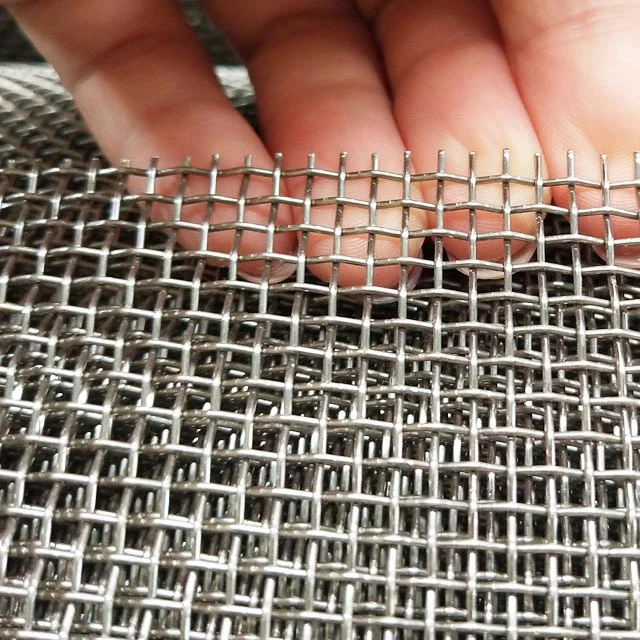
A close-up view revealing the uniform structure of plain weave wire mesh.
These detailed specifications allow engineers to precisely select the appropriate plain steel mesh for filtration, screening, or structural reinforcement, ensuring optimal operational efficiency and longevity in demanding industrial environments. The consistent aperture size of plain mesh makes it ideal for applications requiring predictable particle separation.
Versatile Application Scenarios for Plain Weave Wire Mesh
The robust and predictable structure of Stainless Steel plain weave mesh makes it indispensable across a multitude of industrial sectors. Its ability to combine mechanical strength with precise filtration capabilities positions it as a go-to solution for critical applications.
- Chemical and Petrochemical Industry: Used extensively in catalyst support grids, gas-liquid separation, and filtration of corrosive fluids. The inherent corrosion resistance of stainless steel (especially SS316/316L) ensures long service life in harsh chemical environments, contributing to process safety and efficiency.
- Food and Beverage Processing: For straining, sieving, and filtering food products, juices, and brewing mashes. The hygienic nature of stainless steel, often meeting FDA compliance for certain grades, makes plain weave wire mesh ideal for maintaining product purity and preventing contamination.
- Pharmaceutical Industry: Critical for precise particle sizing, tablet screening, and sterile filtration. The precise aperture and material purity are vital for drug manufacturing, where consistency and contamination prevention are paramount.
- Water Treatment and Wastewater Management: Employed in various filtration units, screen filters, and intake screens to remove suspended solids, debris, and other particulates from water. Its durability and resistance to biological fouling ensure reliable performance in continuous operation.
- Mining and Metallurgy: Used for screening ores, aggregates, and other raw materials. The robust construction of plain mesh can withstand abrasive materials and heavy loads, facilitating efficient material classification.
- Automotive and Aerospace: Incorporated into fuel filters, oil filters, and air intake screens, providing reliable filtration for sensitive engine components and cabin air systems. The high strength-to-weight ratio of stainless steel is advantageous.
- Architectural and Decorative Applications: Beyond its functional uses, the clean aesthetic and structural integrity of plain steel wire mesh are utilized in building facades, railings, and interior design elements.
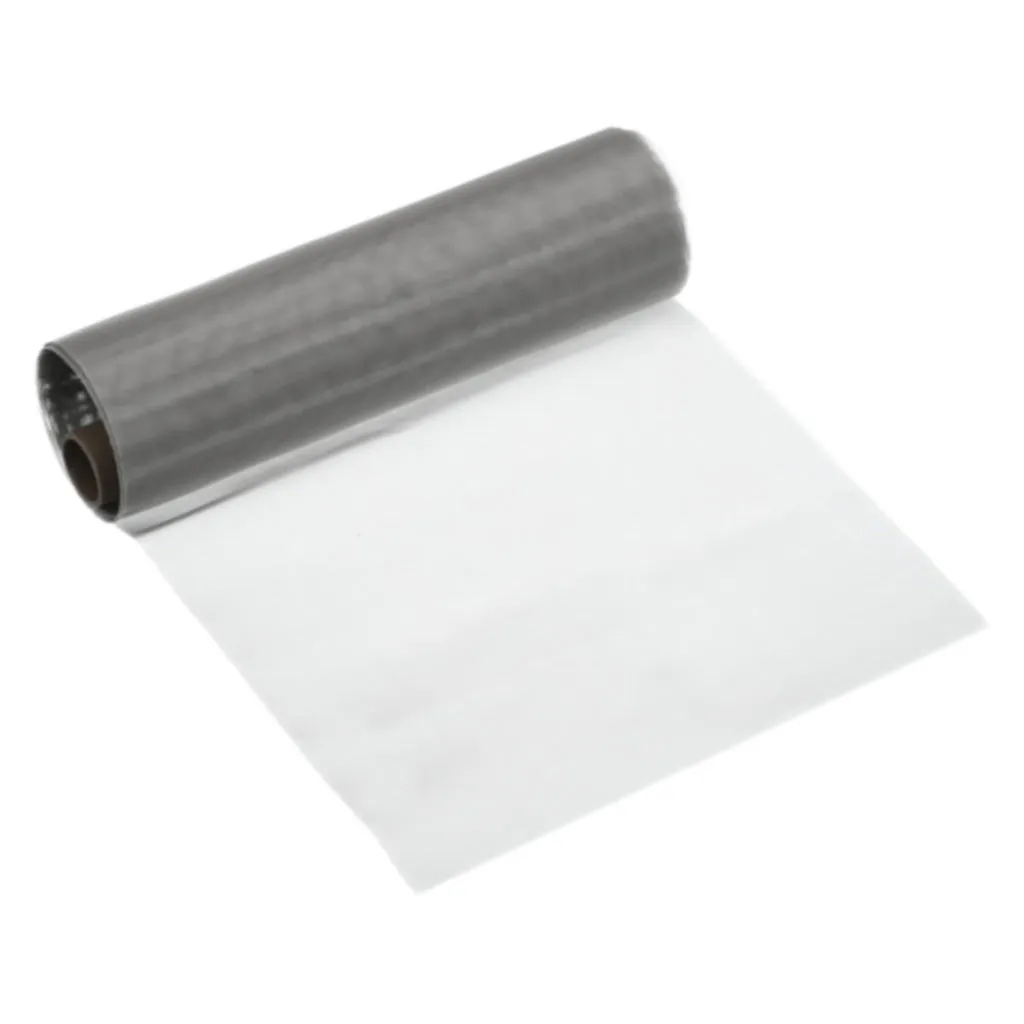
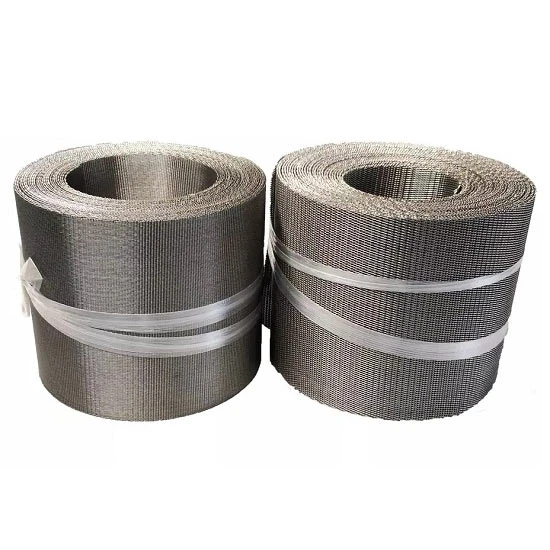
Plain weave mesh in a cylindrical filter application.
These diverse applications underscore the adaptability and critical role that plain weave mesh plays in modern industrial processes, proving its value through consistent performance and longevity.
Technical Advantages of Stainless Steel Plain Weave Mesh
Stainless Steel plain weave mesh offers a compelling set of advantages that contribute to its widespread adoption in demanding industrial environments. These benefits translate directly into operational efficiency, reduced maintenance, and superior product quality.
- Exceptional Corrosion Resistance: Primarily due to the presence of chromium, stainless steel forms a passive oxide layer, making it highly resistant to rust, oxidation, and corrosion from various chemical agents, acids, and alkaline solutions. This ensures a significantly longer service life compared to carbon steel alternatives, especially in wet or corrosive atmospheres.
- High Mechanical Strength and Durability: The simple, interwoven structure of plain mesh provides inherent structural stability and tensile strength. This makes it resistant to deformation under pressure and suitable for applications involving high flow rates or mechanical stress.
- Precise and Consistent Filtration: The uniform aperture sizes resulting from the plain weave pattern ensure highly accurate and repeatable filtration performance. This is critical for applications requiring fine particle separation and consistent product quality, adhering to strict standards like those in pharmaceutical or food processing.
- Temperature Stability: Stainless steel maintains its mechanical properties and integrity across a wide range of temperatures, from cryogenic conditions to high-temperature environments (up to 800°C for some grades), making it suitable for processes involving extreme thermal variations.
- Ease of Cleaning and Maintenance: The smooth surface and non-porous nature of stainless steel, combined with the relatively open structure of plain weave wire mesh, facilitate easy cleaning, sterilization, and backwashing, reducing downtime and operational costs.
- Hygienic and Non-Contaminating: Stainless steel is inert and does not impart odors, tastes, or particles into filtered products, making it an ideal choice for sensitive applications in the food, beverage, and medical industries.
- Versatility in Fabrication: Plain steel wire mesh can be easily cut, formed, welded, and fabricated into various shapes, including cylinders, cones, and panels, to meet specific application requirements.
These advantages collectively highlight why Stainless Steel plain weave mesh remains a preferred choice for engineers seeking reliable, high-performance, and cost-effective solutions for a vast array of industrial filtration and separation challenges.
Vendor Comparison for Plain Weave Mesh Suppliers
Selecting the right vendor for Stainless Steel plain weave mesh is crucial for ensuring product quality, supply chain reliability, and long-term cost-effectiveness. A comprehensive comparison involves evaluating several key factors beyond just price.
Key Comparison Criteria:
-
Quality and Certifications:
- Look for ISO 9001 certified manufacturers, indicating robust quality management systems.
- Verify adherence to international material standards (ASTM, DIN, JIS) and weaving standards (ISO 9044).
- Request Material Test Certificates (MTCs) for raw materials.
-
Technical Expertise and Customization Capabilities:
- Assess the vendor's ability to provide technical support, assist with material selection, and offer bespoke solutions (e.g., custom mesh counts, unique alloys, specific fabrication services).
- Experience in your specific industry is a strong indicator of expertise.
-
Lead Time and Logistics:
- Evaluate typical lead times for standard and custom orders.
- Examine their logistics capabilities, including packaging, shipping options, and ability to handle large or urgent orders efficiently.
-
Pricing and Value Proposition:
- While price is a factor, consider the total cost of ownership, including product lifespan, maintenance, and replacement frequency.
- A higher initial cost for a superior product can result in significant long-term savings.
-
After-Sales Support and Warranty:
- Inquire about warranty policies, customer support responsiveness, and availability of technical assistance post-purchase.
-
Industry Reputation and Track Record:
- Seek out testimonials, case studies, and references from existing clients, particularly those in similar industries. A vendor with decades of service often indicates reliability.
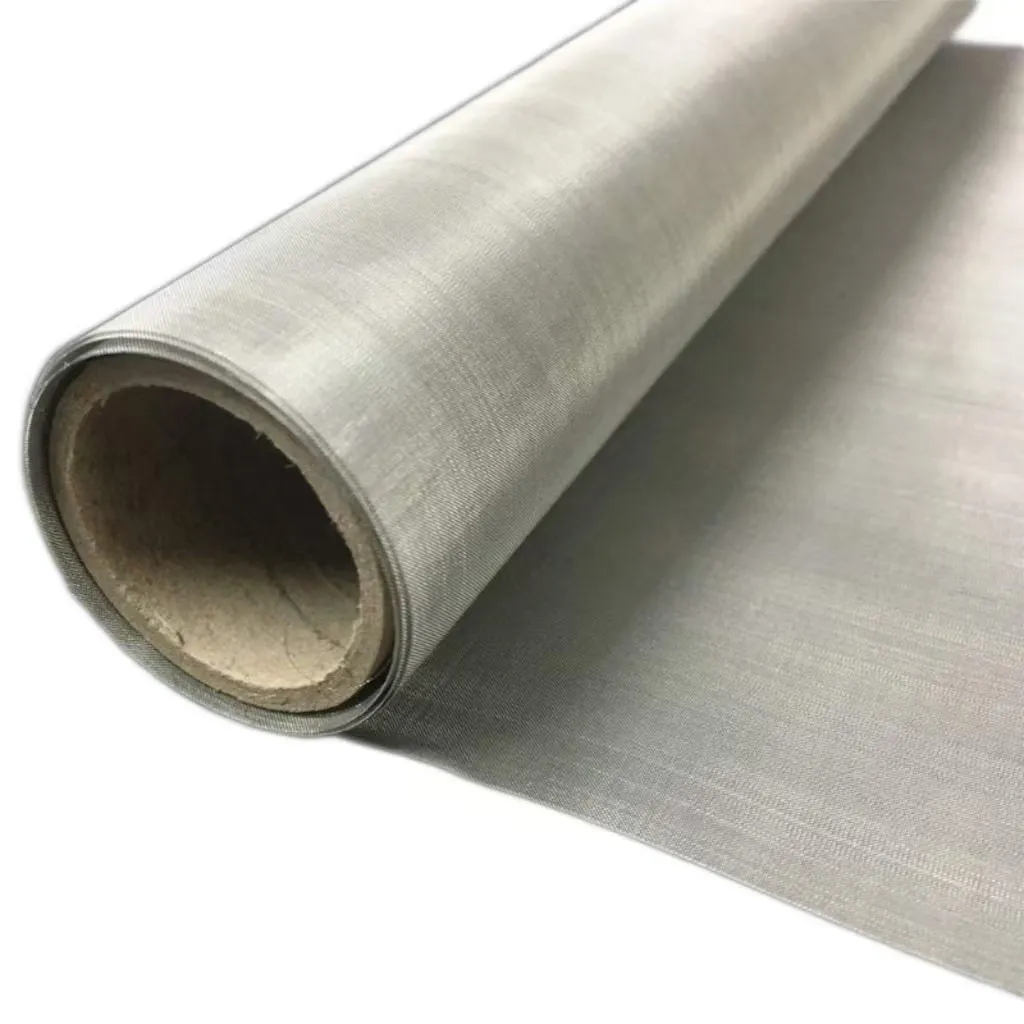
Quality control is paramount for reliable plain weave mesh.
By thoroughly vetting potential suppliers against these criteria, B2B buyers can make informed decisions that lead to reliable sourcing of high-quality plain steel wire mesh, optimized for their specific operational needs and long-term success.
Customized Solutions for Plain Weave Mesh Applications
While standard plain weave mesh offers broad utility, many industrial applications require specialized configurations to achieve optimal performance. Reputable manufacturers provide extensive customization options to precisely meet unique operational demands.
- Material Customization: Beyond common SS304 and SS316 grades, specialized alloys such as Duplex Stainless Steel (for enhanced strength and corrosion resistance), Monel (for severe caustic environments), Inconel (for high-temperature and extreme corrosion), or even Hastelloy can be woven to create mesh with specific chemical compatibility and thermal performance characteristics.
- Mesh Count and Wire Diameter Combinations: While standard tables exist, precise control over mesh count and wire diameter allows for fine-tuning the aperture size and open area, crucial for critical filtration or flow-rate requirements. This includes options for ultra-fine mesh counts up to 635, providing exceptional filtration capabilities.
- Roll and Sheet Dimensions: Plain steel wire mesh can be supplied in custom widths and lengths, reducing waste and fabrication time for large-scale projects or integration into specialized equipment.
-
Fabrication and Finishing:
- Cut-to-Size & Shapes: Mesh can be precisely cut into specific shapes (circles, rectangles, custom patterns) using laser cutting, plasma cutting, or shearing.
- Edge Treatments: Options include selvage (natural woven edge), spot-welded edges, or folded/hemmed edges for safety and easier handling.
- Forming and Welding: Mesh can be formed into cylinders, cones, baskets, or other 3D shapes. Welding (e.g., TIG, spot welding) is often used to join mesh pieces or integrate them into frames and supports.
- Surface Treatments: Electropolishing can enhance corrosion resistance and improve surface finish, especially important for pharmaceutical and food-grade applications by reducing adherence of contaminants.
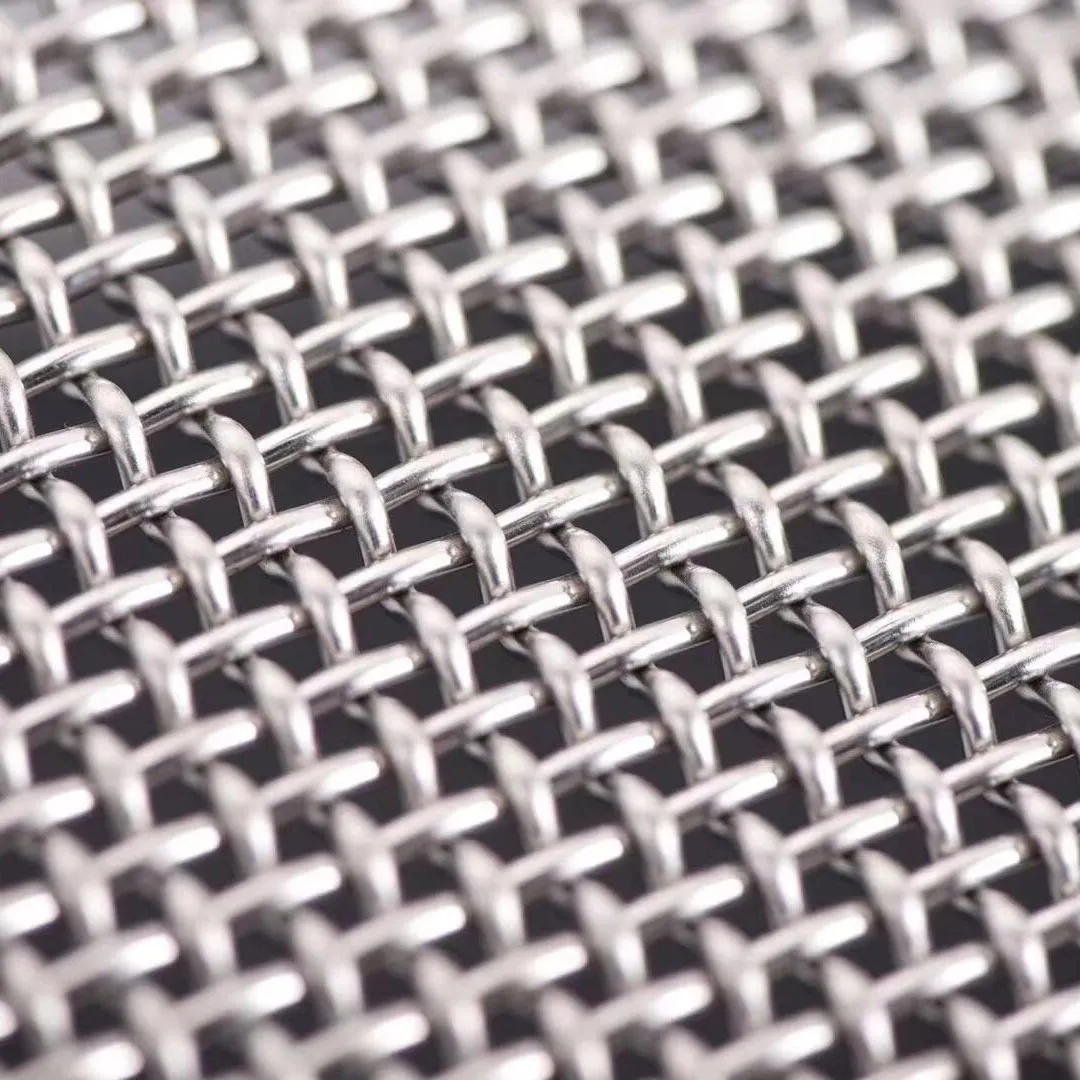
Custom fabricated plain weave mesh components.
Partnering with a manufacturer offering robust customization capabilities ensures that the plain weave mesh solution is perfectly tailored to the application's unique constraints and performance objectives, optimizing operational efficiency and extending component lifespan.
Application Case Studies: Plain Weave Mesh in Action
Case Study 1: Petrochemical Refinery Catalyst Support
A major petrochemical refinery faced challenges with premature degradation of their catalyst support grids in a high-temperature, corrosive reactor environment. The existing carbon steel supports required frequent replacement, leading to costly downtime and maintenance.
- Solution: We provided custom-fabricated screens using 10 mesh, 1.0mm wire diameter SS316L plain weave mesh. The SS316L material was chosen for its enhanced resistance to chloride stress corrosion cracking and high-temperature stability. The plain mesh structure offered sufficient open area for gas flow while securely retaining catalyst particles.
- Outcome: The new catalyst support grids demonstrated superior durability, extending the service life by over 300%. This resulted in a significant reduction in maintenance costs, increased reactor uptime, and improved overall operational efficiency for the refinery.
Case Study 2: Municipal Water Treatment Plant Pre-Filtration
A municipal water treatment plant required a robust pre-filtration screen to remove large debris and suspended solids from raw intake water before it entered finer filtration stages. The existing screens were prone to clogging and difficult to clean.
- Solution: We supplied large panels of 4 mesh, 1.5mm wire diameter SS304 plain steel mesh, fabricated into rigid frame screens. The relatively large aperture provided excellent flow rates, while the strong wire diameter and SS304 material offered resistance to both abrasion from debris and corrosion from prolonged water exposure. The uniform structure facilitated easier backwashing.
- Outcome: The new plain weave wire mesh screens significantly reduced clogging incidents, minimizing the load on downstream filters and extending their operational life. The plant reported a 15% reduction in filter maintenance costs and improved overall water quality.
Case Study 3: Pharmaceutical Powder Sifting
A pharmaceutical manufacturer needed precise and contamination-free sifting screens for fine powder APIs (Active Pharmaceutical Ingredients). Their previous screens exhibited inconsistent aperture sizes, leading to batch variations and potential compliance issues.
- Solution: We provided electro-polished 325 mesh, 0.035mm wire diameter SS316L plain weave mesh in circular vibratory screen frames. The ultra-fine mesh count ensured precise particle separation, while the electropolishing minimized surface roughness, preventing product adhesion and facilitating thorough sterilization, essential for FDA compliance.
- Outcome: The pharmaceutical client achieved highly consistent particle sizing, reducing batch rework and improving product quality. The enhanced cleanability of the electropolished plain mesh also streamlined their cleaning-in-place (CIP) protocols, saving operational time and ensuring higher hygiene standards.
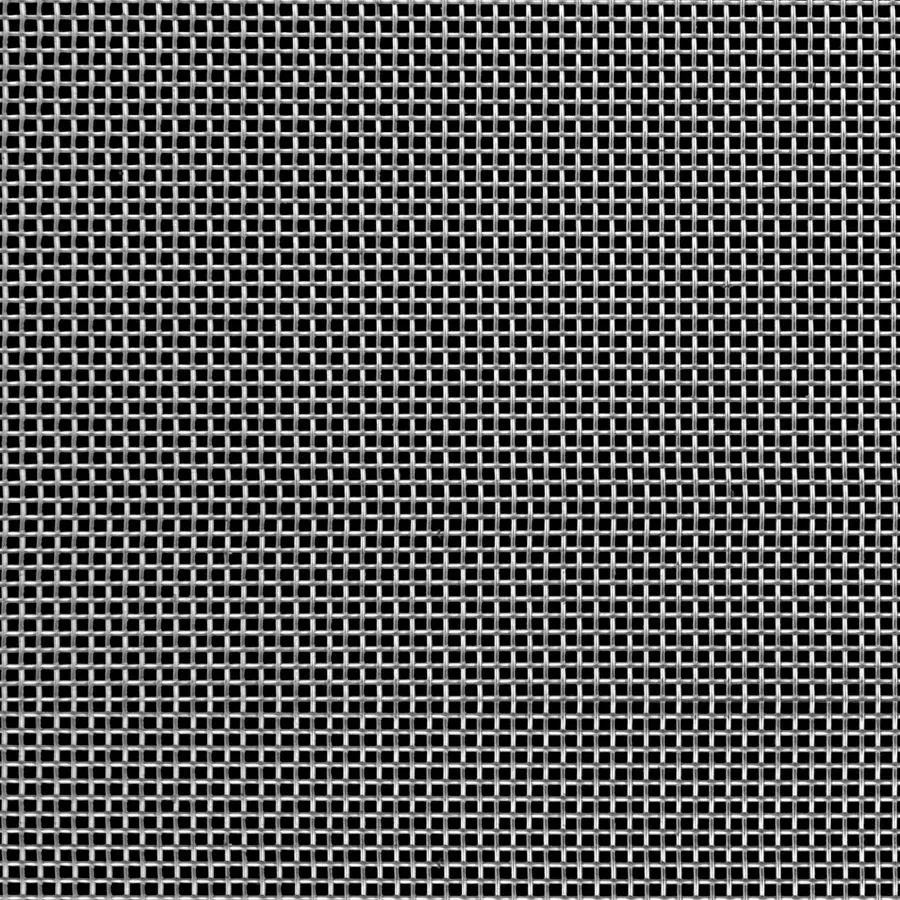
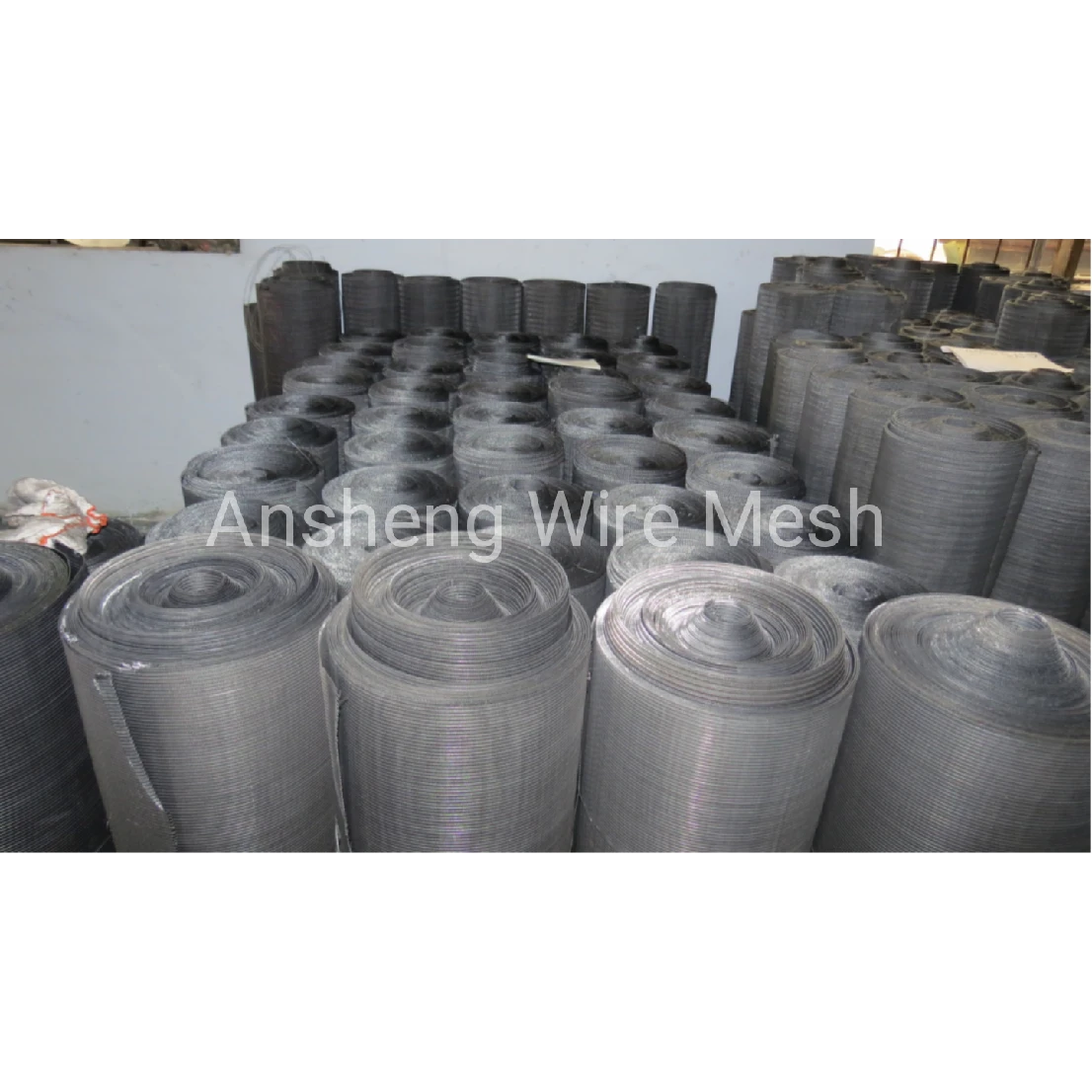
A range of plain weave mesh types for various applications.
These case studies demonstrate the tangible benefits of selecting the right plain weave mesh and partnering with a knowledgeable supplier for tailored solutions in critical industrial applications.
Trustworthiness: FAQ, Lead Time, Warranty & Support
Frequently Asked Questions (FAQ)
-
Q: What is the difference between plain weave and twill weave?
A: In plain weave mesh, each weft wire passes alternately over one and under one warp wire, creating a simple, robust square opening. In twill weave, each weft wire passes over two and under two warp wires, allowing for larger wire diameters in relation to the aperture, providing greater strength for finer meshes. -
Q: How do I specify the correct mesh count and wire diameter?
A: The choice depends on your application's requirements for particle retention, flow rate, and mechanical strength. Providing details about the material to be filtered, particle size distribution, operating pressure, temperature, and corrosive agents will enable our engineers to recommend the optimal specifications. -
Q: Can your plain weave mesh withstand high temperatures?
A: Yes, Stainless Steel plain weave mesh, particularly in grades like SS316, can withstand continuous operating temperatures up to 450-800°C depending on the specific grade and environment, maintaining structural integrity and performance. -
Q: Is your plain weave mesh suitable for food contact applications?
A: Yes, SS304 and SS316/316L are commonly used in food and beverage applications. For stringent hygiene requirements, electropolishing can be applied to further improve surface finish and cleanability, often meeting FDA compliance for certain applications.
Lead Time and Fulfillment Details
Our streamlined manufacturing processes and efficient inventory management enable us to offer competitive lead times. For standard Stainless Steel plain weave mesh products, typical lead times range from 1-2 weeks. Custom orders or specialty alloy meshes may require 3-5 weeks, depending on complexity and material availability. We work closely with clients to establish realistic timelines and offer expedited production options for urgent requirements. Global shipping is managed through trusted logistics partners to ensure timely and secure delivery.
Warranty Commitments
We stand behind the quality of our Stainless Steel plain weave mesh products. All products are manufactured to industry-leading standards and are subject to rigorous quality control. We offer a standard warranty against manufacturing defects and material flaws, ensuring that our products meet or exceed the agreed-upon specifications. Specific warranty details are provided with each order, reflecting our commitment to customer satisfaction and product reliability.
Customer Support and After-Sales Service
Our commitment extends beyond delivery. We provide comprehensive after-sales support, including technical assistance for installation, troubleshooting, and optimization of plain steel mesh performance. Our team of experienced engineers and customer service professionals is available to address any inquiries and ensure long-term satisfaction with our products. We value long-term partnerships and are dedicated to providing expert guidance and responsive service throughout the lifecycle of our mesh solutions.
Conclusion
Stainless Steel plain weave mesh remains a cornerstone material in industrial filtration, separation, and structural support applications. Its unparalleled combination of mechanical strength, precise filtration capabilities, and exceptional corrosion resistance makes it an ideal choice for a diverse range of challenging environments. From enhancing energy efficiency in petrochemical operations to ensuring product purity in pharmaceutical manufacturing, the versatility and reliability of plain mesh are undeniable. By understanding its intricate manufacturing process, adhering to stringent technical specifications, and leveraging advanced customization options, industries can optimize their processes, improve product quality, and achieve sustainable operational excellence. Partnering with a reputable and experienced supplier is key to harnessing the full potential of this fundamental, yet highly advanced, industrial component.
References
- ISO 9044:2016. Industrial wire screens — Woven wire cloth — Technical requirements and tests. International Organization for Standardization.
- ASTM E2814/E2814M-11. Standard Guide for the Sampling and Testing of Industrial Woven Wire Filter Media. ASTM International.
- ASM Handbook, Volume 10: Materials Characterization. ASM International, 2002.
- Journal of Materials Processing Technology, "Influence of Wire Drawing Parameters on the Mechanical Properties of Stainless Steel Wires."
- Stainless Steel World Magazine, "Corrosion Resistance of Stainless Steel in Various Industrial Environments."
Post time: Sep . 15, 2025 13:20