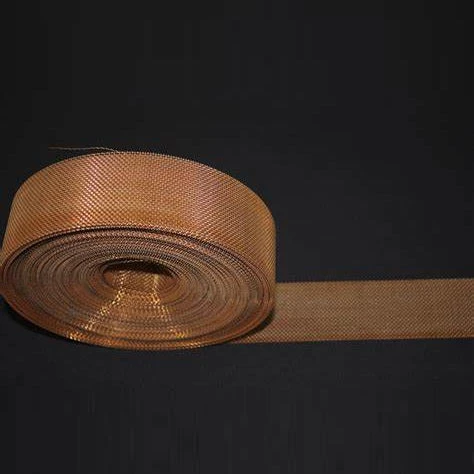

Understanding Steel Fly Screen Mesh: A Global Perspective
On the surface, "steel fly screen mesh" might sound like a simple household item we take for granted — those metal nets that block pesky bugs from windows and doors. But, zoom out and you’ll find that steel fly screen mesh is a quietly essential product everywhere from disaster relief shelters to advanced industrial facilities.
Why does it matter? Globally, with increasing urbanization and climate challenges, ensuring safe indoor environments is more critical than ever. This mesh isn’t just about keeping flies out; it’s about protecting health, preserving comfort, and supporting sustainable infrastructure solutions worldwide.
So, let’s unpack what makes steel fly screen mesh a surprisingly fascinating and impactful material in industries and communities alike.
Why Steel Fly Screen Mesh Matters on the World Stage
To start, consider the scale: over 4 billion people worldwide live in mosquito-prone areas, according to the World Health Organization. Mosquito-borne diseases alone cause millions of deaths annually, so the humble fly screen mesh, particularly the steel variants, significantly cuts down disease transmission risks at household and community levels.
Furthermore, the United Nations’ Sustainable Development Goals (SDGs) include targets on health, safe housing, and sustainable cities — all of which are tangentially connected to the effective deployment of protective meshes. For example, steel fly screen mesh is vital in refugee camps and remote facilities, ensuring health and dignity under tough conditions.
However, challenges persist. Many low-income or disaster-affected regions still rely on flimsy alternatives that degrade quickly. Steel fly screen meshes offer durability but must be manufactured, transported, and installed with care to realize their full benefit.
What Exactly is Steel Fly Screen Mesh?
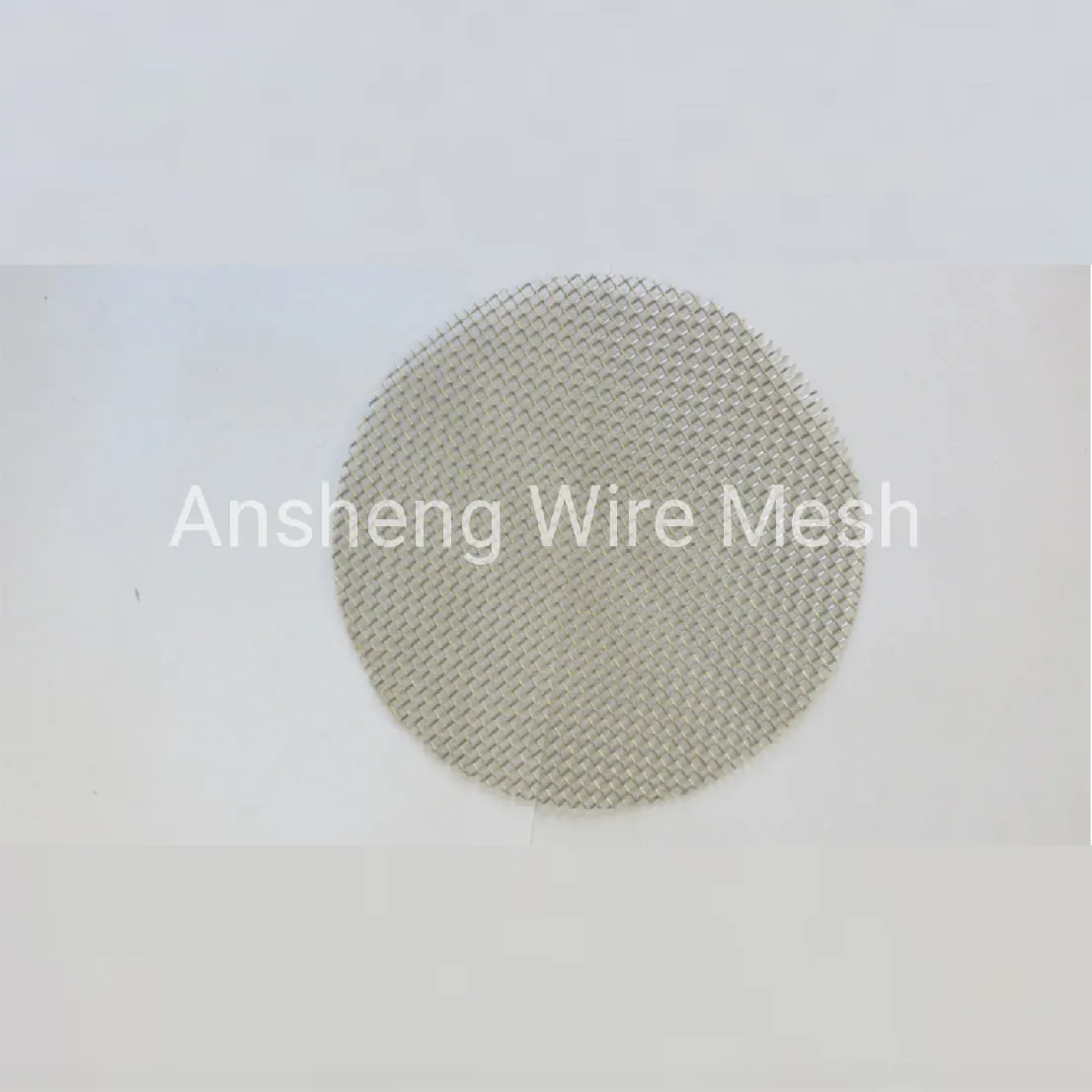
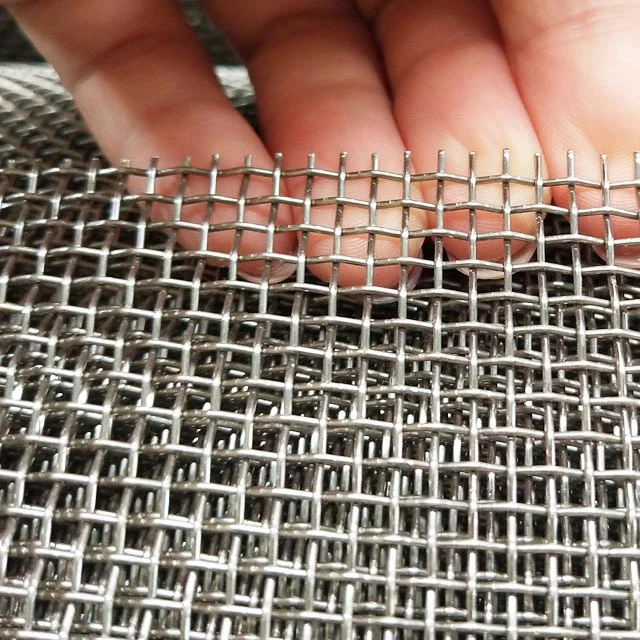
In simplest terms, steel fly screen mesh is a woven or welded grid of thin steel wires designed to form a barrier that blocks insects, debris, and sometimes larger particles, while allowing air and light to pass freely. Unlike fiberglass or plastic screens, steel options deliver superior strength and weather resistance.
The steel used is typically stainless or galvanized, guarding against rust and corrosion, which is crucial in humid, coastal, or tropical climates. Because the mesh can be engineered in various densities and wire thicknesses, it’s flexible enough for anything from home windows to heavy-duty industrial filters.
Oddly enough, although a rather old technology, steel fly screen meshes keep evolving alongside manufacturing advances, which means they remain relevant in modern construction and humanitarian efforts.
Core Components That Make Steel Fly Screen Mesh Work
Durability
The steel is designed to resist corrosion and mechanical damage, so the screen lasts for many years even under tough conditions — think salty sea air or dusty industrial zones. Many engineers say the long lifespan saves money and hassle compared to plastic or aluminum alternatives.
Mesh Size and Openness
The size of the openings in the screen determines what’s filtered out. Smaller apertures keep out mosquitoes and tiny debris but reduce airflow slightly; larger openings improve ventilation but may let some pests in. Balancing these factors is critical for effective design.
Ease of Installation
Practical usability matters — the mesh must be cut, shaped, and fixed without specialist tools, especially in emergency or remote settings. Lightweight but sturdy framing systems often accompany the steel mesh for quick assembly.
Cost Effectiveness
Though the initial price of steel mesh can be higher than plastic screens, over time the reduced maintenance and replacements tip the scales in favor of steel, particularly for large-scale or long-term projects.
Common Product Specs of Steel Fly Screen Mesh
| Specification | Typical Values |
|---|---|
| Material | 304 Stainless Steel / Galvanized Steel |
| Wire Diameter | 0.25 mm – 0.50 mm |
| Mesh Opening Size | 1.0 mm – 3.0 mm (customizable) |
| Tensile Strength | >500 MPa |
| Thickness | 0.3 – 0.7 mm |
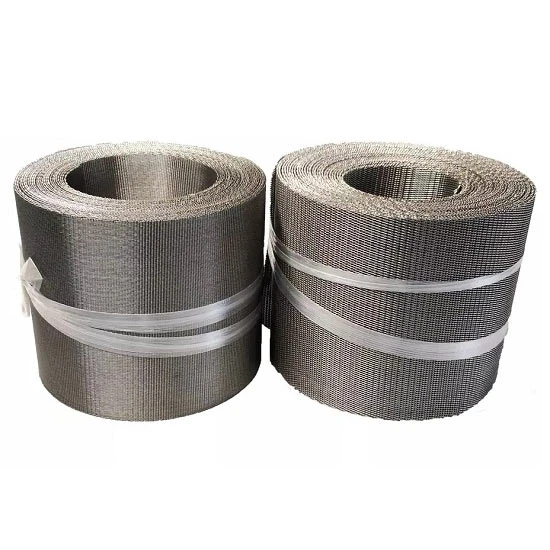
| Standard Sizes | Rolls: 1 m x 30 m; Panels: 1 m x 2 m |
Real-World Applications of Steel Fly Screen Mesh
You might guess residential windows as the primary market, but the spectrum of applications is surprisingly broad:
- Healthcare and Humanitarian Sites: To prevent vector-borne diseases, mesh screens act as first-line barriers in clinics, vaccination centers, and emergency shelters.
- Industrial Filtration: Used in chemical and food processing plants where durable, cleanable screens are essential to filtering out contaminants without clogging systems.
- Construction Sites: Temporary fencing or debris screens protect workers and passersby from dust and flying particles.
- Agriculture and Livestock: Protecting crops and animals from insects while allowing ventilation improves yield and animal welfare.
- Residential and Commercial Buildings: Keeping buildings ventilated and pest-free simultaneously.
For instance, during flood relief in Southeast Asia, humanitarian agencies used steel fly screen mesh in temporary shelters to avoid mosquito infestations that frequently spike post-disaster.
Vendor Comparison: A Quick Look at 3 Leading Suppliers
| Feature | Ansheng Filterscreen | GlobalMesh Co. | SteelGuard Markets |
|---|---|---|---|
| Material Quality | High-grade 304 SS | Galvanized Steel | Stainless + Custom Coatings |
| Customization Options | Full range (mesh opening, size) | Limited | Moderate |
| Lead Times | 2–4 weeks | 4–6 weeks | 3–5 weeks |
| Price Range | $$$ (Mid-High) | $$ (Budget) | $$$ (Mid) |
| Sustainability Certifications | ISO 14001, RoHS | None | ISO 9001 |
Advantages and Tangible Benefits
There’s something pretty reassuring about a screen made of steel, steel fly screen mesh in particular. It’s durable and doesn’t tear under pressure, which means fewer replacements and less waste. In practical terms, that improves sustainability and saves money over time.
It also fosters a sense of trust and safety — something NGOs and building managers alike value. You’re not just putting up any barrier; you’re investing in something that lasts, that feels solid and reliable.
Beyond economics, there’s the health benefit: fewer insects indoors means fewer bites and lower disease risk; that’s a pretty powerful advantage for communities living in tropical zones.
Looking Ahead: Future Trends in Steel Fly Screen Mesh
Innovations are knocking at the door. Researchers are developing nano-coated meshes that repel water and dirt, reducing maintenance drastically. Imagine a fly screen that stays clean and functional for years, with zero rust or grime.
Digitally controlled production now enables micro-level precision in mesh openings, tailored for highly specialized industrial filters. The “smart mesh” concept is on the horizon — screens integrated with environmental sensors to monitor air quality while protecting interiors.
Finally, sustainability is driving uptake of recycled steel and greener production methods — essential for matching global eco-goals.
Challenges & How To Overcome Them
Steel meshes aren’t perfect. There’s the risk of corrosion if coatings fail, installation can be tricky in informal settings, and lightweight alternatives sometimes win on initial cost — which can deter budgets.
However, expert solutions include enhanced galvanizing techniques, modular frames for simplified field assembly, and education campaigns about lifecycle savings. It feels like the right balance is to push quality upfront, which pays back in longer-term durability.
FAQ: Your Questions About Steel Fly Screen Mesh Answered
- Q1: How does steel fly screen mesh compare to fiberglass in hot climates?
- Steel mesh generally outperforms fiberglass in durability and heat resistance. Fiberglass can warp or degrade in intense sun, while steel maintains strength and shape, especially if stainless or coated. It’s a longer-lasting choice for harsh weather.
- Q2: Can steel fly screen mesh be customized for industrial filtration?
- Absolutely. Manufacturers can design mesh opening sizes and wire diameters tailored to specific filtration requirements, from filtering dust particles to preventing insect ingress in sensitive environments.
- Q3: What maintenance is required for steel fly screen mesh?
- Minimal maintenance is needed when using corrosion-resistant materials. Simple periodic cleaning with water and mild detergent is often sufficient to keep screens free of dust and debris.
- Q4: Is steel fly screen mesh environmentally friendly?
- Steel is highly recyclable and lasts longer than most alternatives, reducing waste. Using mesh made from recycled steel and applying eco-friendly coatings improves environmental impact further.
Wrapping Up: Why Steel Fly Screen Mesh Is a Wise Investment
In the grand scheme, steel fly screen mesh is a small but mighty component that quietly empowers better living conditions, safer industrial environments, and sustainable urban development. It’s not just a screen—it’s an enabler of health, comfort, and resilience.
If you’re considering solutions that combine strength, longevity, and economic value, steel fly screen mesh is an option worth exploring in detail. For more insights or to browse products, feel free to visit our website at https://www.anshengfilterscreen.com — there’s lots to unwrap there.
1. World Health Organization - Vector-borne Diseases, 2023.
2. United Nations Sustainable Development Goals (SDGs), 2024.
3. ISO Standards for Steel Mesh Products, 2023.
Post time: Nov . 28, 2025 12:20