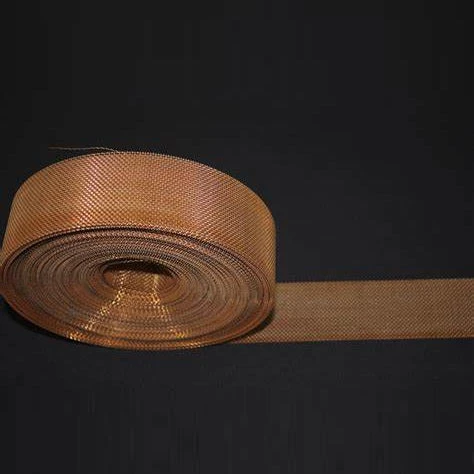

What Is Stainless Welded Wire Mesh and Why It Matters Globally
Stainless welded wire mesh isn't just an industrial component — it’s a quietly powerful material that's shaping infrastructure and safety worldwide. From construction to agriculture, from disaster relief to clean energy projects, this mesh keeps things together, literally and figuratively. Understanding it is more than just a technical detail; it’s a way to grasp how modern societies build resilient, efficient, and sustainable foundations.
The world is rapidly urbanizing with more than 4.4 billion people living in cities as of 2023 (UN data), increasing demand for durable building materials. Stainless welded wire mesh is a key player here, offering strength, corrosion resistance, and versatility. Plus, its applications touch on water management, safety, and even environmental conservation — making it a global cornerstone for industries and humanitarian efforts alike.
Mini Takeaway: Stainless welded wire mesh serves as a critical building block in modern infrastructure, influencing global urban development and sustainability.
Global Context: Why Stainless Welded Wire Mesh Is Essential Today
If you peek under the hood of countless industrial projects — highways, bridges, warehouses, or dams — you’ll find stainless welded wire mesh quietly reinforcing the structure. According to recent ISO surveys, the use of corrosion-resistant materials in construction grew by nearly 15% in the past five years, reflecting a global push toward longer-lasting infrastructure.
Yet there’s a challenge: many regions face harsh environmental conditions, from coastal salt spray to heavy industrial pollution, which can severely degrade traditional wire meshes. This often leads to costly repairs and safety risks. Stainless steel versions, thanks to their alloy makeup, counter these issues, offering a low-maintenance, reliable alternative that withstands weather, chemicals, and mechanical stresses.
Quick Note:
From Middle Eastern oil refineries to European urban railways, stainless welded wire mesh addresses a universal need: materials that endure and perform in less-than-perfect conditions.
Defining Stainless Welded Wire Mesh: The Basics
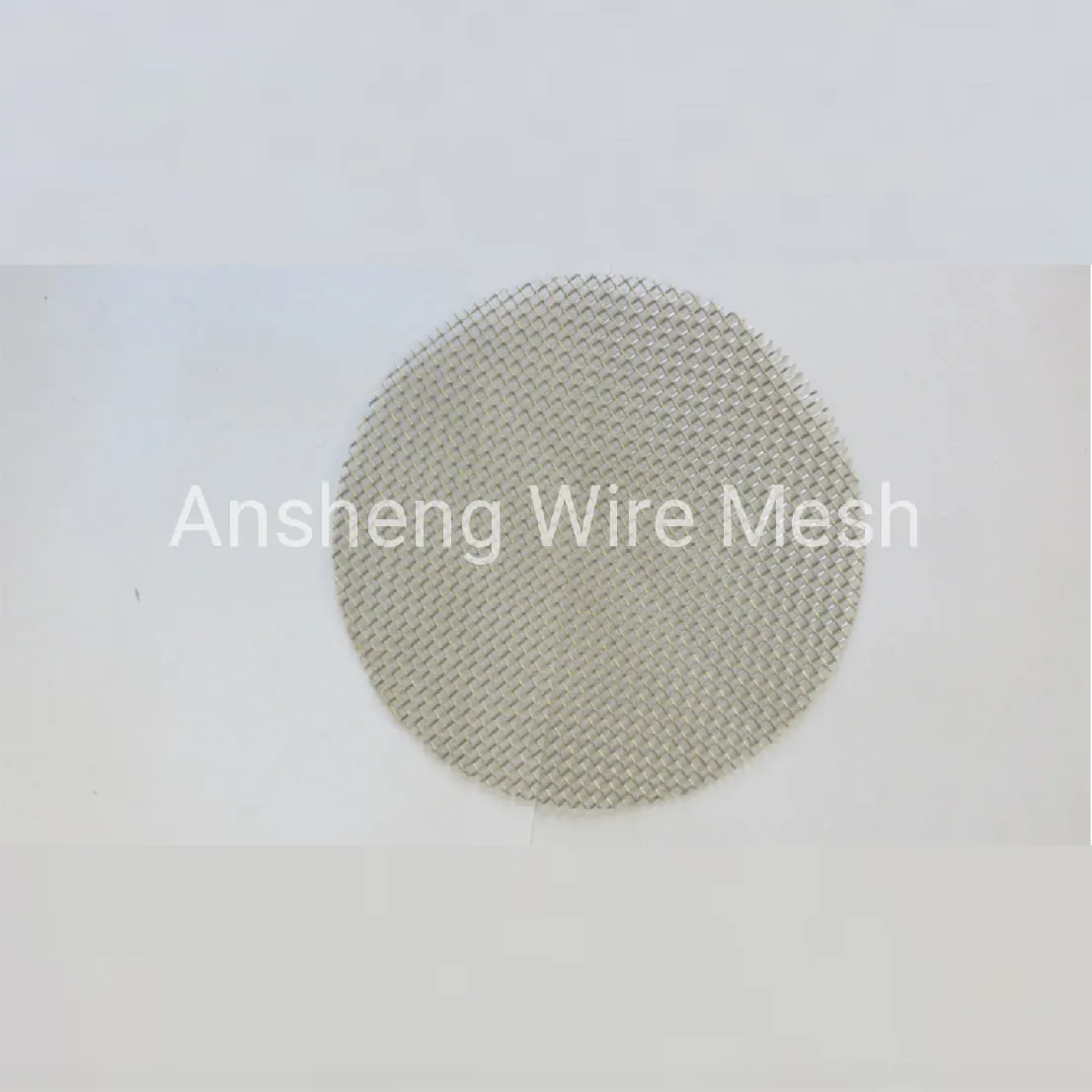
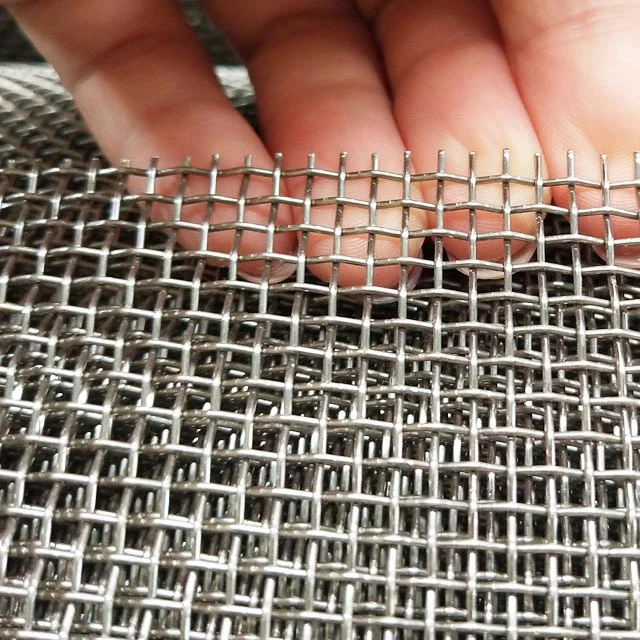
At its core, stainless welded wire mesh consists of intersecting stainless steel wires joined by precise electric welding. This creates a grid-like structure that combines flexibility with strength. The stainless steel alloys (commonly grades 304 or 316) give it exceptional resistance to rust and corrosion compared to standard steel meshes.
It’s widely used not only in construction but in filtration, agriculture, security fencing, and even the food industry, where hygiene is critical. Its adaptability means it meets diverse needs—from withstanding tropical rains in Southeast Asia to securing cold storage warehouses in Canada.
Key Features of Stainless Welded Wire Mesh
1. Durability
Stainless steel inherently resists oxidation and can last decades in harsh environments. For engineers, that translates into fewer replacements and less downtime. It also tolerates heavy mechanical loads, which is crucial in industrial settings.
2. Corrosion Resistance
Unlike galvanized or plain steel wire mesh, the stainless steel layer forms a passive oxide film that protects against corrosion. This feature makes it especially valuable in coastal infrastructure and chemical plants.
3. Versatility and Scalability
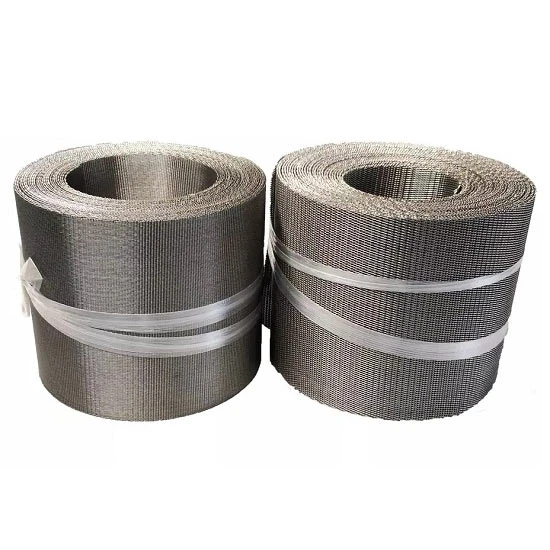
Available in various wire gauges and mesh sizes, stainless welded wire mesh can be customized whether you need something fine for filtration or heavy-duty for security fencing. This scalability suits industries from small-scale farming to large-scale mining.
4. Cost Efficiency Over Time
Though initially more expensive than alternatives, stainless welded wire mesh offers savings in maintenance and longevity. Many site managers note that long-term costs steeply decrease thanks to fewer repairs.
5. Environmental Sustainability
Often made from recycled steel and fully recyclable again, choosing stainless steel aligns with global circular economy goals—important for enterprises with sustainability commitments.
Stainless Welded Wire Mesh in Action: Real-World Applications
It might sound niche, but this mesh is everywhere:
- Construction: Reinforcing concrete slabs, secure fencing, and partitions.
- Agriculture: Animal enclosures, crop protection, and soil erosion barriers.
- Water Treatment: Filtration media support and wastewater containment.
- Security: Perimeter fencing in sensitive zones and detention centers.
Oddly enough, in disaster relief operations—say post-earthquake housing in South Asia—the rapid deployment of stainless welded wire mesh panels allows for sturdy walls resistant to moisture and pests. In remote industrial zones, where rust can shut down facilities, the mesh ensures reliable safety cages for workers and machinery.
Mini Takeaway: Its varied applications make stainless welded wire mesh a quiet hero behind safety, sustainability, and resilience worldwide.
Why Choose Stainless Welded Wire Mesh? The Tangible Benefits
Beyond its technical specs, stainless welded wire mesh offers peace of mind. For architects and engineers, it means pushing design boundaries without sacrificing durability. For project managers, it means predictability in costs and schedules.
On a social level, better infrastructure banks on better materials; communities gain safer housing, improved water systems, and protection. In a world increasingly concerned with eco-friendly solutions, stainless steel’s regenerative nature adds to its appeal.
Looking Ahead: Future Trends in Stainless Welded Wire Mesh
The future looks shiny—literally. Advances in metallurgy promise even stronger, lighter stainless wire meshes incorporating nanotechnology coatings that resist biofouling or self-heal minor surface damage. Automation in production lines is making custom mesh sizes available with unprecedented speed, helpful for emergency housing or bespoke architectural projects.
Sustainability policies in the EU and Asia advocate for recyclable building materials, boosting stainless welded wire mesh demand. Meanwhile, digital twin technology is allowing engineers to model mesh performance under stress before manufacturing—a neat leap forward.
Common Challenges and How to Overcome Them
Stainless welded wire mesh isn’t perfect. Its upfront cost can intimidate smaller contractors or NGOs. But, innovative financing models and bulk purchasing are bridging that gap. Also, welding inconsistencies can lead to weak spots, so strict quality controls and tests like tensile strength and corrosion assays are vital.
Finally, cutting and shaping stainless steel requires specialized tools—training workforce is key. Some vendors now offer pre-cut, assembly-ready units simplifying onsite work.
Product Specification Table
| Specification | Details |
|---|---|
| Material Grade | 304, 316 Stainless Steel |
| Wire Diameter | 0.5mm – 4.0mm |
| Mesh Opening Size | 5mm to 100mm square |
| Panel Size | 1m x 2m (standard), customizable |
| Surface Finish | Mill finish, Electro-polished |
Vendor Comparison for Stainless Welded Wire Mesh
| Vendor | Material Grades | Customization Options | Lead Time | Pricing Level |
|---|---|---|---|---|
| Ansheng Filterscreen | 304, 316 | Wide range: wire sizes & mesh openings | 3-5 weeks | Mid-range |
| GlobalWire Solutions | 304 only | Standard sizes only | 2 weeks | Competitive |
| WireTech Co. | 316, 316L | Custom panel sizes, finishes | 4-6 weeks | Premium |
Commonly Asked Questions About Stainless Welded Wire Mesh
Q1: How do I choose the right wire diameter for my project?
Choosing wire diameter depends on load requirements and environment. Thicker wire increases strength and durability but can reduce flexibility and increase cost. For fencing and protective cages, 2.0mm to 3.0mm wire is typical. For fine filtration, 0.5mm to 1.2mm might be better. Consulting your project engineer with load specs is always recommended.
Q2: Is stainless welded wire mesh suitable for coastal installations?
Absolutely. Due to its corrosion-resistant properties, stainless welded wire mesh is ideal in salty, humid climates where ordinary steel would rust quickly. Grades 316 and 316L are especially preferred for harsh marine environments.
Q3: Can I buy pre-cut panels or do I have to cut mesh onsite?
Many vendors including Ansheng Filterscreen provide customizable panel sizes cut and edged to order, reducing waste and speeding up installation. This can be a big help if onsite cutting tools or skills are limited.
Q4: How do I maintain stainless welded wire mesh to ensure its longevity?
Maintenance is simple compared to galvanized wire. Regular washing with fresh water to remove dirt or chemical deposits is often enough. Avoid abrasive cleaning or steel brushes that can damage the passive layer. Monitoring weld spot integrity annually is a good practice.
Q5: Is stainless welded wire mesh environmentally friendly?
Yes, stainless steel is highly recyclable with a mature global recycling infrastructure. Using it reduces the frequency of replacement, thus minimizing resource consumption and waste over a product’s lifecycle.
Wrapping Up: Why Stainless Welded Wire Mesh Is a Smart Long-Term Investment
In real terms, choosing stainless welded wire mesh connects you with a tradition of quality and innovation. Its resilience and adaptability make it a quiet workhorse behind many built environments and industrial systems worldwide. That's why many engineers and designers keep it front-of-mind for projects demanding reliability and durability.
If you want to explore top quality stainless welded wire mesh products, check out Ansheng Filterscreen. Their range covers nearly every technical need, delivered with solid expertise and customer support.
Honestly, once you start looking at infrastructure through this mesh network, you realize how interconnected and dependent on simple yet clever materials the modern world is.
References:
Post time: Nov . 25, 2025 19:00