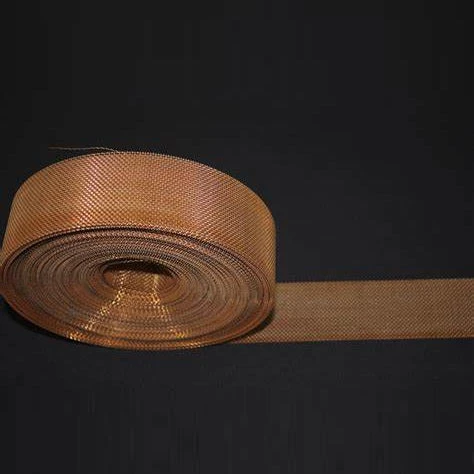

Understanding Stainless Steel Welded Mesh Panels: Strength Meets Versatility
Stainless steel welded mesh panels have quietly become vital building blocks in construction, infrastructure, and even humanitarian efforts worldwide. They’re essentially grids of stainless steel wires welded together—simple, yet incredibly strong and durable. You might not immediately think of them as a "global matter," but these panels help solve pressing challenges, like providing reliable fencing in harsh environments or aiding quick assembly of disaster relief housing. Grasping their qualities sheds light on how modern industries and communities stay safe, efficient, and sustainable.
Global Snapshot: Why Stainless Steel Welded Mesh Panels Matter
Oddly enough, the demand for high-quality mesh panels is rising globally. According to the World Steel Association, stainless steel production has been steadily climbing, with over 50 million tonnes produced annually worldwide. This signals expanding infrastructure projects, especially in Asia and Europe. Welded stainless steel mesh panels address a critical need: combining robustness with corrosion resistance, which is essential in everything from marine environments to industrial plants.
Countries facing growing urban populations and climate challenges lean on materials that last longer and require less maintenance. Stainless steel welded mesh panels vanish some of the usual headaches related to rust, breakage, or complicated assembly — making them a smart choice in fencing, reinforcement, and architectural uses.
What Exactly Are Stainless Steel Welded Mesh Panels?
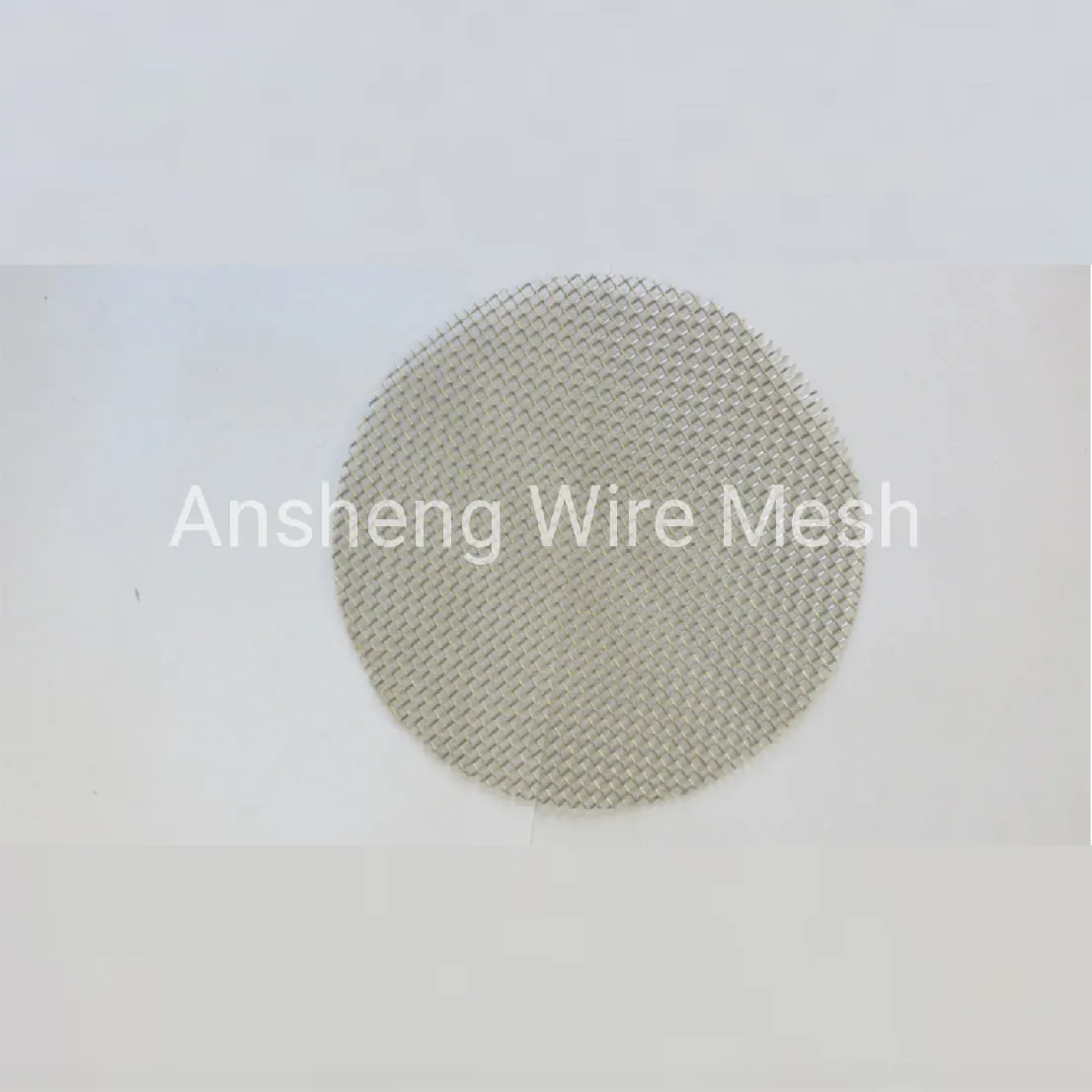
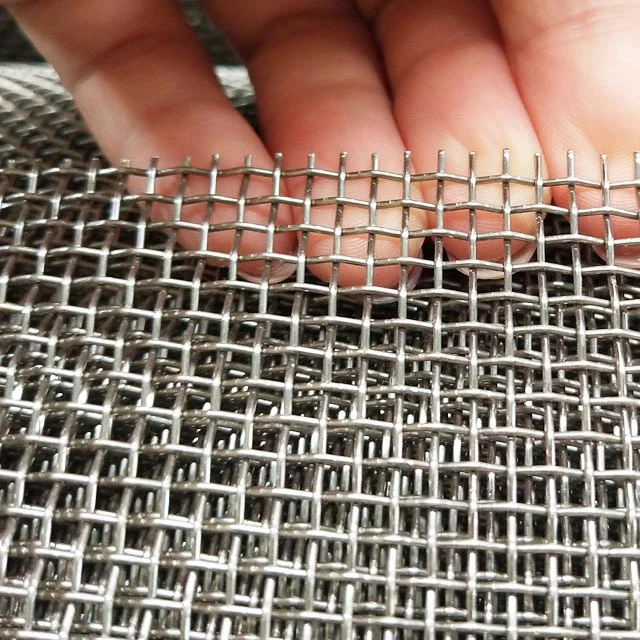
In simple terms, these panels are grids made by electrically welding intersecting stainless steel wires or rods. The mesh openings can vary, meaning you get everything from fine grids (used in filtration or security) to wider squares that reinforce concrete structures. Their stainless nature means they resist rust and corrosion far better than regular steel or iron. This property links directly to modern needs—whether that’s in eco-sensitive coastal zones or in building long-lasting public works.
In humanitarian contexts, these mesh panels serve as skeletal frames for shelters or fences, supporting rapid deployment and reusable infrastructure. You could say they bridge technical precision with real-world resilience.
Key Characteristics of Stainless Steel Welded Mesh Panels
Durability and Corrosion Resistance
This is honestly what sets these panels apart. Stainless steel alloys contain chromium, which forms a protective oxide layer. It’s why these panels won’t cave under weather extremes—much appreciated in coastal or industrial zones.
Strength and Load-Bearing Capacity
The welded mesh isn’t just about a grid pattern; it’s about structural integrity. The welds are fusion points that resist shear forces, making these panels suitable for reinforcing concrete or safety fencing. I’ve heard engineers say it’s like having an invisible team of soldiers holding everything together.
Customization & Scalability
No two projects are quite the same. You can order panels with different wire gauges, mesh opening sizes, and surface finishes. This flexibility helps scale the mesh panel use from small-scale fencing to large infrastructure reinforcement.
Cost Efficiency Over Time
They might seem pricier upfront compared to alternatives like plastic or galvanized steel panels. But when factoring in lifespan, maintenance, and replacement frequency, stainless steel welded mesh often comes out ahead.
Product Specifications Snapshot
| Specification | Details |
|---|---|
| Material Grade | 304, 316 Stainless Steel |
| Wire Diameter | 0.5 mm – 6 mm |
| Mesh Opening Size | 5 mm – 100 mm |
| Panel Dimensions | 1 m x 2 m (standard); Custom sizes available |
| Surface Finish | Mirror, Matte, Brushed |
Who Uses Stainless Steel Welded Mesh Panels? Real-World Applications
- Construction & Infrastructure: Used for reinforcement in concrete structures, flooring decks, and partition walls, especially in earthquake-prone areas needing high-strength materials.
- Security & Fencing: Perimeter fencing at airports, prisons, and sensitive installations benefits from stainless steel’s durability and vandal resistance.
- Marine & Offshore: Platforms and docks require corrosion-resistant fencing and grating to handle saltwater exposure.
- Humanitarian Relief: Rapidly deployable shelters or protective barriers in disaster zones often use welded mesh panels as structural frames.
For instance, post-tsunami rebuilding projects in Southeast Asia have leveraged stainless steel mesh panels for durable, reusable fencing—holding families safely within community centers amid uncertain environments.
Vendor Comparison: Picking the Right Supplier
| Vendor | Material Quality | Customization Options | Lead Time | Price Range |
|---|---|---|---|---|
| Ansheng Filter Screen | High-grade 304 & 316 SS | Wide mesh sizes & finishes | 2–4 weeks | Mid-Range |
| Global Steel Mesh Co. | Standard 304 SS | Limited customization | 3–6 weeks | Budget |
| Premium Mesh Ltd. | 316L SS Marine Grade | Highly customizable | 4 weeks | High-End |
Advantages & Long-Term Value
There’s something very reassuring about a product that lasts decades with minimal upkeep. Stainless steel welded mesh panels inject that confidence into projects, saving time, money, and headaches over the years. They help reduce the carbon print associated with frequent replacements, linking to sustainability goals. Plus, on a more human level, they provide safety and dignity—whether by securing public parks or supporting disaster shelter walls. Their resistance to vandalism and weather gives stakeholders peace of mind that the investment will hold.
Future Trends & Innovations
Looking ahead, digital manufacturing and automation are speeding up production and reducing costs. We’re seeing new alloy blends aiming to further improve corrosion resistance while cutting material weight. Another exciting development is hybrid mesh panels coated with environmentally friendly polymers enhancing lifespan without compromising recyclability.
Sustainability policies from international bodies like ISO 14001 emphasize using robust stainless steel meshes to minimize waste over time. Even sensor-equipped mesh panels are in early trials for structural health monitoring — a smart twist to the old grid.
Challenges & Expert Solutions
That said, stainless steel welded mesh panels aren’t a cure-all. Installation sometimes demands skilled labor, and upfront material costs can be a deterrent for smaller projects. Also, cutting and welding stainless steel require proper equipment to maintain corrosion resistance.
Experts advise early collaboration with suppliers for custom projects and investing in worker training. Innovations like modular clip systems also simplify assembly on site, reducing labor complexity.
FAQ: Stainless Steel Welded Mesh Panels
Q1: How do stainless steel welded mesh panels outperform traditional fencing materials?
A: They combine strength with superior corrosion resistance, requiring less upkeep and lasting longer in harsh environments. Unlike wood or galvanized steel, they don’t rot or rust easily, making them ideal for coastal, industrial, or high-security areas.
Q2: Can these mesh panels be customized to fit unique project needs?
A: Absolutely. Wire diameter, mesh opening, and panel size can be modified. Surface finishes like brushed or mirror polish add aesthetic and functional options. Always discuss specifications upfront with your supplier.
Q3: Are stainless steel welded mesh panels recyclable?
A: Yes, stainless steel is highly recyclable without quality loss. This supports circular manufacturing models and sustainability efforts. It’s one reason they’re preferred in environmentally conscious projects.
Q4: What’s the typical lifespan of these panels in outdoor settings?
A: Depending on environment and grade (304 vs. 316 stainless), panels can last 20+ years with minimal maintenance, sometimes decades longer in milder climates.
Final Thoughts: Durable Investment for Modern Challenges
By now, I suppose you see how stainless steel welded mesh panels aren’t just another building item. They’re strategic, versatile, and sustainable solutions shaping industries and communities. In a world demanding stronger, longer-lasting, and eco-friendlier materials, they fit the bill quite nicely.
If you’re considering integrating them into a project or supply chain, I encourage you to explore options from leading providers like stainless steel welded mesh panels specialists. The right choice today can save both money and effort tomorrow.
Here’s to structures that stand the test of time — in strength and purpose.
References:
Post time: Dec . 02, 2025 14:52