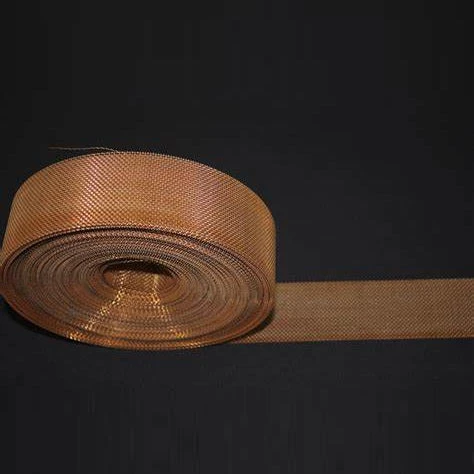

Stainless Steel Mesh Railing: Durable Solutions for Modern Safety and Aesthetics
When you first hear “stainless steel mesh railing,” you might picture something cold or industrial. In reality, it’s a tremendously versatile solution shaping safety, architecture, and innovation worldwide. Stainless steel mesh railings provide durable barriers lined with intricate metal mesh, combining strength with transparency—perfect for everything from residential balconies to complex industrial facilities. Understanding their global impact and key advantages isn’t just a niche topic; it ties deeply into sustainable building, public safety, and the evolving global infrastructure.
Introduction: Why Stainless Steel Mesh Railing Matters Globally
As urbanization continues at a dizzying pace—with the UN reporting more than 56% of the world’s population living in urban areas (source UN Climate Change)—safety and design in public and private spaces are under constant scrutiny. Stainless steel mesh railing systems are gaining traction for their unique ability to meet stringent safety standards without compromising on aesthetics or durability. In fact, in many countries, updated building codes now favor materials that are corrosion-resistant and low-maintenance, which could be why stainless steel has become the go-to choice.
The key challenge these railings address is maintaining safety and accessibility in environments prone to harsh weather, heavy wear, or high foot traffic—think coastal regions with salt-laden air or heavily industrialized areas. Traditional railings just don’t cut it in such demanding settings.
What is Stainless Steel Mesh Railing?
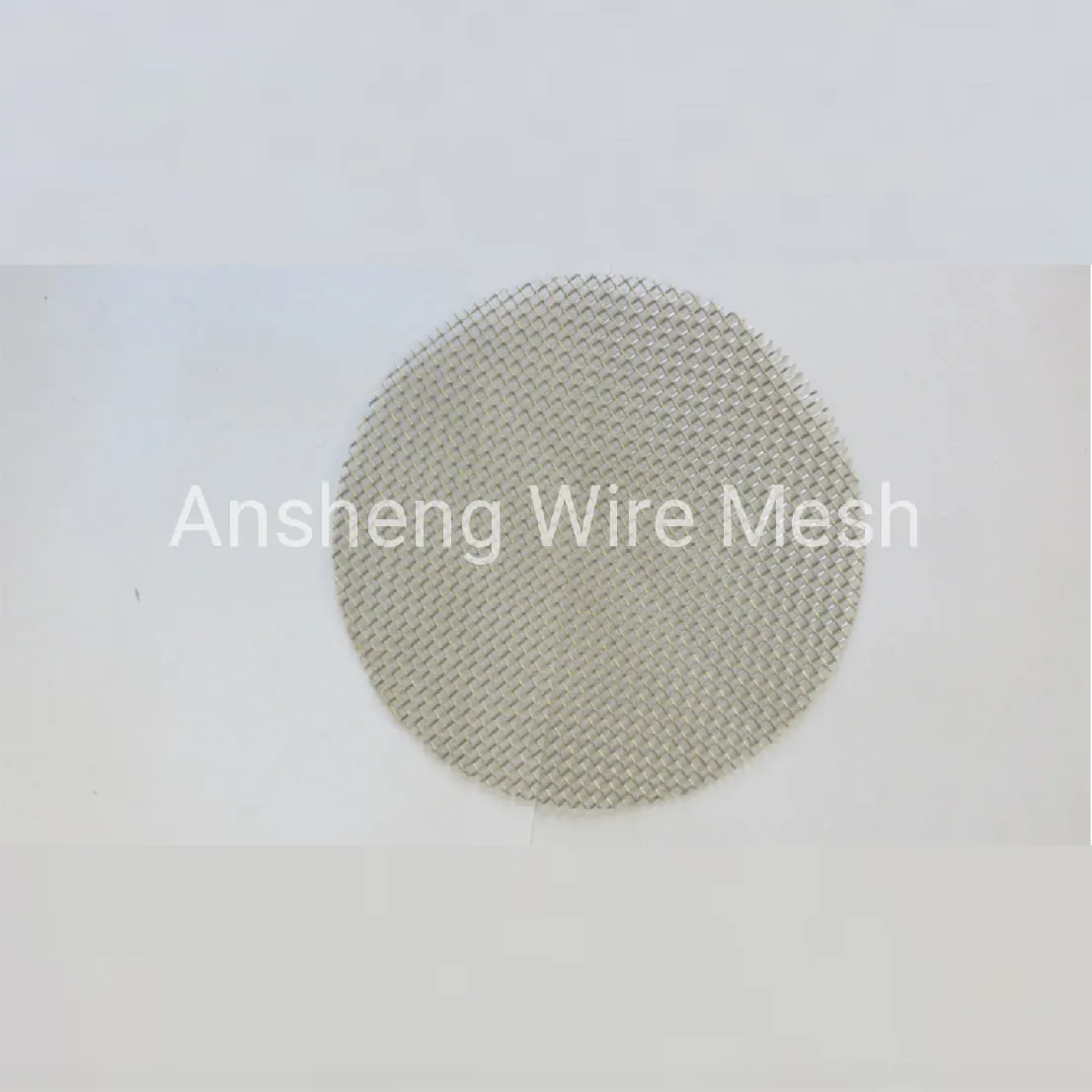
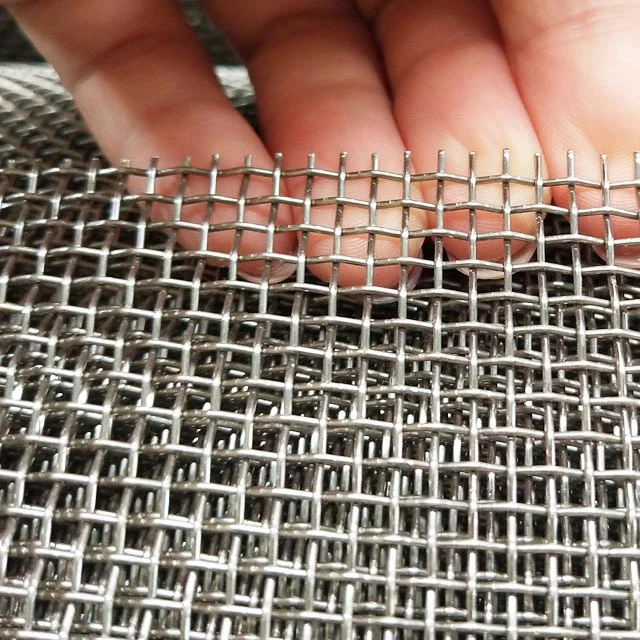
Put simply, stainless steel mesh railing is a safety railing that uses mesh made from stainless steel in place of solid panels or bars. The mesh is woven or welded into durable grids creating a barrier that’s both secure and visually unobtrusive. It’s widely used in buildings, bridges, staircases, and even public parks, where safety regulations require robust protection without blocking the view or airflow.
Beyond just aesthetics and safety, stainless steel mesh railings serve a greater role in industries that demand reliable materials to withstand corrosion, temperature changes, and mechanical stress. That’s why many engineers consider this solution as a critical component in modern infrastructure and humanitarian constructions.
Core Components of Stainless Steel Mesh Railing
- Durability: Stainless steel naturally resists corrosion and rust, making it ideal for outdoor and coastal installations.
- Visibility & Safety: The mesh design preserves transparency, allowing natural light and visibility for increased safety, unlike opaque barriers.
- Customization & Scalability: Mesh sizes and weaving methods can be tailored to different security or architectural needs.
- Cost Efficiency: While upfront costs might be higher than wood or aluminum, stainless steel railings save money long-term through minimal maintenance.
- Ease of Installation: Modular components and lightweight mesh panels can substantially reduce labor time and complexity.
- Aesthetic Appeal: Their sleek, modern look can complement both classic and contemporary architectural styles.
Mini takeaway: Stainless steel mesh railings strike a clever balance between strength, transparency, and design flexibility — a rare trifecta.
Global Applications & Use Cases
Oddly enough, the use cases for stainless steel mesh railings stretch far beyond high-rise apartments or office buildings. Consider these examples:
- Urban infrastructure: Train stations in Europe often use mesh railings to avoid obstructing passenger sightlines while preventing accidental falls.
- Industrial zones: Factories in Asia or North America rely on them to safeguard walkways and stairwells, where exposure to chemicals and weather demands high durability.
- Coastal developments: In Australia and Mediterranean countries, environment-resistant stainless steel mesh is a default to combat salty air corrosion.
- Post-disaster rebuilding: NGOs use modular mesh railing kits in temporary shelters and camps, where quick deployment and safety are paramount.
- Sport and leisure: Stadium balconies and observation decks globally employ mesh railings to comply with safety without blocking views.
Mini takeaway: It's fascinating how universally applicable stainless steel mesh railings are—from construction sites in bustling cities to temporary relief housing in remote areas.
Advantages & Long-Term Value
Frankly, the benefits go deeper than you may expect:
- Longevity: Resistant to rust and mechanical wear, they outlast traditional wooden or painted railings by decades.
- Sustainability: Stainless steel is 100% recyclable, aligning with ISO’s circular economy standards (ISO 14040).
- Safety & Trust: Besides physical safety, transparency fosters an environment of openness and connectivity in public spaces.
- Maintenance Savings: Minimal upkeep is required, eliminating the need for frequent repainting or replacement parts.
- Emotional Appeal: The clean lines and semi-transparent mesh subtly invite comfort without feeling claustrophobic or industrial.
Product Specifications
| Feature | Details |
|---|---|
| Material | 304 or 316 Stainless Steel |
| Mesh Type | Welded Wire, Woven Wire |
| Mesh Opening Size | 5 mm to 50 mm (customizable) |
| Wire Diameter | 0.8 mm to 3.0 mm |
| Finish | Polished, Brushed, or Galvanized |
| Compliance | Meets ASTM, ISO Safety Standards |
Vendor Comparison
| Feature | Ansheng Filter Screen | Competitor A | Competitor B |
|---|---|---|---|
| Material Options | 304 & 316 Stainless Steel | Only 304 SS | Aluminum Mesh Only |
| Customization | Full Custom Mesh Sizes & Finishes | Limited Options | No Custom Orders |
| Compliance Certifications | ISO 9001, ASTM | ASTM Only | None |
| Lead Time | 2 – 4 Weeks | 4 – 6 Weeks | 6+ Weeks |
| Price | Mid-Range, Value-Focused | Higher | Lower, But Lower Quality |
Future Trends & Innovations in Stainless Steel Mesh Railings
As we move further into the 2020s, the intersection of material science and digital design is shaping stainless steel mesh railing evolution. Laser-cutting and 3D weaving allow more intricate, custom designs that still comply with safety codes. Green technology is also influencing production—using recycled stainless steel and reducing carbon footprints. Plus, smart sensor integration is beginning to sneak into railing systems, enabling real-time structural health monitoring in critical infrastructure.
Automation in manufacturing promises faster lead times, making stainless steel mesh railings an even more flexible solution. The sustainability push isn’t just eco-fad; standards like ISO 14001 underscore that environmental accountability is now a must in supply chains.
Challenges & Expert Solutions
Despite all the benefits, stainless steel mesh railing installations face challenges like initial cost perception and specialized installation requirements. Some project managers hesitate at upfront expenses, although long-term savings generally outweigh these concerns.
Innovative modular designs and pre-fabrication have eased installation woes. Meanwhile, educating clients on the lifecycle cost benefits through clear data is also bridging gaps in acceptance.
FAQs: Understanding Stainless Steel Mesh Railing
- What makes stainless steel mesh railing better than traditional wood or aluminum railings?
- Unlike wood, stainless steel does not rot or warp, and unlike aluminum, it resists corrosion better—especially in harsh climates. The mesh design also provides superior visibility and airflow while maintaining strength and safety.
- How long does a stainless steel mesh railing typically last outdoors?
- If properly installed, 304 or 316 stainless steel mesh railings can last anywhere from 20 to 50 years with minimal maintenance, outperforming most conventional materials.
- Is stainless steel mesh railing eco-friendly?
- Yes, stainless steel is 100% recyclable and production processes are becoming greener. Its longevity also reduces the frequency of replacements, supporting sustainability goals.
- Can stainless steel mesh railings be customized for specific security needs?
- Absolutely. Wire diameter, mesh size, and finishes can all be tailored based on security requirements, environmental exposure, or architectural preferences.
- Where can I find reliable suppliers of stainless steel mesh railing?
- Suppliers like Ansheng Filter Screen offer certified, customizable options produced to meet international standards. Always check for ISO and ASTM compliance when choosing a vendor.
Conclusion
Stainless steel mesh railing might seem like just another construction material, but it’s actually a cornerstone of safe, sustainable, and attractive modern architecture worldwide. It tackles core problems from corrosion to safety without sacrificing design, making it a smart choice for urban planners, architects, and engineers alike. For those wanting reliable, aesthetic, and long-lasting railing solutions, it’s definitely worth exploring. Curious? Visit us at Ansheng Filter Screen to see what’s possible.
Remember: When you invest in stainless steel mesh railings, you get decades of value—not just a temporary fix.
References:
Post time: Dec . 02, 2025 06:50