
Stainless Steel Mesh for Balcony: Durable, Safe & Sustainable Solutions

Understanding Stainless Steel Mesh for Balcony: A Modern Marvel in Architecture

When you think of balconies, you might picture a cozy nook or a place to dry laundry, but the materials that make them safe and stylish? That’s where stainless steel mesh for balcony comes in—a product that’s quietly revolutionizing architecture worldwide. It might sound niche, but its impact on safety, aesthetics, and environmental sustainability is actually quite substantial. As cities grow vertically and outdoor spaces shrink, using durable, weather-resistant, and visually pleasing materials like stainless steel mesh bridges a gap between functionality and design.

Why does it matter globally? Well, nearly 56% of the world’s population lives in urban areas today (UN, 2023), leading to high-rise constructions where balconies are crucial to residents’ quality of life and safety. Understanding the benefits and uses of stainless steel mesh can help architects, builders, and homeowners make smarter choices that protect people and the planet.

Mini takeaway: Stainless steel mesh for balcony isn’t just about aesthetics; it’s a practical, sustainable response to modern urban challenges.

The Global Stage: Why Stainless Steel Mesh Is Pivotal

Globally, architecture is evolving, with building codes becoming more rigorous about balcony safety, ventilation, and noise control. The ISO standards for construction materials emphasize durability and minimal maintenance, and stainless steel mesh fits right into this trend perfectly.

For example, in densely populated cities like Tokyo, New York, and Dubai, where balconies often double as emergency escape routes or places for small urban gardens, ensuring a balance between transparency and protection is critical. Traditional steel or iron railings rust and lose strength over time, raising safety concerns.

Stainless steel mesh, with its corrosion resistance and strength, tackles these problems head-on. Plus, the World Bank’s urban development projects have increasingly recommended stainless steel components for green buildings to promote longevity and reduce replacement costs.

Mini takeaway: As urban areas expand, stainless steel mesh for balcony emerges as a core component in sustainable, safe, and stylish city living.

What Exactly Is Stainless Steel Mesh for Balcony?

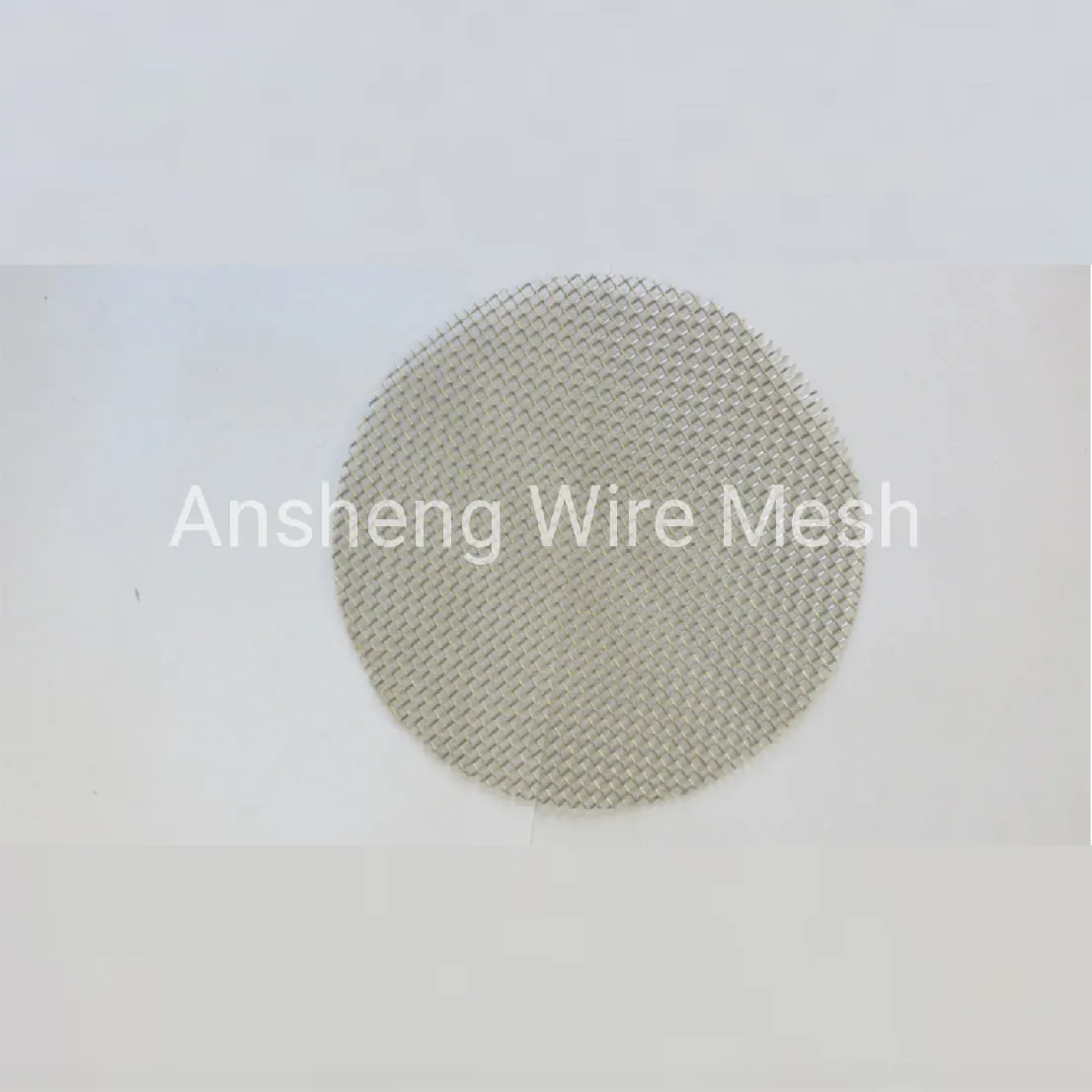
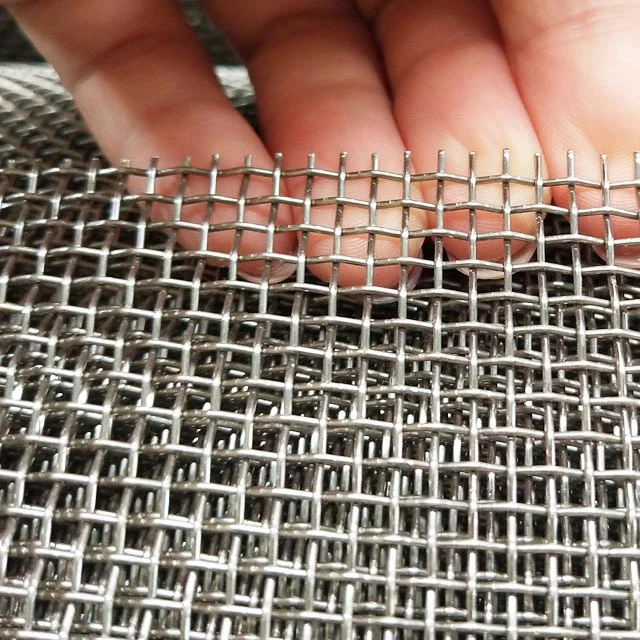
In simple terms, stainless steel mesh for balcony is a flexible metal fabric made of interwoven stainless steel wires, designed primarily to act as a protective barrier without obstructing views or airflow. Think of it as a see-through shield—kind of like a spider web, but way tougher.

This mesh connects to balcony railings or frames, preventing falls (especially for children or pets), while letting in light and air. It’s widely used in residential, commercial, and even humanitarian building projects where quick deployment and reliability matter.

Beyond architecture, stainless steel mesh has roots in industrial and humanitarian applications: from filtering systems to disaster relief shelters needing materials that are strong, safe, and long-lasting. In essence, it’s become a multipurpose tool bridging functionality, safety standards, and modern design sensibilities.

Mini takeaway: Stainless steel mesh for balcony cleverly balances security, visibility, and durability, fitting a wide spectrum of needs.

Core Features Making Stainless Steel Mesh the Go-To Balcony Solution

Durability & Corrosion Resistance

One of the main reasons stainless steel meshes outperform traditional materials is their incredible resistance to rust and weather damage. Whether facing salty seaside air or freezing winters, these materials maintain structural integrity. This property translates into lower maintenance costs and less frequent replacements.

Safety & Strength

Thanks to high tensile strength, stainless steel mesh can withstand impacts and prevent accidental falls. Engineers often appreciate how the mesh is flexible yet reliable, absorbing force without breaking—a crucial factor in family homes and high-rise buildings.

Transparency & Aesthetics

Unlike bulky grills or railings, stainless steel mesh offers an almost invisible barrier, letting natural light flow freely and preserving panoramic views. Designers use it to create airy, open spaces without sacrificing safety.

Environmental Sustainability

Stainless steel is 100% recyclable, and its long life span reduces waste. Utilizing it aligns well with global moves toward green buildings and circular economies.

Easy Installation & Customization

Meshes come in various wire diameters, weaves, and panel sizes, making it easy to fit any balcony shape or size. This adaptability speeds up installation, critical for large-scale construction projects.

Mini takeaway: Durability, safety, and aesthetics—these are the pillars on which stainless steel mesh stands strong.

Real-Life Uses & Applications Worldwide

From the chic balconies in Milan to the bustling residential towers of Singapore, stainless steel mesh is everywhere. In Europe, regulations require balcony barriers that combine strength with a certain aesthetic neutrality—mesh fits the bill perfectly. Asian megacities use it not just for protection but also space division, wind buffering, and pet containment.

In post-disaster zones, NGOs have relied on stainless steel mesh balcony solutions for rapid retrofitting of temporary shelters, adding a layer of safety without heavy infrastructure. Industrial plants, where balconies serve as observation decks or walkways, choose stainless mesh for its resilience to chemicals and fire.

Mini takeaway: The versatility of stainless steel mesh means it crosses industries and geographies, always keeping safety and style in focus.

Advantages: What Makes Stainless Steel Mesh Worth It?

  • Cost Effectiveness: The upfront cost is balanced by low maintenance and long lifespan.
  • Sustainability: 100% recyclable and suited for green construction certifications.
  • Enhanced Safety & Emotional Comfort: Owners report a real peace of mind knowing family or tenants are secure.
  • Design Flexibility: Mesh works with minimalist or bold architectural styles.
  • Weatherproof Performance: No peeling paint or rotting wood means fewer headaches.

Oddly enough, many architects tell me that working with stainless steel mesh feels like collaborating with nature itself; it lets the outside in, while still keeping people safe inside the home.

Looking Ahead: Future Trends in Balcony Mesh

With rising interest in green energy and smart homes, stainless steel mesh manufacturers are experimenting with coatings that improve solar reflectivity and self-cleaning properties. Digital manufacturing techniques like 3D weaving promise bespoke meshes optimized for strength and air flow.

Automation in installation could reduce labor costs and speed up urban housing projects, particularly in emerging markets with rapid population growth. Policies encouraging sustainable building materials are also leading to wider adoption of stainless steel mesh playgrounds, balconies, and facades alike.

Mini takeaway: The future looks bright and shiny for stainless steel mesh as sustainability and smart tech blend seamlessly into building design.

Challenges & Practical Solutions

Though it’s nearly ideal, stainless steel mesh is not without challenges. Installation can be tricky for oddly shaped balconies; incorrect tensioning may cause loose panels. Also, high-grade stainless materials sometimes come at a steeper price, making budget-friendly projects feel strained.

Experts recommend thorough initial planning and engaging knowledgeable installers who understand types of mesh (like welded vs. woven), proper fittings, and local building codes. Additionally, combining mesh with complementary materials or tension systems can address safety gaps in extreme weather zones.

Practical FAQs About Stainless Steel Mesh for Balcony

  • Q: How long does stainless steel mesh typically last on a balcony?
    A: With proper installation and maintenance, stainless steel mesh can last 25 to 50 years or more, thanks to its corrosion resistance and mechanical strength.
  • Q: Is stainless steel mesh safe for children and pets on balconies?
    A: Yes, the mesh acts as a protective barrier preventing falls while allowing visibility. Choose finer mesh with tighter weaves for small pets to prevent escape.
  • Q: Can stainless steel mesh be installed on existing balconies?
    A: Absolutely. Many vendors offer retrofit kits and custom designs that fit most balcony types, making it a versatile safety upgrade without full renovation.
  • Q: Does the mesh require special cleaning or upkeep?
    A: Not really. Occasional rinsing with water and minimal cleaning keep the mesh looking new, as it resists staining and weathering.
  • Q: How does stainless steel mesh compare cost-wise with glass panels?
    A: While initial costs may be similar or slightly higher than some glass options, stainless steel mesh often wins in durability, maintenance costs, and safety under impact.

Product Specification Table

Specification Details
Material Grade 304 or 316 Stainless Steel
Wire Diameter 0.5 mm to 1.5 mm
Mesh Opening Size 5 mm to 30 mm
Panel Size Custom up to 2 m x 3 m
Finish Polished, Matte, or Coated
Weight Approx. 2.5 - 5 kg/m²

Comparison of Leading Stainless Steel Mesh Vendors

Vendor Product Range Customization Services Price Range Delivery Time
Ansheng Filter Screen Wide wire diameters & mesh sizes Full customization & design consultation $$ 2-3 weeks
Global Mesh Solutions Standard pre-made panels Limited customization $ 1-2 weeks
EuroSteel Mesh Premium, high-grade stainless steel High-end architectural projects $$$ 3-4 weeks

Final Thoughts

It might sound like an unassuming architectural detail, but stainless steel mesh for balcony embodies so much of what modern design strives for today: safety, sustainability, and seamless integration with environment. From urban high-rises to post-disaster housing, this material serves real people’s needs while pushing innovation forward.

If you’re curious to explore options or upgrade your own balcony with durable, stylish mesh, I suggest starting with Ansheng Filter Screen. Their expertise and customization options make complex projects feel manageable and even exciting.

So, next time you lean on that balcony railing, maybe give a little nod to the incredible material keeping you safe — it’s quietly holding up the view.

References

  1. United Nations - Urbanization Prospects, 2018
  2. International Organization for Standardization (ISO) - Construction material standards
  3. World Bank - Urban population data

Post time: Nov . 29, 2025 04:00
Related News
  • Discover precision engineering and durable solutions with Wire Mesh Discs from Anping County Ansheng. Combining cost-effective customization with advanced CNC machining, our discs ensure industrial excellence. Explore now: https://www.anshengfilterscreen.com/single-layer.html

  • Plain weave is one of the most basic and fundamental fabric weaves. Its simplicity doesn’t equate to limited use; on the contrary, it's incredibly versatile and found in countless applications. This article will explore the characteristics of plain weave, its advantages, and, most importantly, what is plain weave used for across various industries. Understanding this weave is crucial for anyone involved in textiles, filtration, or composite materials. It's a cornerstone of many modern manufacturing processes. The plain weave is characterized by its simple over-under pattern. Each weft yarn (horizontal) alternates crossing over and under each warp yarn (vertical). This creates a distinct checkerboard-like appearance. This seemingly simple structure gives the fabric excellent stability and a balanced texture. The density of the weave – the number of warp and weft yarns per inch – directly affects the fabric’s properties, such as its strength, permeability, and drape. It’s a remarkably efficient weave, making it cost-effective for large-scale production. The versatility of plain weave makes it a go-to choice in numerous industries. Here's a breakdown of some key applications: Apparel Fabrics: Cotton, linen, and polyester plain weaves are used extensively in clothing – think shirts, blouses, bedsheets, and linings. Filtration: Plain weave fabrics are a fundamental component of many filter screens, used for separating solids from liquids or gases.

  • Dutch wire mesh, renowned for its precision and versatility, is a crucial material across various industries, from filtration and screening to architectural applications. This article delves into the specifics of Dutch wire mesh, its properties, applications, and why Ansheng Filter Screen is a leading provider of high-quality Dutch wire mesh solutions. Whether you are in need of precise filtration, robust screening, or specialized weaving, understanding the nuances of this material is key to making informed decisions. Let's explore the world of Dutch wire mesh and uncover its many benefits. Dutch wire mesh isn’t a specific weave style but rather a term signifying a precise method of weaving wire, primarily focusing on achieving extremely consistent aperture sizes. It’s characterized by its tightly controlled weave and uniform openings, making it ideal for applications where precise filtration or screening is critical. Typically made from stainless steel (304, 316L, and others), the mesh is known for its durability, corrosion resistance, and ability to withstand high temperatures. The process involves weaving wires in both warp and weft directions, creating a stable and dimensionally accurate fabric.

  • Dutch weave is a versatile type of woven wire mesh known for its unique structure and diverse applications. It's characterized by alternating plain and twill weaves, resulting in a fabric with excellent strength, flexibility, and permeability. This makes it ideal for a range of uses in industries like filtration, screening, and reinforcement. Ansheng Filter Screen specializes in high-quality dutch weave mesh, catering to diverse industrial needs. Understanding the properties and applications of dutch weave is key to maximizing its benefits in various sectors. Dutch weave isn’t a single weave pattern but a combination. It’s created by alternately weaving plain and twill patterns. The twill weave creates a diagonal rib pattern which impacts the mesh’s properties. This unique construction results in a mesh that is more open in one direction than the other, providing excellent flow characteristics. This makes it superior for applications needing high permeability while maintaining good structural integrity.

  • Protecting crops, buildings, and infrastructure from bird damage is a significant concern for many industries. Galvanised bird mesh provides a robust and effective solution. This article will explore the benefits, applications, and key considerations when choosing galvanised bird mesh, offering a detailed overview for those seeking reliable bird control. From agricultural protection to industrial applications, we will cover everything you need to know about this versatile product. Galvanised bird mesh is a woven wire netting coated with a layer of zinc. This galvanisation process provides excellent corrosion resistance, making it suitable for outdoor applications and harsh environments. The mesh is typically made from steel wire, offering strength and durability. Different mesh sizes are available to cater to various bird species and protection needs.

  • When selecting materials for industrial filtration, construction, or agricultural applications, galvanized steel mesh screen stands out as a durable and cost-effective solution. This article will provide a detailed overview of galvanized steel mesh screen, covering its properties, applications, benefits, and important considerations when making a purchase. Understanding its characteristics can help you determine if it’s the ideal material for your specific needs. We will delve into the nuances of this versatile material and how Ansheng Filter Screen provides quality products. Galvanized steel mesh screen is a woven wire mesh manufactured from steel that has been coated with a layer of zinc. This zinc coating acts as a protective barrier against corrosion and rust, significantly extending the lifespan of the steel. The galvanization process can be hot-dip galvanizing or electro-galvanizing, each offering different levels of protection and cost. The mesh is typically available in various weave patterns, such as plain weave, twill weave, and dutch weave, each suited for different filtration and screening needs.

  • Galvanized netting is a versatile and cost-effective solution for a wide range of applications, from agricultural fencing to industrial safety barriers. Its durability and resistance to corrosion make it a popular choice across numerous industries. This article will delve into the properties of galvanized netting, exploring its benefits, common uses, different types available, and how to select the best netting for your specific needs. Understanding the nuances of galvanized netting will ensure you make an informed decision and maximize its lifespan and effectiveness. Galvanized netting is woven from steel wire that has been coated with a layer of zinc through a process called galvanization. This zinc coating acts as a barrier against corrosion, protecting the steel from rust and environmental damage. There are two primary galvanization methods: hot-dip galvanizing and electro-galvanizing. Hot-dip galvanizing involves immersing the steel wire in a bath of molten zinc, creating a thick and durable coating. Electro-galvanizing uses an electric current to deposit a thinner layer of zinc onto the wire.

  • Dutch weave mesh is a versatile and durable material used in a wide range of industrial and filtration applications. Known for its unique weaving pattern, it provides excellent strength and permeability. This article will explore the characteristics, applications, benefits, and considerations when choosing Dutch weave mesh, providing a thorough understanding for professionals and buyers. Understanding its properties is vital to selecting the right mesh for your needs. Dutch weave mesh is created by weaving two sets of wires – one heavier warp wire and one finer shute wire – in a specific pattern. This construction results in a mesh with larger openings in one direction and smaller openings in the other. The heavier warp wires provide strength and dimensional stability, while the finer shute wires create a greater open area for improved flow rates. This unique structure differentiates it from plain weave or twill weave meshes, making it ideal for applications requiring both filtration and structural integrity.

WE PROVIDE HIGH QUALITYEQUIPMENT
Recommend Products
  • Stainless Steel Plain Weave Wire Mesh

    Stainless steel plain weave wire mesh, also known as Stainless steel wire cloth, stainless steel screen, stainless steel gauze. Materials: Stainless steel 201, 304, 316, 316L, etc. Plain weave scope of Mesh : 1mesh-635mesh Plain weave scope of wire diameter: 1mm-0.001mm Plain weave scope of width: usually 0.915m-2meters, and special specifications can be customized according to customer requirements. Plain weave scope of length: generally 30 meters. Stainless steel wire mesh weave type: plain weave, twill weave, herringbone weave, dutch weave, reserve dutch weave

  • Stainless Steel Reverse Dutch Weave Wire Mesh

    Stainless steel reserve dutch weave wire mesh, also known as Stainless steel wire cloth, stainless steel screen, stainless steel gauze. Materials: Stainless steel 201, 304, 316, 316L, etc. Reserve dutch weave scope of Mesh : 72x15mesh-260x40mesh Reserve dutch weave scope of wire diameter: 0.55mm-0.15mm Reserve dutch weave scope of width: usually 60mm-300mm, and special specifications can be customized according to customer requirements. Reserve dutch weave scope of length: generally 10 meters, 20 meters, 30meters. Stainless steel wire mesh weave type: plain weave, twill weave, herringbone weave, dutch weave, reserve dutch weave

  • Iron Dutch Weave Wire Mesh

    Low-carbon steel dutch weave wire mesh, also known as iron wire filter mesh, black wire cloth. Materials: Low-carbon steel Scope of Mesh : 7x55mesh-40x200mesh Scope of wire diameter: 0.14mm-0.75mm Scope of width: usually 0.915m-1.3meters, and special specifications can be customized according to customer requirements. Scope of length: generally 30 meters. Weave: plain weave, herringbone weave, dutch weave

  • Phosphor Copper Wire Mesh

    Phosphor copper wire mesh, also known as copper wire mesh. Materials: QSn6.5-0.1,QSn6.5-0.4 Property: Non-magnetic, wear resistant, good ductility Scope of Mesh : 2-300mesh Scope of wire diameter: 0.08mm-0.8mm Scope of width: usually 1m-1.5meters, and special specifications can be customized according to customer requirements. Scope of length: generally 30 meters. Weave: plain weave, twill weave

tel email tel top

If you are interested in our products, you can choose to leave your information here, and we will be in touch with you shortly.