
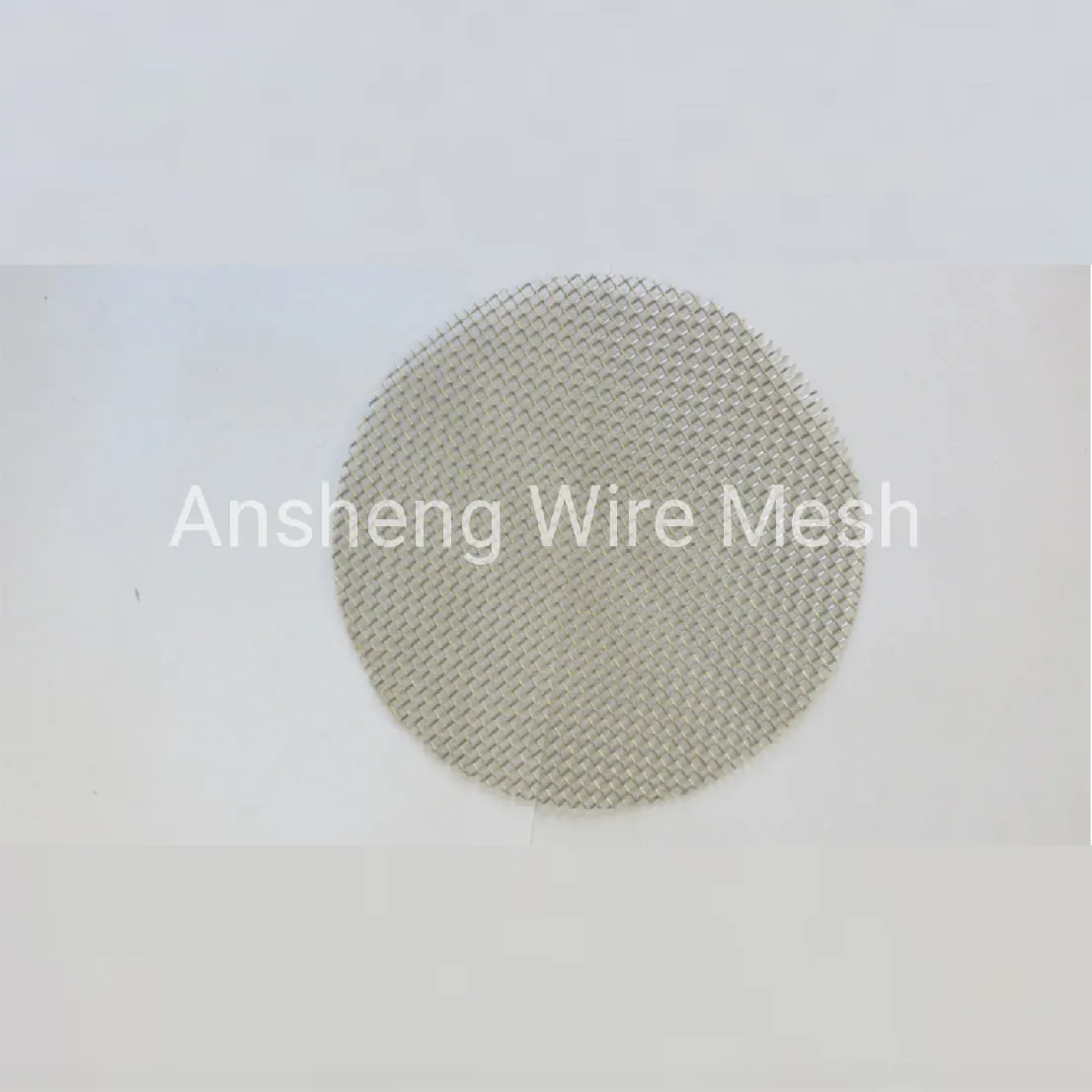
Reverse Dutch Weave Wire Mesh: A Guide for Industrial Filtration

Understanding Reverse Dutch Weave Wire Mesh for Critical Applications

Reverse Dutch Weave Wire Mesh is, frankly, a bit of a mouthful. But it’s the solution for a lot of industrial filtration and separation problems. You see it everywhere, from chemical processing to aggregate screening… and increasingly in wastewater treatment. It’s not a glamorous material, but it’s incredibly effective. We at Ansheng Filterscreen have been working with this stuff for years, and it’s always surprising just how many bespoke applications engineers come up with.

Reverse Dutch Weave Wire Mesh Overview

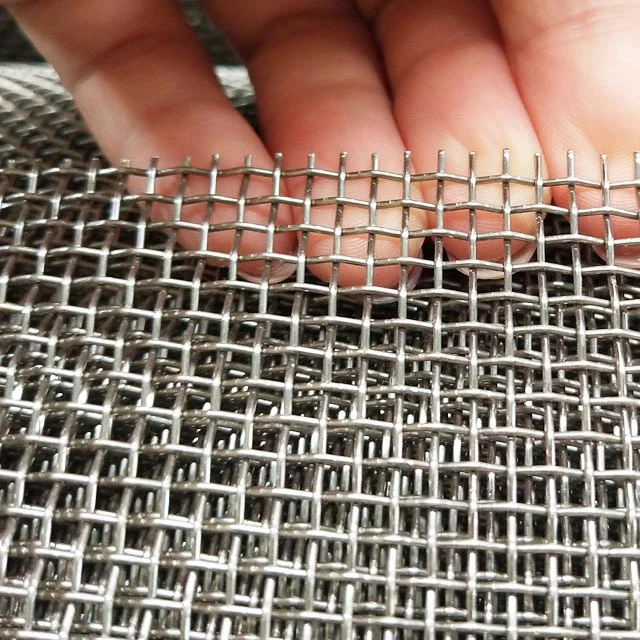
Okay, so what is it? It's a type of woven wire fabric where the weft wires (the ones going across) are significantly thicker than the warp wires (the ones running lengthwise). This creates a mesh with a very high open area, but also incredible strength and resistance to plugging. The “reverse” part comes from the weaving pattern itself – it’s different from standard Dutch weave, giving it those superior properties. I suppose it’s a subtle distinction, but a crucial one. We’ve seen a lot of spec sheets where engineers mistakenly order standard Dutch weave when they actually need reverse… it can cause big problems. It's important to understand the material specifics, and that's where a supplier with deep knowledge comes in.

Specification Typical Value Notes
Material Stainless Steel 304/316L Other alloys available on request
Weave Type Reverse Dutch Weave High open area, strong construction
Wire Diameter (Warp) 0.1 – 0.5 mm Dependent on application
Aperture Size Customizable Down to 20 microns

Benefits & Use Cases of Reverse Dutch Weave Wire Mesh

You know, the applications are vast. We supply to companies doing everything from pharmaceutical filtration – incredibly precise stuff, needing ultra-fine meshes – to aggregate screening in quarries. The key benefit is its ability to handle high flow rates without sacrificing filtration efficiency. It’s also remarkably durable. I recently spoke with a plant manager at a chemical processing facility; they'd been using standard woven wire for years, constantly replacing it. Switching to reverse Dutch weave cut their downtime and maintenance costs significantly. And, oddly enough, it reduced product loss, because it’s less prone to blinding. It’s a simple change that yielded big returns for them.

Vendor Material Options Customization Lead Time
Ansheng Filterscreen SS304, 316L, Hastelloy, Monel Full customization – weave, aperture, size 2-4 weeks
Vendor A SS304, 316L Limited size options 4-6 weeks
Vendor B SS316L only None In Stock

Cost, Maintenance & User Experience

The initial cost can be a little higher than standard woven wire, it’s true. But – and this is a big ‘but’ – the longevity and reduced maintenance often mean a lower total cost of ownership. Many engineers say they initially balk at the price, but after factoring in downtime savings and replacement frequency, it makes perfect sense. Maintenance is pretty straightforward; regular cleaning is usually sufficient, depending on the application. And, it feels like a well-made mesh just… lasts. I've seen installations still going strong after five years, which is pretty impressive. We also offer cleaning services for customers who need it.

Sustainability & Market Trends

There’s increasing demand for sustainable filtration solutions, and reverse Dutch weave fits that bill. The durability means less frequent replacement, reducing waste. Plus, stainless steel is recyclable, of course. I suppose the market is also moving towards more customized solutions, and we're well-positioned to meet that need, offering bespoke weave patterns and materials. Regulatory pressure around wastewater discharge is also driving demand for more efficient filtration systems… a trend that we expect to continue.

Frequently Asked Questions about Reverse Dutch Weave Wire Mesh

What is Reverse Dutch Weave Wire Mesh and how does it work?
Reverse Dutch Weave utilizes thicker weft wires and finer warp wires to create a dense yet high-flow mesh, ideal for filtration and separation processes where high throughput and fine particle retention are crucial. It works by allowing liquids to pass through easily while trapping solid particles.
What are the main benefits of using Reverse Dutch Weave Wire Mesh in industrial applications?
The benefits include superior strength, high flow rates, excellent filtration efficiency, reduced clogging, and long-term durability, leading to lower maintenance costs and increased operational efficiency.
How does Reverse Dutch Weave Wire Mesh compare to traditional alternatives?
Compared to standard woven wire mesh, Reverse Dutch Weave offers significantly higher flow rates, improved particle retention, and greater resistance to deformation and clogging, making it a more reliable and cost-effective solution in many industrial applications.
What industries can benefit most from Reverse Dutch Weave Wire Mesh implementation?
Key industries include chemical processing, pharmaceuticals, food and beverage, wastewater treatment, oil and gas, and aggregate screening, where effective filtration and separation are essential.

Conclusion on Reverse Dutch Weave Wire Mesh from china

Ultimately, Reverse Dutch Weave is a deceptively simple material that delivers outsized performance. It’s about choosing the right tool for the job, and in a lot of cases, this is that tool. If you’re facing a challenging filtration or separation problem, it's worth exploring. Visit our website: https://www.anshengfilterscreen.com.


Post time: Jan . 25, 2026 02:10
Related News
  • Dutch weave is a versatile type of woven wire mesh known for its unique structure and diverse applications. It's characterized by alternating plain and twill weaves, resulting in a fabric with excellent strength, flexibility, and permeability. This makes it ideal for a range of uses in industries like filtration, screening, and reinforcement. Ansheng Filter Screen specializes in high-quality dutch weave mesh, catering to diverse industrial needs. Understanding the properties and applications of dutch weave is key to maximizing its benefits in various sectors. Dutch weave isn’t a single weave pattern but a combination. It’s created by alternately weaving plain and twill patterns. The twill weave creates a diagonal rib pattern which impacts the mesh’s properties. This unique construction results in a mesh that is more open in one direction than the other, providing excellent flow characteristics. This makes it superior for applications needing high permeability while maintaining good structural integrity.

  • Protecting crops, buildings, and infrastructure from bird damage is a significant concern for many industries. Galvanised bird mesh provides a robust and effective solution. This article will explore the benefits, applications, and key considerations when choosing galvanised bird mesh, offering a detailed overview for those seeking reliable bird control. From agricultural protection to industrial applications, we will cover everything you need to know about this versatile product. Galvanised bird mesh is a woven wire netting coated with a layer of zinc. This galvanisation process provides excellent corrosion resistance, making it suitable for outdoor applications and harsh environments. The mesh is typically made from steel wire, offering strength and durability. Different mesh sizes are available to cater to various bird species and protection needs.

  • When selecting materials for industrial filtration, construction, or agricultural applications, galvanized steel mesh screen stands out as a durable and cost-effective solution. This article will provide a detailed overview of galvanized steel mesh screen, covering its properties, applications, benefits, and important considerations when making a purchase. Understanding its characteristics can help you determine if it’s the ideal material for your specific needs. We will delve into the nuances of this versatile material and how Ansheng Filter Screen provides quality products. Galvanized steel mesh screen is a woven wire mesh manufactured from steel that has been coated with a layer of zinc. This zinc coating acts as a protective barrier against corrosion and rust, significantly extending the lifespan of the steel. The galvanization process can be hot-dip galvanizing or electro-galvanizing, each offering different levels of protection and cost. The mesh is typically available in various weave patterns, such as plain weave, twill weave, and dutch weave, each suited for different filtration and screening needs.

  • Galvanized netting is a versatile and cost-effective solution for a wide range of applications, from agricultural fencing to industrial safety barriers. Its durability and resistance to corrosion make it a popular choice across numerous industries. This article will delve into the properties of galvanized netting, exploring its benefits, common uses, different types available, and how to select the best netting for your specific needs. Understanding the nuances of galvanized netting will ensure you make an informed decision and maximize its lifespan and effectiveness. Galvanized netting is woven from steel wire that has been coated with a layer of zinc through a process called galvanization. This zinc coating acts as a barrier against corrosion, protecting the steel from rust and environmental damage. There are two primary galvanization methods: hot-dip galvanizing and electro-galvanizing. Hot-dip galvanizing involves immersing the steel wire in a bath of molten zinc, creating a thick and durable coating. Electro-galvanizing uses an electric current to deposit a thinner layer of zinc onto the wire.

  • Dutch weave mesh is a versatile and durable material used in a wide range of industrial and filtration applications. Known for its unique weaving pattern, it provides excellent strength and permeability. This article will explore the characteristics, applications, benefits, and considerations when choosing Dutch weave mesh, providing a thorough understanding for professionals and buyers. Understanding its properties is vital to selecting the right mesh for your needs. Dutch weave mesh is created by weaving two sets of wires – one heavier warp wire and one finer shute wire – in a specific pattern. This construction results in a mesh with larger openings in one direction and smaller openings in the other. The heavier warp wires provide strength and dimensional stability, while the finer shute wires create a greater open area for improved flow rates. This unique structure differentiates it from plain weave or twill weave meshes, making it ideal for applications requiring both filtration and structural integrity.

  • Explore the benefits, applications, and vendors of Reverse Dutch Weave for industrial filtration systems. Learn how Ansheng Filter Screen delivers durable and high-performance filtration solutions.

  • In today's industrial and commercial fields, super fine wire mesh has grown into a critical component thanks to its precision and efficiency. This mesh type, often used in air and liquid filtration, can trap incredibly small particles while allowing air or fluids to pass through.

WE PROVIDE HIGH QUALITYEQUIPMENT
Recommend Products
  • Stainless Steel Plain Weave Wire Mesh

    Stainless steel plain weave wire mesh, also known as Stainless steel wire cloth, stainless steel screen, stainless steel gauze. Materials: Stainless steel 201, 304, 316, 316L, etc. Plain weave scope of Mesh : 1mesh-635mesh Plain weave scope of wire diameter: 1mm-0.001mm Plain weave scope of width: usually 0.915m-2meters, and special specifications can be customized according to customer requirements. Plain weave scope of length: generally 30 meters. Stainless steel wire mesh weave type: plain weave, twill weave, herringbone weave, dutch weave, reserve dutch weave

  • Stainless Steel Reverse Dutch Weave Wire Mesh

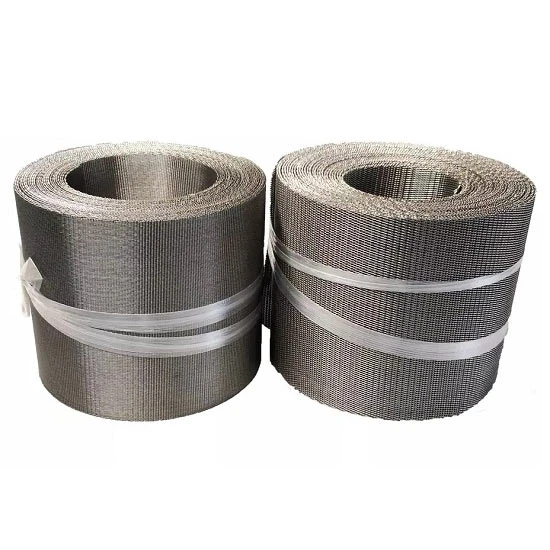
    Stainless steel reserve dutch weave wire mesh, also known as Stainless steel wire cloth, stainless steel screen, stainless steel gauze. Materials: Stainless steel 201, 304, 316, 316L, etc. Reserve dutch weave scope of Mesh : 72x15mesh-260x40mesh Reserve dutch weave scope of wire diameter: 0.55mm-0.15mm Reserve dutch weave scope of width: usually 60mm-300mm, and special specifications can be customized according to customer requirements. Reserve dutch weave scope of length: generally 10 meters, 20 meters, 30meters. Stainless steel wire mesh weave type: plain weave, twill weave, herringbone weave, dutch weave, reserve dutch weave

  • Iron Dutch Weave Wire Mesh

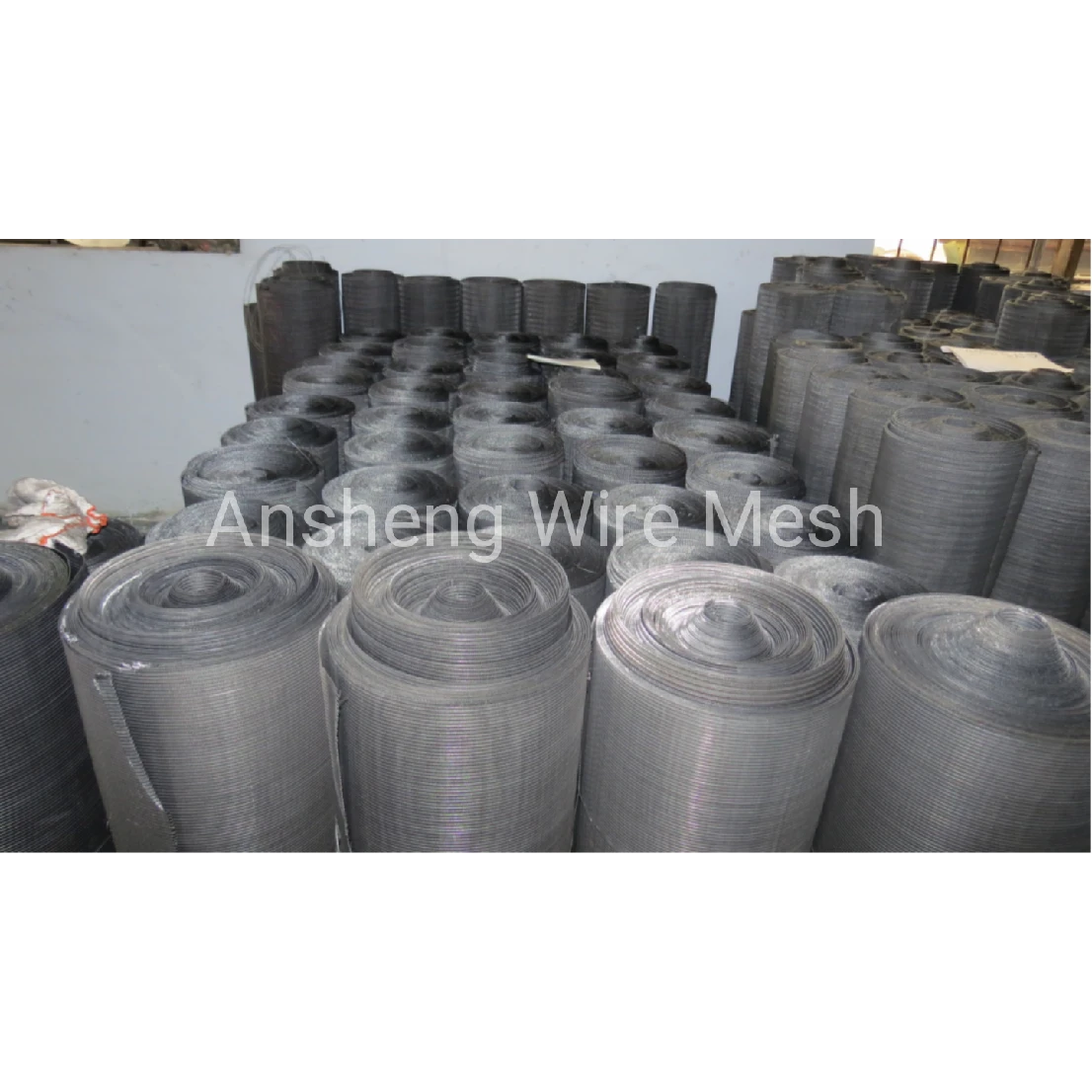
    Low-carbon steel dutch weave wire mesh, also known as iron wire filter mesh, black wire cloth. Materials: Low-carbon steel Scope of Mesh : 7x55mesh-40x200mesh Scope of wire diameter: 0.14mm-0.75mm Scope of width: usually 0.915m-1.3meters, and special specifications can be customized according to customer requirements. Scope of length: generally 30 meters. Weave: plain weave, herringbone weave, dutch weave

  • Phosphor Copper Wire Mesh

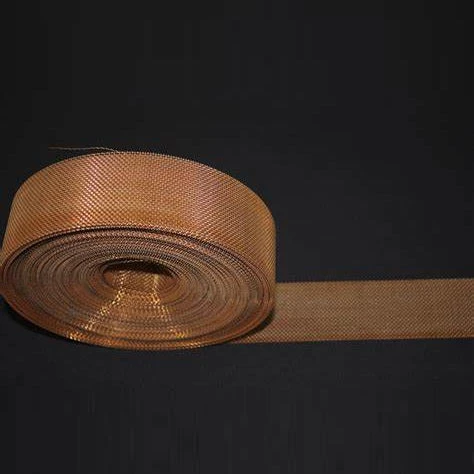
    Phosphor copper wire mesh, also known as copper wire mesh. Materials: QSn6.5-0.1,QSn6.5-0.4 Property: Non-magnetic, wear resistant, good ductility Scope of Mesh : 2-300mesh Scope of wire diameter: 0.08mm-0.8mm Scope of width: usually 1m-1.5meters, and special specifications can be customized according to customer requirements. Scope of length: generally 30 meters. Weave: plain weave, twill weave

tel email tel top

If you are interested in our products, you can choose to leave your information here, and we will be in touch with you shortly.