
An Experienced Take on non galvanized wire mesh
Having spent a good chunk of my career working around all sorts of industrial equipment, I've come to appreciate how small choices in materials can make a huge difference. Take non galvanized wire mesh, for example. It’s one of those products that’s often overshadowed by its zinc-coated counterpart, but frankly, it holds its own in many applications. I remember the first time I had to source it for a customer's filtration line — there was a lot of back and forth about durability versus cost, but it turned out to be the perfect fit.
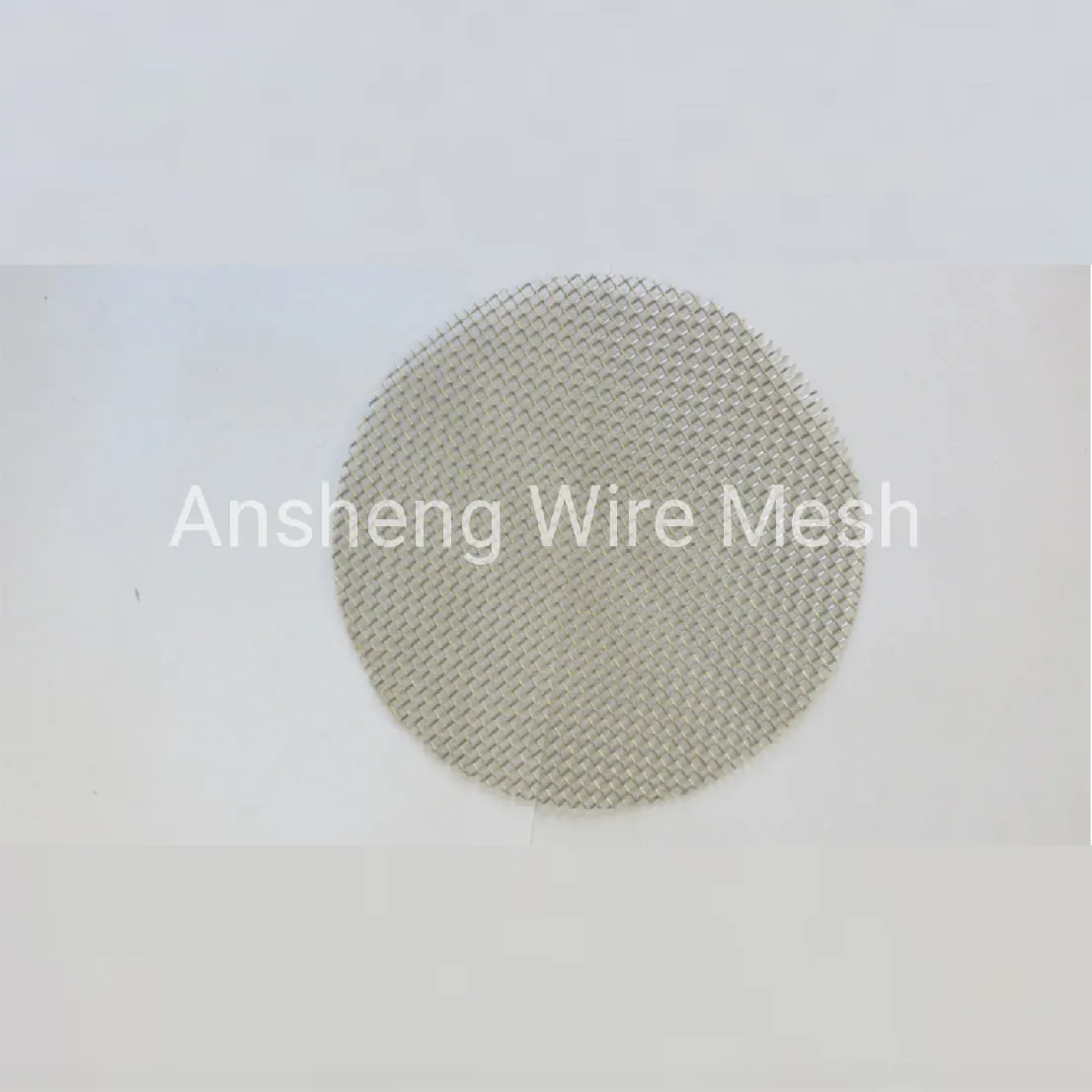
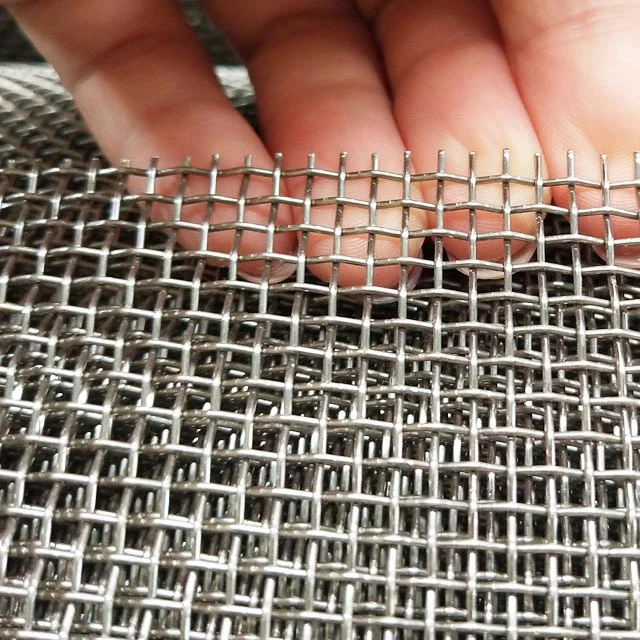
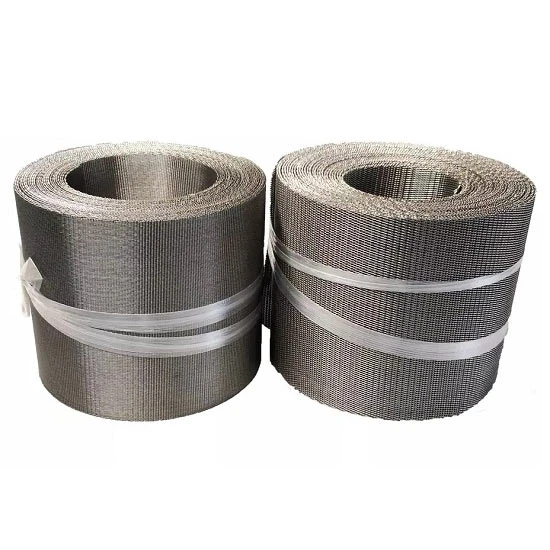
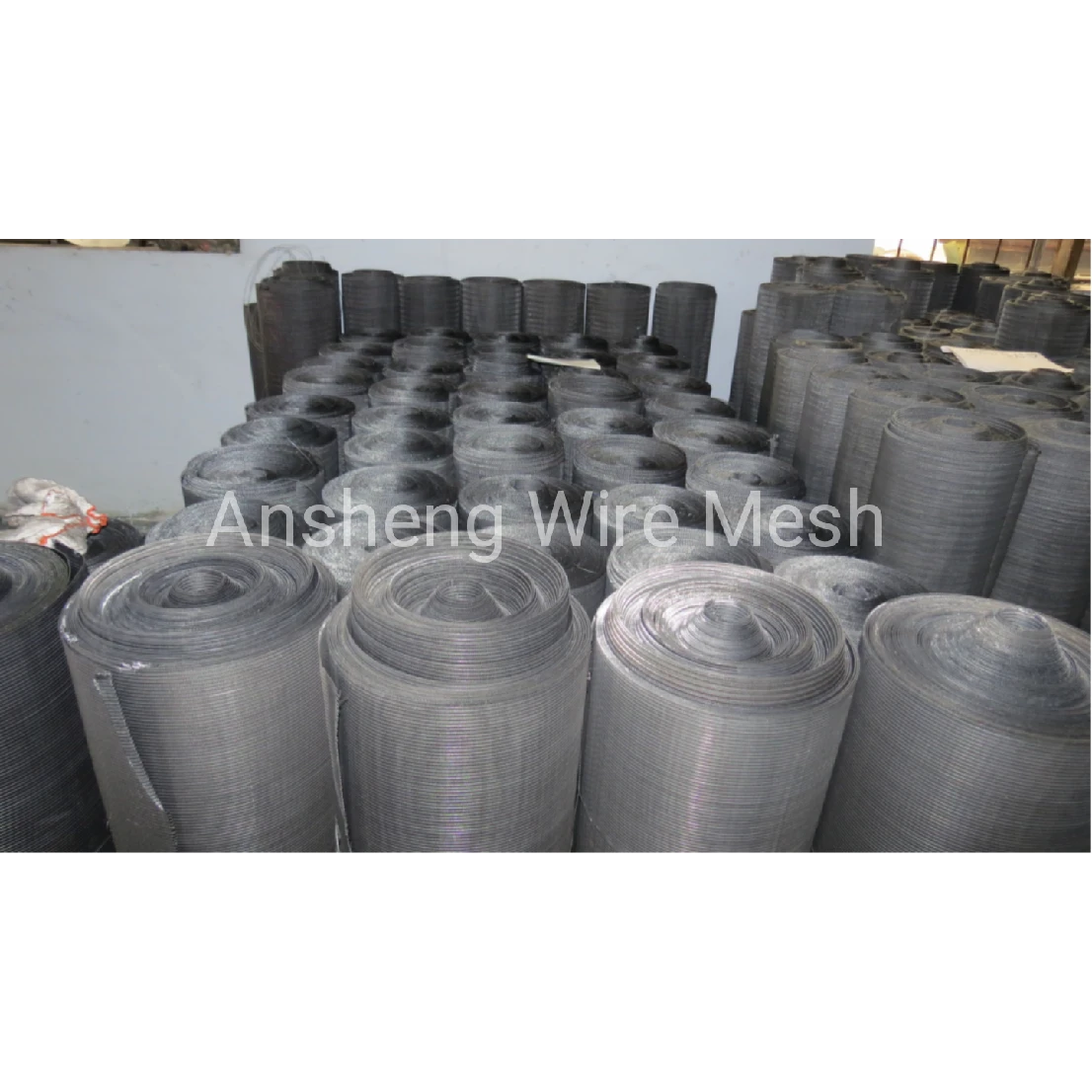
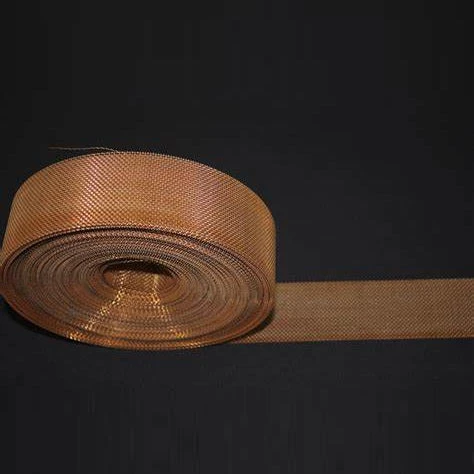
So, what is non galvanized wire mesh exactly? Unlike galvanized mesh that’s coated with zinc to resist corrosion, this one is plain steel wire woven into a grid or pattern without any surface treatment. While that might sound like a downside for some, its simplicity makes it very versatile, especially when post-processing or specific coatings are planned later. Many engineers say it’s the blank canvas of wire mesh.
In real terms, non galvanized mesh tends to be used indoors or in dry environments because it’s more prone to rust without additional protection. But oddly enough, that vulnerability is sometimes an advantage — for example, when downstream chemical processing requires the mesh to be clean of coatings that could react negatively. The raw steel surface also welds and forms more predictably, which comes in handy for custom fabrication.
| Specification | Details |
|---|---|
| Material | Low Carbon Steel Wire |
| Mesh Size | 0.5mm – 50mm aperture (customizable) |
| Wire Diameter | 0.3mm – 5mm |
| Weaving Patterns | Plain, Twilled, Dutch Weave |
| Finish | Raw Steel (Non Galvanized) |
| Typical Uses | Filtration, Screening, Protective Barriers, Construction |
Testing and quality control are no joke in this space. You see, because non galvanized mesh doesn’t have that protective zinc layer, the steel quality itself has to be consistent to avoid premature failures. Ansheng Filter Screen, for instance, does rigorous tensile strength and elongation tests, which honestly give me more confidence than some coated meshes I’ve seen fail early in the field.
Custom orders are pretty common—or rather, necessary. I recall a customer in automotive manufacturing who needed a very specific weave pattern with tight tolerances for a breather screen. The non galvanized wire mesh source had to accommodate tiny aperture sizes without sacrificing strength. The supplier handled it with no fuss by adjusting weaving tension and wire diameter on the fly—a level of flexibility that’s not always available.
| Vendor | Material Quality | Customization Options | Lead Time | Pricing |
|---|---|---|---|---|
| Ansheng Filter Screen | High, Consistent Steel Grade | Extensive (custom weaves, sizes) | 2–4 Weeks | Competitive |
| Vendor B | Varies, often Low Carbon Steel | Limited to Standard Sizes | 4–6 Weeks | Low to Mid |
| Vendor C | Medium, Steel Quality Varies | Some Custom Dimensions | 3–5 Weeks | Mid-range |
In the end, working with non galvanized mesh feels a bit like working with raw materials in their purest form. You get to tailor the final product because it hasn’t been pre-treated or altered. Of course, it also means being mindful of where and how you use it—dry environments or immediate finishing treatments are usually best.
One quick story to close off: a client in food processing wanted a dispenser guard that wouldn’t introduce zinc contamination. Non galvanized mesh was the answer, and the project ran smoothly, proving that sometimes the simpler option is actually the smarter one.
So if you’re shopping for wire mesh that’s reliable, adaptable, and honestly feels kind of honest in its rawness, considering non galvanized wire mesh might just surprise you. I've seen it work well for decades in the right hands—and in real terms, sometimes that’s the best recommendation.
Takeaway: Non galvanized wire mesh may not be flashy, but its purity and flexibility give it a quiet strength that’s tough to beat.
- Industry standards for wire mesh quality (ISO 4783)
- Ansheng Filter Screen product datasheets and testing protocols
- Field reports from filtration industry users, 2021-2023
Post time: Jan . 02, 2026 06:55